Humanity
Western U.S. Challenges: Beyond Today's Headlines. AI-Generated.
Western U.S. Challenges: Beyond Today's Headlines The Western United States is dealing with many challenges that go beyond what we see in the news. The media often focuses on big events, but there's more to it. Issues like climate change, economic gaps, and environmental damage are all part of the problem.
By ilyas amin2 years ago in Earth
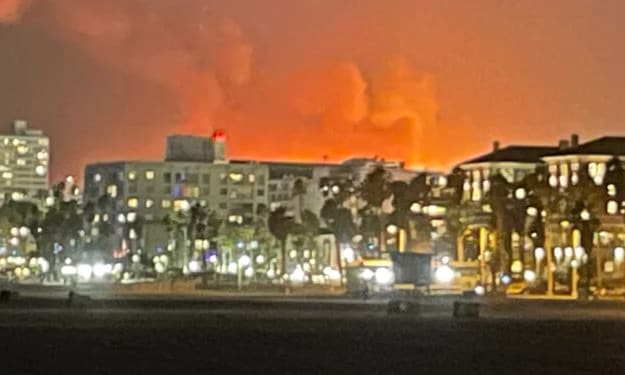
The Palisades Fire: A Sobering Reminder of Nature’s Fury
The Palisades Fire: A Sobering Reminder of Nature’s Fury Wildfires are an ever-present threat to many communities across the globe, but few events have highlighted their destructive power quite like the Palisades Fire. This blaze, which erupted in the Pacific Palisades region of California, not only wreaked havoc on the local environment but also served as a chilling reminder of the growing risks posed by climate change, urban expansion, and human negligence.
By Razia Aman2 years ago in Earth
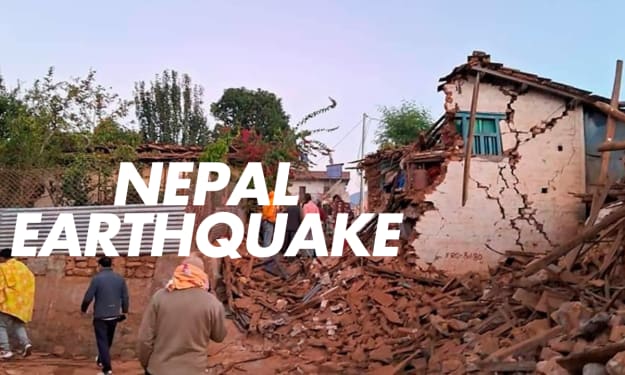
Nepal Earthquake: Stories of Resilience Amid the Tremors
Earthquakes have a way of shaking more than just the ground—they unsettle lives, disrupt peace, and test human resilience. Today’s Nepal earthquake, triggered by a powerful tremor near Tibet’s Shigatse city, brought devastation and despair. Yet, it also underscored the remarkable strength of communities in crisis, inspiring us with their resilience. Let’s look at what happened and how people are coping. Read more news on chur.
By Muhammad Shahzad Akram2 years ago in Earth
The Only Two Countries That Start with the Letter Z
When thinking about countries of the world, some letters of the alphabet are surprisingly underrepresented. The letter Z is one such rarity, with only two countries bearing its mark: Zambia and Zimbabwe. These two nations are located in Southern Africa, share historical ties, and boast distinct yet fascinating cultures, landscapes, and stories. Let’s explore what makes these countries unique and why they deserve a spot on your travel or geography bucket list. Zambia: The Land of Waterfalls and Wildlife Zambia is often called the “Land of Waterfalls,” and for good reason. The country is home to one of the world’s most spectacular natural wonders: Victoria Falls. Locally known as "Mosi-oa-Tunya," meaning "The Smoke That Thunders," this UNESCO World Heritage site lies on the Zambezi River, which forms the border between Zambia and Zimbabwe. The sight of cascading water, combined with the thundering roar and misty spray, leaves visitors in awe. Beyond Victoria Falls, Zambia offers an abundance of natural beauty. Its national parks are renowned for wildlife safaris, where visitors can spot elephants, lions, leopards, and rare species like the shoebill stork. South Luangwa National Park, often called the birthplace of walking safaris, provides an up-close and personal way to experience nature. Zambia’s culture is as vibrant as its landscapes. With over 70 ethnic groups, the country boasts a rich tapestry of traditions, languages, and music. Traditional ceremonies such as the Kuomboka Festival of the Lozi people celebrate seasonal changes and cultural heritage. Despite its diversity, Zambia is known for its peaceful coexistence, earning it a reputation as one of Africa’s most stable countries politically and socially. Zimbabwe: A Nation of Resilience and Ruins Zimbabwe, Zambia’s neighbor to the south, is a country with a rich history and incredible resilience. It derives its name from "Great Zimbabwe," the stone city ruins that serve as a testament to the country’s medieval past. These ruins, also a UNESCO World Heritage site, were once a bustling trade hub and are a source of national pride. One of Zimbabwe’s most iconic features is its wildlife and natural parks. Hwange National Park, the largest in the country, is famous for its elephant populations and diverse ecosystems. Mana Pools National Park, another UNESCO site, offers breathtaking views of the Zambezi River and opportunities for canoe safaris, game drives, and bird watching. Despite economic and political challenges in recent decades, Zimbabweans are known for their warmth and resilience. The Shona and Ndebele peoples, the largest ethnic groups, have rich traditions expressed through music, dance, and art. The mbira, a thumb piano, is a cornerstone of Shona music and has gained international recognition. Shared Histories and Connections Zambia and Zimbabwe share more than just their initial letter. Both were once part of the British colonial system and were jointly known as Rhodesia—Northern Rhodesia for Zambia and Southern Rhodesia for Zimbabwe. They gained independence in the 20th century, Zambia in 1964 and Zimbabwe in 1980. Despite diverging paths since independence, the countries maintain strong cultural and economic ties. The mighty Zambezi River is another common thread. This river, Africa’s fourth longest, not only separates the two nations but also connects them through trade, tourism, and shared resources. Victoria Falls serves as a symbol of unity and pride for both countries. Why Zambia and Zimbabwe Should Be on Your Radar These two countries offer something for every traveler. For adventure seekers, Zambia’s walking safaris and white-water rafting on the Zambezi River are unforgettable experiences. For history enthusiasts, Zimbabwe’s Great Zimbabwe ruins and colonial-era landmarks provide deep insights into the past. Both nations are also becoming increasingly accessible to international travelers, with improved infrastructure and a focus on sustainable tourism. By visiting, you not only experience their breathtaking beauty but also support local communities striving for economic growth and conservation efforts. Final Thoughts While Zambia and Zimbabwe may be the only two countries in the world that start with the letter Z, they are anything but ordinary. From the awe-inspiring Victoria Falls to the ancient ruins of Great Zimbabwe, from diverse wildlife to vibrant cultural traditions, these nations showcase the richness of Africa’s heritage and natural wonders. Whether you’re planning your next adventure or simply expanding your geographical knowledge, Zambia and Zimbabwe are sure to leave a lasting impression.
By INFO INSIDER 2 years ago in Earth
The Most Beautiful Heavy Rainfall Country in the World
Rainfall is a magical element of nature, capable of transforming ordinary terrains into extraordinary landscapes. From misty forests to vibrant waterfalls, countries with heavy rainfall are often some of the most stunning destinations on Earth. Among these, one country stands out as a true paradise for rain lovers: India, specifically the northeastern state of Meghalaya, is home to the wettest place on the planet—Mawsynram.
By Zinnat ara Begum2 years ago in Earth
Climate talks: In over half a century of discussions, many goals and very little progress.
The Stockholm Conference was attended by 113 countries and more than 400 governmental and non-governmental institutions. The main outcome of the meeting was the Declaration of the United Nations Conference on the Human Environment, which contains nineteen principles that established the basis for the new environmental agenda of the United Nations System.
By Viona Aminda2 years ago in Earth
global warming
The Weight of Tomorrow The sun dipped below the horizon, casting a golden hue over the small lakeside town where Emma and her eight-year-old daughter, Lily, lived. The gentle ripples of the water glimmered, reflecting the setting sun, as if nature herself was offering one last breathtaking display before the world continued its downward spiral.
By mohammed sani ladan2 years ago in Earth