Climate
Caring for Earth: Sustainable Actions
Caring for the Earth: Nurturing Our Planet for Future Generations Introduction: The Earth is our home, a beautiful and fragile planet that sustains all life. As stewards of this precious resource, it is our responsibility to care for and protect it. Each individual's actions, no matter how small, have a collective impact on the health and well-being of our planet. In this essay, we will explore various ways in which we can care for the Earth and ensure its sustainability for future generations. I. Environmental Awareness and Education To care for the Earth, we must first develop a deep understanding and appreciation for its ecosystems and the challenges they face. Environmental awareness and education play a crucial role in this regard. Schools, communities, and governments should prioritize environmental education to create a generation that values and respects nature. This includes teaching about climate change, biodiversity, sustainable practices, and conservation efforts. By raising awareness, we can inspire individuals to take action and make informed choices that positively impact the planet. II. Conservation and Sustainable Practices Conservation and sustainable practices are fundamental to caring for the Earth. We must strive to reduce our carbon footprint by conserving energy and using renewable resources. Adopting energy-efficient technologies, such as LED lighting and solar panels, can significantly decrease energy consumption. Additionally, practicing water conservation through methods like rainwater harvesting and efficient irrigation can help preserve this vital resource. Promoting sustainable agriculture is another critical aspect of caring for the Earth. Encouraging organic farming, permaculture, and agroforestry techniques can reduce soil erosion, promote biodiversity, and minimize the use of harmful pesticides and fertilizers. Supporting local and organic food systems can also reduce the carbon emissions associated with long-distance transportation. III. Protecting Biodiversity and Ecosystems Preserving biodiversity and protecting ecosystems are essential for the health of the planet. We must actively work to conserve and restore natural habitats, such as forests, wetlands, and coral reefs. Deforestation contributes to climate change, loss of biodiversity, and habitat destruction, so efforts should be made to promote sustainable forestry practices and reforestation initiatives. Addressing pollution is another critical aspect of protecting ecosystems. This includes reducing air pollution by promoting clean energy alternatives, controlling industrial emissions, and encouraging the use of public transportation. Additionally, reducing plastic waste and promoting recycling can help prevent the pollution of our oceans and landfills. IV. Advocacy and Policy Change Advocacy and policy change are essential for caring for the Earth on a larger scale. Individuals and communities should actively engage with policymakers, advocating for stronger environmental regulations and the adoption of sustainable practices. Support for international agreements and initiatives that address climate change, such as the Paris Agreement, can also make a significant impact. V. Environmental Stewardship in Daily Life Ultimately, caring for the Earth starts with our daily actions. Conserving resources, reducing waste, and practicing responsible consumption are all ways in which we can make a positive impact. Choosing sustainable transportation options, such as cycling or carpooling, can help reduce greenhouse gas emissions. Embracing a minimalist lifestyle and avoiding unnecessary consumption can reduce waste and contribute to a healthier planet. Caring for the Earth is a collective effort that requires individual commitment and systemic change. By increasing environmental awareness, adopting sustainable practices, protecting biodiversity, advocating for policy change, and making conscious choices in our daily lives, we can contribute to the well-being of our planet. Let us embrace our role as stewards of the Earth and work together to create a sustainable future for generations to come.
By Ella gregorio3 years ago in Earth
Unprecedented Heatwave: Exploring the Causes Behind the Record-Breaking Temperatures in the US and Canada
Introduction: What is Causing This Unprecedented Heatwave? The US and Canada have been experiencing an unprecedented heatwave this summer, with record-breaking temperatures being recorded in many cities. This extreme heat has caused a lot of concern, especially as it is still early in the season. So what is causing this unprecedented heatwave?
By Abdullah Yousuf3 years ago in Earth
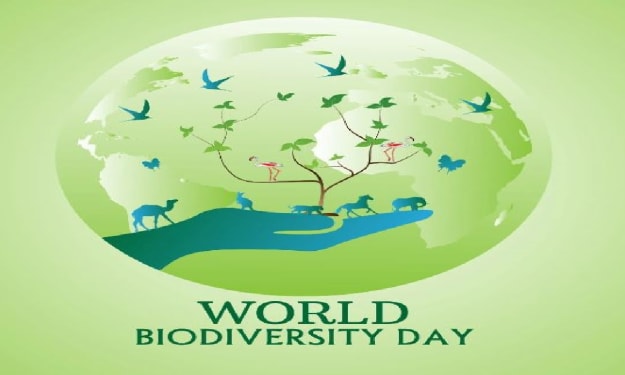
The Importance of Celebrating International Day for Biological Diversity
In our quickly developing world, it is pivotal to perceive and value the unprecedented variety of life on The planet. Global Day for Organic Variety, praised on May 22nd every year, offers a chance to ponder the meaning of biodiversity and bring issues to light about its protection. This day fills in as a sign of the multifaceted and reliant snare of life that supports us, and the earnest need to secure and reestablish our planet's organic variety.
By Eazy Practiz3 years ago in Earth
The Far-Reaching Effects of Climate Change on Human Life
Climate change is an imminent global crisis that demands our immediate attention. The gradual alteration of Earth's climate patterns poses a significant threat to human life in numerous ways. From extreme weather events to health risks and economic repercussions, the impacts of climate change are far-reaching and require urgent action. This article delves into the effects of climate change on human life, emphasizing the need for collective efforts to mitigate and adapt to these challenges.
By Tanvir Ameen3 years ago in Earth
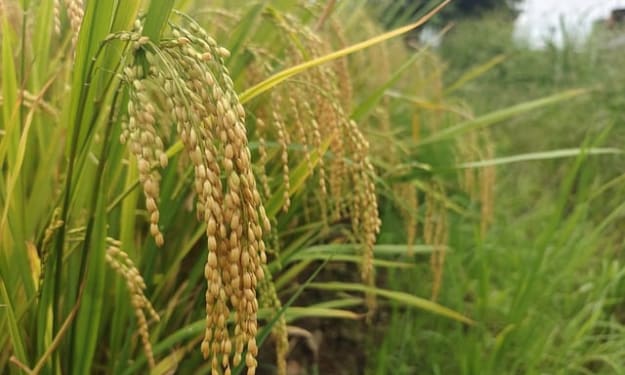
Israel accomplices Ghana to assemble environment flexibility in rice creation
Rice is a fundamental yield in West Africa and assumes an essential part in provincial food security for both country and metropolitan populaces. In 2017, rice imports from Asia represented 46% of complete rice utilization in the district, demonstrating a developing interest for rice that has dominated creation.
By Inweregbu Esther3 years ago in Earth
The End of the World
The idea of the apocalypse has intrigued people for quite a long time. Many societies have their own translations of what the apocalypse would seem to be, going from cataclysmic events to divine judgment. In mainstream society, the apocalypse is many times portrayed as a disastrous occasion that would clear out mankind and all life on The planet.
By R. Lingesh kumar3 years ago in Earth
"The Girl Who Brought Back the Rainbow:
Once upon a time, there was a small town nestled in a lush valley surrounded by rolling hills. The town was known for its vibrant community and warm, welcoming people. However, the town's greatest treasure was not its people, but the rainbow that graced the skies above it.
By SmileyIndhu3 years ago in Earth