Climate
The Green Revolution: Sustainable Practices Shaping the Future
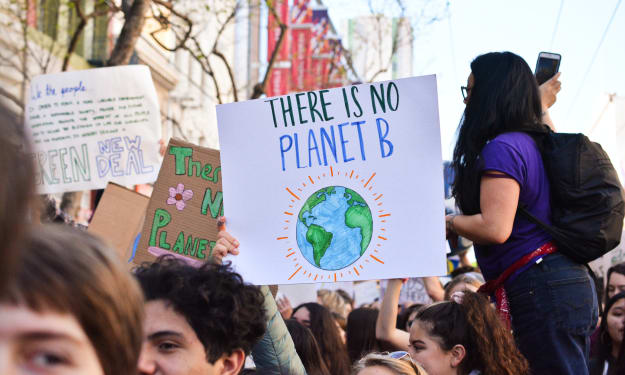
In the not-so-distant future, our planet found itself at a crossroads, teetering on the brink of environmental catastrophe. The consequences of unchecked climate change and rampant environmental degradation had become undeniable, threatening the very essence of life on Earth. In this critical moment, a beacon of hope emerged in the form of a global movement – "The Green Revolution: Cultivating a Sustainable Tomorrow."
By Robert Freeman3 years ago in Earth
5 Horrific Landfill Stories. Content Warning.
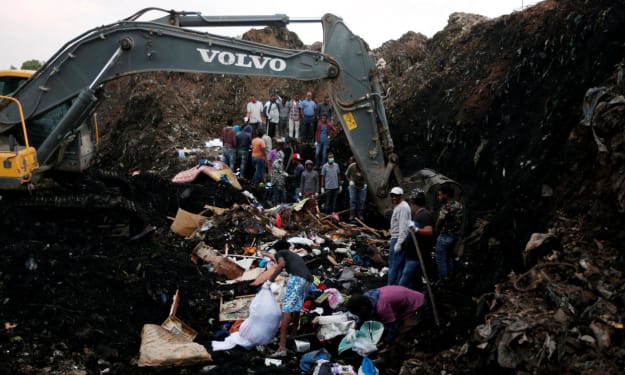
We exist in a disposable culture, with the world producing billions of tons of waste annually. Much of this waste finds its way to landfill sites, designated areas for the disposal of unwanted items. While these sites are far from ideal, emitting unpleasant odours, toxins, and posing environmental challenges, they are deemed a necessary evil for managing the waste we struggle to handle. In this exploration, we will delve into some unsettling real-life narratives involving landfills—prepare yourself for some disturbing tales.
By Jackie Jay3 years ago in Earth
The Impact of Winter on the Environment. Content Warning.
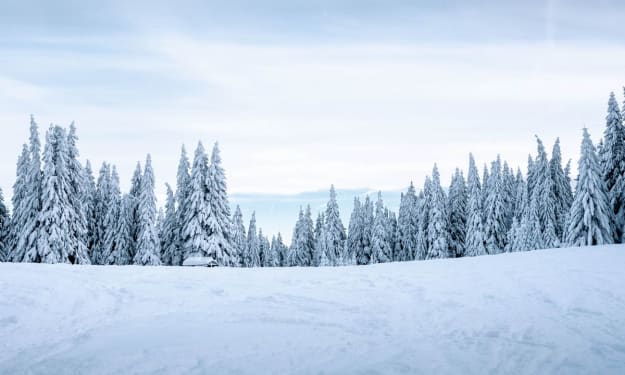
The Impact of Winter on the Environment Winter, with its cool temperatures, snowfall, and cold scenes, achieves massive changes to the climate. The season affects different environments, natural life, and human exercise differently. Understanding the effect of winter on the climate is critical for creating procedures to alleviate expected adverse results and adjusting to the occasional changes.
By Engr kawsar Ahmed3 years ago in Earth
A Device That Could Reforest Earth
This is a tiny, self-propelling wooden robot made of a single material that has the potential to completely change the face of the planet. If you place it on the ground, it will begin to bury itself slowly, attach a seed, and you could use it to replant forests all over the world. It's an amazing design that could also have a significant impact on energy harvesting, soft robotics, and sustainable building practices. But what exactly is it? Hygromorphs—structures that alter shape in response to humidity, such as pine cones whose scales automatically close when they get wet—were the original source of inspiration for its development.
By Kelly Johnson3 years ago in Earth
ECHOES OF THE REDWOOD
In the heart of Northern California, nestled within the ancient redwood forest, Emma found solace. Towering trees whispered tales of resilience and time, grounding her in a world that seemed increasingly fragile. The world had always been fragile for Emma, but it took a singular event to transform her concern into a fervent activism that would redefine her life.
By twene raymond3 years ago in Earth
Taking action against climate change to create a sustainable future . Content Warning.
A comprehensive and coordinated effort is desperately needed to reduce and eventually stop climate change in light of the rapidly worsening climate disaster. Rising sea levels and more frequent and severe weather occurrences are two signs that the globe is warming. We must move decisively to reduce glasshouse gas emissions, save biodiversity, and promote international collaboration if we hope to ensure a sustainable future for future generations. This essay provides a road map for addressing climate change by highlighting both personal and societal accountability below
By Edward Taiwo3 years ago in Earth
Why Australians Are Forced To Live Underground
Embark on a journey along an expansive road leading to Central Australia, approximately 527 kilometres north of Adelaide, and witness the emergence of mysterious sand pyramids from the landscape. This enigmatic sight unfolds in the vicinity of Coober Pedy, a distinctive opal mining town with a population of around 2,200, situated in an environment that conjures images of a post-apocalyptic scene. Salmon-pink dust stretches endlessly, interrupted only by tenacious shrubs that defy the harsh surroundings.
By Jackie Jay3 years ago in Earth
The Dark Truth In the Antarctic . Content Warning.
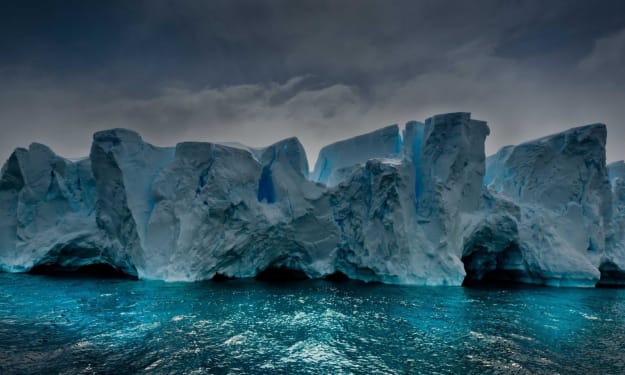
We've all fantasized about experiencing the Arctic's natural marvels, such as polar bears playing on ice floes or the Aurora Borealis illuminating the sky. However, I regret to inform you that you won't find tourists flocking to Antarctica anytime soon. Why, you ask? Let's delve into it.
By Jackie Jay3 years ago in Earth
The Rise of Sustainable Aviation Fuel (SAF). Content Warning.
In the fast-paced world of aviation, where planes crisscross the skies to connect people and cultures, there is a growing awareness of the environmental impact of traditional aviation fuels. As concerns about climate change intensify, the aviation industry is actively seeking solutions to reduce its carbon footprint. One promising avenue gaining momentum is the development and utilization of Sustainable Aviation Fuel (SAF). In this article, we will explore the ins and outs of SAF, its significance, and the latest trends shaping its future.
By Morgan Everly3 years ago in Earth
What Is Happening At The Bottom of The Sea
A ship was dispatched by a Canadian mining corporation in 2012 to investigate this isolated region of the Pacific Ocean. The Clarion-Clipperton Zone is located a few hundred miles southeast of Hawaii. A vast deposit of minerals and metals valued at billions of dollars is hidden thousands of meters below the ocean's surface. These are essential for everything. such as computers, phones, jet engines, stainless steel automobile engines, and electrical wiring. Thus far, the world's land-based mineral reserves have sufficed to meet human demands. Our needs, however, are evolving. We require clean energy to completely decarbonize. And in order to get there, we need up to six times as many metals. Estimates indicate that the Clarion-Clipperton Zone contains more of these metals.more than the total of these deposits on land. For this reason, the Canadian business is not by itself. There are currently sixteen more expedition ships, representing different nations and private businesses. they are racing towards the ocean floor. The decision of which of them is the first to mine the deep sea will be made by a little-known UN body that is now debating two important issues. Does seabed mining cause irreversible environmental harm, and is it worth it in the fight against climate change? And should a few countries benefit financially from a common natural resource. only due to the fact that they arrived first? In 1958, the UN started drafting the rules of the sea. They ultimately came to the conclusion that their sovereignty extends 12 miles offshore from a country's shoreline.Their exclusive economic zone, which is 200 miles away, is where the nation can mine, drill for oil and gas, and engage in fishing. However, a total of 72% of the deep ocean is unclaimed territory for any one nation. They just refer to it as The Area, and it has become humankind's shared legacy. That is the location of the Clarion-Clipperton Zone, which is rich in minerals. Since the British HMS Challenger sailed around the entire globe in the 1870s to survey the ocean, we have been aware of this metallic richness. Explorers reported discovering multiple unusual black oval bodies that they had pulled up from the seafloor when they were over the Pacific.These were apple-sized boulders that were rich in metals including nickel, cobalt, and manganese. Metals have been found in three distinct types of deposits on the world's seafloor by oceanographers. They are situated in what resemble submerged hot springs—hydrothermal vents. embedded in the peaks and valleys of underwater mountains. was discovered on the seafloor as rocks scattered across large, level fields. These are concentrated in the base of the Clarion-Clipperton zone, where they are most plentiful. Multinational corporations were preparing to mine the ocean floor for industrial purposes such electrical wiring, stainless steel, and fertilizer in the 1960s and 1970s after learning about these discoveries. Businesses from the US, Australia, the Soviet Union, China, and Japan,Some countries from Europe landed in the Clarion-Clipperton region. In addition to testing mining machinery, they captured some of the earliest images of the seafloor's rocks. The Maltese representative to the UN delivered a crucial address during this initial period of anarchy at sea, cautioning against replicating the errors of colonialism. According to him, the race would keep the majority of the world's resources exclusively for the advantage of a small number of countries. It would make the affluent richer and the strong stronger. "Those who support it, please click the green button." Consequently, the United Nations gathered in 1982 to draft further rules of the sea, which were signed by more than 100 nations and included three key requirements for mining in the region. No matter where it is, it must be for the good of all humankind. Take into account the unique requirements and interests of developing nations. and guarantee the preservation of the maritime ecosystem. In Kingston, Jamaica, they established the International Seabed Authority, or ISA, to enforce these new regulations. Each nation that ratified the laws of the sea would become an ISA member. That figure now stands at 168, including the European Union. Out of these, 36 nations are chosen every few years to consider applications for deepwater mining. A nation must apply through this council for an exploration contract before it is granted authorization to mine. When the council approves an application, it grants the applicant 75,000 square kilometers of deep sea. To be fair, it reserves a portion of equal value for a developing country to claim. However, other countries or businesses can gain access to this restricted area by collaborating with developing countries. That's how this ship ended up in this location in 2012. The Metals Company is based in Canada, but they sought sponsorship from the tiny Pacific Island nation of Nauru. They applied for an exploration contract together, and the company gained access to Nauru's reserved area. The Metals Company received sponsorship from two more Pacific islands, Kiribati and Tonga, in 2015 and 2020.
By Jackie Jay3 years ago in Earth