Climate
Stranded in the storm
## Stranded in the Storm: The Emotional Impact of Hurricane Beryl on the Indian Cricket Team In early July 2024, as the Indian cricket team was gearing up for an anticipated series in the West Indies, nature had other plans. Hurricane Beryl, a rapidly intensifying storm, was on a collision course with the Caribbean. What was supposed to be a routine tour turned into an emotional odyssey that tested the resilience and fortitude of the players and staff. ### The Calm Before the Storm The Indian team had arrived in Barbados amid excitement and high expectations. The picturesque island, known for its vibrant culture and stunning beaches, was the perfect setting for both cricket and relaxation. Players were looking forward to both the matches and exploring the local attractions during their downtime. Captain Rohit Sharma had just wrapped up a strategy session with his teammates, and the mood was light-hearted. Sanjana Ganesan, a well-known sports presenter and the wife of star bowler Jasprit Bumrah, was also there, documenting the journey for fans back home. Little did they know that their plans were about to be drastically altered. ### The Warning News of Hurricane Beryl’s formation reached the team just as they were settling into their hotel. Initially, there was a sense of disbelief. Hurricanes were not uncommon in the Caribbean, but the intensity and rapid escalation of Beryl were alarming. Local authorities issued warnings, advising everyone to take immediate precautions. As the gravity of the situation set in, the hotel management and local authorities sprang into action, ensuring that all guests, including the Indian cricket team, were informed and prepared. The hotel became a temporary fortress, with windows boarded up and emergency supplies stocked. ### The Waiting Game The hours leading up to Beryl’s landfall were filled with anxiety and tension. The team was confined to the hotel, their routines disrupted and minds preoccupied with thoughts of safety. Sanjana captured a poignant moment that resonated deeply: a photo of Jasprit Bumrah looking out of the window, the storm clouds gathering ominously outside. His usually calm demeanor was replaced with a look of uncertainty and worry, a sentiment shared by his teammates. The players, accustomed to dealing with pressure on the field, now faced a different kind of stress. Concerns about their families back home, the potential destruction of the storm, and the uncertainty of when they could resume their tour weighed heavily on their minds. The camaraderie that defines the spirit of cricket extended beyond the field as players and staff supported each other, sharing stories, cracking jokes, and trying to keep spirits high. ### The Storm Hits When Beryl finally made landfall, it brought with it torrential rains, howling winds, and a sense of dread. The hotel shook with the force of the storm, and the players, huddled in their rooms, could hear the relentless battering outside. Despite the fear, they found strength in unity. They checked on each other constantly, ensuring everyone was safe and managing to stay calm amid the chaos. Sanjana continued to document the experience, sharing updates on social media to keep fans informed. Her posts became a lifeline for supporters worldwide, who anxiously awaited news. Messages of support and prayers flooded in, providing a much-needed morale boost for the team. ### A Night of Reflection As the storm raged on, the team found themselves in a rare moment of vulnerability. Conversations that night were deeply personal. Virat Kohli, known for his fierce determination, spoke about his daughter and the fear of not being there for his family. Rohit Sharma shared stories of past adversities, drawing parallels to the current situation. The shared experience brought the team closer, forging bonds that would last a lifetime. ### The Morning After When the storm finally subsided, the island of Barbados bore the scars of Beryl’s wrath. Trees were uprooted, buildings damaged, and streets flooded. The hotel had managed to withstand the worst of it, but the devastation outside was a stark reminder of nature’s uncontrollable power. The team ventured out cautiously, witnessing the destruction firsthand. The sight of locals beginning the arduous task of cleanup and recovery was both heart-wrenching and inspiring. Despite their own ordeal, the players felt a deep sense of gratitude for their safety and a renewed respect for the resilience of the human spirit. ### Community and Compassion The local community in Barbados played a crucial role in the aftermath of the hurricane. Offers of assistance and hospitality poured in, and the Indian team was deeply moved by the generosity and kindness they encountered. The team members, in turn, did what they could to help, whether it was providing food, sharing supplies, or simply offering words of encouragement. Sanjana’s updates continued, now focusing on the efforts to rebuild and the stories of hope and solidarity that emerged from the wreckage. Her posts highlighted the spirit of compassion and unity, resonating with fans and followers worldwide. ### A New Perspective As the Indian cricket team eventually resumed their tour, the experience of Hurricane Beryl left an indelible mark on their hearts and minds. The storm had been a powerful reminder of the fragility of life and the importance of solidarity in the face of adversity. The players returned to the field with a renewed sense of purpose. Their encounters with the people of Barbados, their shared moments of fear and hope, and their reflections during the storm had transformed them. Cricket, once again, became a unifying force, a way to bring joy and normalcy back to their lives and to the lives of those affected by the hurricane. ### Gratitude and Moving Forward In the months that followed, the team continued to support relief efforts in the Caribbean, raising funds and awareness for the ongoing recovery process. Their bond with the people of Barbados remained strong, a testament to the connections forged in times of crisis. Sanjana’s documentation of the experience was compiled into a heartfelt memoir, capturing the emotional journey of the team and the resilience of the Barbadian community. It served as a reminder of the strength found in unity and the enduring power of the human spirit. Hurricane Beryl had tested the Indian cricket team in ways they had never imagined. It brought them face to face with their vulnerabilities, but also with their capacity for compassion and resilience. The storm’s impact was not just physical but emotional, shaping their perspectives and strengthening their resolve. As they moved forward, the memories of those days in Barbados remained a source of inspiration. The experience had shown them that even in the darkest of times, there is light to be found in the kindness of strangers, the support of friends, and the unbreakable spirit of a community united in hope.
By Drake molb2 years ago in Earth
Unprecedented Heat Wave in California: Deaths, Fires, and Record-High Temperatures . AI-Generated.
An intense heat wave is gripping California and much of the Western United States, setting new records and causing widespread distress. This early-season heat wave is far from over, with triple-digit temperatures expected to persist for another week, exacerbating health risks and wildfire threats across the region.
By sahbi online2 years ago in Earth
What will happen in the future?
Climate Change: One of the most pressing issues is climate change. If current trends continue, Earth's temperature will likely rise significantly, leading to more frequent and intense heatwaves, storms, and sea-level rise. Mitigation efforts such as reducing greenhouse gas emissions and adopting renewable energy sources are crucial to minimizing these impacts.
By Obaid Hikmat2 years ago in Earth
The McQuilken Brothers and the 1975 Lightning Strike
On a summer day in August 1975, two brothers, Michael McQuilken, 18, and Sean McQuilken, 12, set out on an adventure to climb Moro Rock in California's Sequoia National Park. Unbeknownst to them, this day would go down in history not for their climb, but for a dramatic and near-fatal encounter with one of nature's most powerful forces—lightning. Moments before being struck, the brothers posed for a photo, capturing a seemingly innocent moment that would soon turn into a harrowing experience. This blog post delves into the details of that fateful day, the photo that became iconic, and the aftermath of the lightning strike. The Climb Up Moro Rock Moro Rock, a granite dome rock formation in Sequoia National Park, is a popular hiking destination known for its breathtaking views. On that August day, the McQuilken brothers, along with their sister Mary and a family friend, decided to climb the rock. The hike, which typically offers panoramic views of the Sierra Nevada, seemed like a perfect adventure for the young siblings. As they ascended, the weather began to change. The sky darkened, and the air grew heavy with an impending storm. Despite the ominous signs, the group continued their climb, unaware of the danger that lay ahead. The Moment Before the Strike When they reached near the top of Moro Rock, the McQuilken brothers noticed something unusual. Their hair began to stand on end, a phenomenon caused by the ionization of the air—a clear sign of an imminent lightning strike. Intrigued and amused, they paused to take a photo, capturing the eerie moment. The photograph shows Michael and Sean with their hair standing up, laughing and pointing at each other, oblivious to the deadly threat that was seconds away. The Lightning Strike Moments after the photo was taken, a bolt of lightning struck the area. The powerful electric discharge hit the boys, sending them into shock and causing severe injuries. Sean McQuilken was knocked unconscious, and Michael was also significantly impacted. The strike was so intense that it left burn marks on their bodies and damaged their clothing. Their sister Mary and the family friend were also affected by the strike but to a lesser extent. The lightning bolt that hit the McQuilken brothers was part of a sudden and severe storm that caught many visitors to Sequoia National Park off guard. Immediate Aftermath In the immediate aftermath of the strike, the group was in a state of shock and disorientation. Park rangers and other hikers quickly came to their aid, helping to stabilize the injured and get them to safety. The McQuilken brothers were transported to a nearby hospital where they received treatment for their injuries. Despite the severity of the incident, both Michael and Sean survived. The photograph taken moments before the strike quickly gained attention, serving as a stark reminder of the unpredictable and dangerous nature of lightning. It became an iconic image, often used in safety campaigns to educate the public about the signs of an impending lightning strike and the importance of seeking shelter. The Science Behind Lightning Strikes Lightning is a natural electrical discharge that occurs during thunderstorms. It is caused by the buildup of electrical charges in the atmosphere, typically between the cloud and the ground. When the electrical potential becomes too great, a bolt of lightning forms, traveling at incredible speeds and generating immense heat. The phenomenon of hair standing on end, experienced by the McQuilken brothers, is a result of the ionization of the air. As the electric field around them intensified, it caused the hairs on their heads to rise, a warning sign of an imminent strike. Unfortunately, by the time they noticed this sign, it was already too late to take cover. Lessons Learned The McQuilken brothers' experience highlights several important lessons about lightning safety. First and foremost, it underscores the importance of recognizing the signs of an impending lightning strike. When hair stands on end or you hear a buzzing sound, it is crucial to seek shelter immediately, as these are clear indicators that a lightning strike is imminent. Additionally, it serves as a reminder to always pay attention to weather conditions, especially when engaging in outdoor activities in mountainous or exposed areas. Thunderstorms can develop rapidly, and being caught in the open during such a storm can be extremely dangerous. Finally, the story of the McQuilken brothers emphasizes the importance of public education and awareness. By sharing their story and the iconic photograph, they have contributed to increased awareness about lightning safety and the need to take such threats seriously. The McQuilken Brothers Today Decades after the incident, Michael McQuilken has reflected on that fateful day and the impact it had on his life. In interviews, he has spoken about the importance of understanding and respecting the power of nature. The experience left a lasting impression on him, shaping his perspective on life and safety. The iconic photograph of the McQuilken brothers serves as a powerful reminder of the unpredictable and often dangerous forces of nature. It is a testament to their survival and resilience, as well as a cautionary tale for future generations. The story of Michael and Sean McQuilken is not just about a lightning strike; it is about the awe-inspiring and sometimes terrifying beauty of the natural world and the importance of being prepared and aware. In conclusion, the McQuilken brothers' experience on Moro Rock in August 1975 is a compelling narrative of survival against the odds. Their story, captured in a single, eerie photograph, continues to resonate, educating and reminding us all of the raw power of nature and the importance of safety and awareness in the face of its unpredictable forces.
By Deji Akomolafe2 years ago in Earth
Weather's condition
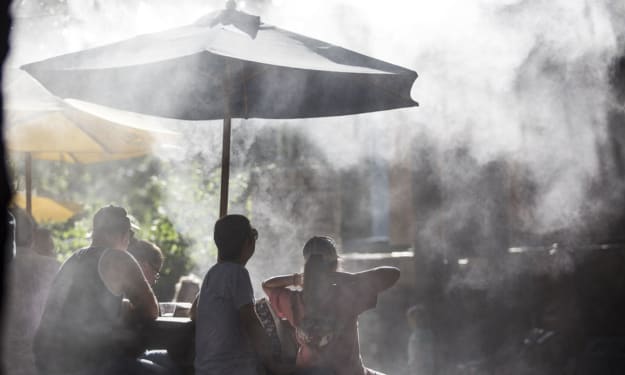
### Enduring the Heat: Houston's Summer Struggle In the heart of Houston, the summer of 2024 arrived with a vengeance. The city was already bracing for the season's notorious heat, but nothing could have prepared its residents for the intensity that came with it this year. The relentless sun seemed to hang perpetually at its zenith, casting an oppressive heat that gripped the city in a relentless embrace. Maria Hernandez felt the weight of the heat every morning as she stepped out of her modest home in the East End. A single mother of two, Maria worked two jobs to make ends meet—one as a cashier at a local grocery store and the other as a cleaner at a downtown office building. Each day began with the same ritual: checking on her children, ensuring they were hydrated and ready for the day ahead, before embarking on her exhausting commute. The air was thick with humidity, making it hard to breathe. Maria could feel the heat rising from the pavement through the soles of her worn-out shoes as she walked to the bus stop. The bus ride was no better; the old vehicle’s air conditioning struggled to combat the searing temperatures, leaving passengers drenched in sweat and silently yearning for relief. At the grocery store, the air conditioning was a saving grace, though it barely kept the stifling heat at bay. Maria's colleagues were all in the same boat—exhausted, drained, and constantly seeking moments of respite in the walk-in freezers. Customers, too, were visibly affected, their tempers flaring over minor inconveniences as the oppressive heat took its toll on everyone's patience. After her shift ended, Maria had a brief window of time to check on her children before heading to her second job. The kids, Jorge and Elena, were resilient but clearly struggling. The family’s small window unit air conditioner was a lifeline, but it couldn't cool their tiny apartment sufficiently. They spent much of the day in the shaded courtyard of their apartment complex, where a makeshift sprinkler provided a bit of relief. The journey downtown was a daily ordeal. Houston’s public transportation system was stretched to its limits, and the heat exacerbated the usual delays and breakdowns. Maria often found herself standing in sweltering bus shelters, the shade offering little comfort against the relentless sun. When she finally arrived at the office building, the air conditioning inside was a stark contrast to the scorching streets outside, and Maria cherished those hours of relative cool. Yet, even in this challenging environment, Maria and her children found moments of joy and community. Their neighbors, also grappling with the heat, came together to share resources and support one another. Community centers opened their doors as cooling shelters, offering water and a respite from the heat. Maria would often take her children there after work, where they met other families and found solace in the shared struggle. Despite the hardship, the summer brought out the best in Houston’s residents. Volunteers distributed bottled water to the homeless and checked on the elderly who were particularly vulnerable to the extreme temperatures. Local businesses set up misting stations and offered free water to passersby. The city’s resilience and sense of community shone through the haze of heat and humidity. One evening, as Maria sat with her children in the cooling center, she reflected on their summer struggle. Jorge and Elena were playing with new friends, their laughter a comforting sound amidst the hum of the air conditioning. Maria knew that while the heat was an overwhelming force, it was their community’s strength and solidarity that would carry them through. She thought about her neighbors—Ms. Johnson, who always had a kind word and a glass of lemonade ready; Mr. Lee, who rigged up a makeshift shade structure in the courtyard for the children to play under; and all the volunteers who tirelessly worked to ensure everyone had what they needed. These small acts of kindness were lifelines in the scorching summer, weaving a tapestry of resilience and hope. As the sun set on another blistering day, Maria felt a sense of gratitude. The heat was unyielding, but so was the spirit of Houston. Together, they would endure, adapt, and find ways to thrive. The struggle against the summer’s oppressive heat was not just about survival—it was a testament to the strength of their community and the bonds that held them together. In the face of such extreme weather, Maria realized that it was the people who made Houston home. Their collective efforts, their unwavering support for one another, and their shared experiences of hardship and joy were what truly defined the city. And as long as they had each other, no amount of heat could break their spirit.
By Drake molb2 years ago in Earth
How Reversing Earth's Rotation Would Change Our Planet. AI-Generated.
Stand on the equator, and you will be moving at 1,670 kilometers per hour, quicker than the speed of sound. That's how rapidly Earth rotates on its axis from west to east, and this rotation is largely responsible for the distribution of every desert, forest, and swamp on the planet.
By Abida Awais2 years ago in Earth
AIR
The Vital Role of Air Air is an invisible, omnipresent substance that plays a crucial role in sustaining life on Earth. Although it often goes unnoticed, its composition, properties, and the effects it has on the environment and human health are significant. This essay explores the multifaceted nature of air, delving into its composition, importance to living organisms, impact on climate, and the challenges posed by air pollution. Composition of Air Air is a mixture of gases that envelops our planet. The primary components of air are nitrogen (approximately 78%) and oxygen (around 21%). These two gases make up the bulk of the atmosphere. The remaining 1% comprises argon, carbon dioxide, neon, helium, methane, krypton, and hydrogen, along with trace amounts of other gases. Additionally, air contains water vapor, which varies in concentration depending on the location and weather conditions. Nitrogen, being the most abundant gas, is relatively inert and plays a crucial role in the nitrogen cycle, which is vital for the synthesis of amino acids and proteins in living organisms. Oxygen, essential for respiration, supports life by enabling the process of cellular respiration, where organisms convert glucose into energy. The small proportion of carbon dioxide in the air is also significant, as it is a key component of photosynthesis in plants and helps regulate the Earth's temperature through the greenhouse effect. Importance to Living Organisms Air is indispensable to all forms of life. For humans and animals, breathing is a fundamental process that supplies oxygen to the body and removes carbon dioxide. Oxygen is transported by the bloodstream to cells, where it is used to produce energy through the metabolic process known as cellular respiration. Without a constant supply of oxygen, cells would be unable to function, leading to the cessation of life. Plants, on the other hand, rely on carbon dioxide in the air for photosynthesis, a process by which they convert light energy into chemical energy. During photosynthesis, plants absorb carbon dioxide and release oxygen, thus maintaining the balance of gases in the atmosphere. This symbiotic relationship between plants and animals is crucial for sustaining life on Earth. Air also plays a role in the dispersion of seeds and pollen, facilitating plant reproduction and biodiversity. Additionally, various microorganisms, such as bacteria and fungi, depend on air for their survival and contribute to ecological processes like decomposition and nutrient cycling. Impact on Climate Air is a significant component of the Earth's climate system. The atmosphere acts as a blanket, trapping heat and maintaining the planet's temperature within a range suitable for life. This natural greenhouse effect is driven by gases such as carbon dioxide, methane, and water vapor, which absorb and emit infrared radiation, keeping the Earth's surface warm. However, human activities have significantly altered the composition of the atmosphere, leading to an enhanced greenhouse effect and global warming. The burning of fossil fuels, deforestation, and industrial processes have increased the concentration of greenhouse gases, resulting in a rise in global temperatures. This warming has far-reaching consequences, including melting ice caps, rising sea levels, extreme weather events, and shifts in ecosystems and biodiversity. Challenges of Air Pollution While air is essential for life, it can also be a carrier of pollutants that pose serious health and environmental risks. Air pollution is a major global concern, with both natural and anthropogenic sources contributing to the degradation of air quality. Natural sources of air pollution include volcanic eruptions, wildfires, and dust storms, which release particulate matter and gases into the atmosphere. However, human activities are the primary drivers of air pollution. Industrial emissions, vehicle exhaust, agricultural practices, and the burning of fossil fuels release pollutants such as sulfur dioxide, nitrogen oxides, carbon monoxide, volatile organic compounds, and particulate matter. One of the most significant air pollutants is particulate matter (PM), which consists of tiny particles suspended in the air. PM can penetrate deep into the respiratory system, causing health issues such as respiratory infections, cardiovascular diseases, and lung cancer. Fine particulate matter (PM2.5) is particularly harmful due to its small size and ability to reach the alveoli in the lungs. Ground-level ozone is another harmful pollutant formed by the reaction of sunlight with pollutants like nitrogen oxides and volatile organic compounds. It can cause respiratory problems, exacerbate asthma, and reduce lung function. Long-term exposure to high levels of ozone can lead to chronic respiratory diseases and decreased life expectancy. Mitigating Air Pollution Addressing air pollution requires concerted efforts at individual, community, national, and global levels. Governments and organizations play a crucial role in implementing policies and regulations to reduce emissions from industrial and vehicular sources. Measures such as promoting clean energy, improving fuel standards, and implementing emission control technologies can significantly improve air quality. At the individual level, adopting sustainable practices can contribute to cleaner air. Using public transportation, reducing energy consumption, recycling, and supporting green initiatives are some ways individuals can reduce their carbon footprint and contribute to better air quality. In addition to regulatory measures, raising awareness about the health impacts of air pollution and promoting research on cleaner technologies are essential steps in mitigating air pollution. Investing in renewable energy sources, such as solar and wind power, can reduce reliance on fossil fuels and decrease the emission of harmful pollutants. Conclusion Air, though invisible, is a vital component of the Earth's ecosystem, supporting life and regulating the climate. Its composition and properties make it indispensable for respiration, photosynthesis, and various ecological processes. However, human activities have significantly impacted air quality, leading to pollution and climate change. Addressing these challenges requires a collective effort to reduce emissions, promote sustainable practices, and invest in clean technologies. By understanding the importance of air and taking proactive measures, we can ensure a healthier environment and a sustainable future for generations to come. If you need any adjustments or additional details on specific aspects, feel free to let me knowof gases surrounding our planet, is fundamental to life on Earth. Its composition, role in ecological balance, and influence on the environment underscore its importance. This essay delves into the nature of natural air, highlighting its components, functions, and the delicate balance it maintains to sustain life. Composition of Natural Air Natural air primarily consists of nitrogen (78%) and oxygen (21%), with the remaining 1% comprising argon, carbon dioxide, neon, helium, methane, krypton, hydrogen, and trace amounts of other gases. Water vapor, another variable component, contributes to weather patterns and the hydrological cycle. Nitrogen, an inert gas, plays a crucial role in the nitrogen cycle, which is essential for the production of amino acids and proteins in living organisms. Oxygen, vital for respiration, supports life by enabling cells to produce energy. The small proportion of carbon dioxide in natural air is significant for photosynthesis, the process by which plants convert light energy into chemical energy, releasing oxygen and absorbing carbon dioxide. Role in Ecological Balance Natural air is indispensable for the survival of all living organisms. For animals, including humans, oxygen is essential for respiration. During respiration, oxygen is inhaled into the lungs, transported by the bloodstream to cells, and used to generate energy through the process of cellular respiration. This process releases carbon dioxide as a byproduct, which is then exhaled. Plants rely on carbon dioxide for photosynthesis. During this process, they absorb carbon dioxide from the air and use sunlight to convert it into glucose, a form of chemical energy. Oxygen is released as a byproduct, which replenishes the oxygen supply in the atmosphere. This symbiotic relationship between animals and plants helps maintain the balance of gases in the air. Air also facilitates the dispersal of seeds and pollen, promoting plant reproduction and biodiversity. Additionally, various microorganisms in the soil and water depend on natural air for their metabolic processes, contributing to nutrient cycling and ecosystem health. Influence on the Environment Natural air plays a significant role in regulating the Earth's climate. The atmosphere acts as a blanket, trapping heat and maintaining temperatures within a range suitable for life. Greenhouse gases like carbon dioxide, methane, and water vapor absorb and emit infrared radiation, contributing to the greenhouse effect that keeps the planet warm. However, the delicate balance of natural air can be disrupted by human activities. Industrial emissions, deforestation, and the burning of fossil fuels increase the concentration of greenhouse gases, enhancing the greenhouse effect and leading to global warming. This warming has profound impacts on weather patterns, sea levels, and ecosystems. Natural air also contains aerosols, tiny particles suspended in the atmosphere, which can influence climate by reflecting or absorbing sunlight. These particles can originate from natural sources such as volcanic eruptions, sea spray, and dust storms, and they play a role in cloud formation and precipitation. Conclusion Natural air is a complex and dynamic mixture of gases that sustains life and regulates the environment. Its composition and properties are essential for respiration, photosynthesis, and ecological balance. Understanding the importance of natural air and protecting its quality is crucial for maintaining the health of our planet and ensuring the well-being of all living organisms. As we continue to explore and utilize Earth's resources, it is imperative to recognize the value of natural air and take measures to preserve its purity for future generations. If you need any further update
By Goleti thirumal 2 years ago in Earth
No, We Are Not Running Out of Freshwater!
We often find ourselves confronted with alarmist predictions about resource depletion, particularly concerning oil. We were told that peak oil was reached in the mid-2000s, yet producing countries subsequently increased their output, suggesting they had deliberately underestimated their reserves to inflate prices. This unexpected abundance of oil has had the effect of slowing advancements in other forms of energy, such as nuclear fusion.
By Massinissa Amrane2 years ago in Earth
On The Wild Lawn
Introduction I am not a gardener, not even slightly proficient, so all I say in this piece needs to be taken with a large pinch of salt. I have lived here for close to twenty-five years and in that time, after the initial relaying, the lawn has never been re-laid. You can see what it was like after I mowed it on July 7th 2024 in the main image.
By Mike Singleton 💜 Mikeydred 2 years ago in Earth
The Riskiest Jobs In the World
Workers around the globe put their lives at risk to produce the goods we use every day. In Indonesia, laborers mine sulfur from an active volcano, exposing themselves to toxic gases. The daily wages, the personal protective clothes, other basic supplies, and drinking water have been an issue in these places for decades now. As such small and deep cut injuries have occurred and when it does it's never reported. The government and NGO with other civil organizations in each respective country know about it yet turn a blind eye to processes and events from time to time. The government is pretending not to see, and the mine owners are also pretending the mine is not theirs, and if even it is theirs, the mines aren't working for them. The poor miners work hard as the rich countries and individuals reap the blessings and benefits of their sweat.
By Isaac Ekow Anyidoho2 years ago in Earth