Climate
Switzerland Tour Guide: Discover the Heart of Europe’s Alpine Gem
Nestled in the heart of Europe, Switzerland is a dream destination that effortlessly blends natural beauty, modern innovation, and timeless tradition. With its soaring alpine peaks, crystal-clear lakes, charming villages, and cosmopolitan cities, Switzerland offers something for every kind of traveler. Whether you’re an adventure enthusiast, a history buff, a food lover, or someone simply seeking serene landscapes, a guided tour through Switzerland is the perfect way to uncover its many treasures.
By Fazly Rabbi Taimurabout a year ago in Earth
9 Coolest Georgia Towns for a Summer Vacation in 2025
Georgia is full of small towns brimming with charm, history, and natural beauty. While cities like Atlanta and Savannah often steal the spotlight, the Peach State’s hidden gems are just as captivating—especially in the summer. From hiking wooded trails to soaking up local culture, these towns offer unforgettable experiences for every type of traveler. Love the outdoors? Tallulah Falls has a jaw-dropping gorge and waterfalls. Do you like the beach vibe? The sandy shores and historic lighthouse of Tybee Island await. Whether you’re into history, nature, or just discovering cool new spots, Georgia’s got something for everyone. Consider these nine of the coolest towns, all of which have fewer than 50,000 residents, for your summer vacation in 2025. Get on the road and pack your belongings—these hidden gems are just waiting to be discovered!
By Tamanna Limaabout a year ago in Earth
Two Meteor Showers Are About to Rock the Night Sky!. AI-Generated.
Skywatchers and stargazers, mark your calendars: the night sky is about to put on a dazzling double feature with the Lyrids and Eta Aquariids meteor showers arriving in quick succession. These back-to-back displays promise shooting stars, bright fireballs, and unforgettable moments—especially if you’re lucky enough to catch them from a dark location.
By Md. Saidul Islam Sanjidabout a year ago in Earth
Islands of the Ocean in World
Islands of the Ocean in World The vast blue oceans of our planet hold countless islands each with its own unique story. These landmasses rising from the watery depths are like nature’s experiments in isolation and adaptation. From towering volcanic peaks to flat coral atolls islands come in many forms and sizes. They are home to strange creatures rare plants and cultures found nowhere else on Earth.
By Arsalan Khanabout a year ago in Earth
Climate Change and Conflict: The War-Driven Environmental Crisis in the Middle East
The Middle East, a region already grappling with severe climatic challenges, is witnessing an escalating environmental crisis, exacerbated by ongoing conflicts. While climate change is a global issue, its effects are particularly pronounced in the Middle East, where wars have not only deepened political instability but have also intensified the environmental degradation of the land. The destructive consequences of armed conflict, when coupled with climate change, create a vicious cycle of instability that affects millions of people, particularly in countries like Syria, Iraq, Yemen, and others. The Climate Crisis in the Middle East The Middle East is one of the most vulnerable regions to climate change, experiencing extreme temperatures, scarce water resources, and prolonged droughts. Rising temperatures, dwindling water supplies, and increased desertification threaten agriculture, food security, and human livelihoods. The region is already characterized by arid and semi-arid environments, and the impact of climate change only accelerates these conditions. By 2050, projections suggest that parts of the Middle East could become uninhabitable due to extreme heat, further stressing already fragile ecosystems and human populations. Water scarcity is one of the most pressing challenges exacerbated by climate change. Countries like Iraq, Syria, and Turkey rely heavily on the Tigris and Euphrates river systems, which are already under pressure from population growth, agriculture, and industrial demands. Climate change-induced alterations to rainfall patterns and snowmelt have reduced the flow of these vital rivers, threatening both regional water security and the livelihoods of millions. The lack of sufficient water has also led to increased competition and disputes over water resources, further inflaming regional tensions. The Impact of War on the Environment Conflict in the Middle East has long-lasting and multifaceted effects on the environment. The devastation caused by wars—whether through the destruction of infrastructure, deforestation, land contamination, or the targeting of critical resources—magnifies the environmental challenges posed by climate change. The consequences of war on the environment are often ignored in the immediate aftermath of violence, yet the scars left on the land can persist for decades, if not centuries. In Syria, the ongoing civil war since 2011 has not only caused immeasurable human suffering but has also wreaked havoc on the environment. Forests have been felled to fuel the war effort, while agricultural lands have been destroyed or abandoned. The war has also contaminated water sources and disrupted essential infrastructure, including water treatment facilities. The collapse of Syria’s agricultural sector, which had already been struggling due to droughts and water scarcity exacerbated by climate change, has left millions of Syrians vulnerable to food insecurity. In Iraq, decades of war, including the 2003 invasion by the United States and subsequent conflicts with ISIS, have caused widespread environmental damage. Bombings have destroyed oil fields, releasing toxic chemicals into the air and water. In addition, the extensive use of heavy machinery and explosives has led to soil contamination and the destruction of fragile ecosystems. The country's rivers, particularly the Tigris and Euphrates, have been heavily impacted by pollution and the diversion of water for military purposes. The conflict in Yemen, which began in 2015, has similarly led to severe environmental degradation. Yemen, already one of the most water-scarce countries in the world, faces a dire situation, with the war exacerbating the destruction of its already fragile water infrastructure. The fighting has also led to the destruction of farmland, while the use of landmines and unexploded ordnance has rendered vast areas of land unusable for agriculture. The Link Between War and Climate Change The link between war and climate change is not merely coincidental. Conflict exacerbates the effects of climate change by disrupting environmental management and by diverting resources away from adaptation efforts. War-torn countries are often unable to prioritize or implement effective policies to mitigate the impacts of climate change. Furthermore, the destruction of infrastructure, such as irrigation systems and power grids, limits the capacity of governments to respond to environmental disasters or invest in sustainable development. As the climate continues to change, the likelihood of conflict over resources—especially water and arable land—grows. In a region where many countries already face competition for water resources, climate change acts as a catalyst for further conflict. The potential for disputes over water, agricultural land, and energy resources is heightened as these resources become scarcer due to shifting rainfall patterns, desertification, and rising temperatures. The nexus of climate change and conflict also has implications for displacement. As regions become less habitable due to extreme heat, droughts, and resource shortages, millions of people are forced to leave their homes in search of better living conditions. The refugee crisis resulting from environmental disasters compounded by conflict has led to the destabilization of neighboring countries, further straining regional and international systems. International Efforts to Address the Crisis The international community has recognized the link between climate change and conflict in the Middle East, but efforts to address the issue remain limited and often fall short. The United Nations and various humanitarian organizations are working to provide aid and support to affected populations, but the scale of the crisis often overwhelms their resources. Additionally, political instability and ongoing conflict prevent the implementation of long-term, sustainable solutions. There is a need for greater attention to environmental peacebuilding, which aims to address the environmental roots of conflict and promote cooperation over shared resources. Multilateral agreements and regional cooperation on water management, for instance, could help alleviate tensions and prevent conflict over this critical resource. Furthermore, integrating climate adaptation and mitigation strategies into peace processes could ensure that countries are better prepared to face the dual challenges of climate change and conflict. Conclusion The Middle East faces a profound crisis at the intersection of climate change and conflict. The region's vulnerability to extreme climate events, coupled with the devastating effects of war, has created a perfect storm of environmental and human suffering. While the international community must work to address the immediate humanitarian needs in conflict zones, it is equally important to recognize the long-term environmental challenges and their role in perpetuating instability. To mitigate the impact of climate change and reduce the risk of future conflict, it is crucial that policymakers prioritize both environmental sustainability and peace building in their responses. Only by addressing the environmental and political dimensions of the crisis can the Middle East begin to heal and build a more stable and sustainable future.
By Faiq Ahmadabout a year ago in Earth
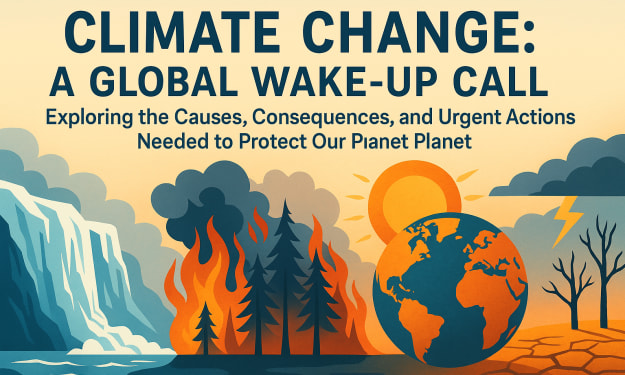
Climate Change: A Global Wake-Up Call
Climate Change: A Global Wake-Up Call Exploring the Causes, Consequences, and Urgent Actions Needed to Protect Our Planet Climate change is no longer a distant threat—it is a present-day reality that affects every corner of the Earth. From rising temperatures and melting glaciers to extreme weather events and shifting ecosystems, the signs are all around us. This global wake-up call demands immediate attention, collective action, and lasting commitment from individuals, governments, and industries. The Science Behind Climate Change Climate change refers to long-term alterations in temperature, precipitation, wind patterns, and other aspects of the Earth's climate system. While climate has naturally fluctuated over millennia, the current phase of global warming is largely driven by human activities—especially since the Industrial Revolution. The primary culprit is the excessive emission of greenhouse gases (GHGs) such as carbon dioxide (CO₂), methane (CH₄), and nitrous oxide (N₂O). These gases trap heat in the Earth's atmosphere, creating a “greenhouse effect” that leads to warming. Burning fossil fuels (coal, oil, and natural gas), deforestation, industrial processes, and agriculture contribute significantly to this buildup. According to the Intergovernmental Panel on Climate Change (IPCC), the Earth's average surface temperature has already increased by about 1.1°C since the late 19th century. If current trends continue unchecked, we could see an increase of 1.5°C to 2°C or more within this century, leading to severe and possibly irreversible impacts. Visible Impacts Across the Globe The effects of climate change are wide-ranging and increasingly visible: Melting Polar Ice and Rising Sea Levels: The Arctic is warming at twice the global average, leading to rapid ice melt. This contributes to rising sea levels, threatening low-lying coastal areas with flooding and erosion. Extreme Weather Events: More intense hurricanes, floods, droughts, and wildfires are becoming common. For instance, Australia and California have witnessed devastating wildfires in recent years, while parts of Africa and Asia have experienced record-breaking floods. Ocean Warming and Acidification: Oceans absorb much of the excess heat from global warming, leading to coral bleaching and disrupted marine ecosystems. Additionally, the absorption of CO₂ is causing ocean acidification, harming shellfish and other marine life. Biodiversity Loss: Many species are struggling to adapt to changing climates, leading to habitat loss and extinction. Forests, wetlands, and coral reefs are especially vulnerable. Human Health and Livelihoods: Heatwaves, air pollution, and changing disease patterns are affecting public health. Meanwhile, crop failures and water shortages are impacting food security, particularly in developing countries. Root Causes and Human Responsibility While natural factors like volcanic eruptions and solar variations do influence the climate, the dominant force behind recent changes is human activity. The way we produce energy, manage land, and consume resources has tipped the natural balance. Deforestation, for example, not only releases carbon stored in trees but also reduces the Earth’s ability to absorb CO₂. Similarly, intensive livestock farming produces large quantities of methane, a potent greenhouse gas. Urbanization and overconsumption also play a role. Modern lifestyles, especially in wealthy nations, are heavily dependent on energy, transportation, and materials that generate emissions. While developing countries contribute less to global emissions, they often suffer the worst consequences of climate change. Solutions and the Path Forward Despite the alarming situation, there is still hope. Scientists, environmentalists, and policymakers around the world are working to develop solutions. But real change will require a united effort and bold action at all levels. 1. Transition to Clean Energy: Replacing fossil fuels with renewable energy sources like solar, wind, hydro, and geothermal is key. Clean energy technologies are becoming more affordable and efficient, making this transition increasingly practical. 2. Promote Sustainable Agriculture and Forestry: Practices like agroforestry, organic farming, and reforestation can help absorb carbon and protect ecosystems. Preserving rainforests and other carbon sinks is especially important. 3. Improve Energy Efficiency: From buildings to vehicles, making systems more energy-efficient reduces emissions. Simple steps like insulating homes, using energy-saving appliances, and adopting electric transportation can make a big difference. 4. Support Climate Policies: Governments play a critical role in regulating emissions and investing in green infrastructure. International agreements like the Paris Agreement aim to limit global warming to well below 2°C. Citizens can advocate for stronger climate policies and hold leaders accountable. 5. Raise Awareness and Education: Understanding the science and consequences of climate change helps people make informed decisions. Schools, media, and communities can play a role in spreading awareness and encouraging sustainable behavior. 6. Adaptation and Resilience: While mitigation is vital, adaptation is also necessary. Communities must prepare for changing conditions—through flood defenses, drought-resistant crops, and resilient infrastructure. The Role of Individuals Although large-scale solutions are crucial, individual actions also matter. Reducing personal carbon footprints—by driving less, eating more plant-based foods, avoiding single-use plastics, and supporting eco-friendly businesses—can collectively create a powerful impact. More importantly, individuals can influence change by voting, speaking out, and educating others. Climate change is not just an environmental issue—it’s a moral and social one that affects current and future generations. Conclusion Climate change is the defining challenge of our time. Its consequences threaten the very systems we depend on—nature, health, economy, and peace. But the future is not written in stone. By acknowledging the crisis, understanding its causes, and acting decisively, humanity can still chart a better course. This global wake-up call is not just a warning—it’s an opportunity. An opportunity to protect our planet, rethink our ways of living, and build a more sustainable and just world for all.
By Faiq Ahmadabout a year ago in Earth
What will the future world be like?
The Future of Earth: A Glimpse Into What Lies Ahead Scientists, philosophers, environmentalists, and everyday people alike have long been intrigued by Earth's future. With rapid technological advancements, ongoing climate change, and shifting global dynamics, the question looms larger than ever: what will Earth look like in the coming centuries? While much remains uncertain, a blend of current trends and scientific predictions offers a window into what the future may hold for our planet. Climate and Environmental Change One of the most pressing factors shaping Earth’s future is climate change. Global temperatures are steadily rising due to the accumulation of greenhouse gases from human activities like fossil fuel burning, deforestation, and industrial emissions. If current trends continue, scientists warn that Earth could warm by 2 to 4 degrees Celsius by the end of the 21st century. Such a temperature rise could have dramatic consequences: polar ice caps melting, sea levels rising, and extreme weather events becoming more frequent. Coastal cities may be submerged, droughts could become more severe, and biodiversity may face unprecedented threats. On the other hand, significant efforts are being made worldwide to transition to renewable energy sources, reduce emissions, and restore ecosystems. The future will likely depend on how quickly and effectively humanity acts now. Technological Evolution The future of Earth will also be deeply influenced by technology. Artificial intelligence, biotechnology, and space exploration are already reshaping the way we live. Looking ahead, AI could revolutionize industries, education, and medicine, potentially solving some of humanity’s biggest challenges—but also raising ethical concerns and risks related to automation and surveillance. Advancements in space travel may lead to permanent human settlements on the Moon or Mars, offering a potential backup for humanity if Earth becomes less habitable. Meanwhile, breakthroughs in clean energy, such as nuclear fusion and advanced solar power, may help solve the global energy crisis and reduce environmental damage. Population and Urbanization As of now, Earth’s population exceeds 8 billion people and is projected to reach around 10 billion by 2100. Managing this population growth will be a critical challenge, especially in terms of food security, water availability, and urban development. Future cities will likely be more vertical, green, and technology-integrated, with the goal of lowering their impact on the environment and increasing quality of life. Smart cities using AI, big data, and automation may become the norm, enhancing transportation, energy use, and public services. However, disparities between urban and rural areas, as well as between wealthy and developing nations, could widen unless addressed with inclusive policies. Ecological Resilience and Adaptation Despite the challenges, Earth has a remarkable capacity for resilience. Ecosystems may evolve and adapt, and many species—humans included—could find ways to survive and thrive in new conditions. Conservation efforts, rewilding projects, and sustainable farming techniques are already making a difference in preserving biodiversity. Even a "green future" is envisioned by some futurists and scientists, in which advanced technology is used to support natural systems rather than to dominate them. Floating cities, carbon-capturing forests, and ocean-cleaning robots are not just science fiction—they are becoming real possibilities. A Shared Responsibility Ultimately, the future of Earth is not predetermined. The decisions we make today will shape it. From reducing our carbon footprint to developing sustainable technologies and policies, every action counts. To overcome obstacles and create a better world for future generations, global cooperation, innovation, and awareness are essential. In summary, Earth’s future holds both hope and uncertainty. While threats like climate change and overpopulation pose serious risks, human ingenuity and collective action have the power to transform those challenges into opportunities. The choices we make now will determine whether the Earth of the future will be a healthy, vibrant planet or a warning sign of neglect.
By Md Sohrab hossainabout a year ago in Earth
A Mysterious Jawbone Found Near Taiwan Sheds Light on Ancient Human Cousins. AI-Generated.
A remarkable fossil discovery near the coast of Taiwan is offering fresh clues about a mysterious group of ancient humans called Denisovans. This group, related to both Neanderthals and modern humans, once roamed vast areas of Eurasia. What makes this discovery even more exciting is that it shows just how far Denisovans may have traveled and how adaptable they were to different environments.
By Waqar Ahmadabout a year ago in Earth
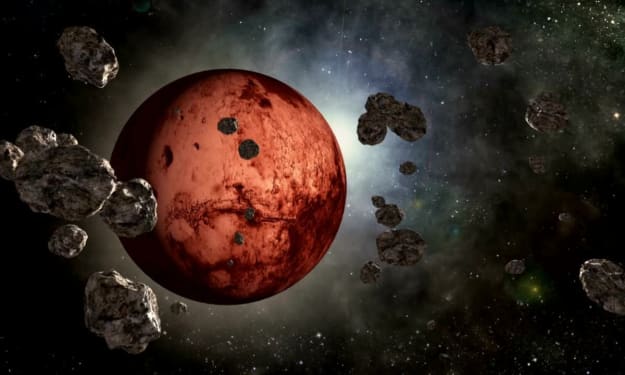
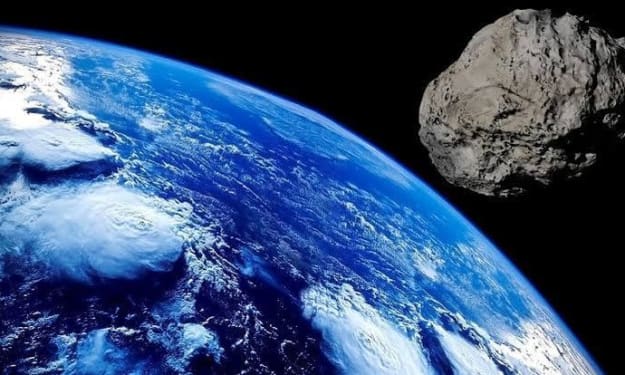
Most Carbon-Rich Asteroids Never Make It to Earth—and Now We Know Why
A cosmic mystery has baffled scientists for decades: why are carbon-rich asteroids so uncommon on Earth in comparison to other types of space rocks? Carbonaceous chondrites, or asteroids with organic compounds, water, and other essential elements for life, are among the most primitive materials in the solar system. Yet, despite their abundance in the asteroid belt, they make up only a small fraction of meteorites found on Earth.
By Tasbir Kabirabout a year ago in Earth