
UK Supreme Court Ruling on Trans Women: A Defining Moment in the Sex and Gender Debate
UK
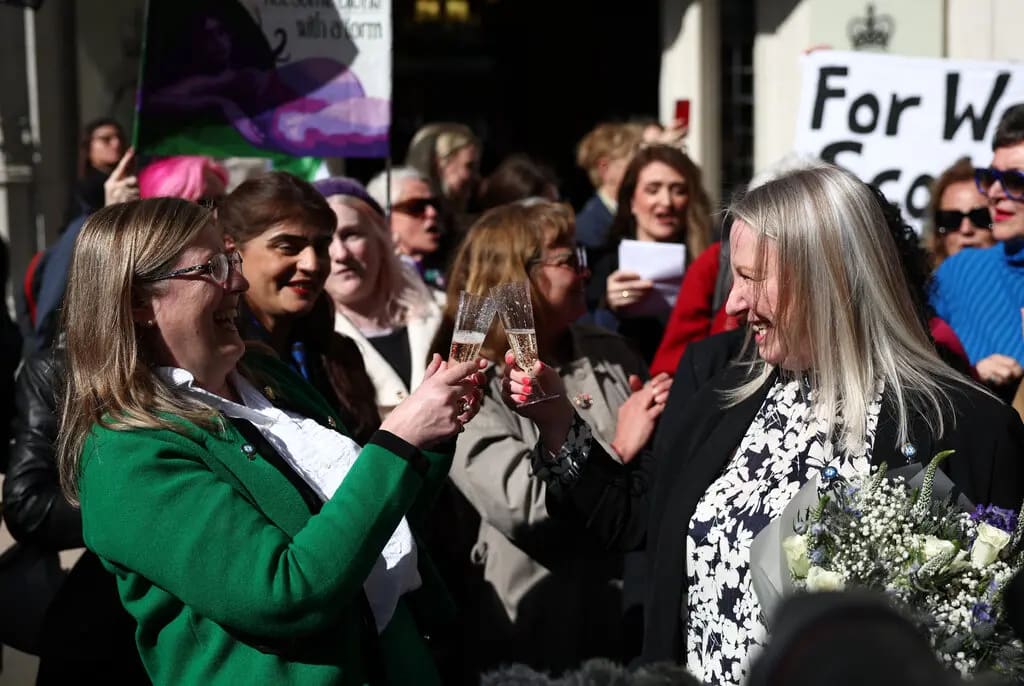
UK Supreme Court Ruling on Trans Women: A Defining Moment in the Sex and Gender Debate
On April 16, 2025, the UK Supreme Court delivered a landmark ruling that has reignited the debate over sex and gender in British law. The Court unanimously determined that under the Equality Act 2010, the term "woman" refers exclusively to individuals who are biologically female, thereby excluding transgender women from certain legal protections and rights.
The Case Background
The case originated from a challenge by the feminist group For Women Scotland against the Scottish government's Gender Representation on Public Boards (Scotland) Act 2018. This legislation aimed to ensure gender balance on public boards by mandating that 50% of non-executive members be women. The Scottish government had interpreted "woman" to include individuals with a Gender Recognition Certificate (GRC), effectively recognizing transgender women as women under the law. For Women Scotland contended that this interpretation conflated biological sex with gender identity, leading to the legal dispute.
The Supreme Court's Decision
In its ruling, the Supreme Court emphasized that the Equality Act's provisions concerning single-sex spaces and services are intended to protect individuals based on their biological sex. The Court held that including transgender women in the definition of "woman" would render the Act incoherent and unworkable. Consequently, the Court concluded that transgender women, even those with a GRC, are not entitled to the same sex-based rights and protections under the Act.
Reactions and Implications
The ruling has elicited strong reactions across the political and social spectrum:
Supporters of the Decision: Women's rights groups, including For Women Scotland, have welcomed the judgment, viewing it as a reaffirmation of the importance of biological sex in the allocation of sex-based rights.
Critics of the Decision: LGBTQ+ organizations, such as Stonewall and Scottish Trans, have expressed concern, arguing that the ruling undermines the rights of transgender individuals and could lead to increased discrimination and exclusion from essential services.
The ruling also has significant implications for public policy. The British government has indicated that it will review existing equality and gender recognition laws to ensure they align with the Supreme Court's interpretation. Similarly, the Scottish government has acknowledged the decision and stated that it will assess its impact on current and future legislation.
Broader Context
This decision is part of a wider international debate concerning the balance between sex-based rights and gender identity rights. Similar discussions are ongoing in other countries, including the United States, where legal definitions of sex and gender continue to evolve. The UK Supreme Court's ruling adds a significant chapter to this global conversation, highlighting the complexities and challenges in reconciling differing perspectives on sex and gender in law.
Looking Ahead
As the UK navigates the aftermath of this ruling, the focus will likely shift to how public institutions and policymakers implement the decision. Key areas of attention will include the operation of single-sex spaces, the application of sex-based quotas, and the recognition of gender identity in legal contexts. The ongoing dialogue between advocates for women's rights and transgender rights will be crucial in shaping the future landscape of sex and gender legislation in the UK.
navlist Reactions to UK Supreme Court Ruling on Trans Women turn0news13,turn0news14,turn0news16
About the Creator
Enjoyed the story? Support the Creator.
Subscribe for free to receive all their stories in your feed.
Comments
There are no comments for this story
Be the first to respond and start the conversation.