Advocacy
7 Indian Cities Where Non-Vegetarian Food Is Banned
Introduction India is a diverse country with a rich culinary landscape that caters to both vegetarian and non-vegetarian preferences. However, some cities in India have implemented restrictions or outright bans on the sale and consumption of non-vegetarian food due to religious, cultural, or political reasons. These restrictions may apply to certain areas within a city or on specific days, affecting restaurants, markets, and street vendors. In this blog, we will explore seven Indian cities where non-vegetarian food is banned or severely restricted, the reasons behind these bans, and how they impact local communities. 1. Palitana, Gujarat – The First Vegetarian City of India
By INFO INSIDER 2 years ago in Earth
"Africa's Wealth: The Hidden Treasure of a Continent"
The Absolute Net Account of the African Continent: Metals, Adored Elements, and Resources Africa, generally referred to as the "cradle of civilization," is not abandoned affluent in cultural ancestry but additionally abundantly affluent in accustomed resources. Spanning all-inclusive deserts, close rainforests, and sprawling savannahs, the abstemious holds a abundance accession of metals, minerals, and adored elements that accord decidedly to all-around industries. This commodity explores Africa’s absolute net account by delving into its accustomed resources, their estimated value, and their accent to the all-around economy. Mineral Abundance of Africa Africa’s mineral abundance is unparalleled, authoritative it a key amateur in all-around ability markets. The abstemious produces about 80% of the world’s platinum, 40% of its gold, and a cogent allotment of diamonds, cobalt, and added admired resources. Gold Africa is the arch ambassador of gold, with nations like South Africa, Ghana, and Sudan assertive the sector. South Africa’s Witwatersrand Basin abandoned has produced over 50,000 bags of gold, authoritative it one of the richest gold regions in the world. Gold mining contributes billions to the economies of these nations and plays a cardinal role in the all-around adornment and advance sectors. Diamonds Botswana, South Africa, Angola, and Namibia are amid the world’s arch design producers. Botswana, in particular, has benefited badly from its design reserves, application the acquirement to transform its abridgement and accomplish one of the accomplished Human Development Index array in Africa. Cobalt and Copper The Democratic Republic of Congo (DRC) is the world's better ambassador of cobalt, a metal capital for the assembly of batteries in electric vehicles. The Copperbelt arena of Zambia and DRC additionally contributes decidedly to the all-around accumulation of copper, an capital basic in electronics and construction. Platinum and Palladium South Africa is home to added than 80% of the world’s platinum reserves. These metals are acute for the automotive industry, abnormally in catalytic converters. Palladium, addition adored metal, has apparent a aciculate acceleration in appeal due to its use in cleaner ammunition technologies. Precious Elements and Attenuate Earths Africa is a growing amateur in the attenuate apple elements market, which is analytical for avant-garde technology. Elements like neodymium and dysprosium, acclimated in magnets, smartphones, and wind turbines, are acceptable more valuable. Madagascar and South Africa are arising as key sources for these elements. Coltan The DRC is additionally the arch supplier of coltan, a mineral capital for the assembly of tantalum capacitors acclimated in electronics. With the tech industry's exponential growth, the appeal for coltan has skyrocketed, authoritative it one of the best approved resources. Oil and Gas Reserves Africa's oil and gas assets added amplify its net worth. Countries like Nigeria, Angola, Algeria, and Libya accept all-inclusive affluence of awkward oil and accustomed gas. Nigeria abandoned produces over 2 actor barrels of oil per day, authoritative it the better ambassador in Africa and a cogent amateur in OPEC. The continent’s absolute oil affluence are estimated at over 125 billion barrels, with beginning affluence still actuality discovered. Natural gas is addition breadth area Africa shines. Mozambique and Tanzania accept afresh emerged as above accustomed gas hubs, while Algeria charcoal one of the top exporters of abounding accustomed gas (LNG). Agricultural Wealth Africa’s abundant acreage is addition aspect of its wealth. The abstemious has about 60% of the world’s barbaric abundant land, presenting immense abeyant for agronomical development. From amber in Ivory Coast to coffee in Ethiopia, agronomics contributes decidedly to the economies of abounding African nations. Estimated Net Account of Africa’s Resources Estimating the absolute net account of Africa’s assets is arduous due to clashing bazaar prices and unexploited reserves. However, some letters advance that the continent’s accepted assets are account trillions of dollars. For example: Gold: Africa’s gold affluence are estimated to be account over $1 trillion. Diamonds: The design industry is admired at over $80 billion annually, with Africa accidental a cogent share. Oil and Gas: Africa’s oil and gas affluence are account an estimated $6 trillion. Cobalt and Copper: The DRC abandoned accounts for over $24 billion annually from azure exports. Challenges and Mismanagement Despite its wealth, Africa has faced challenges in absolutely utilizing its resources. Issues such as corruption, bare infrastructure, and adopted corruption accept hindered growth. Abounding nations await on exporting raw abstracts rather than developing bounded industries, arch to bound bread-and-butter allowances for their populations. Illegal mining and smuggling additionally affliction the continent. For example, abundant of Africa’s gold and chunk are illegally traded, depriving governments of revenue. Additionally, the corruption of assets generally leads to ecology abasement and displacement of bounded communities. Potential for Growth If managed properly, Africa’s assets could drive immense bread-and-butter advance and development. Investments in infrastructure, cellophane governance, and bounded industries could transform resource-rich nations into all-around bread-and-butter powerhouses. Initiatives like the African Continental Free Barter Breadth (AfCFTA) aim to actualize a unified market, acceptable barter and development beyond the continent. Conclusion Africa’s accustomed assets accomplish it one of the richest continents in the world. From gold and chunk to oil and attenuate apple elements, the abstemious holds treasures that ammunition all-around industries. However, the absolute claiming lies in harnessing this abundance sustainably and equitably. With able administration and investment, Africa’s assets could not abandoned boost its nations but additionally redefine its abode in the all-around economy.
By Say the truth 2 years ago in Earth
How to Start Birdwatching: A Beginner’s Guide
How to Start Birdwatching: A Beginner’s Guide Birdwatching, or birding, is a fulfilling pastime that reconnects you with nature and sharpens mindfulness and keenness. Birdwatching allows you to immerse yourself in the majesty and variety of avian life whether you are in a city park or deep in the wilderness. This guide will help you through everything you need to know to start birdwatching: what you’ll need, and how to find and identify birds. We will also tackle 7 FAQs to ensure that your birding is as smooth and enjoyable as possible! Why Try Birdwatching?
By Kalpesh Vasava2 years ago in Earth
The Hidden Treasure of Plants
The Hidden Abundance of Plants: Unlocking Nature's Secrets Plants are not aloof the blooming carpets of the earth; they are abundance troves of life-sustaining resources, alms added than meets the eye. Across centuries, bodies accept acclimatized plants for food, medicine, shelter, and alike airy practices. However, as science delves added into the botanical world, it reveals an beginning abundance of hidden treasures aural plants that authority the abeyant to accommodate industries, alleviate diseases, and action ecology challenges. Plants as Nature’s Healers For bags of years, plants accept been a cornerstone of acceptable medicine. From the leaves of willow trees, which led to the development of aspirin, to the Madagascar periwinkle, which is acclimated in alleviative leukemia, plants accept contributed decidedly to avant-garde pharmaceuticals. Yet, advisers accept alone a atom of the alleviative abeyant of the bulb commonwealth has been explored. The Amazon Rainforest, generally referred to as the “pharmacy of the world,” is home to bags of bulb breed with alleviative properties, abounding of which abide undiscovered. The abeyant cures for life-threatening diseases like cancer, Alzheimer's, and attenuate abiogenetic disorders may lie hidden in these adopted ecosystems. Nutritional Wealth Plants are the foundation of all-around aliment systems, but above basic crops like rice, wheat, and corn, there exists a deluge of underutilized superfoods. Ancient grains like quinoa, amaranth, and teff accept acquired acceptance for their comestible benefits. Wild comestible plants such as moringa and seaweed are comestible powerhouses, accouterment capital vitamins, minerals, and antioxidants. Additionally, plants like legumes and pulses are not alone affluent in protein but additionally comedy a acute role in acceptable agronomics by adorning the clay with nitrogen. Exploring assorted bulb breed for aliment aegis could be the key to active all-around ache and malnutrition. Natural Chemicals and Automated Applications Plants are reservoirs of different chemicals, abounding of which can be activated in automated applications. Latex from elastic copse adapted the busline and accomplishment industries, while dyes extracted from plants like indigofera revolutionized the bolt industry. In avant-garde times, scientists are belief plants for bioengineering and bioplastics. For instance, blah and sugarcane are actuality acclimated to actualize biodegradable plastics, abbreviation annex on deposit fuels. Plants such as algae accept additionally emerged as a able antecedent for biofuels, alms a acceptable another to accepted activity sources. Plants and Altitude Resilience In the face of altitude change, plants are arising as accustomed warriors. Forests, generally alleged the “lungs of the planet,” blot massive amounts of carbon dioxide and comedy a analytical role in mitigating all-around warming. Mangroves, seagrasses, and wetlands not alone abutment biodiversity but additionally act as accustomed barriers adjoin littoral abrasion and storms. Additionally, advisers are exploring the abeyant of genetically adapted plants to blot alike greater amounts of carbon and abound in acute conditions, alms achievement for approaching agronomical sustainability. Spiritual and Cultural Significance Throughout history, plants accept captivated a angelic abode in animal ability and spirituality. The lotus, angelic to abounding Eastern religions, symbolizes abstention and enlightenment. The tulsi plant, admired in Hinduism, is believed to accompany absolute activity and health. Alike in the avant-garde world, plants like lavender and academician are acclimated for their abstracted and antibacterial properties. This airy affiliation to plants generally reminds altruism of its built-in band with nature, adopting attention efforts and ecological awareness. Challenges in Unlocking Bulb Treasures Despite the immense abeyant of plants, cogent challenges abide in unlocking their abounding value. Deforestation and abode abolition abuse bulb diversity, potentially arch to the accident of invaluable breed afore their allowances can be realized. Illegal poaching of attenuate plants for alleviative and accessory purposes added endangers these accustomed treasures. Moreover, all-encompassing analysis into plant-based solutions requires abundant investment, time, and accord amid governments, scientists, and industries. The Approaching of Plant-Based Discoveries As technology advances, the hidden treasures of plants are acceptable added accessible. Techniques such as bio-prospecting and abiogenetic mapping acquiesce scientists to analyze and accouter bulb compounds with arresting precision. Vertical agronomics and agronomics are revolutionizing agriculture, enabling the advance of plants in burghal spaces while attention resources. With added acquaintance and attention efforts, the abeyant of plants can be sustainably acclimatized for approaching generations. Initiatives such as berry banks and botanical area are attention bulb diversity, ensuring that this accustomed abundance charcoal intact. Conclusion The hidden abundance of plants goes above their arresting adorableness and utility. From accouterment lifesaving medicines and alimentative foods to acknowledging industries and active altitude change, plants are basal to animal adaptation and progress. However, to absolutely alleviate this treasure, altruism charge act responsibly, attention bulb assortment and advance in acceptable innovations. In a apple adverse ecological and bread-and-butter challenges, plants angle as a attestation to nature’s generosity, alms solutions hidden in apparent sight.
By Say the truth 2 years ago in Earth
Love Beyond Humanity: Embracing Compassion That Transcends Boundaries
Love is one of the most profound emotions known to humanity. It transcends barriers, forges connections, and inspires acts of selflessness. While much of the discourse on love centers on human relationships, there is a broader and equally compelling dimension: love beyond humanity. This love manifests in the compassion we show toward animals, the environment, and even the universe itself. It reflects a deep, intrinsic connection that ties us to the world around us, reminding us of our shared existence and interdependence. #### **The Bond Between Humans and Animals**
By Nora Ariana2 years ago in Earth
Earthquakes
Earthquakes are one of nature’s most powerful and unpredictable events. They happen when the ground shakes due to movements deep inside the Earth. Earthquakes can be small and barely noticeable, or they can be large and cause serious damage to buildings, roads, and even entire cities.
By Farhan Sayed2 years ago in Earth
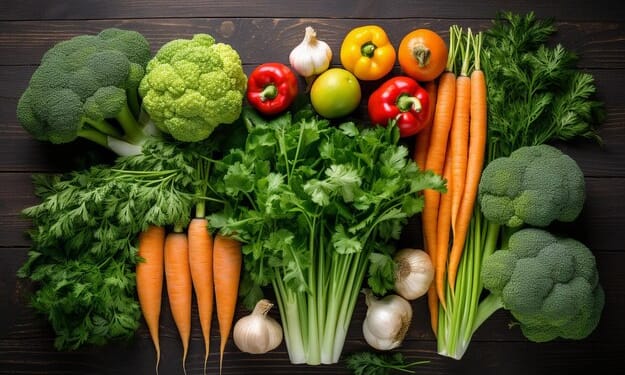
Unlock the Power of Vegetables: Your Secret to Better Health and Longevity
In the fast-paced world we live in today, we often find ourselves juggling between work, personal lives, and various obligations. Amidst all this, our health can sometimes take a backseat. However, one of the most powerful tools for maintaining health and longevity is often overlooked: vegetables. They are nutrient-packed, versatile, and readily available, making them an essential part of a balanced diet. Vegetables have been part of human diets for centuries, and their benefits have been recognized by cultures around the world. These plant-based foods are not only rich in vitamins and minerals but also provide a host of other essential nutrients that contribute to our overall well-being. This article will explore the various ways vegetables can enhance our health and why they should be an integral part of our daily lives. ### Nutrient Density: The Power of Micronutrients One of the primary reasons vegetables are considered a cornerstone of a healthy diet is their nutrient density. Nutrient density refers to the amount of vitamins, minerals, and other essential nutrients a food contains relative to its calorie content. Vegetables are packed with essential nutrients, often in high concentrations, yet they are low in calories. This means that you can consume large quantities of vegetables without significantly increasing your caloric intake, which is ideal for maintaining a healthy weight. For example, leafy greens like spinach, kale, and swiss chard are loaded with vitamins A, C, and K, as well as folate and magnesium. These nutrients play a critical role in supporting the immune system, promoting skin health, and contributing to bone strength. Cruciferous vegetables like broccoli, cauliflower, and Brussels sprouts are high in fiber, antioxidants, and compounds known as glucosinolates, which may help reduce the risk of certain cancers. Vegetables also provide an abundance of potassium, which is vital for regulating blood pressure and supporting muscle and nerve function. Sweet potatoes, beets, and tomatoes are excellent sources of this essential mineral. Additionally, vegetables like carrots, bell peppers, and zucchini are rich in beta-carotene, which is converted into vitamin A in the body and is essential for eye health. ### Fiber: A Key to Digestive Health Fiber is another crucial component of vegetables that plays a significant role in digestive health. Most vegetables, especially those with skin, are excellent sources of dietary fiber. Fiber is a type of carbohydrate that the body cannot digest, and it passes through the digestive system, providing a number of health benefits along the way. One of the most well-known benefits of fiber is its ability to support healthy digestion and regular bowel movements. Fiber helps to add bulk to stool, making it easier for the body to eliminate waste. This can help prevent constipation, promote a healthy gut, and reduce the risk of developing digestive disorders such as irritable bowel syndrome (IBS) and diverticulosis. In addition to supporting digestion, fiber also plays a key role in heart health. Studies have shown that a high-fiber diet can help lower cholesterol levels, which in turn can reduce the risk of heart disease. Vegetables like beans, peas, and carrots are excellent sources of soluble fiber, which has been shown to help lower "bad" LDL cholesterol levels in the blood. ### Antioxidants: Protecting the Body from Free Radical Damage Antioxidants are compounds that help protect the body from oxidative stress and damage caused by free radicals. Free radicals are unstable molecules that can damage cells and contribute to the aging process as well as the development of chronic diseases such as cancer, heart disease, and neurodegenerative conditions like Alzheimer's. Vegetables are a rich source of antioxidants, which play a critical role in neutralizing free radicals and protecting the body's cells from damage. For example, dark, leafy greens like spinach and kale are rich in lutein and zeaxanthin, two antioxidants that support eye health and may help reduce the risk of age-related macular degeneration. Bell peppers, tomatoes, and broccoli are high in vitamin C, an antioxidant that helps boost the immune system and protect the skin from environmental damage. Moreover, cruciferous vegetables like broccoli, cabbage, and kale contain sulfur-containing compounds known as isothiocyanates, which have been shown to have potent anti-cancer properties. These compounds may help inhibit the growth of cancer cells and reduce the risk of certain types of cancer, including breast, lung, and colon cancer.
By Nora Ariana2 years ago in Earth
Why You Need God First in Everything: Unlocking the Key to True Success and Peace
In today’s fast-paced and complex world, it is easy to get caught up in our daily responsibilities, personal ambitions, and the challenges that life throws our way. Often, in our pursuit of success and happiness, we forget the foundational truth that everything we do should begin with God. Acknowledging God’s sovereignty and seeking His guidance in every aspect of life is not only a spiritual necessity but also a practical way to achieve a fulfilling and purposeful existence. Here’s why placing God first in everything we do is essential. ### **1. God Is the Source of Wisdom and Guidance** One of the most significant reasons to put God first is that He is the ultimate source of wisdom. The Bible reminds us in **Proverbs 3:5-6**: _“Trust in the Lord with all your heart and lean not on your own understanding; in all your ways submit to Him, and He will make your paths straight.”_ This verse highlights the importance of relying on God rather than our limited human understanding. When we prioritize God in our decision-making, we open ourselves to His divine guidance. Life is full of uncertainties, and we often face crossroads where the right path is unclear. In such moments, seeking God’s direction can provide clarity and peace. By praying and meditating on His Word, we allow Him to illuminate our paths and ensure that our choices align with His will. ### **2. God Provides Strength and Peace** Life can be overwhelming, with its endless demands, trials, and tribulations. Without a firm foundation, it is easy to feel lost, anxious, or defeated. However, when we put God first, we tap into a source of unparalleled strength and peace. **Philippians 4:13** declares, _“I can do all things through Christ who strengthens me.”_ This assurance reminds us that we are not alone in our struggles. God’s peace, which surpasses all human understanding, sustains us during life’s most challenging moments. By prioritizing Him, we can experience calmness even in the midst of chaos, knowing that He is in control. When we surrender our worries and burdens to God, we are empowered to face life with confidence and resilience. ### **3. God Knows the Bigger Picture** As humans, our perspective is limited to what we can see and comprehend. However, God operates beyond the confines of time and space. He knows the past, present, and future, and His plans for us are always good. **Jeremiah 29:11** states, _“For I know the plans I have for you,” declares the Lord, “plans to prosper you and not to harm you, plans to give you hope and a future.”_ When we place God first, we demonstrate trust in His perfect plan, even when life doesn’t go as expected. It is tempting to rely on our own plans and abilities, but doing so often leads to frustration and disappointment. By surrendering our will to God and seeking His direction, we align ourselves with His divine purpose, which is always for our ultimate good. ### **4. God Helps Us Maintain Priorities** In the pursuit of success, it is easy to lose sight of what truly matters. We often prioritize material wealth, career achievements, or personal desires, forgetting that these things are temporary. However, when we put God first, He helps us maintain the right priorities. **Matthew 6:33** emphasizes, _“But seek first the kingdom of God and His righteousness, and all these things will be given to you as well.”_ This verse teaches us that when we focus on God and His righteousness, everything else falls into place. By making God the center of our lives, we can avoid the distractions of the world and stay rooted in what is truly meaningful—our relationship with Him, our family, and our service to others. ### **5. God Is the Ultimate Provider** Many people spend their lives chasing financial security, success, or recognition, believing that these will bring fulfillment. While these things can provide temporary satisfaction, they cannot fill the void that only God can fill. **Psalm 23:1** reminds us, _“The Lord is my shepherd; I shall not want.”_ God is the ultimate provider of all our needs, both spiritual and material. When we prioritize Him, we acknowledge His lordship over our lives and trust Him to supply everything we need. This trust liberates us from anxiety and frees us to live in gratitude and contentment. ### **6. Putting God First Transforms Relationships** When God is at the center of our lives, our relationships with others are transformed. God’s love flows through us, enabling us to love and serve others selflessly. **1 John 4:19** states, _“We love because He first loved us.”_ By prioritizing our relationship with God, we learn to embody Christ-like qualities such as patience, humility, and forgiveness, which strengthen our interactions with others. Moreover, seeking God’s guidance in our relationships ensures that we build connections that honor Him. Whether in friendships, marriage, or professional relationships, putting God first fosters harmony and mutual respect. ### **7. God Deserves Our Devotion** Finally, we must put God first because He deserves our devotion. He is the Creator of all things, the giver of life, and the One who sustains us. Through Jesus Christ, He has given us the ultimate gift of salvation. Our gratitude for His love and grace should compel us to honor Him in all we do. **Deuteronomy 6:5** commands, _“Love the Lord your God with all your heart and with all your soul and with all your strength.”_ This love for God should manifest in our daily lives, guiding our actions, decisions, and priorities. ### **Conclusion**
By Nora Ariana2 years ago in Earth
The Last Tree: A Heartfelt Reflection on Earth’s Silent Guardians
Introduction In the heart of Madagascar, a lone baobab tree stands surrounded by cracked earth, its gnarled roots clawing desperately at the soil for life. Locals call it “the last elder”—the only survivor of a once-thriving forest. At 800 years old, this tree has witnessed countless generations, weathered storms, and withstood the test of time. Yet now, it faces a quiet extinction, just as unnoticed as the countless others that fell before it.
By Farhat Farid2 years ago in Earth
Flu Alert: What You Need to Know About Prevention, Symptoms, and Treatment
### Understanding the Flu: Causes, Symptoms, and Treatment Flu, short for influenza, is a contagious viral infection that affects the respiratory system, including the nose, throat, and sometimes the lungs. It is commonly confused with the common cold, but it is much more severe. Flu season generally peaks during the colder months, but it can affect people year-round. The flu can range from mild to severe, sometimes leading to serious complications, especially in vulnerable populations. This article will explain the causes of the flu, its symptoms, and the steps you can take to prevent and treat it. #### Causes of the Flu The flu is caused by the influenza virus, which has several different strains. The virus is categorized into three main types: A, B, and C, with type A and B being responsible for the seasonal outbreaks. Influenza viruses are constantly changing, which is why new flu vaccines are developed each year. The flu is primarily transmitted through droplets when an infected person coughs, sneezes, or talks. These droplets can land in the mouths or noses of people nearby or on surfaces, where the virus can survive for a short time. You can also contract the flu by touching a contaminated surface and then touching your face, especially your mouth, nose, or eyes. There are several factors that make some people more susceptible to the flu. The most vulnerable groups include young children, elderly adults, pregnant women, and those with weakened immune systems or chronic conditions such as asthma, diabetes, or heart disease. #### Symptoms of the Flu Flu symptoms generally appear suddenly and can vary from mild to severe. Common symptoms of the flu include: 1. **Fever**: A high fever, often above 100.4°F (38°C), is a hallmark of the flu. 2. **Chills**: You may feel cold and shivery, especially as your body temperature rises. 3. **Fatigue**: The flu often leads to extreme tiredness or fatigue that can last for days or weeks. 4. **Cough**: A dry, persistent cough is common in flu cases and can be quite bothersome. 5. **Sore throat**: The throat may feel scratchy, irritated, or painful. 6. **Runny or stuffy nose**: Nasal congestion or a runny nose are also frequent symptoms. 7. **Body aches**: Muscle aches, joint pain, and a general feeling of being sore are often reported. 8. **Headache**: A headache is a frequent symptom and can be severe in some cases. 9. **Gastrointestinal issues**: Though less common, some people, especially children, may experience nausea, vomiting, or diarrhea. Flu symptoms can appear within 1 to 4 days after exposure to the virus. Most people begin to feel better within a week, but some can experience lingering symptoms like fatigue. However, the flu can sometimes lead to complications such as pneumonia, bronchitis, sinus infections, or ear infections. These complications can be severe and life-threatening, especially for those in high-risk groups. #### How to Prevent the Flu
By Nora Ariana2 years ago in Earth
Power Cut Tour 2025. AI-Generated.
The Power Cut Tour 2025 promises to be one of the most exciting musical events of the year. With its unique theme and incredible lineup of performers, the tour is set to captivate audiences around the world. This event is not just about music; it’s about creating memories, celebrating creativity, and bringing people together.
By Farhan Sayed2 years ago in Earth
The Power of Plants: Unveiling the Benefits of a Plant-Based Diet
Adopting a plant-based diet has grown in popularity in recent years, driven by health-conscious individuals, environmental advocates, and those seeking a sustainable way to eat. A plant-based diet primarily focuses on whole, unprocessed foods derived from plants, including fruits, vegetables, whole grains, nuts, seeds, and legumes, while minimizing or completely excluding animal products. This dietary choice offers numerous benefits, ranging from improved health outcomes to positive environmental and ethical impacts. Here, we delve into the key advantages of a plant-based lifestyle. ### **1. Improved Heart Health** One of the most significant benefits of a plant-based diet is its positive impact on heart health. Studies have shown that plant-based diets are associated with lower cholesterol levels, reduced blood pressure, and a decreased risk of heart disease. This is largely due to the diet's emphasis on high-fiber foods like fruits, vegetables, and whole grains, which help lower LDL (bad cholesterol) levels and maintain healthy arteries. Plant-based foods are also rich in antioxidants and healthy fats, such as those found in nuts, seeds, and avocados, which help reduce inflammation and protect against cardiovascular diseases. By avoiding or minimizing saturated fats found in animal products, plant-based eaters can further support a healthy heart. ### **2. Weight Management and Obesity Prevention** A plant-based diet can be highly effective for weight management. Plant foods are generally lower in calories and higher in fiber, which promotes feelings of fullness and reduces overeating. Research has shown that individuals following plant-based diets tend to have lower body mass indexes (BMIs) compared to those who consume animal-based diets. Moreover, plant-based diets help regulate blood sugar levels, reducing the risk of insulin resistance and type 2 diabetes, both of which are often associated with obesity. By incorporating nutrient-dense, low-calorie foods, individuals can maintain a healthy weight while enjoying a variety of delicious meals. ### **3. Reduced Risk of Chronic Diseases** Beyond heart health, a plant-based diet has been linked to a lower risk of chronic diseases such as type 2 diabetes, cancer, and hypertension. The abundance of vitamins, minerals, and antioxidants in plant foods helps combat oxidative stress, a key contributor to chronic illnesses.
By Nora Ariana2 years ago in Earth