Latest Stories
Most recently published stories in Earth.
An Astronaut’s Awe-Inspiring Views from Life in Space
Awe-inspiring views of Earth from space are unlike anything else. Space travelers who have ventured beyond our atmosphere frequently describe their time in orbit as life-altering and characterized by profound beauty and reflection. They witness sights that very few humans will ever see firsthand while floating weightlessly inside the International Space Station (ISS) or looking out the window of a spacecraft. These views inspire reverence, humility, and a deeper appreciation for our fragile planet.
By Tech Alaminabout a year ago in Earth
Track Loader Attachments in Waconia: Power Meets Precision. AI-Generated.
Track loaders are well known for their excellent grip, equilibrium, and the ability to run on soft or irregular surfaces. In Waconia, which is a blend of rural, agricultural, and urban development, loaders are of a very high value in various operations because the traction on the track load is good, and it is also versatile. However, the versatility comes in not only the power of the machine but also the wide variety of attachments that it can utilise. Track loader attachments in Waconia are a great way for contractors, landscapers, farmers, and municipalities to greatly improve efficiency and minimize costs by using a single machine for different purposes. Let us look at the various kinds of attachments, their advantages, and the place of their purchase locally.
By sageequipmentrentalabout a year ago in Earth
Why Trek to Everest Base Camp?
The Everest Base Camp Trek is one of the most iconic trekking experiences in the world. It offers the perfect combination of dramatic landscapes, cultural immersion, and the unforgettable reward of standing at the base of Mount Everest. The journey follows in the footsteps of legendary mountaineers, winding through Sherpa villages, ancient monasteries, and glacier-fed rivers, all under the watchful gaze of snow-covered giants.
By Oliver Backmanabout a year ago in Earth
The Moon and the resources that allowed for us to get there
As humanity prepares for a new era of lunar exploration and potential settlement, the Moon’s harsh and enigmatic environment has drawn comparisons to Earth’s polar regions—especially the Arctic. Both are extreme frontiers marked by unique scientific value, environmental vulnerability, and complex governance challenges. Given these similarities, there is a compelling case for adapting the successful policy frameworks and international cooperation models developed for the Arctic to guide our approach to the Moon.
By Amor Zella Goldabout a year ago in Earth
Benefits of vitamin D
The Radiant Alliance: Unveiling the Profound Benefits of Vitamin D and the Sunrise In the intricate tapestry of human health and well-being, few elements are as fundamental and interconnected as Vitamin D and the radiant energy of the sunrise. Often dubbed the "sunshine vitamin," Vitamin D plays a pivotal role in a myriad of bodily functions, while the sunrise, a daily spectacle of nature's awakening, serves as a primary catalyst for its production and offers a wealth of its own distinct advantages. This comprehensive exploration will delve into the profound benefits of both Vitamin D and the sunrise, illuminating their individual contributions and their synergistic power in promoting optimal health and vitality. Vitamin D: The Multifaceted Maestro of Health Vitamin D, a fat-soluble secosteroid hormone, transcends its traditional association with bone health to exert far-reaching effects on virtually every system in the human body. Its receptors are found in numerous tissues, underscoring its widespread influence and the diverse roles it plays in maintaining homeostasis. * The Cornerstone of Skeletal Strength: Perhaps the most well-established benefit of Vitamin D lies in its crucial role in calcium absorption. It facilitates the uptake of calcium from the intestines into the bloodstream, ensuring adequate levels for the mineralization and maintenance of strong, healthy bones and teeth. Vitamin D deficiency can lead to debilitating conditions such as rickets in children, characterized by soft and weakened bones, and osteomalacia in adults, resulting in bone pain, muscle weakness, and increased fracture risk. Furthermore, sufficient Vitamin D intake is vital in preventing osteoporosis, a condition marked by reduced bone density and increased fragility, particularly prevalent in older adults. * Fortifying the Immune Fortress: Beyond skeletal health, Vitamin D emerges as a potent modulator of the immune system. It plays a critical role in both innate and adaptive immunity, enhancing the body's ability to fight off infections. Vitamin D can stimulate the production of antimicrobial peptides, which directly combat pathogens. It also influences the function of immune cells such as T cells and macrophages, helping to regulate inflammatory responses and maintain immune balance. Research suggests that adequate Vitamin D levels may reduce the risk and severity of various infections, including respiratory tract infections, influenza, and even autoimmune diseases. * The Symphony of Muscle Function: Vitamin D is essential for maintaining optimal muscle strength and function. It interacts with vitamin D receptors in muscle tissue, influencing muscle cell growth and differentiation. Deficiency can manifest as muscle weakness, fatigue, and an increased risk of falls, particularly in older adults. Maintaining sufficient Vitamin D levels contributes to better muscle strength, balance, and overall physical performance. * Guarding the Cardiovascular System: Emerging evidence highlights the potential role of Vitamin D in cardiovascular health. Studies suggest that adequate Vitamin D levels may be associated with a lower risk of hypertension, heart disease, and stroke. Vitamin D may influence blood pressure regulation, vascular function, and inflammation, all of which are critical factors in maintaining a healthy cardiovascular system. However, further research is needed to fully elucidate the complex interplay between Vitamin D and cardiovascular health. * Nurturing Mental Well-being: The influence of Vitamin D extends to the realm of mental health. Vitamin D receptors are present in various brain regions, suggesting a role in brain development and function. Some studies have linked low Vitamin D levels to an increased risk of depression, seasonal affective disorder (SAD), and cognitive decline. While the exact mechanisms are still under investigation, maintaining adequate Vitamin D may contribute to mood regulation and cognitive function. * Potential in Cancer Prevention: Research exploring the link between Vitamin D and cancer prevention is ongoing and promising. Some studies suggest that higher Vitamin D levels may be associated with a reduced risk of certain cancers, including colorectal, breast, and prostate cancer. Vitamin D may influence cell growth, differentiation, and apoptosis (programmed cell death), processes that are often dysregulated in cancer development. However, more robust clinical trials are needed to confirm these findings and establish definitive recommendations. * Regulating Blood Sugar Levels: Preliminary research indicates a potential role for Vitamin D in regulating blood sugar levels and improving insulin sensitivity. Vitamin D may influence the function of pancreatic beta cells, which produce insulin, and enhance the body's response to insulin. Adequate Vitamin D levels may therefore play a role in preventing or managing type 2 diabetes. The Sunrise: A Daily Dose of Vitality and Vitamin D's Ally The sunrise, the daily emergence of the sun above the horizon, is not merely a beautiful spectacle but a potent source of energy and a crucial catalyst for Vitamin D production. Beyond this primary role, the act of witnessing the sunrise offers a range of additional physical and mental health benefits. * The Prime Provoker of Vitamin D Synthesis: The most direct link between the sunrise and Vitamin D lies in the ultraviolet B (UVB) radiation present in sunlight. When UVB rays penetrate the skin, they interact with a precursor molecule called 7-dehydrocholesterol, converting it into pre-vitamin D3, which is then further metabolized in the liver and kidneys to its active form, calcitriol. The early morning sun, while less intense than midday sun, still provides UVB radiation, particularly during certain times of the year and at specific latitudes. Gentle exposure to the morning sun allows for Vitamin D synthesis with a potentially lower risk of sunburn compared to intense midday exposure. * Setting the Body's Internal Clock: The light of the rising sun plays a vital role in regulating our circadian rhythm, the body's internal biological clock that governs our sleep-wake cycles. Exposure to morning light signals the brain to suppress the production of melatonin, the sleep hormone, and promotes the release of cortisol, a hormone that helps us feel alert and energized. This synchronization of the circadian rhythm leads to improved sleep quality, enhanced daytime alertness, and better overall physical and mental functioning. * Boosting Mood and Mental Well-being: Witnessing the sunrise can have a positive impact on mood and mental well-being. The gentle light and the sense of a new beginning can be psychologically uplifting. Furthermore, the sunlight exposure triggers the release of serotonin, a neurotransmitter associated with feelings of happiness and well-being. Starting the day with the tranquility of the sunrise can reduce stress and anxiety, fostering a more positive outlook. * Enhancing Energy Levels: The light of the sunrise helps to kickstart our physiological processes for the day, leading to increased energy levels. By suppressing melatonin and promoting cortisol release, it prepares our bodies for activity and alertness, contributing to sustained energy throughout the day. * Connecting with Nature: The act of witnessing the sunrise provides an opportunity to connect with nature and appreciate its beauty. This connection has been shown to have numerous psychological benefits, including reduced stress, improved mood, and a greater sense of well-being. The Synergistic Power: A Radiant Alliance for Optimal Health Vitamin D and the sunrise are inextricably linked in their benefits. The sunrise provides the essential UVB radiation for the body to naturally produce Vitamin D. In turn, adequate Vitamin D levels contribute to the overall health and well-being that allows us to fully appreciate and benefit from the natural world, including the beauty of the sunrise. Conclusion: Embracing the Radiant Path to Well-being The benefits of Vitamin D and the sunrise are profound and far-reaching, impacting our physical, mental, and emotional health. Vitamin D, synthesized through sun exposure and obtained through diet, is crucial for bone health, immune function, muscle strength, and potentially cardiovascular and mental well-being. The sunrise, beyond being the primary catalyst for Vitamin D production, plays a vital role in regulating our circadian rhythm, boosting mood, enhancing energy levels, and connecting us with nature. Embracing the radiant alliance between Vitamin D and the sunrise, through mindful sun exposure during appropriate times and ensuring adequate Vitamin D levels through diet or supplementation when necessary, is a fundamental step towards achieving optimal health and living a vibrant and fulfilling life. By recognizing and harnessing the power of this natural synergy, we can unlock a wealth of benefits that contribute to a healthier and happier existence.
By Ankur Rawatabout a year ago in Earth
"A Powerful Earthquake Strikes Pakistan and Afghanistan: Fear, Damage, and Urgent Response"
a massive earthquake struck the border region between Pakistan and Afghanistan, leaving a trail of destruction and sparking widespread fear and chaos. The quake, which measured [insert magnitude], was felt across a vast area, shaking not just the ground, but the lives of millions of people. As news spread, it quickly became clear that the damage was extensive, and the situation called for immediate emergency response and relief efforts. The Earthquake: A Sudden and Shocking Disaster The earthquake, which occurred in the early hours of the day, was a sudden and terrifying event. In moments, homes, roads, and infrastructure were destroyed, leaving entire communities isolated and vulnerable. The region, which has experienced earthquakes in the past, was not fully prepared for the magnitude and intensity of this particular disaster. The tremors were so powerful that they reached neighboring regions, affecting large swaths of Pakistan’s Khyber Pakhtunkhwa and Balochistan provinces, as well as Afghanistan's eastern and northern provinces. Human Cost: Lives Lost and Families Displaced As the dust settled, the true human cost of the disaster began to emerge. Thousands of lives were tragically lost, with many more injured. The quake caused widespread panic, and many families were left homeless, taking shelter in makeshift camps or whatever remains of their damaged homes. The majority of casualties were due to collapsing buildings and infrastructure, with people trapped under rubble for hours before rescue teams could arrive. In addition to the lives lost, the earthquake left a significant number of people displaced. Entire villages were destroyed, and families found themselves without food, water, or medical supplies. The scale of displacement, combined with limited resources, posed an enormous challenge for local governments and humanitarian organizations working in the affected areas. Resilience in the Face of Tragedy Despite the devastation, the people of Pakistan and Afghanistan demonstrated remarkable resilience. Communities, both urban and rural, came together in the aftermath of the quake to help each other. Local volunteers, rescue teams, and emergency responders worked tirelessly to search for survivors in the rubble, risking their own safety to rescue those trapped. In the hardest-hit areas, people displayed incredible acts of bravery and selflessness as they assisted their neighbors, shared resources, and provided comfort to those in need. International relief organizations and governments also responded quickly, sending medical aid, food, water, and rescue teams to assist with the recovery efforts. Organizations like the Red Crescent, the United Nations, and Doctors Without Borders mobilized their resources to provide emergency relief, medical assistance, and trauma counseling to those affected. These efforts have been vital in saving lives, particularly in remote and difficult-to-reach areas. The Challenge of Access and Recovery One of the greatest challenges in the wake of the earthquake was access. Many areas, especially rural regions, were cut off from the rest of the world due to damaged infrastructure, including broken roads, collapsed bridges, and landslides. The mountainous terrain of the region made it even more difficult for rescue and relief teams to reach affected communities. Helicopters were deployed to airlift supplies, and makeshift roads were created to facilitate the movement of aid. The recovery process is expected to take months, if not years, as the damaged infrastructure is rebuilt and communities begin the long process of recovery. Many areas have already begun rebuilding their homes and lives, but the sheer scale of the damage makes it an overwhelming task. In the meantime, the focus remains on ensuring that survivors have access to basic necessities such as food, clean water, shelter, and medical care. The Importance of Preparedness and International Cooperation This earthquake serves as a stark reminder of the importance of preparedness and international cooperation in disaster response. Pakistan and Afghanistan, both of which are vulnerable to natural disasters due to their geography and seismic activity, need to invest in disaster preparedness and resilience-building efforts. In the aftermath of the quake, there has been renewed emphasis on improving early warning systems, strengthening infrastructure to withstand earthquakes, and providing communities with the tools and knowledge to respond effectively. Furthermore, the international community must continue to work together in providing long-term support for the region. While emergency relief is crucial, the focus must also shift to rebuilding communities, providing mental health support, and ensuring that the region becomes more resilient to future disasters. This requires collaboration between governments, local organizations, and international bodies. Looking Forward: A Path Toward Recovery As Pakistan and Afghanistan continue to recover from the earthquake, the resilience of their people will be a key factor in their rebuilding efforts. The road to recovery will not be easy, but the sense of unity and shared purpose that has emerged in the aftermath of the disaster is a powerful reminder that, even in the face of immense tragedy, communities can come together to rebuild and recover. Though the earthquake has caused immense pain and suffering, it has also highlighted the strength of the human spirit, the importance of solidarity, and the necessity of continued global cooperation. In the coming months and years, the focus will shift from emergency relief to long-term rebuilding efforts, but the memory of this tragedy will remain a call to action for all to work together in the face of future disasters. --- Conclusion The recent earthquake in Pakistan and Afghanistan has been a devastating tragedy, but it has also demonstrated the incredible strength, courage, and resilience of the people affected. The recovery process is only just beginning, but with continued international support and local determination, the region will rise from the rubble and rebuild stronger than before. The path forward will not be easy, but it is a path of hope, unity, and collective action.
By Tariq Pathan about a year ago in Earth
Discovered In A 125-Million-Year-Old Fossil, A New Species Of Dinosaur Sheds Light On Prehistoric Life
A new species of dinosaur preserved in a fossil estimated to be 125 million years old has been found by paleontologists, completing the puzzle of Earth's prehistoric past. This incredible discovery not only advances our understanding of dinosaur evolution but also provides a clear window into a long-lost Early Cretaceous habitat.
By Tanmoy Royabout a year ago in Earth
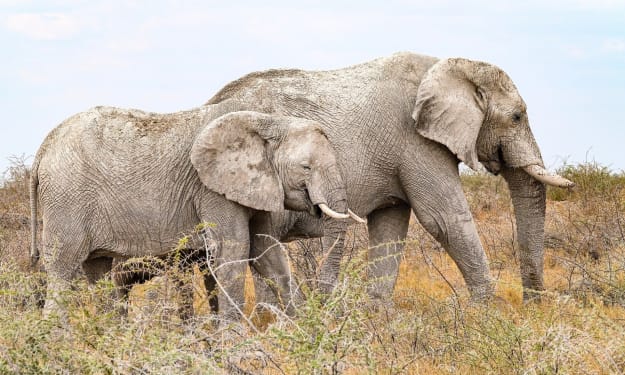
The Majestic Elephant: A Comprehensive Guide to the Gentle Giant of Nature
Introduction The elephant frequently comes to mind when we think of strength, memory, and grace all rolled into one. People have been in awe of these enormous, gentle creatures for centuries because of their intelligence and emotional depth. In this article, we’ll take you on a journey through the fascinating life of elephants — from how they grow and what they eat, to how they raise their young and where they call home.
By Nasrut Raiyanabout a year ago in Earth
Bitcoin Braced For ‘Apocalyptic’ Price Shock After White House Confirms Fed Bombshell
After the White House confirms the Fed's bombshell, Bitcoin is prepared for an "apocalyptic" price shock. The White House has confirmed a shocking move made by the Federal Reserve, a dramatic turn of events that has shaken financial markets. This move has the potential to shake the cryptocurrency industry, particularly Bitcoin. As the Fed's new strategy has an impact on global financial systems, analysts are already anticipating what some call an "apocalyptic" price shock. The Surprise Decision of the Fed The Federal Reserve has announced a significant rethinking of its monetary policy approach in response to mounting pressure to manage economic stability while simultaneously reducing persistent inflation. A double whammy that threatens to dry up the liquidity that has fueled much of the boom in risk assets over the past few years was confirmed by the White House as the Fed will aggressively accelerate interest rate hikes and reduce its balance sheet at an unprecedented rate. This change in policy comes at a time when inflation numbers haven't gone down, the job market is getting better, and fears of a recession are getting worse. The effects on speculative assets like Bitcoin could be significant, despite the fact that Fed officials maintain that these measures are required to stabilize the economy. Under Pressure Bitcoin One of its biggest tests is coming up for Bitcoin, which has been supported for a long time as a protection against inflation and government overreach. Investors lose interest in risk assets as interest rates rise and liquidity tightens. Bitcoin and other cryptocurrencies are particularly vulnerable because they are frequently influenced more by investor sentiment and liquidity than traditional financial fundamentals. Bitcoin has already shown signs of weakness, falling below key support levels over the past month. Some analysts warn that Bitcoin could plummet to levels not seen since the crypto winter of 2022 if macroeconomic conditions and investor sentiment continue to deteriorate. Playing out "Apocalyptic" scenarios Some analysts are speaking straight. Orion Finance senior crypto strategist Mark Elwood issued the following caution: "This could be the beginning of a crypto reckoning." Bitcoin could crash below $20,000 or worse in the event that the economy fails and the Federal Reserve continues its aggressive tightening. This is echoed by others, who identify the Fed's balance sheet reduction as the most undervalued threat. The process of the central bank's quantitative tightening (QT) effectively removes dollars from the financial system, which has a negative impact on asset prices everywhere. According to Global Macro Analytics chief economist Sarah Lin, "what we're seeing is a perfect storm: inflation is sticky, the Fed is hawkish, and liquidity is vanishing." "Bitcoin has never been thoroughly tested in a low-liquidity, high-rate environment. We might soon find out how long-lasting it is." The Reaction of Investors: Strategy and Fear Cryptocurrency investors have responded quickly but in varying degrees. Some are selling off holdings to lock in gains or minimize losses. Others are getting ready to "buy the dip" because they believe that Bitcoin's long-term value proposition is still valid. Jason Leung, an author and crypto investor, stated, "Short-term pain is inevitable." "However, this could be the buying opportunity of a lifetime if you believe in the fundamentals — decentralized finance, digital scarcity, and adoption trends." Meanwhile, institutional investors, who helped legitimize and amplify Bitcoin’s rally in recent years, are reportedly taking a more cautious approach. Numerous funds are reducing their exposure or shifting to safer havens like gold or cash in response to growing regulatory scrutiny and macroeconomic uncertainty. Implications for the Cryptocurrency Market as a Whole The fate of Bitcoin frequently sets the tone for the cryptocurrency market as a whole. It serves as both a psychological anchor and a bellwether because it is the dominant asset. Altcoins are likely to suffer even greater losses if Bitcoin crashes. If prices fall too quickly or too much, it could also threaten the stability of crypto-related businesses like exchanges, lenders, and DeFi platforms. Similar to what the industry experienced in 2022, this scenario could bring about a second wave of bankruptcies and mergers. Looking Ahead: Possibility or Chaos? Even though the situation is bad right now, some experts think that Bitcoin will be stronger in the long run. They argue that Bitcoin, like gold, may regain its appeal as a hedge once the Fed's tightening cycle is over. Elena Voss, a crypto economist, stated, "Every asset class goes through cycles." "Whether Bitcoin will evolve and adapt or fall behind is the question." For the time being, everyone is focused on the Fed's next move and how Bitcoin reacts in the coming weeks. One thing is certain: the cryptocurrency market is moving into uncharted territory, whether it comes in the form of a steep decline or an unexpected display of resilience.
By GLOBAL NEWSabout a year ago in Earth
Skull Shaped Rock Found on Mars by NASA's Perseverance Rover
Skull-Shaped Rock Found on Mars by NASA's Perseverance Rover: Cosmic Paradolia or Geological Wonder? For the time being, Skull Hill continues to serve as an intriguing reminder of how science, one laser zap at a time, distinguishes fact from fiction. Global curiosity was sparked on April 11, 2025, when NASA's Perseverance rover came across an odd rock formation in Mars' Jezero Crater. The dark, sharp rock, known as "Skull Hill" due to its uncanny resemblance to a cranium, contrasts sharply with Witch Hazel Hill's surrounding light-toned landscape. Scientists stress a more realistic explanation based on Martian geology, despite sensational headlines that conjecture about "alien remains."
By Md Tofazzal Hossanabout a year ago in Earth