Latest Stories
Most recently published stories in Earth.
Echoes Among the Peaks
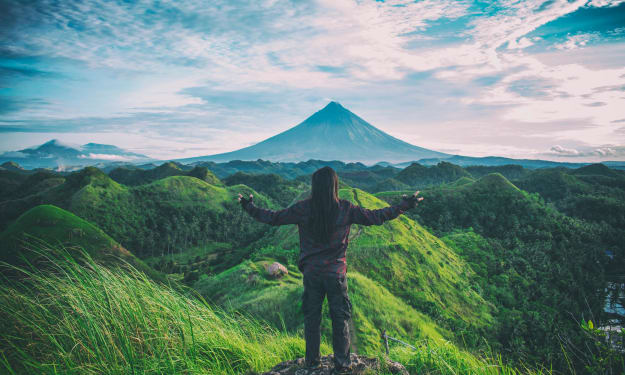
To many, mountains are just large pieces of earth—cold, high, and difficult to climb. But for those who seek something deeper, mountains are ancient teachers, silently watching the world for millions of years. This is the story of Amina, a young woman who left behind her busy city life to climb the towering peaks of the Karakoram range, searching not for adventure, but for peace.
By Raza Ullahabout a year ago in Earth
Whispers of the Endless Sands
The desert is often misunderstood—a place seen as lifeless, barren, and punishing. But to those who dare to walk its golden expanse and listen carefully, the desert speaks. It tells stories of resilience, ancient secrets, and the quiet harmony of survival. This is the story of a young traveler named Samir, who ventured into the desert not just to cross it, but to understand it.
By Raza Ullahabout a year ago in Earth
How Alfridah Kgabo Matse Supports Community Wellness in South Africa’s Cold Season
South Africa weather cold front patterns continue to create pressing public health concerns, especially for underserved regions across the country. While weather forecasts focus on temperatures and wind speeds, health implications often receive less attention. This is where the role of community leaders like Alfridah Kgabo Matse becomes vital.
By Alfridah Kgabo Matseabout a year ago in Earth
The Wild Road
Once upon a time, in a quiet village near the edge of a thick, green jungle, there lived a curious little boy named Rohan. Rohan was seven years old and full of questions. He loved animals, climbing trees and listening to the stories his Grandpa told him every evening.
By Mansoor Ahmadabout a year ago in Earth
Medicinal Garden Kit
I never thought a cardboard box of seeds would change how I relate to health, nature, and my own sense of self-reliance. But then again, I never thought I’d be the type to write a review about a gardening kit either. Yet here I am, halfway through my second season growing with the Medicinal Garden Kit by Dr. Nicole Apelian, and I feel compelled to share this experience — not as a sales pitch or affiliate plug, but as someone who found something real in a world full of wellness noise. So if you’re wondering whether this medicinal garden kit is worth it, if it’s just a trendy survivalist product, or if you could even grow anything from it in the first place — stick around. I had all those questions too. What I discovered went far beyond what I expected. A few years ago, I started paying more attention to what I put in and on my body. It began with food — eating less processed stuff, more whole ingredients. Then I moved on to skincare, slowly swapping drugstore brands for natural alternatives. But when it came to actual medicine — cold and flu season, cuts, stomach issues — I still ran to the pharmacy. I don’t distrust modern medicine. In fact, I respect it deeply. But I couldn’t shake the feeling that there were simple, natural ways to support my body that I hadn’t tapped into. Then I found Dr. Nicole Apelian’s work. She’s a biologist and herbalist known for her appearance on the show Alone and for managing her MS symptoms with natural remedies. Her approach felt grounded, knowledgeable, and lived — not gimmicky or “woo.” When I saw she had designed a Medicinal Garden Kit, I figured it was the perfect gateway for someone like me — interested, but inexperienced. The kit arrived in simple, eco-conscious packaging. Inside were ten packs of heirloom, non-GMO medicinal herb seeds, each labeled clearly. They included: Chamomile Echinacea Yarrow Calendula Lavender Marshmallow Peppermint Valerian Thyme Sage Every one of these herbs has been used for generations in natural medicine, and they weren’t chosen at random. Dr. Apelian curated this set with intention, balancing plants for immune support, skin healing, digestion, sleep, and more. But what really impressed me was the Medicinal Garden Guide included with the kit. It’s not just about growing — it’s about using. This 80-page guidebook teaches you: How to plant, water, and care for each herb How and when to harvest How to dry, store, and prepare each plant Basic recipes for teas, tinctures, salves, and infusions It’s full of helpful instructions, but also calm, encouraging advice. The tone is perfect — like a mentor who wants you to succeed without making you feel like you need a PhD in botany. Here’s the truth: I don’t have a green thumb. I’ve failed at succulents. I’ve let mint take over an entire container. The idea of starting from seed was, frankly, intimidating. But I gave myself permission to learn — and fail, if necessary. I planted chamomile, peppermint, calendula, and lavender in pots near a sunny window to start. Using the guidebook, I followed instructions about depth, spacing, and watering. And slowly, to my surprise, sprouts appeared. Tiny, stubborn, green signs of life. Some herbs germinated fast (chamomile was eager to grow), while others like lavender took more time. I lost a few sprouts early to overwatering, but I adapted. And by the end of spring, I had a balcony filled with aromatic, thriving plants. That was my first win: I could do this. By midsummer, I began harvesting — mostly chamomile and calendula flowers, peppermint leaves, and sage. I dried them in bunches, stored them in small jars, and started experimenting. The guidebook walks you through each plant’s benefits and includes simple ways to use them. Here’s what I tried first: Chamomile tea before bed: calming, effective, and surprisingly flavorful compared to store-bought. Peppermint tea for digestion: it really works, especially after heavy meals. Calendula oil for dry skin: I infused flowers in olive oil for a few weeks, strained it, and started using it on minor cuts and dry patches. It was soothing and gently healing. Later, I made a basic echinacea tincture for immune support. The process was easier than I thought — just a matter of patience, a mason jar, and high-proof alcohol. I felt a new sense of empowerment knowing that I was building a kind of natural medicine cabinet. I’m not saying these herbs replaced everything. I still keep conventional medicine around. But for many everyday issues — trouble sleeping, indigestion, sore throats — my first stop now is the shelf of jars I grew and made myself. If you’re reading this and thinking, “Sounds nice, but I could never keep that up,” I get it. That was me too. But here’s the thing: the Medicinal Garden Kit doesn’t expect perfection. It invites you to start where you are. Maybe you plant one or two herbs in containers on your windowsill. Maybe you make just one cup of homemade tea. That’s still a beginning. And this kit makes that beginning feel easy and supported. Would I recommend it? Absolutely. To beginners: You’ll learn as you go. The guidebook makes it very hard to mess up. To health-conscious folks: This is a great way to reduce dependency on store-bought products. To parents: It’s a beautiful, screen-free way to teach kids about plants, biology, and wellness. To apartment dwellers: Most herbs grow well in pots. You don’t need a garden to make this work. To skeptics: Just try one thing. One plant. One recipe. Nature will do the rest. That's why I highly recommend the Medicinal Garden Kit.
By The strongest reviews of 2025about a year ago in Earth
Maybe the way I was taking care of you was a cycle of taking care of myself.Trees: Guardians of Life and Pillars of the Earth
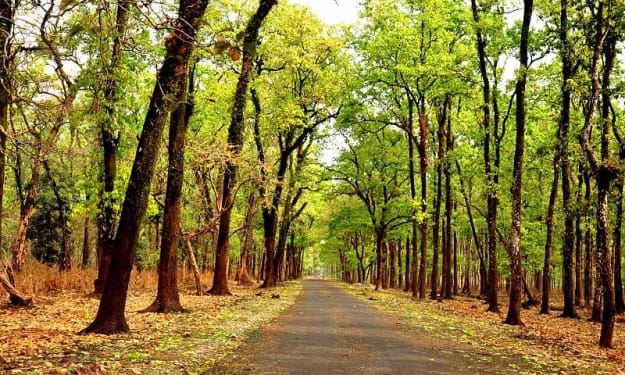
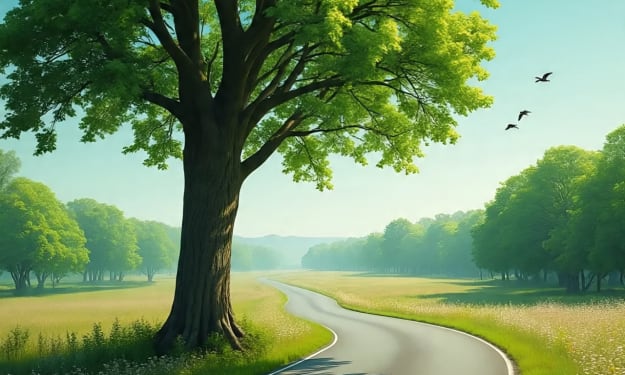
Start writing..Trees are among the most important life forms on Earth. Towering over landscapes and thriving in diverse climates—from tropical rainforests to arid deserts—trees are more than just part of the scenery. They are silent sentinels of time, providers of oxygen, homes to countless organisms, and essential regulators of our global climate. Their role transcends the biological realm; trees hold deep cultural, economic, and spiritual significance in many societies. As the planet faces unprecedented environmental challenges, the importance of trees has only grown more apparent. In this essay, we will explore trees from multiple perspectives: their biology, ecological functions, economic value, cultural symbolism, and the urgent need to protect them.
By zakir ullah khanabout a year ago in Earth
During Earth's previous global warming episodes, little marine animals have invariably become extinct.
Fusulines, which are shells tiny than a grain of sand, are some of the greatest pages in the extensive, detailed records of climate change kept by Earth's oceans.
By Francis Damiabout a year ago in Earth
Scorching Summer Days in New York City. AI-Generated.
Summer in New York City is a special time. The days are long, the sun is bright, and people fill the streets. But sometimes, the heat becomes very strong. When this happens, life in the city changes. People must find ways to stay cool and safe.
By Bilal Mohammadiabout a year ago in Earth