Latest Stories
Most recently published stories in Earth.
Climate Change in 2025: A Planet at the Crossroads
Introduction As we enter the second half of the decade, climate change is no longer a distant threat — it's the defining reality of 2025. From record-breaking temperatures to unprecedented natural disasters, the signs are clearer than ever: Earth is in crisis. And while scientific warnings have echoed for decades, the time for warnings is over. We are now living in the consequences.
By Syed Hazrat Hussain about a year ago in Earth
The Changing Climate. AI-Generated.
Climate change is one of the most significant challenges facing our planet today. Over the last century, the Earth's average surface temperature has risen dramatically, leading to extreme weather patterns, rising sea levels, and disruptions to ecosystems. Scientists around the world have confirmed that human activity, particularly the burning of fossil fuels, is the primary driver of this warming trend. As global citizens, it’s our responsibility to understand climate change and take action to reduce its effects. --- What Is Climate Change? Climate change refers to long-term changes in temperature, precipitation, wind patterns, and other aspects of the Earth's climate system. While the climate has naturally changed over geological time, the current trend of warming is occurring at an unprecedented rate due to human influence. This rapid change is not only altering the natural environment but also threatening our way of life. --- Causes of Climate Change The main cause of modern climate change is the increase in greenhouse gases in the atmosphere. Carbon dioxide (CO₂), methane (CH₄), and nitrous oxide (N₂O) are released through burning fossil fuels like coal, oil, and natural gas, as well as through agriculture and deforestation. These gases trap heat in the atmosphere, creating a “greenhouse effect” that raises global temperatures. Human activities, such as industrial processes, transportation, electricity production, and land use changes, have significantly accelerated the accumulation of greenhouse gases. The Intergovernmental Panel on Climate Change (IPCC) has repeatedly warned that without major reductions in emissions, the world is on track for severe environmental disruption. --- Impacts on the Environment Climate change is already having a visible impact on our planet: Melting Glaciers and Rising Seas: Ice sheets in Greenland and Antarctica are melting at alarming rates, contributing to sea-level rise that threatens coastal communities. Extreme Weather: Hurricanes, heatwaves, floods, and droughts are becoming more frequent and severe. Loss of Biodiversity: Animals and plants struggle to adapt to rapidly changing climates, leading to habitat loss and extinction. Ocean Warming and Acidification: Oceans absorb much of the excess heat and carbon dioxide, affecting marine life and ecosystems like coral reefs. --- Human Health and Climate Change The effects of climate change also pose serious risks to human health. Increased heat can lead to heatstroke and dehydration, particularly among the elderly and young children. Air pollution from burning fossil fuels can cause respiratory issues. In some regions, changing weather patterns may lead to the spread of diseases like malaria or dengue fever as mosquitoes thrive in new environments. Additionally, crop failures and water shortages can lead to malnutrition and conflict over resources. --- Global Efforts to Combat Climate Change Nations around the world have recognized the urgency of climate change and are working together to reduce emissions. The Paris Agreement, signed by nearly 200 countries, aims to limit global warming to well below 2°C above pre-industrial levels. Countries have pledged to reduce emissions, invest in renewable energy, and protect natural ecosystems. Technological innovations such as solar and wind energy, electric vehicles, and carbon capture methods are also playing a key role in reducing humanity’s carbon footprint. However, implementation and enforcement remain challenging, especially in developing nations that need support to transition to green economies. --- What Can We Do? Everyday Solutions Each of us can contribute to the fight against climate change through everyday choices: Reduce Energy Use: Turn off unused appliances, use energy-efficient lighting, and insulate homes to reduce heating and cooling needs. Switch to Renewable Energy: If possible, choose solar or wind power for homes and businesses. Drive Less: Walk, cycle, carpool, or use public transportation to reduce carbon emissions. Eat Sustainably: Eating more plant-based foods and reducing food waste can lower the carbon impact of our diets. Support Eco-Friendly Policies: Vote for leaders and support laws that prioritize climate action and sustainable development. --- Conclusion: A Call to Action Climate change is not a distant threat—it is happening now and affects everyone. While the challenges are immense, the solutions are within reach. By making conscious choices and urging governments and industries to act responsibly, we can protect our planet for future generations. The time to act is now, and together, we can shape a sustainable and livable world.
By Junaid Ali (Official)about a year ago in Earth
Zero Waste Nature Adventures
In a world increasingly conscious of its environmental footprint, the idea of Zero Waste Nature Adventures is more than just a trend — it’s a movement. It's about embracing the thrill of outdoor exploration while minimizing the waste we create. Whether you're hiking up a rugged mountain trail, kayaking through serene rivers, or camping under the stars, zero waste principles can guide you toward more sustainable and meaningful adventures.
By JAWAD HUSSAINabout a year ago in Earth
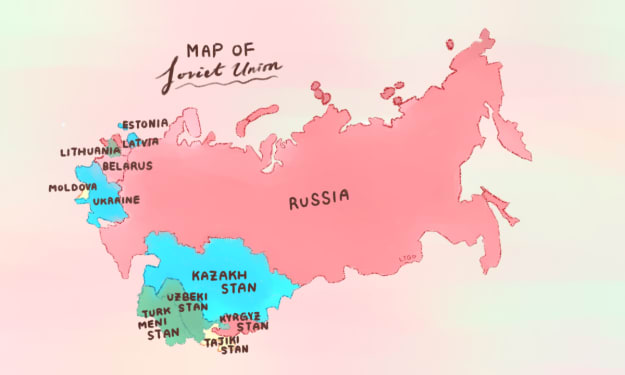
How did the 15 Soviet States leave the Soviet Union?
Since the collapse of the Soviet Union in 1991, various countries that used to be part of the Union has gained its independence and has been striving in their respective fields ever since, but have you ever wondered, why and how did the Soviet Union states break away from each other? In this exploration, we will be learning why and how the Soviet states broke away from the Union, in all sorts of ways.
By LuckyToday Geographyabout a year ago in Earth
Secret Parks in Amsterdam, Paris & Barcelona for a Quiet Break
If you’re one of those people enjoying peaceful and quiet breaks during your getaways to top cities, there’s good news in store for you. You’ll find some fabulous secret or hidden parks that offer amazing experiences when you visit the top destinations like Amsterdam, Paris, Barcelona, and others. Here is a guide that you will find useful in this regard.
By Mohsin Pandowabout a year ago in Earth
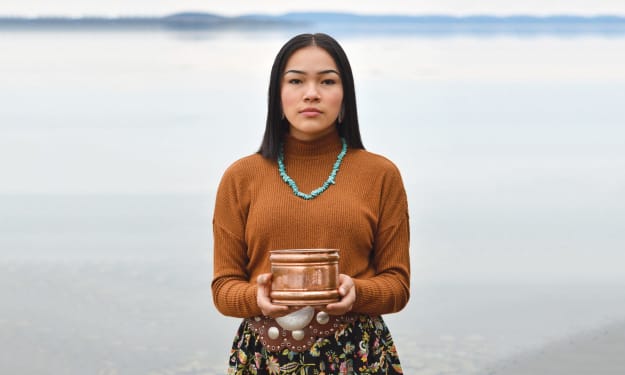
Autume Peltier
by Futoshi Tachino Meta Description: Autumn Peltier is a young Anishinaabe climate activist from Canada who is transforming global water advocacy through Indigenous leadership. Discover her inspiring journey and how you can support her mission.
By Futoshi Tachinoabout a year ago in Earth
America's Unfolding Story: From Ancient Roots to Modern Realities
The story of America is a complex tapestry, far predating the arrival of Europeans. For tens of thousands of years, Indigenous peoples traversed and thrived across the vast and varied landscapes that would later become known as the Americas. These diverse cultures, from the sophisticated agricultural societies of the Mississippi Valley to the nomadic hunters of the Great Plains and the intricate civilizations of Mesoamerica and the Andes, developed unique languages, spiritual beliefs, social structures, and profound understandings of their environments. They *discovered* and shaped America in the fullest sense, building intricate societies and developing sustainable practices that sustained millions.
By noor ul aminabout a year ago in Earth
Journey Through Japan: A Tapestry of Tradition and Tomorrow
The aroma of ramen hung in the air, a delicious promise of culinary adventures. From the window of the Shinkansen, Japan blurred into a vibrant tapestry of urban sprawl and verdant countryside. My long-anticipated journey to the Land of the Rising Sun had begun, and with each passing kilometer, the excitement in my chest swelled.
By noor ul aminabout a year ago in Earth
The Use of Mobile Phones
It was 7:00 a.m. when Maya’s alarm rang—an upbeat tune playing from her smartphone. She groaned, reached for it, and hit snooze. Five minutes later, the alarm blared again, and this time, she sat up. She had a full day ahead: classes, errands, and a group presentation to prepare for. Before getting out of bed, she scrolled through her notifications—messages from friends, a reminder from her calendar, and a news update. This wasn’t unusual. In fact, Maya’s entire day revolved around her phone. As she got dressed for college, she opened a language-learning app to revise vocabulary. On the way to the bus stop, she called her mother, who lived in another city, and they spoke for a few minutes—a quick check-in. Once on the bus, Maya plugged in her earphones and caught up on a podcast discussing global issues. She felt connected, informed, and somehow, in control. Across town, Ramesh, a delivery driver in his mid-thirties, checked his route for the day on his phone. Without it, his work wouldn’t be possible. His employer sent customer addresses, and digital payments came through a mobile app. Ramesh often wondered how people managed before smartphones. He used it not just for work, but to talk to his wife during breaks, check cricket scores, and watch short videos to relax. Meanwhile, in a quiet village 300 kilometers away, twelve-year-old Anjali sat under a tree with her classmates. They crowded around a single smartphone, watching a science lesson downloaded by their teacher the previous evening. The school lacked a computer lab and internet access, but the teacher used his phone to bring in the world outside—a place where rockets launched into space and underwater creatures swam through coral reefs. For Maya, Ramesh, Anjali, and millions like them, the mobile phone had become more than a gadget—it was a bridge. A bridge between people, opportunities, knowledge, and services. Later that afternoon, Maya met with her groupmates at the library. They sat together, not with papers and pens, but with phones and laptops. One person gathered research articles, another created slides, and Maya coordinated with a classmate who was joining remotely. The project came together seamlessly. Yet, not all moments with mobile phones were positive. That evening, Maya and her friends went out for dinner. They sat around a table, each with a phone either in their hand or next to their plate. The conversation was sporadic—someone paused to reply to a text, another scrolled through social media while waiting for the food. Maya noticed the silence between them. It felt... odd. They were together, but not truly present. Across the city, Ramesh sat with his son, trying to help him with homework. But his phone buzzed with delivery updates and messages. Each time he looked down at the screen, his son’s frustration grew. “You’re not listening,” the boy finally said. Ramesh sighed, turned the phone over, and promised himself he’d switch it off after dinner. In the village, Anjali’s teacher held a community session, explaining the benefits—and dangers—of mobile phones. He spoke about how children could be distracted or misled by content online. “It’s a tool,” he said, “and like any tool, it depends on how we use it.” The next morning, Maya left her phone in her bag during her morning lecture. She found she listened better and took more detailed notes. After class, she sat on a bench outside and watched the campus come to life—students laughing, birds chirping, the soft wind rustling through the trees. She smiled. It felt refreshing. The world had changed, and so had people. The mobile phone had brought families closer, improved education in remote areas, supported livelihoods, and offered entertainment at one’s fingertips. But it had also blurred the line between personal and digital life, raised concerns about privacy, and at times, replaced real conversations with screen time. In the end, Maya realized, it wasn’t about using mobile phones less—it was about using them wisely. About knowing when to connect with the world, and when to disconnect and just be. As she walked to her next class, her phone buzzed. She paused, looked at the notification—and then slid it back into her pocket. Some moments, she knew, were better lived than captured.
By Muhammad Saad about a year ago in Earth