Latest Stories
Most recently published stories in Earth.
The Impacts of Climate Change
Climate Change Climate change refers to the long-term warming of the planet due to the increase in greenhouse gases in the atmosphere. These gases, such as carbon dioxide, trap heat from the sun and prevent it from escaping into space, causing the Earth's temperature to rise.
By Kahi Bradshaw-Williams4 years ago in Earth
5 Automatic technologies of All time.
5 Automatic technologies of All time: Today we are talking about 5 Automatic technologies of All time. Technologies always improve the working style of humans. Everyday new technologies are taking place. Everyday new inventions of technology has made life easy.
By Abdul Haseeb4 years ago in Earth
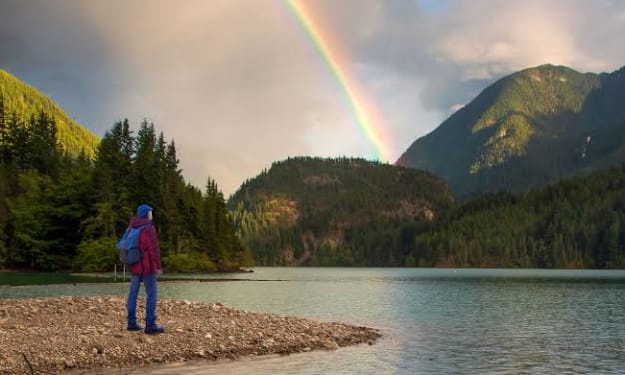
The Beauty of Nature: Capturing Rain and Lightening in Photos
Nature can be a beautiful and unpredictable thing, making it one of the most exciting things to capture with a camera. Rain and lightening can be especially difficult to capture in photos, as they often come and go in a moment's notice. But, when it's done right, the results can be breathtaking. Capturing rain and lightening in photos can be a thrilling experience, as you never know what you're going to get. You could capture a single raindrop hitting the ground, or a full-on lightening storm. You could get a shot of a rainbow, or a beautiful night sky with lightening in the background. The possibilities are endless when you decide to take pictures of rain and lightening. Whether you're an amateur photographer or a professional, you can discover the beauty of nature and make something truly special with your camera.
By Zaki Mahad4 years ago in Earth
is sansevieria toxic to pets ?
is sansevieria toxic to pets? One of the apartment plants that can make your house amazingly beautiful is the snake plant (sansevieria), which is very easy to maintain. But you should note that sansevieria is toxic to humans and pets such as dogs and cats. In the following, we will examine its toxicity.
By the house plants4 years ago in Earth
The Power of One: How Small Changes Can Make a Big Difference for the Environment
Once upon a time, in a small town nestled in the rolling hills of rural America, there lived a group of people who were deeply concerned about the state of the environment. They had heard about the devastating effects of climate change and knew that they had to take action to reduce their own carbon footprint and make a positive impact on the planet. One of the first things the group did was to start looking for ways to reduce their energy consumption. They knew that burning fossil fuels for energy was a major contributor to greenhouse gas emissions, so they began to explore alternative sources of energy. Some of them installed solar panels on their roofs to generate electricity from the sun, while others invested in wind turbines to harness the power of the wind. In addition to switching to renewable energy sources, the group also focused on reducing their energy consumption in their daily lives. They unplugged electronics when they weren't in use, turned off lights when they left a room, and used energy-efficient appliances whenever possible. They even went so far as to insulate their homes and seal up any drafts to prevent heat loss in the winter and keep their homes cool in the summer. Another area the group focused on was water conservation. They knew that water was a precious resource, and they were determined to use it wisely. They started by fixing any leaks in their homes, which helped to reduce their water usage. They also installed low-flow showerheads and toilets to further reduce their water consumption. The group also worked to reduce their waste by practicing the three R's - reduce, reuse, and recycle. They made a conscious effort to buy products with minimal packaging and to recycle as much as possible. They also started composting their food waste, which helped to reduce the amount of waste that ended up in landfills. As the group worked to implement these sustainability hacks in their daily lives, they noticed a number of positive changes. Not only were they doing their part to reduce their carbon footprint and protect the environment, but they were also saving money on their energy and water bills. They were proud of the positive impact they were making, and they encouraged others in their community to adopt similar practices. As word of their efforts spread, more and more people in the community began to follow their lead. They saw the benefits of living sustainably and realized that they too could make a difference by adopting similar practices in their own lives. Together, the community was able to reduce its carbon footprint and make a positive impact on the environment. And so, the small town of rural America became a model for sustainability and environmental protection. Its residents were proud of the steps they had taken to reduce their carbon footprint and make a positive impact on the planet, and they were determined to continue their efforts in the years to come. As the years passed, the small town continued to thrive and grow, thanks in large part to the efforts of its environmentally-conscious residents. They had become a model for sustainability, and other communities around the country looked to them for guidance and inspiration. One day, a group of environmentalists visited the town to learn more about their efforts. They were amazed by what they saw - a community that had truly embraced the principles of sustainability and was thriving as a result. They knew that this was the kind of positive change that the world needed, and they were determined to spread the word. As the environmentalists left the town, they knew that they had found something special. They knew that the people of this small town had found a way to live sustainably and make a positive impact on the planet, and they were determined to share their story with the world. And so, they set out on a mission to inspire others to adopt similar practices in their own lives. They traveled far and wide, spreading the word about the importance of sustainability and the many benefits it could bring. And as more and more people began to adopt sustainable practices in their own lives, the world began to change for the better. The small town of rural America had truly made a difference, and its impact was felt around the globe. The people of the town were proud of what they had achieved, and they knew that their efforts had made a lasting difference for future generations. They were a testament to the power of individual action and the positive impact that it can have on the world.
By Jomarie Omandam4 years ago in Earth
From Surviving to Thriving: Innovative Solutions for Adapting to a Changing Climate
In a small coastal town in the Pacific Northwest, the community was no stranger to extreme weather events. Storms brought heavy rains and strong winds that often caused flooding and landslides, damaging homes and infrastructure. But in recent years, the town had seen an increase in the severity and frequency of these events, and the residents knew they needed to do something to prepare. The town council began researching the latest developments in climate change adaptation and found that one key solution was to invest in sustainable infrastructure. They worked with engineers to design green infrastructure projects, such as permeable pavements and green roofs, that could capture and filter stormwater runoff, reducing the risk of flooding. The council also implemented sustainable practices in the community, such as promoting the use of electric vehicles and encouraging residents to conserve energy and water. These efforts not only helped the community become more resilient to extreme weather events, but they also had the added benefit of reducing the town's carbon footprint. As the community became more prepared for extreme weather events, they also worked to educate their neighbors and spread the word about the importance of climate change adaptation. They hosted workshops and events to teach people about sustainable living and the role that individuals can play in building a more resilient community. One of the most successful initiatives was a program that trained local youth to become leaders in sustainability. These young people learned about the science behind climate change and how to implement sustainable practices in their own homes and neighborhoods. They also worked with community organizations to advocate for climate action at the local level. Through these efforts, the community was able to not only prepare for and mitigate the impacts of extreme weather events, but they were also able to create a more sustainable and livable town for future generations. As the town's resilience grew, so did its reputation as a model for other communities looking to adapt to the changing climate. Officials from other towns and cities visited to learn from the town's experience and implement similar initiatives in their own communities. Thanks to the commitment of its residents and the implementation of sustainable infrastructure and practices, the small coastal town was able to not only weather the storms, but also thrive in the face of a changing climate. As the years passed, the small coastal town continued to thrive, thanks in large part to the investments they had made in sustainable infrastructure and practices. Storms still came, but the community was better prepared than ever before, with green roofs and permeable pavements that captured and filtered stormwater runoff, reducing the risk of flooding. The town's efforts to educate and engage the community in climate action paid off as well, as more and more residents embraced sustainable living. Solar panels dotted rooftops, electric vehicles filled the streets, and composting and recycling programs were well-utilized. The community's youth leadership program also continued to grow, with more and more young people stepping up as leaders in sustainability. They worked with local businesses and organizations to implement even more green initiatives, such as community gardens and bike-sharing programs. As the town's resilience increased, so did its reputation as a leader in climate adaptation. Officials from other communities came from far and wide to learn from the town's experience and replicate its success. But perhaps the greatest reward for the small coastal town was the sense of pride and accomplishment that came from knowing they had taken control of their own future. They had faced the challenges of a changing climate head-on and, through hard work and determination, had built a more sustainable and livable community for themselves and for generations to come.
By Jomarie Omandam4 years ago in Earth
Nature's Healing Power: The Importance of Connecting with the Natural World
Karl was an energetic and curious boy, always eager to explore and learn new things. One day, his parents suggested that they go on a hike in the nearby woods to appreciate the beauty of nature. Karl was thrilled at the idea and couldn't wait to get started. As they walked through the dense forest, Karl marveled at the tall trees that seemed to stretch up to the sky. He noticed how the leaves rustled softly in the breeze, and how the sunlight filtered through the branches, casting a warm glow on the forest floor. As they hiked deeper into the woods, Karl's senses were heightened. He could hear the chirping of birds and the rustling of small animals in the underbrush. He could smell the sweet fragrance of wildflowers and the earthy scent of the forest floor. He felt a sense of peace and calm wash over him, as if the world outside the woods had melted away. Karl's parents encouraged him to take his time and explore, pointing out different plants and animals along the way. They showed him how to identify different types of trees by their leaves and bark, and taught him about the different roles that each plant and animal played in the ecosystem. As they walked, Karl began to understand the importance of preserving and protecting the natural world. He realized that everything in the forest was connected, and that if one part of the ecosystem was damaged, it could have a ripple effect on the rest of the environment. Inspired by his experience in the woods, Karl decided to try his hand at gardening at home. He learned how to plant and care for different types of vegetables and flowers, and was thrilled to see them grow and thrive. Gardening not only allowed him to connect with nature in a more hands-on way, but it also taught him about the importance of sustainability and conservation. Karl also enjoyed birdwatching, another activity that allowed him to spend time in nature and appreciate the beauty of the natural world. He learned about different species of birds and their habitats, and was amazed by the intricate patterns and colors of their feathers. Overall, Karl's adventures in nature had a profound impact on him. He came to understand the importance of preserving and protecting the environment, and he learned to appreciate the beauty and complexity of the natural world. And he knew that there was always more to explore and discover, no matter how much he learned. As Karl grew older, he continued to spend as much time as possible in nature, exploring the woods and gardens near his home. He became an avid hiker and birdwatcher, and even started a small nature club at school to share his love of the outdoors with his classmates. Karl's parents were proud of their son's passion for the environment, and they encouraged him to pursue his interests. They often went on nature hikes and camping trips with him, and taught him about the importance of conservation and sustainability. Karl's love of nature also inspired him to get involved in environmental activism. He joined local conservation groups and participated in beach cleanups and tree planting events. He also educated his friends and community about the importance of protecting the environment and preserving natural habitats. As he grew older, Karl decided to study environmental science in college. He was determined to make a positive impact on the world and protect the natural beauty that he had come to love. After college, Karl landed a job at a conservation organization, where he worked to protect and restore natural habitats for endangered species. He was thrilled to be able to use his knowledge and skills to make a difference in the world. As Karl looked back on his journey, he was grateful for the time he had spent in nature as a child. It had opened his eyes to the wonders of the natural world and taught him the importance of preserving and protecting the environment. And as he continued to work towards a more sustainable and healthy planet, Karl knew that he would always have a deep love and appreciation for nature, and he hoped that others would join him in his efforts to preserve and protect the world's precious resources for future generations.
By Jomarie Omandam4 years ago in Earth
God gave him only a paintbrush
Since childhood, he has not left a good impression on his relatives and friends: naughty, active, not likeable. And he made a mess of scribbling with pencils or watercolours on the walls and furniture, whether in his own home or that of relatives.
By Corinne C Baker4 years ago in Earth
Inspiring positive energy inspirational story
Wait for the champagn Perhaps her childhood home should have been a turbulent carriage, not a warm shelter. Her mother had been married four times, mostly through bad luck, and she didn't know who her father was until she was 15, so her stepfather always told her that she was either a sharp employee who was constantly unemployed or a compulsive gambler. As a result of her mother's marriage, she has moved more than 30 times, she tired of this kind of life, once from the dream more than once cry up, because, she has a beautiful girl child fatal congenital defect, she is a "cross-eyed"!
By Corinne C Baker4 years ago in Earth