Latest Stories
Most recently published stories in Earth.
Making Waves: The Power of Swimming
Making Waves: The Power of Swimming How One Sport Builds Strength, Confidence, and Lifelong Skills in and out of the Water When Mia first dipped her toes into the water at age eight, she clung to the pool’s edge with wide eyes and a pounding heart. She wasn’t afraid of water exactly—but the idea of letting go, floating, and trusting herself in something so vast was overwhelming. Fast-forward six years, and Mia now swims laps with confidence, helping teach younger kids during summer swim camp. What changed? A lot—but mostly, swimming itself. Swimming is more than just a way to cool off on hot days. It’s a skill that builds resilience, improves health, and opens doors to personal growth. Whether you're learning at five or fifty, it offers powerful benefits—both physically and mentally. The Physical Power of Swimming From the outside, swimming might look like graceful strokes and splashes. But under the surface, it’s one of the most complete full-body workouts available. Nearly every muscle group is engaged—arms, legs, back, and core. Plus, because water provides resistance without impact, it’s ideal for people of all fitness levels. According to the Centers for Disease Control and Prevention (CDC), swimming can improve heart health, build endurance, tone muscles, and help maintain a healthy weight. It’s also one of the few physical activities that people with injuries or disabilities can safely do with minimal stress on joints. “My doctor recommended swimming after my knee surgery,” says Jordan, 42. “I started just to recover, but I fell in love with how it made me feel—stronger, calmer, and more in control of my body.” Mental Benefits Beneath the Surface But swimming isn’t just about physical health—it has surprising mental health benefits too. Being in water can trigger a calming, almost meditative state, especially during steady lap swimming. The rhythmic motion, steady breathing, and gentle sound of splashing can quiet the mind and relieve anxiety. Studies have shown that swimming can help reduce symptoms of depression, improve mood, and even sharpen focus. Many people say swimming is their “reset button” after a stressful day. “I call it my therapy,” says Priya, a college student who swims three times a week. “The pool is the only place where I can really disconnect from everything—phones, deadlines, distractions—and just be present.” Building Confidence and Life Skills Learning to swim is also a huge confidence booster, especially for kids. It teaches persistence, trust in oneself, and how to overcome fear—a lesson that sticks. “It’s about more than swimming,” says Coach Luis, a swim instructor of 20 years. “When kids conquer the deep end, they feel like they can conquer anything.” Swimming also teaches responsibility, discipline, and goal setting—especially for those who join swim teams or take lessons regularly. From setting personal best times to simply mastering a new stroke, swimmers constantly push themselves to improve. For young swimmers, these lessons often ripple into other areas of life—school, friendships, and even future careers. A Lifesaving Skill for Everyone Perhaps most importantly, swimming is a vital life skill that everyone should learn. According to the World Health Organization, drowning is one of the leading causes of unintentional injury deaths worldwide. Learning to swim—no matter your age—can literally save lives. “I didn’t learn until I was 35,” says Elena, a mother of two. “But once I did, I made sure both my kids were in swim lessons as soon as possible. It gives me peace of mind, especially during summer.” Many community centers and schools now offer affordable or free swim programs, aiming to make lessons accessible to all. Initiatives like “Swim Safe” and “Everyone In the Pool” are working to close the gap and bring water safety education to underserved areas. Making a Splash That Lasts a Lifetime Back at the pool, Mia lines up with a group of younger swimmers, showing them how to streamline their bodies for a strong push-off. She’s calm, confident, and clearly having fun. “Swimming helped me find my voice,” she says. “It taught me not just how to swim, but how to believe in myself.” That’s the power of swimming—it’s not just about moving through water. It’s about finding strength, calm, and courage you didn’t know you had. Whether you're diving in for the first time or returning to the pool after years away, it’s never too late to make waves.
By Muhammad Saad about a year ago in Earth
Body Emerges from the Glacier After 28 Years
Body Emerges from the Glacier After 28 Years: Kohistan Witnesses a Stirring Scene of Nature, Memory, and Loss In accordance with the immutable laws of nature, ice has long been known to preserve objects, bodies, and memories across decades — sometimes even centuries. It conceals the past within its cold grip, keeping it frozen in time until the moment of release arrives. Such a moment has recently occurred in the snow-clad highlands of Kohistan, where an extraordinary discovery has captivated local residents and resonated deeply with anyone who has known loss. From the mighty glaciers of the Lady Pals region — tucked deep within the formidable Bar Pals mountains — a body has emerged after nearly three decades. The remains of Naziruddin, son of Behram from the Salih Khel tribe, have been found in a remarkable state of preservation, having been locked in the embrace of ice for 28 long years. The body was recovered wearing a waistcoat, and, astonishingly, an intact national identity card found in the pocket confirmed his identity beyond any doubt. This discovery has reopened a chapter that the people of the region — particularly the family and loved ones of Naziruddin — thought had long closed. Known affectionately as Hajo by his friends and kin, Naziruddin disappeared in 1997 during a return journey from Supt, a remote area often traversed by nomads and local traders. As per accounts shared by village elders and local historians, he had set out on horseback, likely accompanied by supplies, perhaps even with news to share or plans to unfold. But fate had different plans. He never reached his home. Somewhere along the treacherous trail back, he and his horse slipped into a deep crevasse in the Lady Glacier — one of many hidden dangers of the unforgiving mountainous terrain. Following his disappearance, local search teams and villagers carried out exhaustive efforts to locate him. In those days — absent of drones, GPS trackers, or sophisticated rescue equipment — all they had was their knowledge of the land, sheer determination, and the support of one another. For days, they combed the glaciers, called out his name, and prayed for a sign. But nature remained silent. The glacier kept its secret, and Naziruddin was eventually declared missing, his fate buried beneath layers of snow and sorrow. Years passed. Life in Kohistan moved on. Seasons changed, generations grew up hearing only stories of the man who disappeared into the glacier. His name became a whispered memory in the valleys — a quiet reminder of nature’s majesty and mercilessness. And then, nearly three decades later, in the summer of 2025, the glacier finally released its long-held secret. As global warming and rising temperatures continue to impact even the most remote corners of the Earth, the glaciers of Kohistan have begun to recede. Melting patterns, once predictable and seasonal, have grown erratic. During one of these recent melting periods, local shepherds grazing their flocks in the higher altitudes of the Bar Pals region noticed something unusual. Near the edge of the glacier, they saw what appeared to be human remains — a haunting and unexpected sight. They immediately informed the nearby villagers. A group of elders and residents assembled and hiked up to the spot, driven by both curiosity and caution. What they discovered was nothing short of miraculous — the frozen remains of a man still partially clothed, preserved by the cold, as if time had simply paused around him. The intact identity card, nestled inside the folds of his waistcoat, left no doubt: this was Naziruddin. News of the discovery spread quickly, sending shockwaves through the entire region. For some, it was a spiritual moment — a sign from nature, or even a divine gesture offering closure after so many years of unanswered prayers. For others, it was a deeply emotional reckoning, bringing back memories that had been buried under decades of acceptance, sorrow, and silence. Naziruddin’s family was notified without delay. As the tragic confirmation reached them, they rushed to the site — a journey filled with trembling anticipation and heartache. When they saw the body of their beloved, long presumed gone forever, emotions overflowed. Grief mingled with relief. Tears flowed freely. After 28 long years of waiting, wondering, and mourning in uncertainty, they could finally offer him the dignity of a proper burial. Local residents describe the scene with both awe and heartbreak. Elderly villagers who remembered the day he vanished said that seeing his body again was like reopening an old wound — but also like turning the final page of a painful story. One elder recalled, “We thought he had become a part of the mountains forever. Now, it feels like he came back to us… not alive, but returned.” The community came together in solidarity with the family. A funeral was arranged with traditional rites. Men, women, and children from surrounding hamlets and valleys gathered, not just to mourn Naziruddin, but to bear witness to a story that spoke to the enduring power of memory, the strength of nature, and the resilience of the human heart. This incident has sparked broader conversations about how many others may have met similar fates in these majestic but dangerous mountains — their stories still hidden beneath layers of ice. It has also highlighted the need for documentation of local oral histories, as well as the importance of equipping rescue teams for extreme terrain. For the Salih Khel tribe, and for Naziruddin’s immediate family, his return — even in death — has been bittersweet. His grave now lies not far from the glacier that held him for so long, a place where visitors may go not only to pay respects, but to reflect on the fragility of life and the power of patience. In the end, the mountains gave him back. And in doing so, they gave his people peace.
By Ikram Ullahabout a year ago in Earth
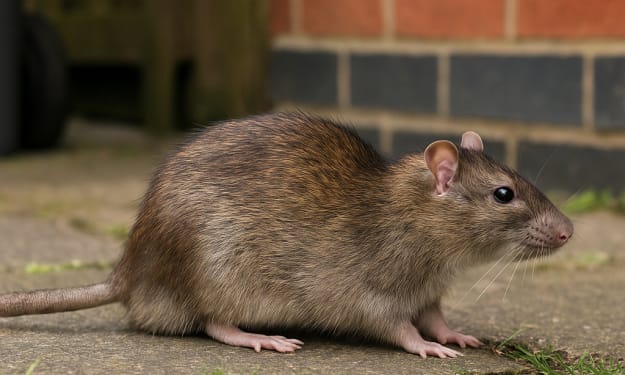
The Rise of Giant Rats: What’s Lurking in Britain's Backyards?
When a pest control technician recently stepped into a quiet house in Normanby, North Yorkshire, he wasn’t prepared for what he found. Inside a wall cavity, hidden from view, was a rat unlike any local resident had ever seen — measuring a staggering 22 inches from nose to tail, roughly the size of a small cat. For the family living there, it was a shock. For the rest of Britain, it’s a warning sign.
By Kamran Zebabout a year ago in Earth
Yasmin Bashirova: Shaping a New Era of Human Rights Advocacy
Human rights violations occur not just through unjust laws but through silence, neglect, and deeply rooted cultural biases. Legal channels, while critical, are often reactive, limited in scope, or inaccessible to those most affected. That is why non-legal human rights advocacy—community-based, educational, creative, and people-powered—remains one of the most potent tools for change. Among those redefining this space is Yasmin Bashirova, whose work illustrates the depth and breadth of impact that can be achieved without entering a courtroom.
By Yasmin Bashirovaabout a year ago in Earth
Upriver
The Kanawha, 1936 “THESE ARE ROADS to take when you think of your country,” wrote the poet Muriel Rukeyser about a road trip she took to central Appalachia in 1936. It’s a refrain she repeats throughout The Book of the Dead, a series of witness poems responding to the industrial tragedy at Hawk’s Nest.
By Inamulhaq Durraniabout a year ago in Earth
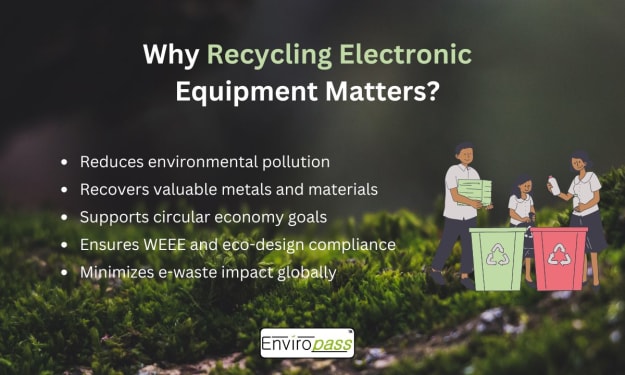
Recycling Electronic Equipment
In today’s world, almost everyone uses electronic devices—whether it's a smartphone, laptop, home appliance, or wearable tech. But what happens when those devices break, become outdated, or are simply no longer wanted? Unfortunately, many of them end up in landfills, contributing to one of the fastest-growing waste streams globally: electronic waste, or e-waste.
By Mahgol Nikpayamabout a year ago in Earth
Wanderlust Wonders
For Mia Torres, the day she left her office job in Chicago for a one-way ticket to Lisbon wasn’t just a leap of faith — it was the beginning of a new life. One suitcase, one camera, and a restless sense of curiosity were all she carried. That was three years ago. Since then, Mia has traveled to 27 countries, across four continents, and has redefined what “home” means. “The world is my home now,” she says, sipping Turkish tea on a rooftop in Istanbul, her laptop balanced on her knees. “And every day is different — unpredictable, beautiful, and often humbling.” Mia is part of a growing wave of digital nomads and long-term travelers — people who’ve embraced life on the move, trading routine for the richness of cultural immersion. Her life as a global tourist is not a permanent vacation, though it may appear that way on Instagram. It’s a lifestyle built on flexibility, planning, and a deep respect for the places and people she encounters. Morning in Motion Each morning, Mia starts her day not with a commute, but with a walk — whether it’s through the cobblestone streets of Porto or the rice terraces of Bali. She says it helps her ground herself in a new place. Then she finds a café with strong Wi-Fi and spends a few hours working remotely as a freelance content writer. This balance of work and exploration funds her travels and keeps her connected. Afternoons are for adventure: joining cooking classes in Vietnam, hiking in Patagonia, or learning snippets of local languages wherever she goes. “I’ve become an expert in the basics — hello, thank you, how much? Those few words can open doors.” The Heart of Travel: Connection Mia says the most rewarding part of tourist life isn’t the sights — though the Northern Lights in Norway and Petra in Jordan were unforgettable — it’s the people. From an elderly couple in Kyoto who shared their homemade miso soup, to a street artist in Mexico City who painted her portrait, it’s the human connections that linger. “It’s not about collecting stamps in your passport,” she says. “It’s about collecting stories.” Those stories often find their way into her blog, Wanderlust Wonders, where she shares travel tips, cultural insights, and honest accounts of life on the road. Her posts are refreshingly real — highlighting not just the beauty, but also the difficulties of her nomadic lifestyle. The Not-So-Instagrammable Side “Travel fatigue is real,” she admits. “Sometimes you just want your own bed, or to not have to figure out a new public transit system every week.” There are missed flights, lost luggage, and moments of loneliness. Mia also points to the emotional toll of constantly saying goodbye — to new friends, cities that felt like home, and fleeting connections. She’s also deeply aware of the impact tourism can have on local communities and the environment. “Being a responsible tourist is part of the job. That means supporting local businesses, being respectful of customs, and treading lightly — physically and culturally.” Lessons from the World Three years on the road have made Mia more adaptable, empathetic, and resilient. She’s learned that you don’t need much to be happy — just curiosity, kindness, and a decent travel pillow. “I used to think travel was about escape,” she reflects. “But now I see it’s about engagement — with the world, with others, and with yourself.” When asked how long she plans to keep traveling, Mia laughs. “There’s no end date. I’ll stop when I stop learning.” For now, her next destination is Georgia — the country, not the state — where she plans to volunteer at a vineyard during harvest season. “Every place teaches me something new. And there’s always more to discover.” A Life Less Ordinary Mia’s story isn’t about luxury or fame. She doesn’t stay in five-star hotels or chase bucket-list bragging rights. It’s about embracing uncertainty, living intentionally, and finding meaning in everyday moments far from home. Tourist life, as she’s discovered, isn’t about escape — it’s about expansion. Of horizons, of perspectives, and of the heart.
By Muhammad Saad about a year ago in Earth
Understanding the Role of Rare Earths in Advancing the Green Energy Transition with Stanislav Kondrashov
Nowadays, as Stanislav Kondrashov, founder of TELF AG, often points out, rare earths are directly contributing to the technological and energy development of our civilization. They are a group of 17 chemical elements found in the periodic table.
By Stanislav Kondrashovabout a year ago in Earth
Why Continuous Pyrolysis Plant Is More Eco-Friendly Than Batch System
As the world grapples with mounting waste, particularly plastic, tires, and oil sludge, innovative recycling technologies are crucial in reducing environmental harm. Pyrolysis, a thermochemical process that converts waste into valuable products like fuel and carbon black, has gained attention. But not all pyrolysis systems are created equal. In this blog, we will explore why continuous pyrolysis plants are generally more eco-friendly and efficient than their batch counterparts in the recycling of plastic, tires, and oil sludge.
By Bestonpyrolysisabout a year ago in Earth