
Why the Filter Design on a Hot Tub Is So Important
Efficiency? Cost? Is more Filters even better?
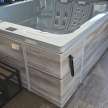
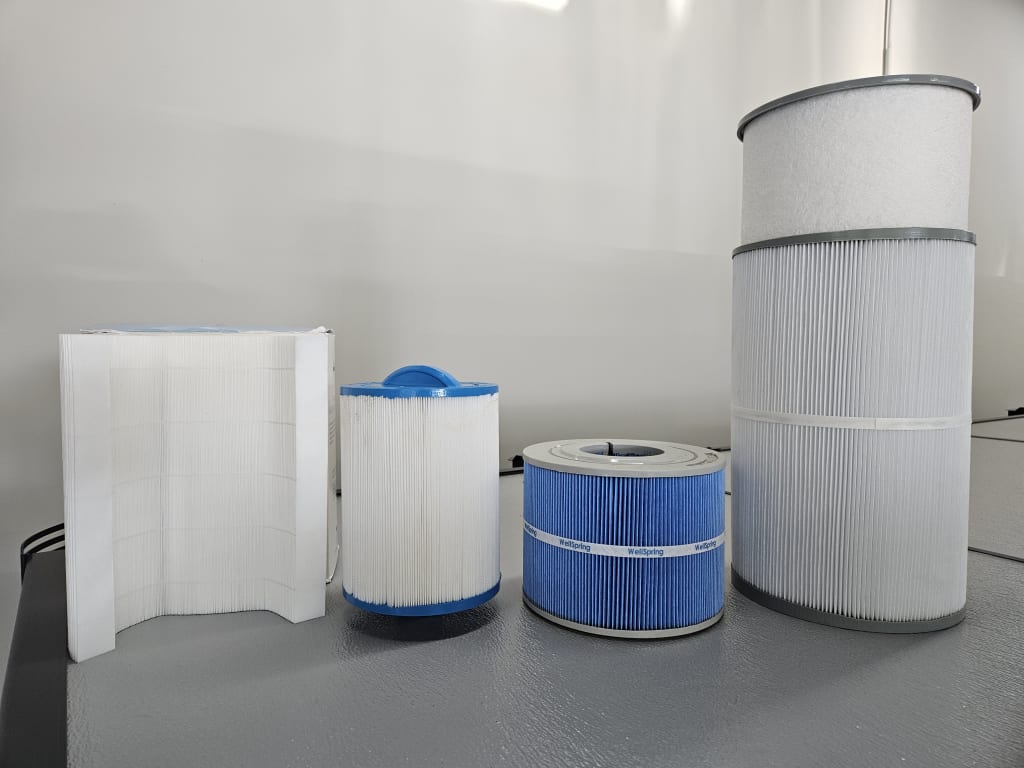
When it comes to maintaining a hot tub, one of the most crucial components to consider is the filter. The filter is responsible for keeping the water clean, clear, and free from debris, bacteria, and contaminants. However, not all hot tub filters are created equal. The design of the filter plays a significant role in how well it performs, how long it lasts, and how easy and cost-effective it is to maintain. Let’s explore why the filter design in a hot tub is so important and what factors you should consider when choosing the right filter.
1. The Size of the Filter
The size of the filter is a vital factor when it comes to efficiency and water quality. A larger filter typically provides better filtration because it has more surface area to trap debris and contaminants. Smaller filters, on the other hand, may clog more quickly and require more frequent cleaning or replacement. The size of the filter also affects how often the pump needs to work. A larger filter means the pump has to work less hard to circulate the water, leading to better overall performance and less strain on the pump.
2. The Way the Filter Is Oriented
Not all filters are designed the same way. The orientation of the filter can make a huge difference in how effectively it operates. There are two main types of filter orientations: upright filters and horizontal filters.
Upright filters are designed to sit vertically, and the water passes through the filter from top to bottom. The major drawback of this design is that only the bottom half of the filter is used most of the time, while the top half remains underutilized. This results in inefficient filtration and can lead to increased cleaning cycles or faster clogging.
On the other hand, horizontal filters are positioned so that the filter sits flat or nearly flat in the hot tub. This design allows the water to filter through the entire surface of the filter, ensuring that the whole filter is being used effectively. As a result, horizontal filters typically last longer and provide better filtration because the entire surface area is being utilized.
If you want the best performance from your hot tub, it’s generally a good idea to opt for one with a horizontal design. Not only does this provide better filtration, but it also makes maintenance easier since the filter doesn’t get clogged as quickly.
3. The Cost to Replace the Filter
While the filter is essential for maintaining clean water, it’s important to consider the cost of replacing it when it wears out. Hot tub filters typically need to be replaced every 1-2 years, depending on usage and maintenance. The cost of replacement filters can vary depending on the brand, size, and design of the filter. On average, you can expect to pay anywhere from $50 to $150 for a replacement filter. In some hot tubs you might have up to 5 filters which would cost you more money then the average cost of only having 1-2 filters.
It's important to factor in the long-term costs when choosing a Hot Tub. If the filter is expensive to replace, it might make sense to invest in a Hot Tub that has a higher-quality, longer-lasting filter that will save you money in the long run. Additionally, consider how easy it is to find replacement filters for your specific hot tub model. Opting for a more common filter design or brand might save you from higher replacement costs and give you more flexibility when it’s time to buy a new filter.
4. The Life of the Filter
The lifespan of a hot tub filter depends on several factors, including the quality of the filter, how often the hot tub is used, and how well the filter is maintained. Generally speaking, hot tub filters last about 1-2 years before needing replacement. A good high-quality filter can last up to 2 years if properly cared for.
To maximize the lifespan of your filter, regular maintenance is essential. This includes cleaning the filter every 1-2 weeks, depending on usage, and replacing it when it starts to lose effectiveness. The cleaner the filter, the longer it will last. Avoid letting the filter get clogged with debris, and oils, as this can shorten its lifespan and reduce its ability to keep the water clean.
5. The Amount of Filters Needed
Another important consideration is the number of filters your hot tub requires. Many hot tubs only need one filter, while some models may have multiple filters. It might seem like more filters would provide better filtration, but this is not always the case. Hot tubs that require multiple filters often are not using all of them. The best to know which filters are being used is by taking them out of a hot tub that full of water. You'll notice which filter is being used more and how much of the filter is being used. Keep in Mind, that the Showroom's keep up with the maintaining there hot tubs. Another way is to feel the suction of where each filter is placed. If you do try to feel the suction please make sure the jets are off. Be advised that the suction can be strong.
Having just one filter can be sufficient if the filter is appropriately sized and designed. In fact, using a single high-quality filter that covers all areas of the hot tub is often more efficient than having multiple smaller filters. A single filter simplifies maintenance and reduces the overall cost of replacement. However, if your hot tub uses multiple filters, ensure that they are placed in locations where water circulation can pass through all of them evenly.
About the Creator
SecretHotTubGuide
I'm passionate about sharing the things the hot tub industry rarely talks about. Having worked for different hot tub brands and serviced a wide range of hot tub brands, I bring a unique perspective.
Enjoyed the story? Support the Creator.
Subscribe for free to receive all their stories in your feed.
Comments
There are no comments for this story
Be the first to respond and start the conversation.