Teenage years
UGLY SCENES OF ORPHANHOOD
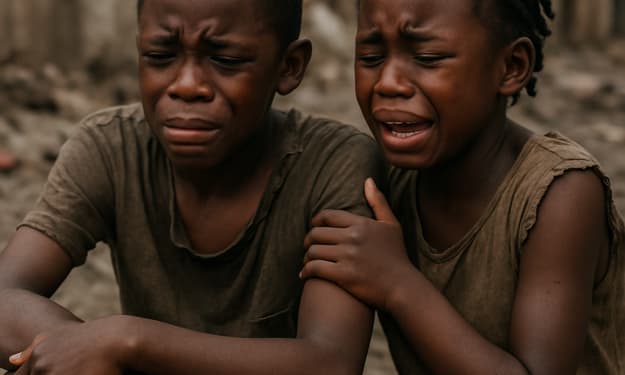
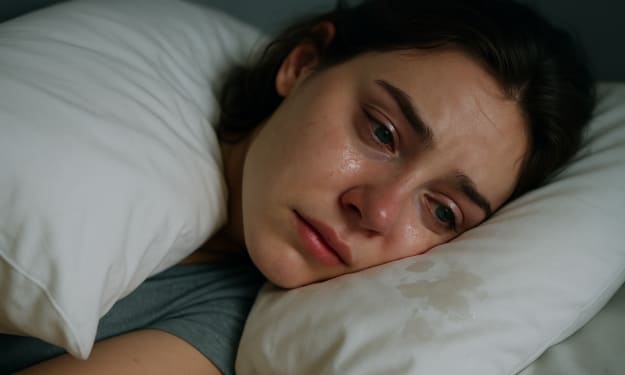
Every morning, the sun peeked through the cracked window of the small, dilapidated orphanage, casting a weak glow over the peeling walls. Eleven-year-old Amir woke up to the familiar sound of footsteps—shuffling, tired, indifferent. It was another day of waiting, of surviving, of pretending that life could be anything but hollow. Amir’s life had been a series of losses. His parents had died in a car accident when he was only five. Since then, he had known nothing but the cold, unfeeling walls of the orphanage, the harsh voices of the staff, and the endless ache of loneliness. His memories of his parents were faint, like distant echoes, slipping further away with each passing year. He remembered the nights when hunger gnawed at his stomach so fiercely that he’d clutch his belly, trying to silence the growling. Food was scarce, and what little was given was often unappetizing, sometimes rotten. The orphanage’s cook, a grumpy woman, would hand out meager portions, rarely enough to fill the emptiness inside. Amir was often left to himself, his only companions the shadows that danced on the walls at night. The other children, some older, some younger, were too busy fighting or crying to notice him. Being invisible had become a shield. He learned early that speaking up only brought scolding or indifference. School was no refuge. The teachers, overworked and underpaid, paid little attention to him. His grades were poor, not because he lacked intelligence but because he lacked encouragement. His only solace was a battered notebook he kept hidden in his pocket, where he scribbled stories about a family he never knew—a family that loved him, a home that was warm and full of laughter. But those stories were just that—stories. Reality was far different. The walls of the orphanage echoed with the sound of crying children, the clatter of dishes, the distant shouts. Amir often wondered if anyone outside cared about him, if anyone would ever come to take him away from this place. One particularly cold evening, Amir sat on the patio, staring at the dark sky. His thin coat offered little protection against the biting wind. He pulled his knees close and wrapped his arms around them, trying to keep the cold at bay. The silence was broken only by the soft sobs of a girl nearby, a sound Amir had grown numb to. He thought about his future. Would he ever have a family? Would he ever feel safe, loved, or even truly alive? The questions haunted him, but there were no answers—only the persistent ache of despair. Sometimes, the staff would come in late at night, drunk or indifferent, and confiscate the little belongings the children had—photos, drawings, or small toys—anything that reminded them of a better life. Amir’s most prized possession was a broken watch he found on the street, a gift from his father he barely remembered. It was now just a rusted, useless thing, but to him, it was a symbol of hope. One day, a social worker visited. Amir watched her from the corner, wary of the kindness in her eyes. She asked questions, took notes, but Amir knew the system was slow. His life was a cycle of hope and disappointment. Sometimes, children like him were moved to foster homes or other institutions, but often, nothing changed. As the years dragged on, Amir grew quieter, his spirit battered but not entirely broken. He learned to survive in silence, to hide his pain behind a mask of indifference. Yet, beneath that mask, a flicker of longing persisted—a fragile hope that someday, someone would see him, truly see him, and give him a chance at a different life. But for now, he remained trapped in the weight of silence, carrying the burden of a childhood lost, a future uncertain, and a heart heavy with unspoken misery.
By Archimedes munsanje chilundikaabout a year ago in Confessions
Dreaming Out Loud: The Chaos of Living Inside Your Head. Content Warning.
The Power of Failing To have failed means to have tried. To have tried means to have lived — outside of one’s head, that is, where you control the outcomes and always wear the perfect outfit.
By Eve Lambabout a year ago in Confessions
The Silence I Spoke
For most of my life, I was fluent in silence. I could hold a conversation with my eyes, express sorrow through my smile, and scream without making a sound. It wasn't because I had nothing to say — it was because I had learned early on that speaking carried consequences. And so, I swallowed my voice like medicine that burned going down, hoping it would heal me from something I couldn’t name.
By Muhammad Hashimabout a year ago in Confessions
Faith in the void
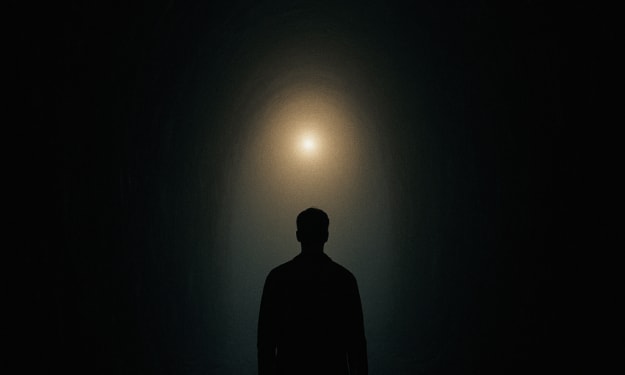
Faith in the Void Sometimes faith isn’t a feeling—it’s a fight. This piece came from a place of spiritual fatigue, where prayer feels like screaming into silence. It’s not about losing belief, but about surviving when belief feels one-sided. When the light you chase keeps moving further away, and the silence is deafening, holding onto hope becomes an act of sheer stubbornness. This poem reflects that struggle, the raw, honest moments in the dark.
By Ibrahim albuabout a year ago in Confessions
The Day Everything Changed
It was a Tuesday, the kind of day no one expects anything from. The skies were stubbornly gray, coffee was bitter no matter how much sugar I added, and my inbox was overflowing with emails I didn't care to answer. I was 28, living in a cramped one-bedroom apartment in a city I didn’t love, working a job that paid well but quietly siphoned the soul from my bones.
By Muhammad Hashimabout a year ago in Confessions
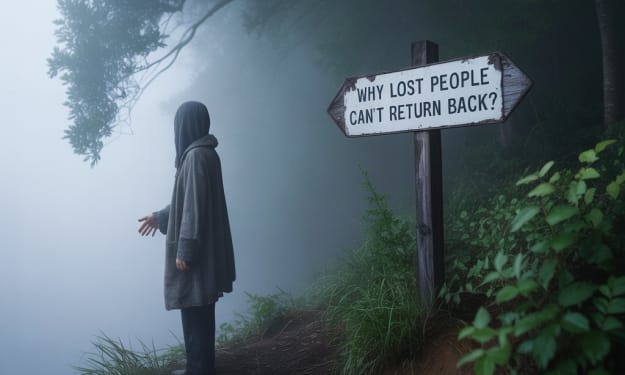
Why can't lost People Return?
Loss is an inevitable reality of life. Every one of us, at some point, experiences the departure of someone dear—whether through death, distance, or emotional disconnection. The pain that follows can feel unbearable. Our minds whisper questions like Why did this happen? or Can I ever feel whole again? But amid the sorrow, one truth stands unshaken: people we lose can't come back. This truth is harsh but necessary, and how we respond to it defines the course of our healing and future.
By Keramatullah Wardakabout a year ago in Confessions
The Disappearance of My Childhood Friend Was Never Solved—Until I Found the Hidden Clue
The summer heat clung to our skin that July evening as Lily adjusted the pink scrunchie holding back her braids. "Last round before dinner?" she asked, her freckled nose scrunching the way it always did when she was about to win.
By MALIK Saadabout a year ago in Confessions
The walkie-Talkie Message That Came 15 Years Too Late
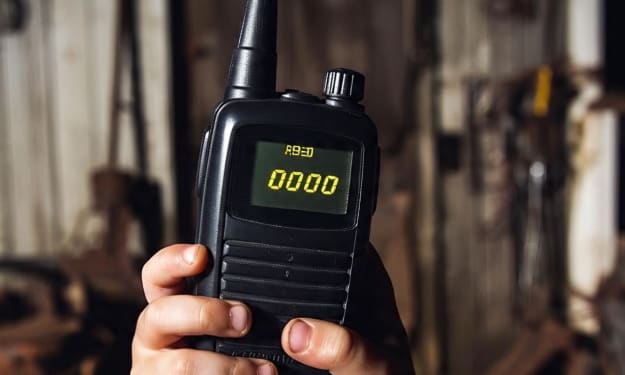
The Last Game The summer heat pressed down on us that July afternoon, thick and heavy as a wool blanket. Lily's laughter rang through the trees as she adjusted the pink plastic headband holding back her sun-bleached braids.
By MALIK Saadabout a year ago in Confessions
The Day I Walked Away from My Perfect Life
Confession I used to wake up every day in a high-rise apartment, sipping oat milk lattes on a balcony with a view of the skyline. I had a six-figure job in digital marketing, a relationship that looked picture-perfect on Instagram, and friends who threw me birthday parties with calligraphy menus and color themes. If you had looked at my life from the outside, you would’ve thought I was thriving. But I was drowning. Quietly. Invisibly. Deeply. It started with small things. I began taking longer routes to work, not because of traffic, but because I didn’t want to get there. I found myself scrolling through Airbnb listings in random towns late at night—searching for tiny cabins, ocean-view shacks, anything that looked like an escape hatch. I'd sit through dinners with friends and smile at the right times, laugh when they did, but I felt like a hologram of myself. No one knew that when I got home, I cried in the shower just to make sure no one could hear me. The worst part? I didn’t have a dramatic backstory to justify my unhappiness. No one cheated on me. I wasn’t abused. My boss wasn’t toxic. In fact, most days were fine. Normal. Tolerable. And that was the real trap. When life is “good enough,” people don’t question if you’re happy. Not even you. But I was not okay. One Thursday morning, I stood at the subway station platform, exhausted before the day even began. My phone buzzed—15 unread emails, a Slack notification, and a text from my boyfriend reminding me to pick up almond butter. My chest tightened. I turned around, left the station, and walked three blocks to a coffee shop. I sat down and opened my laptop—not to check emails, but to book a one-way ticket to a small town in northern Oregon. I didn’t tell anyone. I packed a duffel bag when I got home, left a note on the kitchen table, and called an Uber to the airport. By midnight, I was in a motel room with bad lighting and beige curtains, but for the first time in a year, I felt like I could breathe. In the days that followed, the shockwaves hit. My phone lit up nonstop—calls from my boyfriend, coworkers, my mom, even my ex-best friend who hadn’t spoken to me in two years. Everyone wanted to know what happened. Why I left. Where I went. If I was okay. I didn’t answer. I spent the first few weeks walking aimlessly, reading books in used bookstores, learning how to cook on a hotplate, and watching sunsets without taking pictures of them. There was no plan, no endgame. Just silence. Stillness. Space. Eventually, I called my mom. She cried. I cried. I told her I didn’t leave because I didn’t love anyone—I left because I didn’t love myself anymore. She didn’t understand, but she listened. That was enough. I won’t lie and say it was easy. I missed birthdays. Lost my job. My boyfriend moved on. Some friends never forgave me. And part of me will always ache for the version of me that tried so hard to keep everything together. But I found something else here. Something I didn’t know I was searching for. I found mornings without alarms, and evenings where loneliness felt more like solitude. I found kindness from strangers, and most importantly, I found my voice again—buried under years of pretending to be someone I wasn’t. Some people call what I did selfish. Maybe it was. But sometimes the bravest thing you can do is disappoint everyone else to finally come home to yourself. This is my confession: I walked away from a life people envied, not because it was bad, but because it wasn’t mine. And I’m still finding my way.
By Abraham Lopezabout a year ago in Confessions
The Love Renaissance: What Gen Z's Relationships Reveal About Modern Connection
Are Gen Zers sabotaging the true essence of romance or redefining it? Or they simply might be building something more intentional, resilient, and emotionally intelligent than any generation before. Once upon a time, romance came with rules. Handwritten letters, carefully curated phone calls, and silent nods of the elderly were the foundational stance of old-school love. But now, emojis, dating apps, and Instagram reels document love stories.
By Hridya Sharmaabout a year ago in Confessions