Family
"An Unseen Journey of Emotions"
In a small town nestled between hills and lavender fields lived Ayaan, a gifted pianist who had lost his sight at the age of ten. Music became his world. With each keystroke, he painted emotions he could no longer see. His blindness sharpened his sensitivity, and he often said that while his eyes could not see beauty, his heart never missed it. Across town lived Meera, a painter with a quiet soul. Her life was filled with colors, but she had stopped painting portraits after a terrible heartbreak. She believed the eyes of a person carried too much truth, and truth had once shattered her. Instead, she painted landscapes, windows, the backs of people walking away. Their paths crossed at the town library during a charity event. Meera had volunteered to assist visually impaired visitors. When she offered to help Ayaan to the reading room, he smiled and said he preferred being led by voice. That first conversation was short but electric. Something about the way Ayaan listened made Meera speak more freely than she had in years. Something about Meera’s calm presence made Ayaan feel seen. Over the weeks, they kept meeting, sometimes at the library, sometimes in the park where Meera sketched. Ayaan would sit nearby, often playing a small keyboard he carried. He asked her to describe the sky, not with colors but with emotions. She would say it looked like waiting or sometimes hope. Ayaan would turn her words into music. In return, he asked her to paint what she imagined while listening. She began painting again, not with faces but with feelings. They grew close, connected not by looks but by the stories they created together. Ayaan never asked what Meera looked like. Meera never told him. He said her voice was enough. She said his silence between words spoke more than others’ declarations. One afternoon, Meera brought Ayaan to her studio. She had painted an entire wall based on his compositions. The canvas stretched endlessly, filled with swirls and chaos and peace. Ayaan ran his fingers over the textured paint. He stopped at one section and said it felt like falling in love. Meera turned away so he wouldn’t hear the tears in her breath. People in the town began to talk. Some admired their bond. Some whispered cruel things. How could love grow without eyes How could someone fall for someone they could not see But Ayaan and Meera remained untouched by judgment. Their love grew in spaces where sight had no place. One day Ayaan played a new piece for Meera. It was tender and incomplete. He said it was the beginning of a question. When she asked what question he smiled and said he would finish the melody when he found the answer. Meera hesitated. Her past had taught her not to trust beginnings. But Ayaan waited. He never rushed her. He said some songs took longer to find their rhythm. Months passed. Meera painted more freely than ever. Ayaan performed in cities but always came back to her. One day after a concert he returned with a small box. It held a pendant with a Braille inscription. It said found you. That evening Meera showed him a new painting. It was the first portrait she had painted in years. It was of him sitting at a piano with her beside him not looking at each other but clearly connected. He reached out touched the canvas and smiled. Then he sat at his piano and played the ending to his unfinished melody. It was soft rising and falling like a question finally answered. He said he loved her. Meera replied with a single word always. They never spoke of beauty. They never needed to. Their love lived in shared silences laughter dreams. It was not blind. It was simply free from appearances. Years later people would still talk about them. Some said it was a miracle. Others called it fate. But those who really listened knew the truth. Love had not needed eyes. It had only needed a voice a sound a feeling. And that had been more than enough.
By D A R Kabout a year ago in Confessions
How Losing My Job Helped Me Rebuild a Better Life
It’s strange how the worst moments in our lives can become the foundation for something better. At the time, it didn’t feel like a blessing in disguise—it felt like the world had collapsed beneath my feet. But looking back now, losing my job was the wake-up call I never knew I needed.
By Muhammad Jawadabout a year ago in Confessions
Ninja Cfn601 vs Cfn602: Which Is Best?
The Ninja CFN601 and CFN602 are both good for making coffee and espresso. There are small but important ways they are different. They both use strong pressure to make drinks. You can make a small shot of espresso or a big pot of coffee. The big difference is the CFN602 can also make a ristretto. A ristretto is a very small and strong shot of espresso.
By Imran.Bin.Iliasabout a year ago in Confessions
Amazing grace
Being in my 40s has led to many revelations. Questioning early learnings and continuous pondering. The way forward does not look anything like the path that led here. Its quite sobering to now be understanding life from a completely different point of view. It seems like there can be good in vastly different scenarios, depending on how you look at it. Time and circumstances play a role and in some instances what you may have chosen a few years ago is now what you would intentionally avoid going forward. Time passes. Our appearances change. We gain clarity as we go along. Silence and loneliness have in time become "rest for the mind" and "space to breathe". I observe the way of life of the next generation, learning, absorbing, contemplating, comparing. The way we have lived life growing up and how we conducted ourselves in our early years comes to mind. While noting the nostalgic glimpses to the past, also in the next second recognising the stark contrast to how things are now. Do we have a say in the way forward. Should we correct the younger generations according to our reference or rather step back and allow life to flow and learnings to occur in their own time. Will those younger be open to our interpretation and guidance or scorn it? What would their elders and caregivers have to say to our corrections. Are we over stepping the mark? Perhaps they would do better than us. Its all unchartered waters and only time and individual perception, perhaps retrospective evaluation sometine in future would provide some clues. Wading through masses of unwanted content in social media, which to some is the new platform to share, to find true gems of wisdom, is sometimes exhausting. I guess old souls crave solid connection. Old school values that are timeless and sweet. A clarity in mind, body and soul and respite needed to go on. Its all beautiful, intimidating, fascinating, questionable, and so much more all at once. We are grateful for the lessons and the opportunity to learn again today. The aim is and has been to protect the innocent pure souls who bring delight and peace to our lives, the ones who give us a true glimpse of heaven, the elderly eyes and young laughs who give us a priceless gift of their presence which is etched in our souls.
By Mogini Nadasanabout a year ago in Confessions
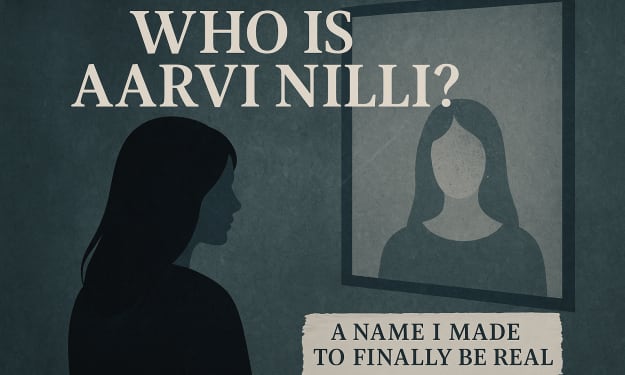
A Name I Borrowed To Be Myself
I am Aarvi. As you already read in the title, it's a fake name—a fake name I created to be myself. Because society and the people around me won't accept a girl who questions everything, who loves to raise her voice and say her thoughts out loud. If I try to be myself, all I get is criticism, disrespect, and becoming a joke. Why? I have been questioning all my life. People take a look at me and decide I am soft, innocent, and obedient. But no, I am not that. When people find out who I really am, all I can see is disappointment in them—looking down at me. So I learned to wear a mask, to look obedient and act kind when all I want to do is scream at them. I am scared that I will lose myself in the process of pleasing people. I want to raise my voice and say what I want one day. When I look in the mirror, I look weak to myself because no one is listening to what I want to say. My opinion doesn’t matter. I tried and learned in a very harsh way. Why is no one at least considering me? Am I that worthless? Am I wrong? Am I overthinking? I questioned myself constantly. But no, it’s not me who is wrong, worthless, or overthinking. It’s all the people around me who look at me and think I’m nothing. That’s why I created this fake name—to exist, really, at least in one place. This is Aarvi, who will appear in front of this world with her real voice, no filter, no sugarcoating. A version of myself where I don’t try to please someone. I’ll try, and I’ll find the people who will listen to my true voice and appreciate the real me as I am. Let me tell you a situation. Recently, I got a proposal from a man. He’s known me for a long time and confessed that he loves me. Said I’m a genuine, kind, beautiful girl. I immediately denied it, saying I’m not what you think. I am not kind all the time. I can be harsh. I state bold opinions. It’s not easy to be in a relationship with me because I hate it when people say what I have to do. I need a man who can stay when I am truly me. After saying everything, all I got from him was, “You’re overreacting.” He didn’t even acknowledge what I said. He carelessly ignored my words as if I was joking. Couldn’t he see the seriousness in my tone and eyes? That’s when I rejected him. And after all that, do you know what I had to hear from my own family? They said, “You rejected a man who is successful, who has money, over some cheap reasons. What, do you think you’re a queen? Can you find a man like him again?” But all I want is a man who will take my words seriously and listen to me with respect. I am not saying posting here won’t bring criticism or opinions about me. But it hurts less when it’s from someone I don’t know and who’s far away. Is it only me who is feeling like this? Are there people around this world who are constantly questioning themselves over others' opinions and constantly hiding—because they're scared of being judged, outcasted, or just trying to save their self-respect and sanity, or simply survive in a world that only wants to see you as what they thought you should be? I don’t know if this will reach anyone. But if it does, know this: Aarvi Nilli is not a mask. She’s the version of me who bleeds out loud.
By Aarvi nilliabout a year ago in Confessions
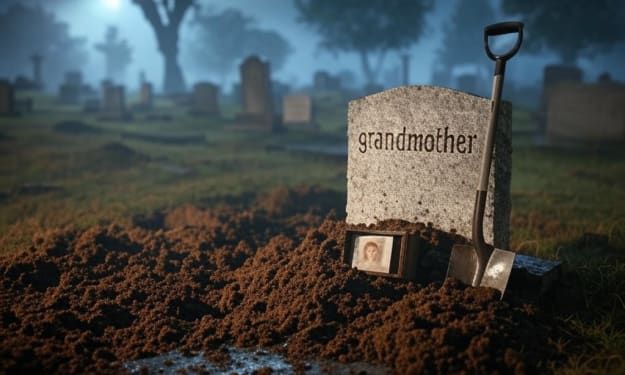
The Secret My Grandmother Took to Her Grave—And Why I Dug It Up
My grandmother, Eleanor, was the kind of woman who spoke in riddles. Stern, devout, always impeccably dressed in wool skirts and pearls, even in the summer heat. She ran our family like a quiet monarchy—respected, feared, and never questioned.
By MALIK Saadabout a year ago in Confessions
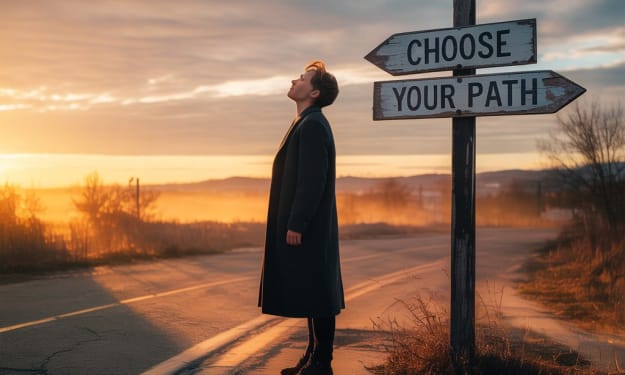
A Wrong Number Changed My Life: The Unexpected Friendship That Gave Me Hope
We often think our lives are shaped by big moments—graduations, weddings, job offers. But sometimes, it’s the smallest, most random events that change everything. For me, it was a wrong number.
By Muhammad about a year ago in Confessions
The Last Letter I Never Sent
Introduction: Words Left Unspoken There are things we carry within us—words never said, apologies never made, and letters never sent. They fester quietly like unshed tears, waiting for a moment that never comes. This is a story of one such letter—a silent witness to a lifetime of regret, and ultimately, redemption. Chapter 1: A Sunday Like Any Other The sun filtered softly through the lace curtains, casting golden patterns across the floor of my old apartment. The clock ticked steadily, and the world outside carried on. But inside, I sat at my desk, staring at a worn-out envelope with no address. I had written her name on it years ago—just her name. No stamp. No destination. Just a beginning to what was never finished. She was my sister. My only sibling. And we hadn’t spoken in almost three decades. Chapter 2: The Rift We were close once. As children, she was my shadow—I the protector, she the dreamer. We climbed trees together, built forts out of blankets, and promised we’d never be apart. But life, as it always does, changed everything. It started with small things. Disagreements over our parents’ care. Clashing values. Then one day, a fight exploded over something I no longer even remember. Voices were raised, doors slammed, and silence began. That silence stretched from days to weeks, weeks to years. I convinced myself it was her fault. That I was right. That reaching out would be weakness. But late at night, when the world was quiet and my defenses down, I would write her letters—unsent, unfinished. Therapy on paper. Chapter 3: The Call I Missed The phone rang one winter evening. I let it go to voicemail. I was tired. Busy. Distracted. But her name flashed on the screen for the first time in years. That alone should’ve meant something. It did, but I ignored it. A week later, I got a call from a cousin. She was gone. A car accident. Quick. Brutal. Final. I didn’t cry at first. Just sat there, the silence screaming in my ears. Later, I found myself tearing through drawers, looking for those letters. Pages of love and sorrow, apologies never read. I held them like fragments of a broken mirror, each reflecting what could have been. Chapter 4: Guilt’s Quiet Echo Grief is not loud. It's not always tears or screams. Sometimes, it's just the weight of a chair across from you that no one fills. It’s hearing a song and realizing you don’t have anyone to call and say, “Remember this?” Her absence became a haunting presence. At family gatherings, I found myself setting an extra plate, only to remove it before anyone noticed. At her funeral, I wanted to read one of my letters—but I couldn’t. It felt like too little, too late. So I buried them with her. Chapter 5: Redemption at the River Years passed. I visited the riverbank where we used to play. There, I found a girl with her younger brother throwing stones. They laughed in the same way we once had. I sat on a bench and finally pulled out one last letter I had written recently. It read: “I’m sorry. For the silence. For the pride. For not calling when you needed me. I remember your laugh, your kindness, your fierce love. And though the world never got to read your story in full, I carry it within me. I’ll tell it for you, in every way I can.” I folded the letter, placed it in a bottle, and threw it into the river. It felt like releasing a ghost. Chapter 6: A Letter to the Living I began writing again—but this time to the living. I reached out to my mother, my old friends, even coworkers I had grown distant from. Every “I’m sorry” felt like lifting a stone from my chest. Every “I love you” became a bridge. I spoke at grief support groups, shared my story online, and found that I was not alone. So many others had letters they’d never sent. Guilt they couldn’t name. But together, we learned something powerful: it is never too late to change the ending of a story. Chapter 7: Closure is a Choice Closure isn’t something that happens to you. It’s a choice—a decision to forgive yourself, to write the letter, to have the conversation, to let go even when there is no reply. I now keep a journal titled “The Letters I Did Send.” Every page is a promise to never again let silence take the place of love. Conclusion: Send the Letter If you're reading this, perhaps you too have a letter you've never sent. Maybe it's buried in a drawer, or just in your heart. I urge you—send it. Or at least write it. Even if the person is gone, even if the moment has passed, it matters. Because in the end, the words we never say echo louder than any spoken. And sometimes, just sometimes, putting them on paper is the beginning of healing. Don’t wait for regret to teach you the value of a voice. Write the letter. Send it. Before it’s too late.
By Sohail Abbasabout a year ago in Confessions
"Command the Crowd: How to Speak Confidently in Front of 1,000 People
Speaking in front of a large audience—1,000 people or more—is often considered one of the most intimidating challenges in public speaking. The sheer number of eyes watching you can send a jolt of nervous energy through even the most confident individuals. But with the right mindset, preparation, and delivery techniques, you can turn that fear into fuel and deliver a powerful performance that resonates with every person in the room. This article will guide you through the mental preparation, strategic planning, and delivery skills required to speak effectively and confidently in front of a large audience. --- 1. Reframe the Fear Fear of public speaking is natural—it's even got a name: glossophobia. The key is to reframe that fear as excitement. Physiologically, fear and excitement feel similar. Tell yourself: “I’m not nervous, I’m excited.” This simple mental trick can shift your mindset and boost your confidence. 2. Know Your Audience Before stepping on stage, understand who you’re speaking to. Are they professionals? Students? Entrepreneurs? Understanding their background, expectations, and interests allows you to tailor your message to their needs, making your speech more relatable and impactful. 3. Master Your Content You don’t need to memorize your entire speech word-for-word, but you should know your material inside and out. Structure your talk with a clear introduction, engaging body, and powerful conclusion. Use the “rule of three” for memorable points, and include real-life examples or anecdotes to add authenticity. 4. Craft a Powerful Opening You have less than 30 seconds to grab attention. Start with a bold statement, intriguing question, or compelling story. Avoid generic greetings. Hook your audience immediately so they’re eager to hear what comes next. 5. Use Body Language Wisely Your body speaks louder than your words. Maintain eye contact—not just with the front row, but scan the entire room. Use open gestures, stand tall, and move with purpose. Avoid pacing nervously or crossing your arms, which can signal discomfort. 6. Practice with Intention Don’t just read your speech—rehearse it aloud, on your feet, as if you’re already in front of 1,000 people. Practice in different environments. Record yourself. Pay attention to your tone, pace, and body language. Ask friends or mentors for feedback and fine-tune accordingly. 7. Leverage the Power of Pauses Silence is a powerful tool. Use pauses to emphasize key points, give your audience time to absorb your message, and to collect your own thoughts. It also makes you appear more confident and composed. 8. Engage, Don’t Just Present Make the experience interactive. Ask rhetorical questions, invite a show of hands, or share a relatable story that mirrors the audience's experience. The more they feel involved, the more they’ll remember. 9. Manage Your Voice Your voice should be varied—not monotone. Change your pitch, volume, and pace to match the energy of your message. Use vocal emphasis to highlight key phrases. Practice breathing deeply to maintain control and reduce vocal strain. 10. Use Visual Aids Thoughtfully Slides or visuals should complement your talk, not overwhelm it. Use large fonts, minimal text, and impactful images. Don’t read directly from your slides—talk about them instead. 11. Prepare for the Unexpected Tech glitches, tough questions, or an unresponsive crowd can throw you off. Prepare responses and develop composure. If a microphone fails, raise your voice. If someone interrupts, acknowledge them calmly and steer back on course. 12. Close with Impact End with a call to action, a memorable quote, or a thought-provoking idea. Make your closing words count—this is what people will remember most. 13. Get Feedback and Reflect After your speech, ask for feedback. What worked? What didn’t? Watch a recording if available. Every great speaker was once a beginner—improvement comes from self-awareness and consistent practice. --- Conclusion Speaking in front of 1,000 people isn’t about being perfect—it’s about being present, prepared, and passionate. When you connect with your audience, stay authentic, and deliver your message with conviction, you create a moment that people will remember long after the applause fades. Every great speaker once stood where you are now—unsure, nervous, and eager to improve. With time and effort, you too can command a crowd and deliver a speech that moves, motivates, and inspires.
By Fawad aliabout a year ago in Confessions
Pizza Stone vs. Pizza Pan: Which is Best?
Want to make pizza at home that tastes like it came from a restaurant? The secret might be what you bake it on! People often wonder if a pizza stone or a pizza pan is better. Both can help you make a crispy crust, but they work in different ways. This guide will look closely at the good and bad things about each one. We've done a lot of testing to help you figure out which tool will make the best pizza in your kitchen.
By Imran.Bin.Iliasabout a year ago in Confessions
A Journey Through Faith and Family. Content Warning. AI-Generated.
At 13 years old, I found myself living with my aunt, who provided a nurturing and stable environment. Life was good, and I experienced a typical teenage existence for the first time. My aunt cared for me deeply, never complaining or urging me to seek employment, understanding that
By Anisaabout a year ago in Confessions
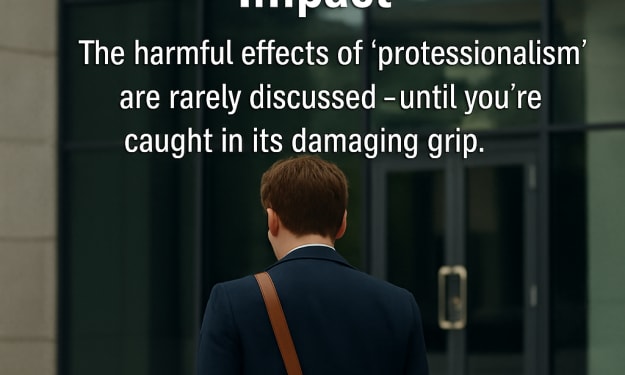
I Resigned From My Dream Job Because of Its Slow, Destructive Impact . AI-Generated.
I believed landing my dream job would be the greatest achievement of my life. I imagined a sleek office with glass walls, a prestigious ID card hanging around my neck, and high-level meetings with influential people. That was my definition of success. But when it finally became real, I couldn’t recognize that behind the polished surfaces and friendly smiles, something was silently destroying me.
By Sabbir Hasanabout a year ago in Confessions