
# I Turned Off Most Notifications — I Didn’t Expect This
A personal experiment exploring what changed after turning off most phone notifications.

# I Turned Off Most Notifications — I Didn’t Expect This
I didn’t realize how many notifications I was getting until I tried to turn them off. Messages, apps, updates, reminders—something was always popping up. It felt normal, like part of using a phone. At some point, I started wondering what would happen if I reduced most of them.
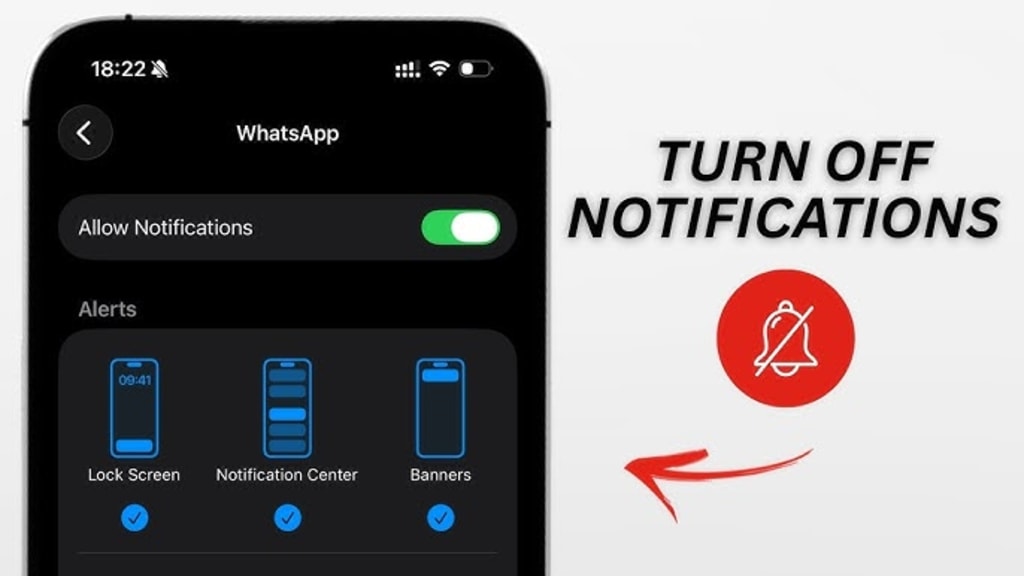
Not everything. Just the non-essential ones. So I went through my phone and turned off notifications for apps I didn’t really need in the moment.
At first, it felt a bit strange. I kept checking my phone, expecting something to be there. Even without notifications, the habit was still there.
To be honest, it felt like I might miss something important. For the first day or two, I wasn’t sure if this was a good idea. But after a few days, something started to change.
My phone felt quieter.
There were fewer interruptions during the day, and I wasn’t constantly reacting to new alerts. It didn’t feel like I was being pulled away from what I was doing as often.
That alone made a difference. Another thing I noticed was how my attention felt.
Without frequent notifications, it was easier to stay focused on one thing at a time. I wasn’t switching tasks as often, and that made everything feel a bit smoother. I didn’t expect that.
I also realized how many notifications weren’t actually necessary.
Most of them could wait. Nothing really required immediate attention, even though it felt like it did before.
Over time, I stopped checking my phone as often.
It wasn’t something I forced. It just happened naturally because there was less pulling me back to it.
That was probably the most noticeable change. I also felt a bit less distracted overall. Even when I did use my phone, it felt more intentional instead of automatic. Looking back, the change was simple.
I didn’t remove my phone or stop using apps. I just reduced the noise.
And that was enough to notice something. So, what happened when I turned off most notifications? Nothing dramatic. But definitely something noticeable.
A quieter day, fewer interruptions, and a slightly different way of using my time.
One thing I didn’t expect was how this change would affect how I respond to messages. Without constant notifications, I wasn’t replying instantly anymore. Instead, I would check my phone at certain times and respond more calmly. It didn’t create any problems, and in many cases, it actually felt better than reacting immediately to everything.
I also noticed that my day felt less fragmented. Before, notifications would break my focus into small pieces throughout the day. With fewer interruptions, it was easier to stay with one activity for longer. Even simple tasks felt more complete when they weren’t constantly interrupted. Over time, this became one of the most valuable parts of the experience.
Another thing I became aware of was how often I used notifications as a way to feel “busy” without actually doing anything important. Even a small alert could create the feeling that something needed my attention, even when it didn’t. Without those constant signals, I felt less pressure to react immediately. This made my time feel a bit more under my control instead of constantly being interrupted by small things that could easily wait. Over time, this shift made a noticeable difference in how I moved through the day.
**Disclaimer:**
This article reflects personal experience and general observations. It is not intended as advice, and individual experiences may vary.
About the Creator
Mohammed Ismail
Food science researcher sharing simple, science-based insights about nutrition, gut health, and functional foods.
Enjoyed the story? Support the Creator.
Subscribe for free to receive all their stories in your feed.
Comments
There are no comments for this story
Be the first to respond and start the conversation.