
Kids Football Boots: The Complete Buying Guide for Parents
Kids football boots explained: sizing, surfaces, and what actually matters when buying for young players

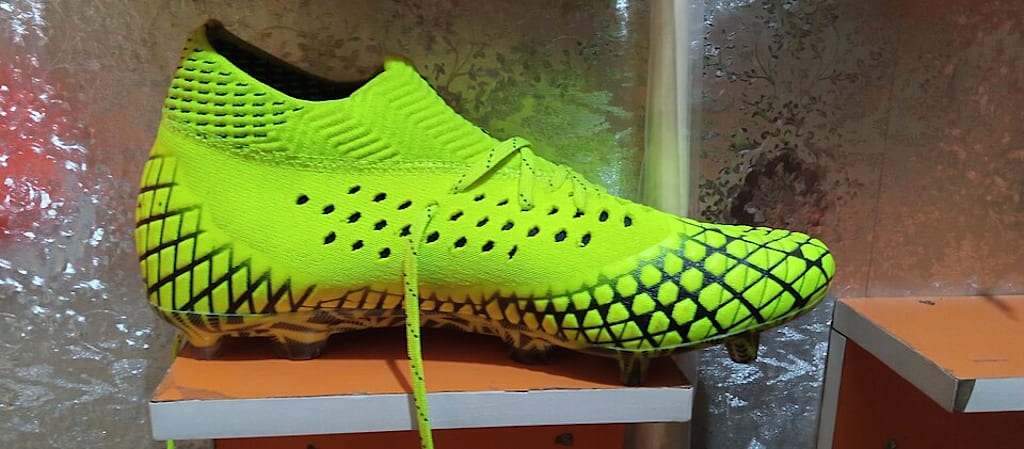
Shopping for kids football boots often feels surprisingly complicated. Parents are faced with a dizzying array of soleplates, stud layouts, bright colorways, and aggressive price points.
Between rapid growth spurts and changing pitch surfaces throughout the season, selecting the right pair comes down to practical fundamentals. Fit, traction, and comfort matter far more than brand hype or professional endorsements.
What should parents actually look for in kids football boots?
Parents should prioritize proper fit, surface appropriateness, and overall foot comfort above every other feature.
A good pair of youth boots must lock the foot securely into place without causing pressure points, pinching, or heel slipping. The boot upper should flex naturally at the ball of the foot rather than under the arch.
Additionally, parents must ensure that the boot material feels soft and flexible straight out of the box, as children should not have to endure painful break in periods just to play comfortably.
How often should a child's football boots be replaced?
A child's football boots should typically be checked for fit every few months and replaced whenever their toes begin touching the front bumper.
Because developing feet grow in unpredictable spurts, many young players go through two pairs of boots per season. Parents should inspect the boots regularly for physical wear, such as upper separation, smooth or worn down plastic studs, and loose inner insoles.
Replacing boots promptly when they become tight or treadless prevents painful blisters and reduces the risk of slipping on wet grass.
What's the difference between firm ground, soft ground, and turf boots?
Firm ground (FG), soft ground (SG), and turf (TF) boots use entirely different stud configurations designed for specific playing surfaces.
Firm Ground (FG): Feature plastic or rubber molded studs made for dry to slightly damp natural grass pitches. They offer versatile, everyday traction for standard outdoor grass fields.
Soft Ground (SG): Feature longer, spaced out studs designed specifically for wet, muddy natural grass. They penetrate deep into soft soil to prevent slipping during rainy conditions.
Turf (TF): Feature dozens of small, low profile rubber studs on a durable rubber outsole. They distribute weight evenly on hard artificial turf, gravel, or carpeted outdoor pitches.
Indoor (IN / IC): Feature flat, non marking rubber soles meant exclusively for smooth gymnasium floors or hard court surfaces.
Should kids wear the same boots as professional players?
Kids should not wear the exact top tier boots worn by professional players.
Professional grade boots are engineered specifically for adult elite athletes, featuring ultra thin materials, stiff carbon fiber plates, and tight performance fits that can discomfort developing young feet.
The takedown junior versions of these boots offer softer uppers, forgiving cushioning, and flexible outsoles that better support youth foot structure. Paying a premium for pro branding mostly buys marketing and minor weight reductions rather than functional benefits for a child.
How much should parents expect to spend on kids football boots?
Parents can generally expect to spend a fraction of the cost of adult professional boots to get a high quality, durable pair for kids.
Entry level to mid tier junior boots provide all the structural support, comfort, and traction a developing player needs. Spending extra money on elite tier child models rarely yields better performance on the field.
Because children outgrow footwear rapidly, investing in solid mid range options strikes the best balance between quality and budget.
What sizing mistakes do parents commonly make?
The single biggest sizing mistake parents make is buying boots one or two sizes too large so their child can "grow into them."
An oversized boot allows the foot to slide around inside, which causes severe heel blisters, bruised toenails, and ankle instability. It also shifts the plastic studs out of alignment beneath the foot, increasing joint stress.
The correct fitting guideline for kids is roughly a thumb's width of space between the longest toe and the tip of the boot when standing with match socks on. This provides essential growth room while maintaining lockdown.
When should a child move from molded studs to bladed or metal studs?
Children should remain in molded rubber or plastic studs until at least age 11 or 12 before considering metal or bladed options.
Younger players benefit from the pressure distribution of molded conical studs, which reduce stud pressure on growing bones and joint plates.
Metal or aggressive bladed studs should only be introduced when a player moves to full size competitive pitches, possesses mature leg strength, and frequently plays on saturated, muddy soft ground surfaces.
About the Creator
Dadson Wanjohi
Dadson works in healthcare and writes on the side just because he likes it. He breaks down real problems people deal with and offers ways to actually fix them. He writes to teach, entertain, and help, one piece at a time.
Enjoyed the story? Support the Creator.
Subscribe for free to receive all their stories in your feed.
Comments
There are no comments for this story
Be the first to respond and start the conversation.