
France National Team First 11: The Starting Lineup Under Zidane
France national football team players first 11 2026: how Zidane has set up his starting lineup so far

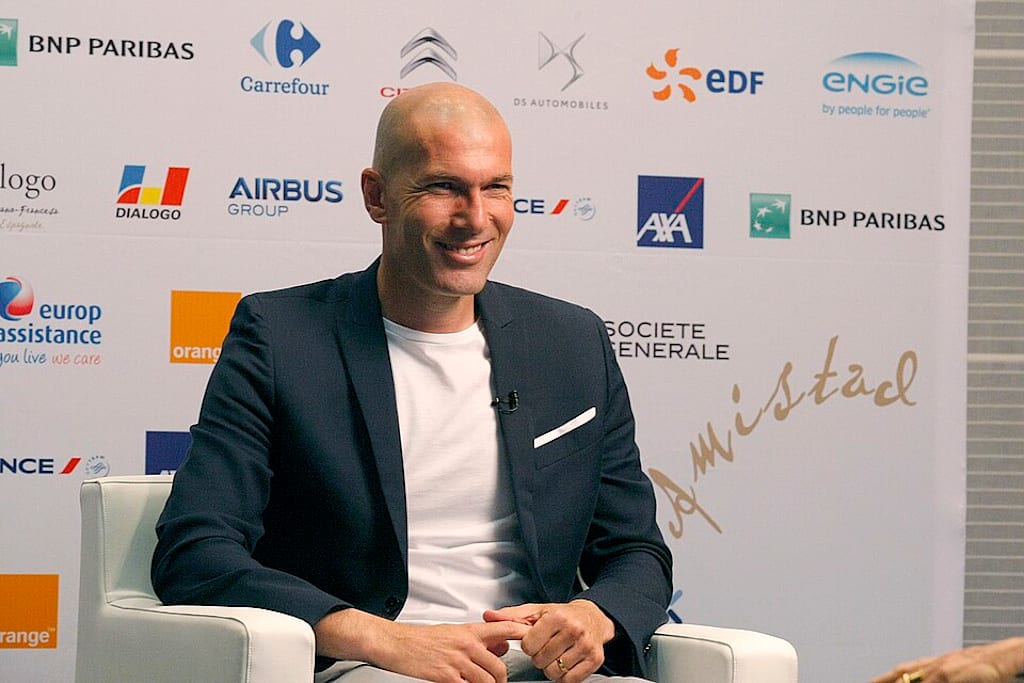
Zinedine Zidane's arrival as head coach of the French national team has brought fresh tactical intriguing to Les Bleus. Taking over in July 2026, Zidane inherited a roster rich in world class talent and immediately led them to back to back 1-0 victories over Turkey and Belgium in UEFA Nations League play.
While exact team sheets shift based on opponent demands, player fitness, and specific matchday goals, Zidane's early selections show clear structural preferences. Exact match lineups should always be verified against official team sheets before kickoff.
What is France's starting first 11 under Zidane?
France's starting first 11 under Zidane centers around team captain Kylian Mbappé leading the attack alongside dynamic options like Michael Olise and Ousmane Dembélé.
In his first two matches, Zidane aligned Les Bleus in a fluid 4-3-3 setup that can transition into a 4-2-3-1 depending on phases of play. The core structure relies on Mike Maignan in goal, a backline supported by central defenders like Dayot Upamecano, a hardworking midfield unit, and Mbappé serving as the focal point up front.
Has Zidane changed France's tactical system from Deschamps?
Zidane has introduced more positional fluidity while maintaining the defensive stability established by Didier Deschamps.
Deschamps was defined by a pragmatic, defense first approach throughout his 14-year reign. He structured his midfield primarily to shield the back four, relying on individual moments of brilliance from elite attackers to win matches. Zidane retains that defensive discipline—evidenced by consecutive clean sheets—but encourages faster ball progression and freer rotational movement among his wingers and attacking midfielders.
Who has started both of France's matches under Zidane?
Kylian Mbappé remains the constant anchor of the starting lineup, maintaining his role as captain and primary scoring threat.
Alongside Mbappé, key figures like goalkeeper Mike Maignan have helped secure defensive stability from the back. However, Zidane has actively rotated his outfield selections across the matches against Turkey and Belgium to manage fitness and test tactical combinations. Michael Olise started the opening match against Turkey before making a decisive impact as a substitute against Belgium, scoring an 89th-minute winner.
Why does the starting first 11 matter so early in a new coaching era?
Establishing a core starting lineup early allows a new manager to build baseline tactical chemistry without sacrificing competitive results.
International head coaches receive limited training time with players compared to club managers. By locking in core leadership figures like Mbappé early, Zidane establishes clear roles while testing secondary options around his primary stars. Early clarity helps the team absorb new tactical instructions during compressed international breaks.
When will France's lineup face its next real test?
France's starting lineup faces a major tactical test on October 2 against Italy in UEFA Nations League Group One play.
Following hard-fought away victories in Istanbul and Brussels, the clash at Stade de France against Italy presents Zidane's toughest opponent yet. Italy's organized tactical setup will force Zidane to demonstrate whether his first choice lineup can break down elite European defenses while maintaining balance at the back.
How did Deschamps typically set up France's lineup?
Deschamps consistently favored balanced, highly organized tactical shapes designed to minimize opposition chances.
Throughout his tenure, Deschamps typically deployed a 4-3-3 or 4-2-3-1 formation with a physically dominant midfield. He prioritized defensive work rate across every position, ensuring Les Bleus remained compact and difficult to break down in major tournament knockout matches.
What did Zidane's Real Madrid lineups look like?
During his historic tenure at Real Madrid, Zidane built a reputation for pragmatic tactical adaptability rather than clinging to a single fixed philosophy.
He famously utilized both a 4-3-3 and a 4-4-2 diamond formation while winning three consecutive UEFA Champions League titles from 2016 to 2018. Zidane tailored his starting selections to exploit specific opponent weaknesses, proving comfortable shifting tactics to maximize the individual strengths of his world class stars.
How much does a lineup typically change between friendlies and Nations League matches?
Competitive fixtures like Nations League matches feature significantly less lineup rotation than non-competitive friendly games.
Because Nations League matches affect official rankings and group standings, managers prioritize fielding their strongest available players. While friendlies serve as testing grounds for unproven talent, official group matches force head coaches to rely heavily on their established core.
What would a settled Zidane first 11 look like by year's end?
A fully settled Zidane lineup by the end of the year will feature a balanced spine with established leadership across every line.
The defense will settle around Maignan in goal behind a established center-back pairing. The midfield will blend ball recovery with creative passing to feed a frontline built around Mbappé, Olise, and high-intensity wingers. As players gain familiarity with Zidane's demands, rotations will become more seamless.
How do fans and pundits typically judge an early lineup?
Pundits and supporters evaluate an early lineup by balancing immediate match results against the fluidity of the team's attacking play.
While opening the Zidane era with two consecutive 1-0 victories delivered perfect points in the standings, some analysts have noted that the attack has yet to hit its highest gear. Pundit debate often centers on whether tight victories reflect elite defensive control or an offense still adapting to a new tactical framework.
About the Creator
Dadson Wanjohi
Dadson works in healthcare and writes on the side just because he likes it. He breaks down real problems people deal with and offers ways to actually fix them. He writes to teach, entertain, and help, one piece at a time.
Enjoyed the story? Support the Creator.
Subscribe for free to receive all their stories in your feed.
Comments
There are no comments for this story
Be the first to respond and start the conversation.