
Dreams Come True: The Countries Making Their World Cup Debut in 2026
For the first time ever, these nations will step onto the World Cup stage and write their own pages of glory in the biggest tournament on the planet

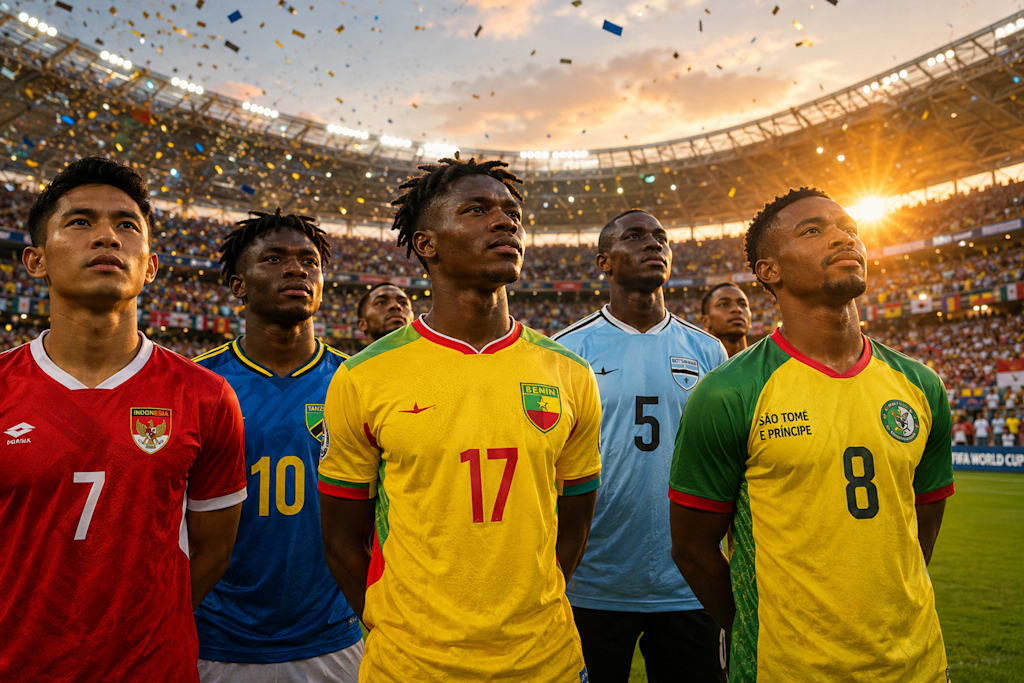
The Magic of a World Cup Debut
Imagine for a moment that you're a child growing up in a country where football is passion, where you kick makeshift balls on dusty streets, where you dream of seeing your national team on the world's biggest stage. Now imagine that dream, after decades of waiting, finally comes true.
The 2026 World Cup will be historic for many reasons. It will be the first with 48 participating teams, the first organized by three countries simultaneously (the United States, Mexico, and Canada), and perhaps most emotionally: it will be the tournament where more nations will debut than in any World Cup in history.
This article is a celebration of those countries that, against all odds, will write their names in the history books of world football.
The Expanded Format That Changed Everything
Before we dive into the stories of the debutants, we need to understand why 2026 is so special. FIFA made a revolutionary decision: expanding the tournament from 32 to 48 teams. This expansion isn't just a number; it's a door opening for confederations that historically had limited representation.
Africa went from 5 to 9 spots. Asia jumped from 4.5 to 8.5 places. Oceania, which previously depended on nearly impossible playoffs, now has a guaranteed direct spot. CONCACAF increased from 3.5 to 6.5 places. Even South America, with its fierce competitiveness, gained additional spaces.
This structural change means that national teams that once saw the World Cup as a distant dream now have a real, tangible opportunity to qualify.
Indonesia: The Sleeping Giant Awakens
With more than 270 million inhabitants, Indonesia is the fourth most populous country in the world. Its football league attracts passionate crowds, and the sport is practically a national religion. However, incredibly, they had never qualified for a World Cup.
Indonesia's qualification for 2026 represents one of the most emotional moments in Asian football history. The streets of Jakarta, Surabaya, and Bandung exploded in celebration when they secured their ticket. Entire generations of Indonesians had waited for this moment.
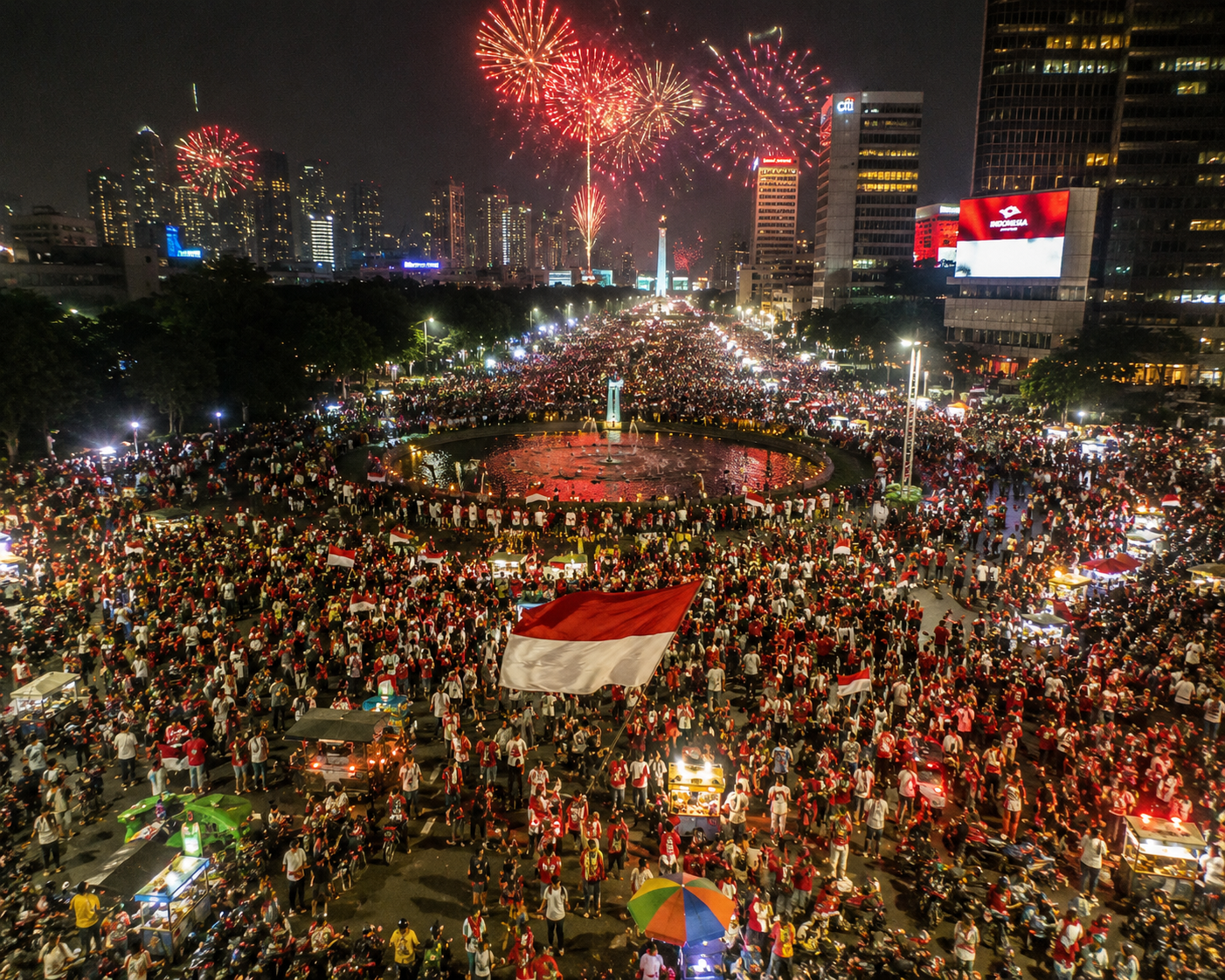
The process wasn't easy. Indonesia had to overcome years of administrative problems, FIFA sanctions, and increasingly fierce Asian competition. But they did it, and now they prepare for their debut with the excitement of those who know they're living something unrepeatable.
Tanzania: The Pride of East Africa
Tanzanian football has always lived in the shadow of its more successful neighbors. Kenya, Uganda, and especially the continent's giants like Nigeria, Cameroon, and Senegal, grabbed all the attention. But Tanzania had a dream, and in 2026 that dream materializes.
Tanzania's qualification is a story of perseverance. For decades, their federation worked on developing infrastructure, youth academies, and a competitive local league. The fruits of that patient work finally arrived.
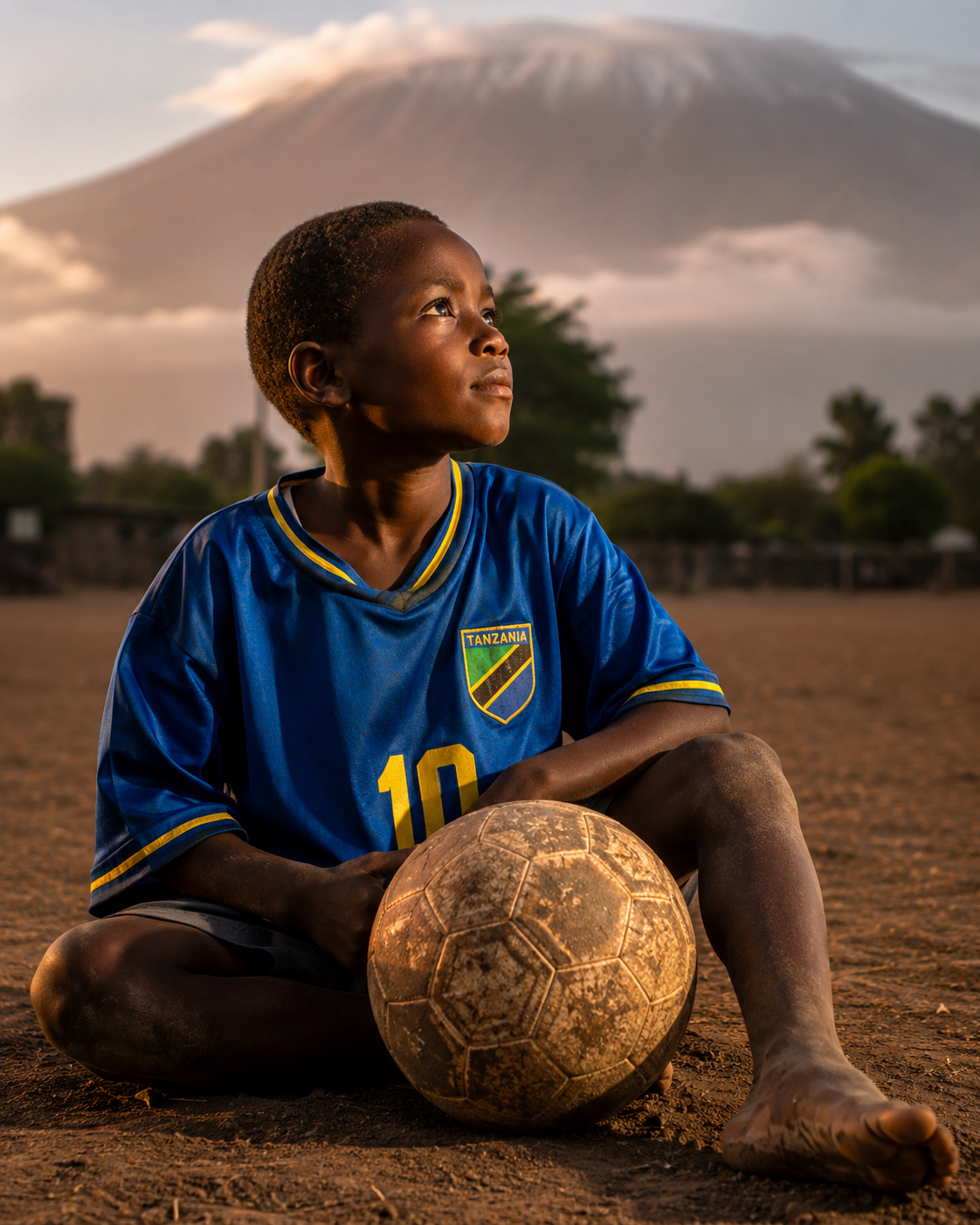
The Taifa Stars, as the national team is known, will carry the hopes of more than 60 million Tanzanians with them. From the slopes of Kilimanjaro to the beaches of Zanzibar, an entire country will unite to watch their heroes compete on the world stage.
Benin: Small Country, Enormous Heart
With barely 13 million inhabitants, Benin proves that size doesn't determine dreams. This small West African country, nestled between Nigeria and Togo, has produced talented footballers for years, but had never achieved the elusive World Cup ticket.
The Beninese national team, known as Les Écureuils (The Squirrels), has built its success on a foundation of players who compete in European and quality African leagues. Their playing style combines French technique inherited from their colonial past with the creativity and athleticism characteristic of African football.
Benin's debut in 2026 will be a national celebration that transcends sport. It will be a moment of collective pride for a nation that demonstrates that with work and determination, the small can also sit at the table with the great.
Botswana: From Diamonds to the Diamond of Football
Botswana is known worldwide for its diamonds and spectacular wildlife. Now, it will add another source of pride: its first participation in a World Cup.
The Zebras, as their national team is affectionately called, have traveled a long and difficult road. For years, they were considered a minor team even within the African context. But investments in youth development and a talented generation of players changed the narrative.
Botswana's qualification is especially significant because it represents the triumph of a country with barely 2.5 million inhabitants. In a continent where population giants like Nigeria and Egypt dominate, Botswana demonstrates that passion and organization can overcome demographic limitations.
São Tomé and Príncipe: The Smallest on the Biggest Stage
If there's a story that seems straight out of a fairy tale, it's that of São Tomé and Príncipe. This African archipelago in the Gulf of Guinea has barely 220,000 inhabitants. It is, by far, the smallest country to qualify for a World Cup in all of history.
The São Toméan national team is composed mainly of players who compete in Portuguese and African leagues. Many of them are descendants of the diaspora who maintain ties with their small island nation.
São Tomé and Príncipe's debut in 2026 will be a powerful reminder that football is truly the universal sport, where the smallest islands can compete against the most powerful nations.
The Cultural Impact of These Debuts
Beyond statistics and sporting results, World Cup debuts have a profound cultural impact. For countries like Indonesia, Tanzania, Benin, Botswana, and São Tomé and Príncipe, seeing their national team at the World Cup means:
Inspiration for new generations: Millions of boys and girls will see that their dreams are achievable. Football academies in these countries will experience a boom in enrollments.
Unifying national pride: In countries with ethnic, religious, or political divisions, football has the unique power to unite the entire population under one flag.
**Infrastructure development**: World Cup qualification attracts investments in stadiums, training fields, and sports development programs.
**International visibility**: These countries will appear on screens around the world, generating tourism, investments, and global recognition.
What to Expect from the Debutants in 2026
Let's be realistic: most of these teams will face enormous challenges against world powers. But football history is full of surprises. South Korea reached the semifinals in 2002 as co-hosts. Costa Rica defeated Uruguay and Italy in 2014. Morocco reached the semifinals in 2022.
The 2026 debutants will arrive without pressure for results but with all the excitement in the world. That combination can be dangerous for rivals who underestimate them.
Additionally, the format of three-team groups in the initial phase means that every match counts enormously. A surprise victory could catapult any of these debutants to the round of 16.
A World Cup That Will Change History
The 2026 World Cup will be remembered as the tournament that truly democratized world football. For the first time, historically marginalized confederations will have significant representation. For the first time, countries that only dreamed of participating will be there, competing.
For fans in Indonesia, Tanzania, Benin, Botswana, São Tomé and Príncipe, and potentially other debutants still fighting to qualify, 2026 represents the culmination of decades of hope.
When the national anthems of these countries sound in the stadiums of the United States, Mexico, and Canada, we won't just be witnessing football matches. We'll be watching dreams fulfilled, stories written, and the demonstration that in the most beautiful sport in the world, everyone has the right to dream big.
The 2026 World Cup awaits us, and with it, the promise of new legends, new heroes, and new stories to tell. Are you ready to witness history?
About the Creator
ELIAS PULIDO
Storyteller by necessity. The best stories don't live in headlines — they live in the details nobody notices. I write about people, ideas, and the moments when the world shifts direction. Sometimes without anyone realizing it.
Enjoyed the story? Support the Creator.
Subscribe for free to receive all their stories in your feed.
Comments
There are no comments for this story
Be the first to respond and start the conversation.