
Do Arsenal Have an Inferiority Complex?
What Underpins Arsenal's Pragmatic Playing Style?


It’s rare for success to be met with unadulterated praise, especially in the tribal realm of football. Most spectators will always look to deride and mock the accomplishments of their rivals, regardless of how impressive they may look on paper.
However, the reaction that greeted Arsenal’s UEFA Champions League final defeat to PSG was especially gleeful, and only matched by the scepticism that followed the Gunners’ first Premier League title in 22 years.
There are reasons for this, of course. Arsenal’s overly defensive style of play often crossed the line between pragmatism and cynicism, with their UCL final performance capturing this in microcosm. The side is also perceived to have benefited disproportionately from a number of favourable refereeing and VAR decisions during the campaign, while they’ve relied heavily on set piece goals and polarising blocking tactics from corners.
The question that remains is why Arsenal have continued to leverage such tactics under manager Mikel Arteta this season? Is this simply a means to an end after years of near misses, or does it reflect a wider inferiority complex that underpins the club?
Addressing Arsenal’s Lack of Ambition Against PSG
The Gunners’ performance against PSG at the Puskás Aréna has received a huge amount of scrutiny, most of which has been focused on their lack of attacking intent. Arsenal recorded a single shot on target in the 120 minutes and averaged just 26% possession, with the latter figure being the lowest ever recorded in a UCL final.
The focus on possession can be misleading, however. It’s perfectly plausible for a team to have this level of possession and still maintain a counter-attacking threat, by drawing their opponents on, identifying triggers for recovering the ball and committing numbers forward during transitions.
This was the type of tactical masterclass that defined many of Jose Mourinho’s career successes. One standout example occurred in February 2014, when the Portuguese took his Chelsea outfit to a Manchester City side that had won all 11 home league games prior to kickoff.
The Blues won 1-0 with a Branislav Ivanovic goal, while hitting the woodwork three times and missing countless opportunities to win at a canter. Despite this, they had just 34.7% possession, and were happy to allow City possession in their own defensive third and midfield.
The issue for Arsenal against PSG wasn’t that they ceded possession and territory. It’s that they lacked the intent and quality to counter their opponents and exploit the space in behind their defensive line, enabling Luis Enrique’s men to maintain relative control throughout.
Defending deep and failing to counterattack (or even keep the ball for relatively short periods of time) doesn’t constitute a tactical plan. In fact, it’s evidence of the lack of a plan, while it also hints at an underlying lack of confidence and ambition within the squad.
Was the Game There to be Won in Extra-Time?
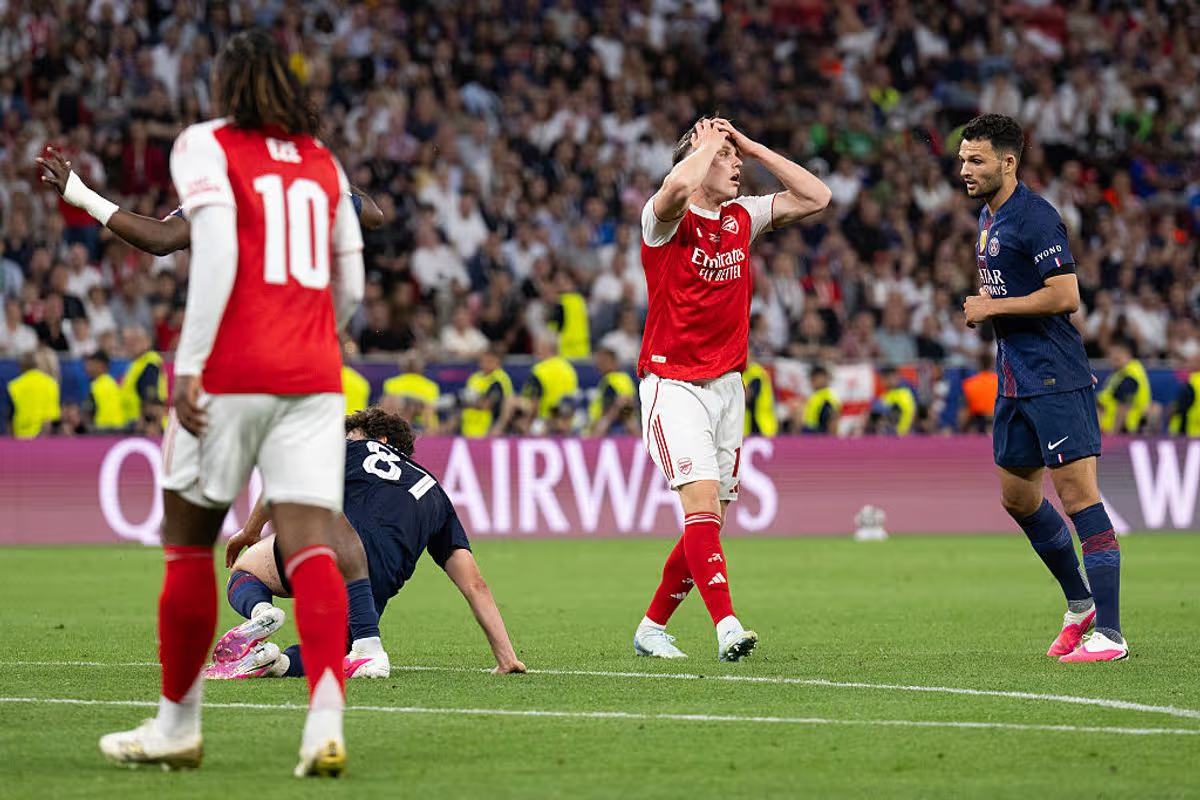
These issues were borne out further by Arsenal’s lack of adaptability and agility during the UCL final. The decision to defend deep and focus almost exclusively on stifling PSG was initially understandable in the wake of Kai Havertz’ early goal, especially in anticipation of a strong offensive response from the Parisians.
However, the Gunners had a chance to seize the initiative during the second half and extra time, particularly as Enrique withdrew Ousmane Dembele, Khvicha Kvaratskhelia and the influential Vitinha from his front six.
Sure, Gonçalo Ramos, Bradley Barcola and Lucas Beraldo are all competent replacements. However, Ramos is a classic number nine who lacks Dembele’s explosiveness and unpredictability, with his introduction impacting PSG’s trademark fluidity in the attacking third.
Barcola boasts electric pace but is without Kvaratskhelia’s guile and skill, while Beraldo is a versatile defender who lacks the ability to control a midfield in the same manner as Vitinha.
Conversely, Arsenal arrived in Budapest with a much deeper playing squad, which has been built over years and with a near £1 billion spend. So, they experienced very little disruption or drop-off when making their substitutions, while players like Eberechi Eze, Gabriel Martinelli and Viktor Gyökeres all offered something different to the teammates they replaced.
So, there was a case for Arsenal to adopt a more attack-minded tactical approach as the match progressed, in order to seize the initiative from their opponents. This failed to materialise, however, and Arteta’s charges remained locked in a stubborn low block that offered little going forward.
The Harsh Reality for Arsenal
While it may seem a brutal analysis, Arsenal’s performance at the Puskás Aréna had all the hallmarks of a League One outfit playing away from home against an EPL side. This should be a point of concern for Arsenal fans, notwithstanding PSG’s attacking excellence and status as the best team in Europe.
This Gunners’ squad has been nearly seven years in the making under the stewardship of Arteta, who has been afforded time and creative control over all incomings and outgoings. He has also been able to spend close to £1 billion to build a deep and talented selection of players, which should be capable of displaying far greater attacking intent against quality opposition.
So, although we should commend Arsenal’s defensive organisation, spirit and undeniable hunger to win, these are basic prerequisites for any top team. The very best outfits also develop potent and fluid attacking units, creating teams that can play in different ways depending on the opposition.
This also creates greater margin for error. 14 of Arsenal’s 26 league wins this season were achieved by just a single goal (53.8%), while they scored a paltry 39 goals from open play (at an average of 1.03 goals per 90 minutes). These margins will be squeezed further next season, as opponents look to offset Arsenal’s strengths and counter their obvious set piece threat.
Will Arteta Stick or Twist Next Season?
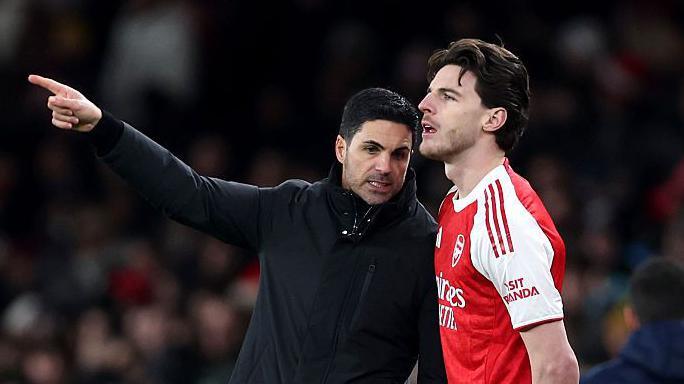
The opportunity for Arsenal and Arteta is huge. Manchester City will be braced for a huge transition in the wake of Pep Guardiola’s departure, while Man United and Liverpool will be works in progress under Michael Carrick and Andoni Iraola respectively.
There’s little to suggest that London rivals Chelsea or Tottenham can emerge as genuine title contenders in 2026/27, while Unai Emery’s Aston Villa will once again be hamstrung by PSR during the upcoming summer.
Make no mistake: there’s scope for the Gunners to dominate the Premier League and potentially take the next step in Europe in the coming years. However, it’s unclear whether they can embrace this potential and shed the inferiority complex that has continued to undermine the side, even as they have improved markedly since the winter of 2019.
After all, it seems likely that this complex also underpins Arteta’s pragmatic tactics and indulgence of the so-called dark arts, particularly when his team plays in big matches or against high quality opponents. Such tactics have their place, of course, but Arsenal must find the courage and desire to play more offensively at times if they’re to take the next steps.
If not, they may find themselves on the wrong side of the narrow margins that have undoubtedly favoured them this season.
About the Creator
Lewis Humphries
I am a sports and sports betting writer from the UK. I cover multiple sports including football, Formula 1, golf and tennis. My column here will focus mostly on domestic and international football, including tactical insights and news!
Enjoyed the story? Support the Creator.
Subscribe for free to receive all their stories in your feed. You could also become a paid subscriber, letting them know you appreciate their work.
Comments
There are no comments for this story
Be the first to respond and start the conversation.