
UN Declares Transatlantic Slave Trade the Gravest Crime Against Humanity
A Historic Vote Rekindles Global Calls for Reparative Justice

April 2, 2026
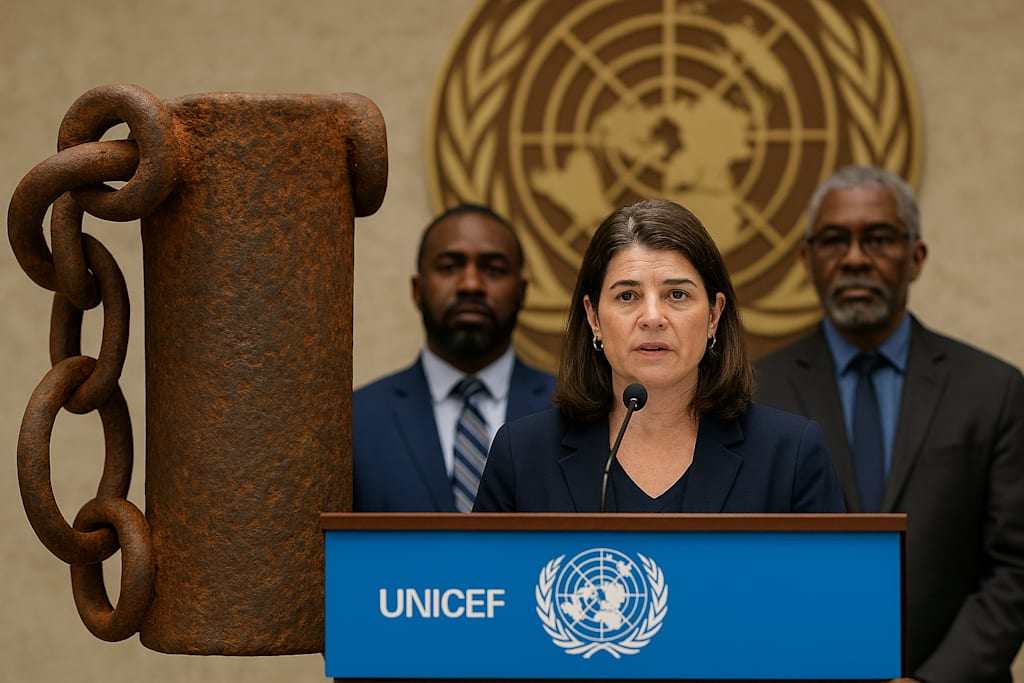
In a watershed moment for international justice and historical accountability, the United Nations General Assembly has formally recognized the transatlantic slave trade as the gravest crime against humanity. The resolution, adopted by a vote of 123 in favor, 3 against, with multiple abstentions, marks one of the most consequential acknowledgments in the UN’s history—one that confronts centuries of denial, erasure, and unresolved harm.
Introduced and led by Ghana, the resolution frames the transatlantic slave trade not as a tragic chapter closed by abolition, but as an ongoing crime whose consequences persist today in economic inequality, racial hierarchies, cultural destruction, and institutional exclusion across the globe. Central to the resolution is a renewed call for reparative justice, including formal apologies, material repair, and the return of artifacts and human remains removed during the era of enslavement and colonial expansion.
While nations across the Global South overwhelmingly supported the motion, the vote also laid bare the enduring global divide over accountability for historical crimes. The United States, Israel, and Argentina voted against the resolution, while most European nations abstained, declining to oppose the resolution openly but stopping short of endorsing its implications.

The symbolic and legal weight of the declaration has already reverberated far beyond the walls of the General Assembly, particularly in countries whose modern identities were forged through enslavement. In Brazil, the last country in the Americas to abolish slavery in 1888, activists, scholars, and Afro-Brazilian communities have renewed demands for recognition, restitution, and structural reform.
A Crime Recognized, A Legacy Unresolved
For over four centuries, the transatlantic slave trade forcibly displaced an estimated 12 to 15 million Africans, with millions more dying before ever reaching the Americas. Entire societies were destabilized. Cultural systems were disrupted or erased. Wealth extracted through enslaved labor fueled industrialization, state-building, and global empires whose benefits remain firmly entrenched in the modern world.
Yet despite its central role in shaping contemporary global inequality, the slave trade has often been framed as a regrettable but concluded episode—addressed through abolition alone. The UN resolution challenges this narrative directly, asserting that the crime did not end with abolition, because its effects were never remedied.
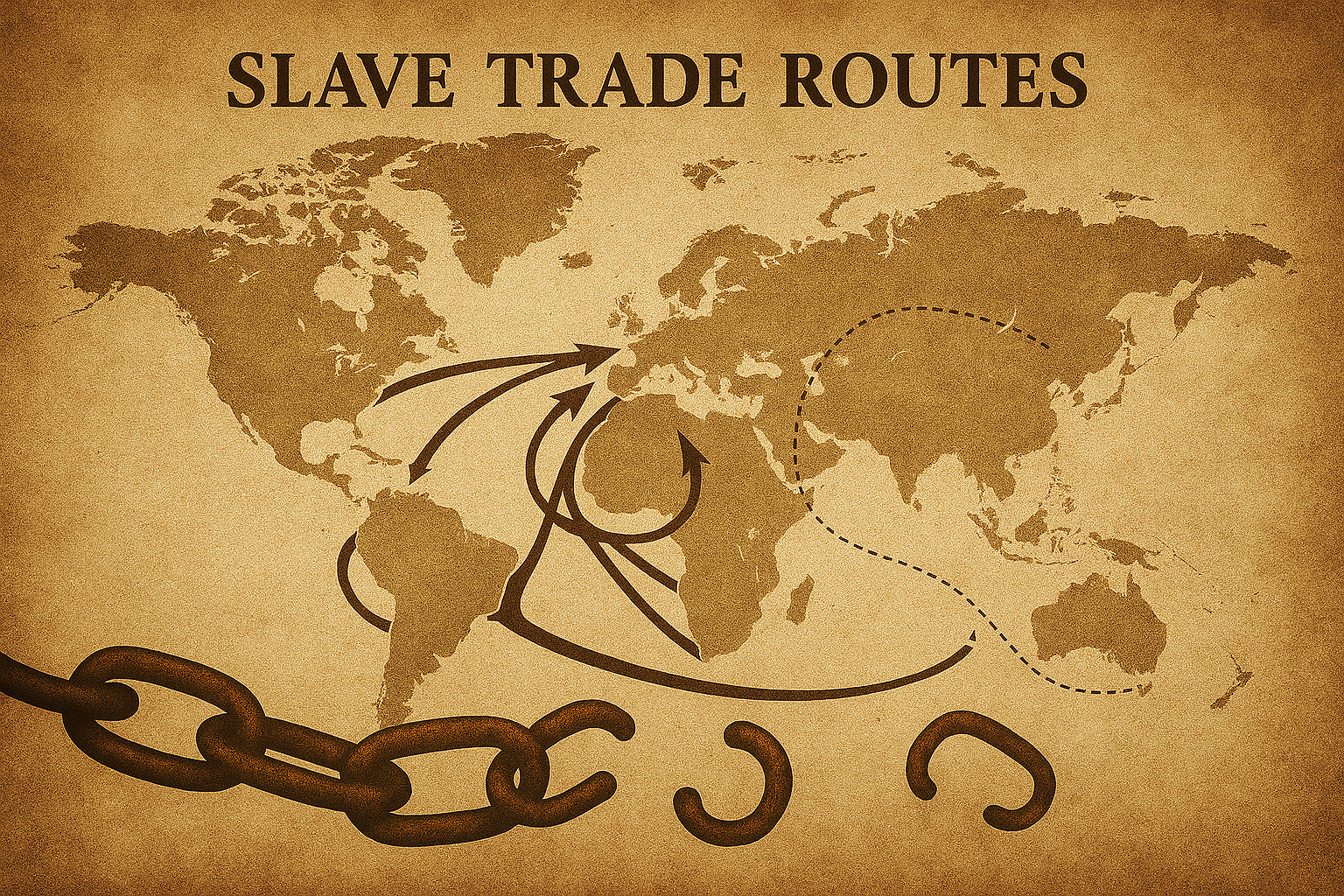
By classifying the transatlantic slave trade as the gravest crime against humanity, the General Assembly situates it alongside genocide and crimes against humanity in contemporary international law. This classification is not merely symbolic; it reshapes how states are expected to engage with the past and their responsibilities in the present.
Ghana’s Leadership and the Global South’s Voice
Ghana’s leadership in advancing the resolution reflects its longstanding role as a foFor over four centuries, the transatlantic slave trade forcibly displaced an estimated 12 to 15 million Africans, with millions more dying before ever reaching the Americas. Entire societies were destabilized. Cultural systems were disrupted or erased. Wealth extracted through enslaved labor fueled industrialization, state-building, and global empires whose benefits remain firmly entrenched in the modern world.
Yet despite its central role in shaping contemporary global inequality, the slave trade has often been framed as a regrettable but concluded episode—addressed through abolition alone. The UN resolution challenges this narrative directly, asserting that the crime did not end with abolition, because its effects were never remedied.
By classifying the transatlantic slave trade as the gravest crime against humanity, the General Assembly situates it alongside genocide and crimes against humanity in contemporary international law. This classification is not merely symbolic; it reshapes how states are expected to engage with the past and their responsibilities in the present.
Ghana’s Leadership and the Global South’s Voice
Ghana’s leadership in advancing the resolution reflects its longstanding cal point of the African diaspora’s return, remembrance, and reckoning. From the slave forts along its coast to its modern initiatives inviting descendants of the enslaved to reconnect, Ghana’s position underscores that reparative justice is not about revenge, but repair.

Across Africa, the Caribbean, Latin America, and parts of Asia, governments and civil society organizations have framed reparations as a matter of international equity. These regions bore the human cost of enslavement and colonial extraction while receiving none of the accumulated benefits. The resolution affirms that reality and validates decades of advocacy dismissed as unrealistic or divisive.
The Abstentions and the Resistance
The opposition and abstentions reveal an unresolved tension within the international system. Many states that profited most directly from slavery and colonialism remain reluctant to endorse reparations, often citing legal complexity, historical distance, or fears of financial liability.
Yet supporters of the resolution argue that avoidance has itself become a political choice—one that perpetuates injustice rather than addressing it. Abstention, they contend, is not neutrality; it is a refusal to engage with the moral and material consequences of history.
Reparative justice, as outlined in the resolution, does not mandate a single model of compensation. Instead, it calls for dialogue, national processes, and international cooperation to determine appropriate forms of repair. These may include debt relief, development investment, educational reform, healthcare equity, land restitution, cultural repatriation, and institutional reform.
Brazil: A Case Study in Living Legacy
Nowhere is the urgency of reparative justice more evident than in Brazil. Home to the largest population of African descendants outside Africa, Brazil imported more enslaved Africans than any other nation in the Americas. The formal abolition of slavery did not come with land redistribution, economic support, or social integration.
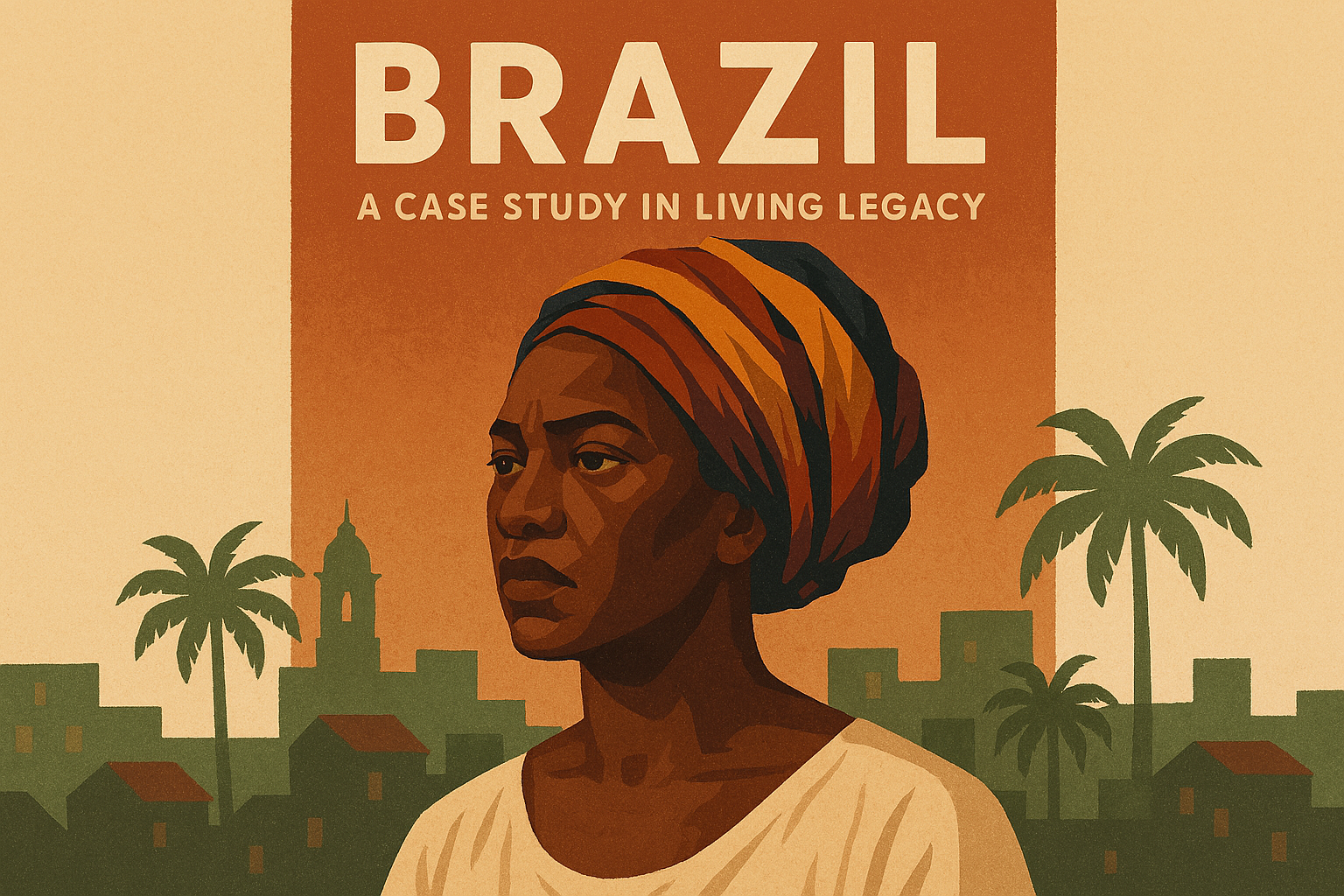
As a result, Afro-Brazilians today remain disproportionately affected by poverty, police violence, limited political representation, and restricted access to education and healthcare. The UN’s declaration has reignited national conversations about historical accountability and the structures that continue to marginalize Black Brazilians.
Community leaders in Rio de Janeiro and beyond emphasize that reparations are not abstract demands—they are about material conditions, dignity, and future possibilities.
Cultural Theft and the Demand for Return
A key component of the resolution is the call for the return of stolen artifacts, cultural objects, and human remains removed during the slave trade and colonial era. Museums and private collections in Europe and North America hold vast quantities of African and Indigenous heritage acquired through violence or coercion.
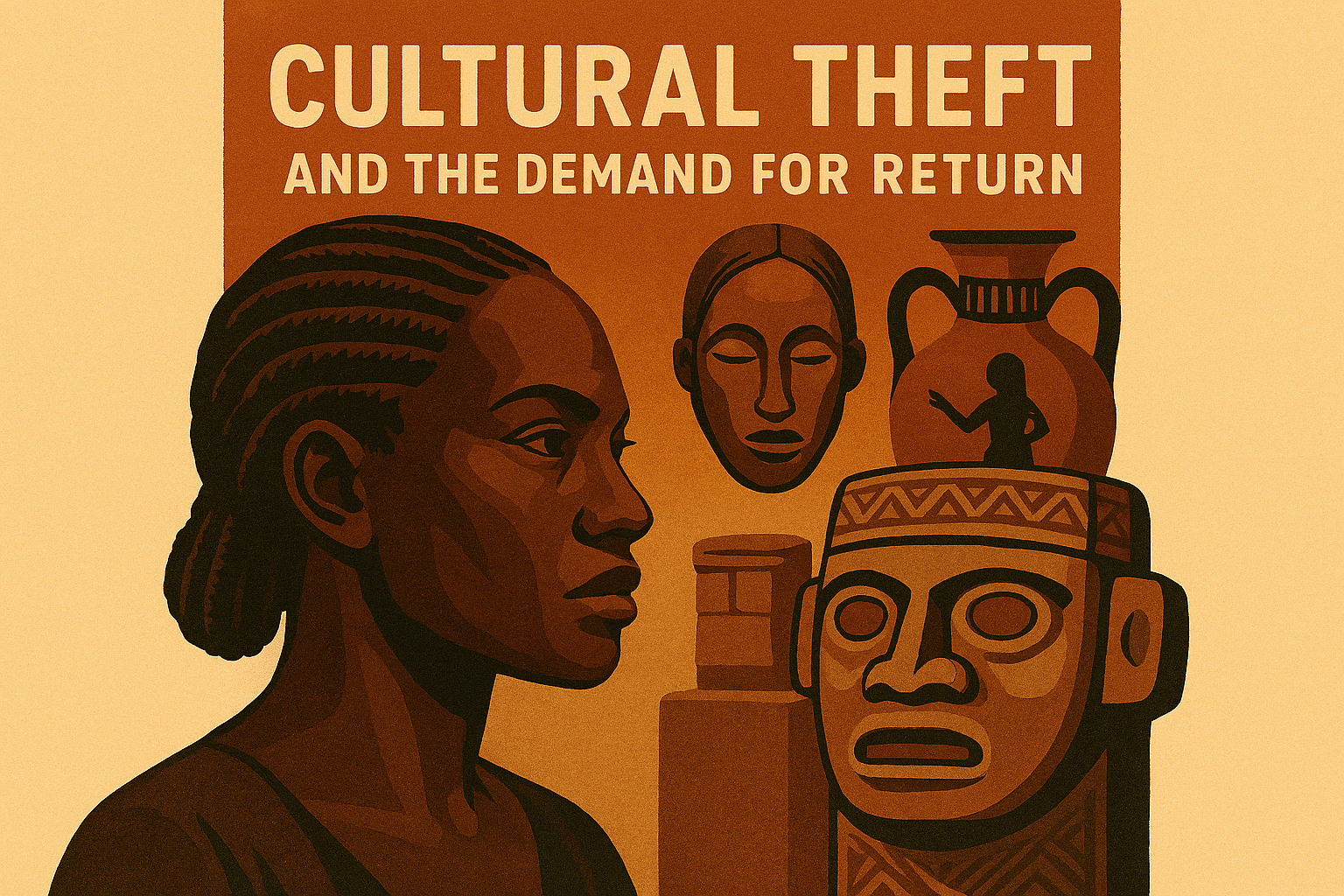
For descendant communities, repatriation is about more than objects. It represents the restoration of history, identity, and agency. The resolution frames cultural return as an essential element of healing and truth-telling.
From Recognition to Action
While the resolution itself does not impose binding obligations, it provides an authoritative framework for action at national, regional, and international levels. Governments now face a choice: treat the declaration as a symbolic gesture—or as a roadmap for transformation.
Civil society organizations stress that public engagement will determine which path is taken. Reparative justice has moved from the margins of global debate to its center, and sustained pressure will be necessary to convert recognition into policy.
Who to Contact and Petition
Individuals, organizations, and communities seeking to support reparative justice can direct their advocacy to the following institutions:
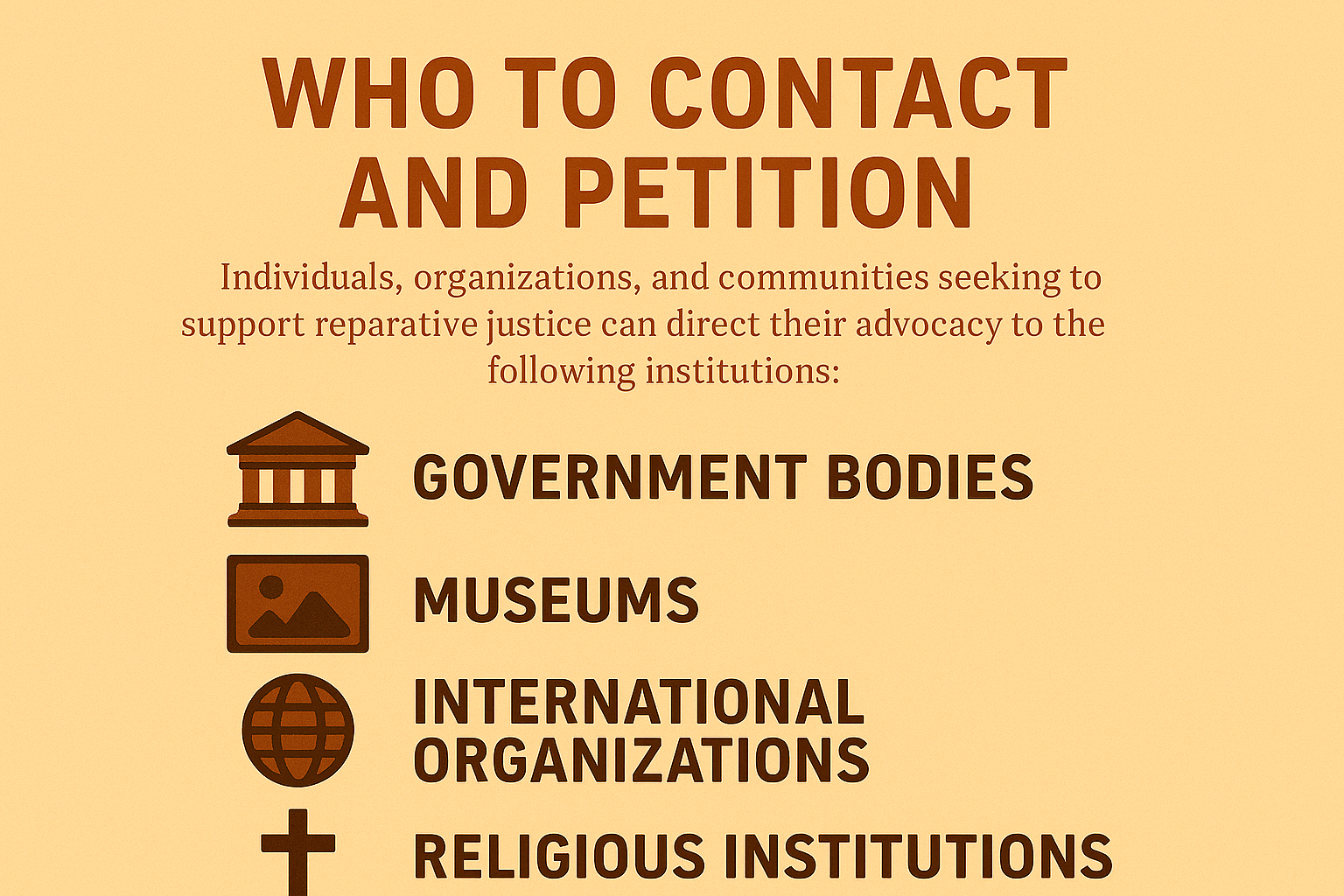
Public pension funds and foundations with historic ties to slavery. Petitions should call for: Formal acknowledgment of national involvement in the slave trade, Participation in international reparative justice dialogues, Support for artifact and remains repatriation, Investment in affected descendant communities.
A Turning Point, Not an Endpoint
The UN’s declaration does not resolve the harms of slavery—but it ends the pretense that those harms are unaddressable or irrelevant. It affirms that history is not distant, that injustice compounds when ignored, and that repair is a legitimate demand, not a radical one.
As the world confronts this truth, the question is no longer whether reparative justice is warranted, but whether the international community has the courage to pursue it.
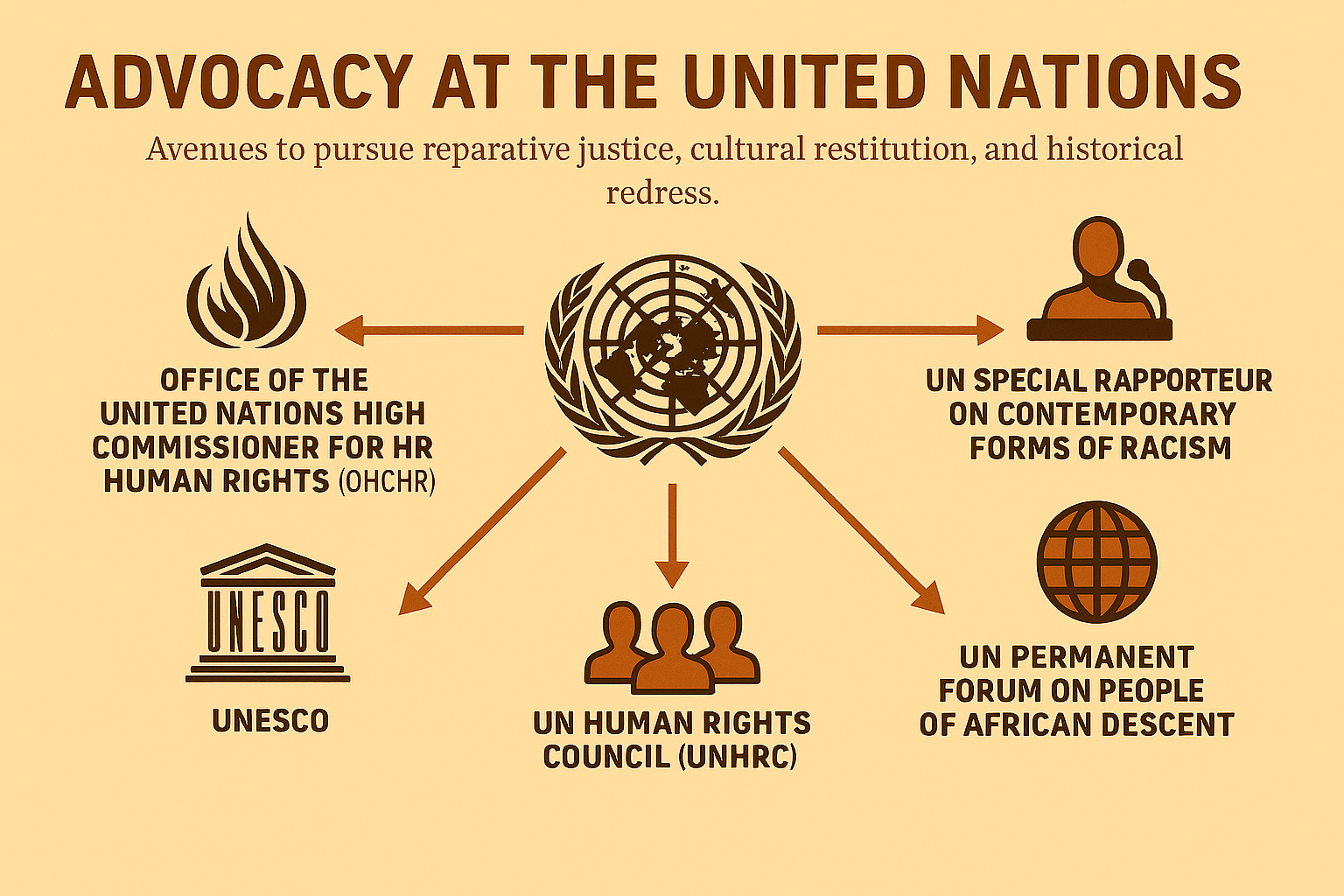
The recognition of the transatlantic slave trade as the gravest crime against humanity is a beginning. What follows will define the moral credibility of the global order itself.
The fight for reparative justice does not end with resolutions or declarations—it requires public engagement, education, and sustained dialogue. Understanding the historical foundations of today’s global inequalities is essential to shaping fair and lasting solutions.
Readers interested in deeper exploration of these themes—covering history, global power structures, social justice, and pathways toward equity—are encouraged to check out my available eBooks, where these issues are examined in greater detail and with extended analysis.
To stay informed on future writings, essays, and ongoing commentary related to international justice, reparations, and global accountability, consider subscribing for updates and new publications.
The work of truth, repair, and justice is collective—and it continues with informed voices, shared knowledge, and sustained attention.
About the Creator
Press Release
I was born and raised in Chicago but lived all over the Midwest. I am health, safety, and Environmental personnel at the shipyard. PLEASE SUBSCRIBE to my vocal and check out my store
Enjoyed the story? Support the Creator.
Subscribe for free to receive all their stories in your feed.
Comments
There are no comments for this story
Be the first to respond and start the conversation.