
The Rich and Diverse Culture of Japan
Japanese Culture

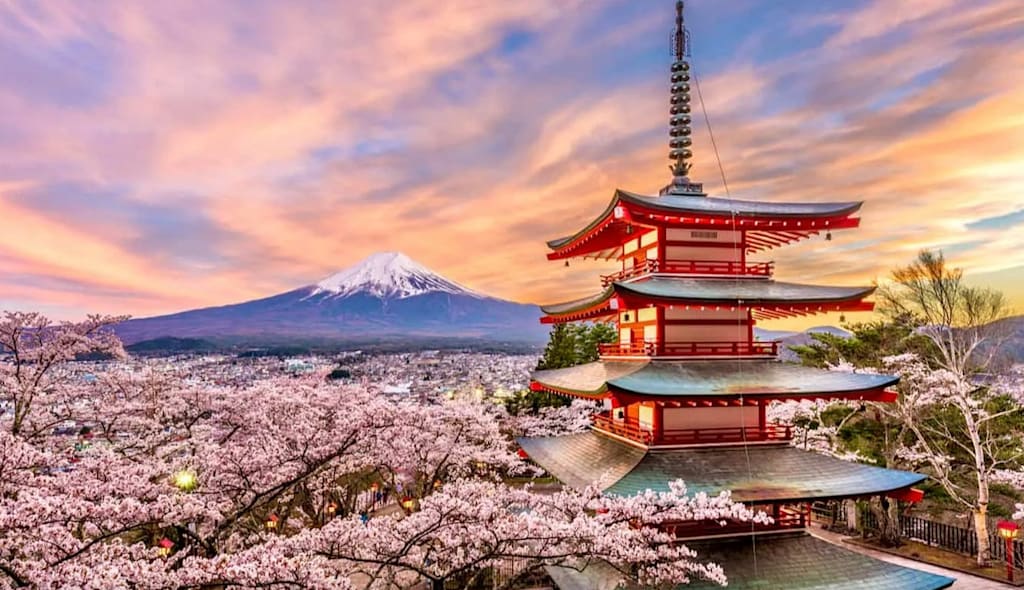
Japan, an island nation in East Asia, is renowned for its unique blend of ancient traditions and cutting-edge modernity. With a history spanning thousands of years, Japanese culture reflects deep respect for nature, community, and innovation. From its art and cuisine to its festivals and philosophy, Japan offers a rich cultural tapestry that captivates people worldwide.
Historical Foundations of Japanese Culture
Japanese culture is deeply rooted in its history, influenced by Shinto, Buddhism, and Confucianism, as well as exchanges with China and Korea. Over centuries, Japan has developed distinctive cultural practices that continue to thrive. For example:
1. Shinto emphasizes harmony with nature and reverence for kami (spirits). It inspires many of Japan’s traditional rituals and festivals.
2. Buddhism, introduced in the 6th century, has shaped Japanese art, architecture, and moral philosophy.
These influences are visible in iconic cultural landmarks like Kyoto’s Buddhist temples and Shinto shrines across the country.
Art and Aesthetics
Japanese art embodies simplicity, balance, and an appreciation for impermanence, as seen in the concept of wabi-sabi — the beauty of imperfection. Key aspects of Japanese artistic culture include:
1. Calligraphy (Shodō): The art of writing kanji with brush and ink, emphasizing grace and flow.
2. Ikebana: The traditional art of flower arrangement, focusing on harmony, rhythm, and balance.
3. Tea Ceremony (Chanoyu): A meticulous ritual of serving and drinking matcha tea, reflecting mindfulness and respect.
4. Woodblock Prints (Ukiyo-e): Famous for works like Hokusai’s The Great Wave off Kanagawa, ukiyo-e showcases vibrant landscapes and cultural scenes.
Culinary Traditions
Japanese cuisine, or washoku, is globally celebrated for its freshness, seasonal ingredients, and artistry. It has even been recognized as a UNESCO Intangible Cultural Heritage. Key elements include:
1. Sushi and Sashimi: Raw fish dishes that highlight the quality of ingredients.
2. Ramen: A comfort food that has evolved into an art form with regional variations.
3. Kaiseki: A multi-course meal showcasing seasonal flavors and meticulous presentation.
4. Matcha: Powdered green tea, central to Japanese tea culture.
Meals often emphasize balance and presentation, reflecting the aesthetic principles of Japanese culture.
Festivals and Traditions
Japanese festivals, or matsuri, celebrate everything from seasons to historical events. Some notable ones include:
1. Hanami (Cherry Blossom Viewing): A spring tradition where people gather under blooming cherry trees to celebrate renewal.
2 .Gion Matsuri: Held in Kyoto, this summer festival features parades and traditional floats.
3. Obon: A Buddhist tradition honoring ancestors, marked by lanterns and dances.
Seasonal changes are deeply respected in Japanese culture, influencing not just festivals but daily life.
Modern Japan
While deeply rooted in tradition, Japan is also a global leader in technology, fashion, and entertainment. The contrasts between its modern and historical elements are striking:
1. Pop Culture: Anime, manga, and J-pop have become global phenomena.
2. Technology: Japan’s advancements in robotics and consumer electronics shape the modern world.
3. Architecture: Cities like Tokyo feature futuristic skyscrapers alongside ancient temples.
Values and Social Norms
Respect, harmony, and community are at the core of Japanese culture. Key cultural values include:
1. Omotenashi: The spirit of selfless hospitality.
2. Giri and Ninjo: A balance of duty and compassion.
3. Respect for Elders: An integral part of family and societal relationships.
Social norms often emphasize politeness, punctuality, and collective responsibility.
Nature and Spirituality
Japan’s deep connection to nature is reflected in its gardens, haiku poetry, and reverence for natural landmarks like Mount Fuji. Practices like forest bathing (shinrin-yoku) highlight the importance of nature for spiritual well-being.
Japanese culture is a remarkable interplay of ancient wisdom and futuristic innovation, creating a society that respects its past while embracing the future. Whether through its art, cuisine, festivals, or values, Japan offers a cultural experience that inspires and delights people worldwide. For those who visit, the country provides an unforgettable journey into a harmonious and vibrant way of life.
About the Creator
Enjoyed the story? Support the Creator.
Subscribe for free to receive all their stories in your feed.
Comments
There are no comments for this story
Be the first to respond and start the conversation.