

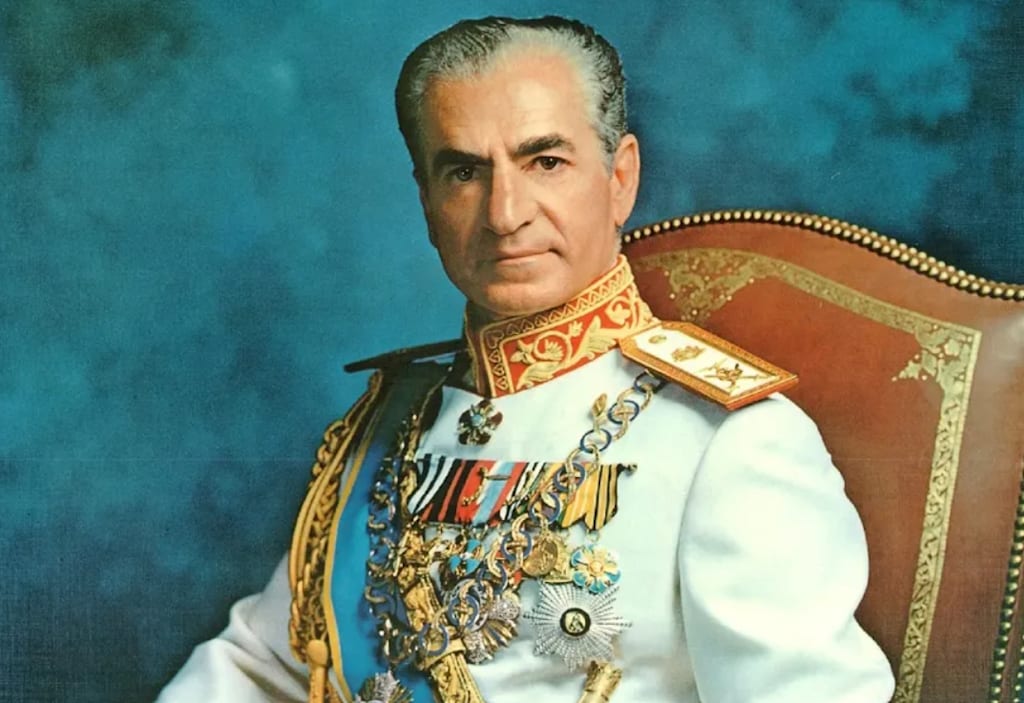
The title Shah — meaning “king” in Persian — was used by rulers of Iran (historically known as Persia) for centuries, symbolizing both political authority and cultural continuity. From the ancient dynasties of the Achaemenids to the Pahlavis of the 20th century, the shahs shaped Iran’s political trajectory, global relations, and cultural identity. Their reigns left a legacy that continues to influence Iran’s history and modern politics.
Ancient Origins of the Shahs
The tradition of Iranian kingship dates back to the Achaemenid Empire (550–330 BCE), founded by Cyrus the Great. Known for his tolerance and administrative genius, Cyrus established the model of the Shahanshah (“King of Kings”), a title later adopted by many Persian monarchs. The Achaemenid shahs ruled over one of the largest empires in antiquity, stretching from Greece to India.
Successive dynasties — including the Parthians (247 BCE–224 CE) and the Sassanids (224–651 CE) — continued this tradition. The shah was not merely a political ruler but a sacred figure embodying divine authority and the guardian of Zoroastrian religion and Persian culture.
The Safavid and Qajar Dynasties
After centuries of turmoil following the Islamic conquest of Persia, the Safavid dynasty (1501–1736) revived a powerful Iranian state. Safavid shahs, most notably Shah Abbas I, centralized power, strengthened the economy, and made Twelver Shi’a Islam the official state religion, shaping Iran’s identity for centuries to come.
The Qajar dynasty (1789–1925) followed, presiding over a weakened Iran subject to European imperial pressures. The shahs of this period, while maintaining the title, lost significant autonomy as Britain and Russia vied for influence in Persia. Corruption, weak administration, and concessions to foreign powers created growing discontent among Iranians.
The Pahlavi Dynasty: Modernization and Controversy
In 1925, Reza Shah Pahlavi seized power, ending the Qajar dynasty and establishing the Pahlavi monarchy. Reza Shah embarked on ambitious modernization programs: building infrastructure, reforming the legal system, and secularizing education. However, his authoritarianism and ties to Western powers drew criticism.
After World War II, his son Mohammad Reza Shah Pahlavi ascended the throne. His reign was marked by both modernization and turmoil:
1. The White Revolution (1963) sought land reform, women’s rights, and industrial development.
2. Oil wealth transformed Iran into a regional power.
3. However, corruption, repression, and growing inequality fueled resentment.
The Shah’s reliance on the secret police (SAVAK), his close alliance with the United States, and perceived erosion of Islamic traditions alienated both secular intellectuals and religious leaders.
The Fall of the Shah and the 1979 Revolution
By the late 1970s, opposition to Mohammad Reza Shah reached its peak. Protests, strikes, and mass demonstrations erupted across Iran. In 1979, the Shah fled the country, ending more than 2,500 years of monarchy. Shortly afterward, Ayatollah Ruhollah Khomeini led the establishment of the Islamic Republic of Iran, abolishing the shahship entirely.
The last shah died in exile in 1980, marking the end of an era that had defined Iran’s political order for millennia.
Legacy of the Iranian Shahs
The shahs of Iran left a complex legacy:
1. Cultural Patrimony — From Persepolis to Isfahan’s Safavid architecture, their rule enriched Iranian art, literature, and identity.
2. Modernization vs. Tradition — The Pahlavi shahs embodied Iran’s struggle to balance modernization with religious and cultural heritage.
3. Political Lessons — The fall of the last shah remains a cautionary tale of authoritarian rule, foreign dependence, and the power of grassroots movements.
The history of the Iranian shahs is the story of kingship that lasted from antiquity to the modern age. From Cyrus the Great’s vision of empire to Mohammad Reza Shah’s oil-fueled modernization, the monarchy shaped Iran’s political and cultural identity for centuries. Though the Islamic Republic replaced the throne with a theocracy, the legacy of the shahs — both as symbols of power and cautionary figures — continues to influence Iran’s national memory and global image.
About the Creator
Enjoyed the story? Support the Creator.
Subscribe for free to receive all their stories in your feed.
Comments