
The History of Tom and Jerry
The World's Most Beloved Cartoon

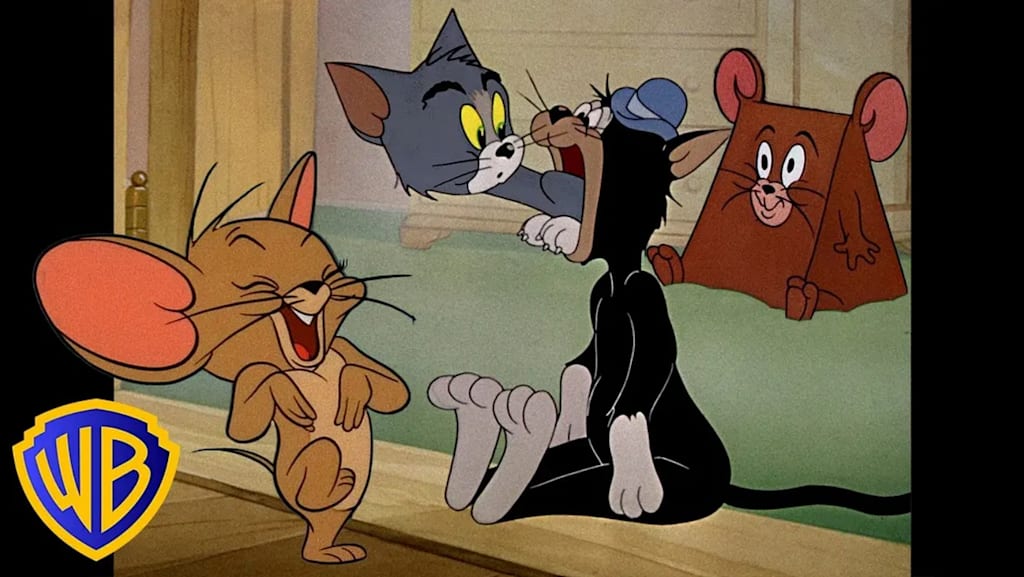
The story of Tom and Jerry begins in 1940, during a golden age of American animation when studios were experimenting with new characters and comedic styles. The series was created by William Hanna and Joseph Barbera while they were working at Metro Goldwyn Mayer. At the time, the studio was looking for new ideas to compete with popular characters from other animation giants. Hanna and Barbera combined their talents to create a simple idea that would evolve into one of the most beloved animated series in history. Their idea centered on the timeless conflict between a house cat and a clever mouse.
The magic of Tom and Jerry lies in its energetic slapstick style and its ability to convey humor through visual storytelling rather than spoken dialogue. The characters rarely speak, which allows the audience to enjoy the comedy regardless of language or cultural background. Hanna and Barbera mastered the technique of timing, using motion, sound effects, and expressive animation to create sequences that felt almost musical. Each chase was crafted with care, blending chaos with charm in a way that became instantly recognizable.
From 1940 to 1958, Hanna and Barbera produced more than one hundred short films for Metro Goldwyn Mayer. During this period, the series won seven Academy Awards for Best Animated Short Film, a record that represents the high regard the industry had for their work. These awards also highlight the extraordinary level of craftsmanship put into every episode. Each short was animated by hand, with meticulous drawings, richly painted backgrounds, and smooth movement that gave the characters life.
However, the series faced challenges when Metro Goldwyn Mayer decided to shut down its animation department in the late 1950s. Tom and Jerry was too valuable to disappear, so the studio hired Gene Deitch, an animator working in Europe, to produce a new set of shorts. These later episodes were made with a much smaller budget and had a very different look and feel compared to the earlier work. Although they are often viewed as unusual compared to the classic shorts, they remain an important chapter in the history of the series.
In the early 1960s, the legendary animator Chuck Jones, known for his work on Looney Tunes, took over production. Under Jones, Tom and Jerry gained a new visual style with sharper designs and a more stylized world. Jones added his own sense of timing and humor, creating a unique era within the larger history of the series. While his approach differed from the original team, it helped keep the characters alive for a new generation.
As television grew in popularity, Tom and Jerry found a second life in reruns. The series reached new audiences across continents, becoming a global cultural icon. Children and adults alike enjoyed the humor, expressive animation, and lovable rivalry. The characters also appeared in feature films, television spin offs, and later computer animated projects. Each new adaptation brought the characters into the world of modern entertainment while honoring the spirit created by Hanna and Barbera.
The legacy of Tom and Jerry extends far beyond entertainment. Animators often study the series to understand timing, movement, and the art of visual comedy. Fans admire the charm and energy of the characters, who remain instantly recognizable even after decades. The work of William Hanna and Joseph Barbera shaped the future of animation as they went on to establish Hanna Barbera Productions, where they created many other beloved series. Yet Tom and Jerry remains one of their greatest achievements, a series that stands as a testament to their creativity and skill.
Today, Tom and Jerry continues to entertain new generations through streaming platforms, new adaptations, and the enduring popularity of the classic shorts. The cat and mouse who first appeared in a simple idea in 1940 have become timeless characters whose place in animation history is secure.
About the Creator
Enjoyed the story? Support the Creator.
Subscribe for free to receive all their stories in your feed.
Comments
There are no comments for this story
Be the first to respond and start the conversation.