
Burkina Faso Seeks Greater Control of Kiaka Gold Mine
West African Resources Targets Record Output in 2026

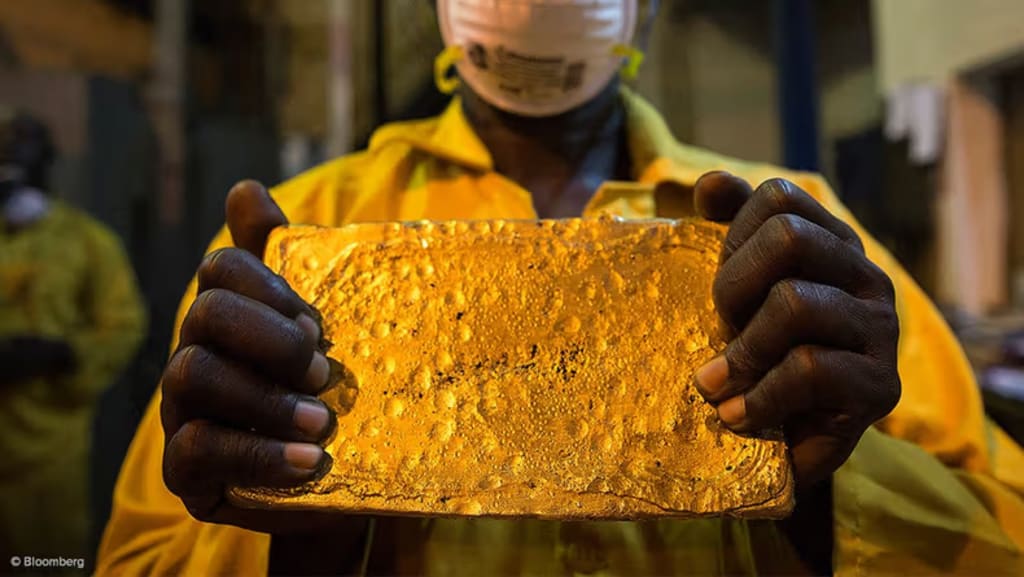
Burkina Faso Seeks Greater Control of Kiaka Gold Mine as West African Resources Targets Record Output in 2026
Burkina Faso has signaled a major shift in its approach to foreign‑owned mining operations, informing Australian gold producer West African Resources Limited of its intention to increase the state’s stake in the Kiaka gold mine to 40 percent, up from the current 15 percent. The move comes at a pivotal moment for the company, which has projected a significant rise in annual gold production across its West African portfolio, aiming for as much as 490,000 ounces in 2026.
The proposed change in ownership structure has injected uncertainty into the outlook for one of West Africa’s largest gold developments and prompted the company to request a temporary suspension of trading in its shares on the Australian Securities Exchange (ASX). The trading halt, implemented on April 18, 2026, is expected to remain in place until either the company issues a detailed market update or April 21, whichever occurs first.
At the center of the development is Burkina Faso’s evolving mining policy under a military‑led government that has placed natural resource sovereignty at the core of its economic agenda. The government’s request reflects a broader recalibration of relationships between African states and foreign mining investors, particularly in jurisdictions where mineral wealth plays a central role in national revenues and development ambitions.
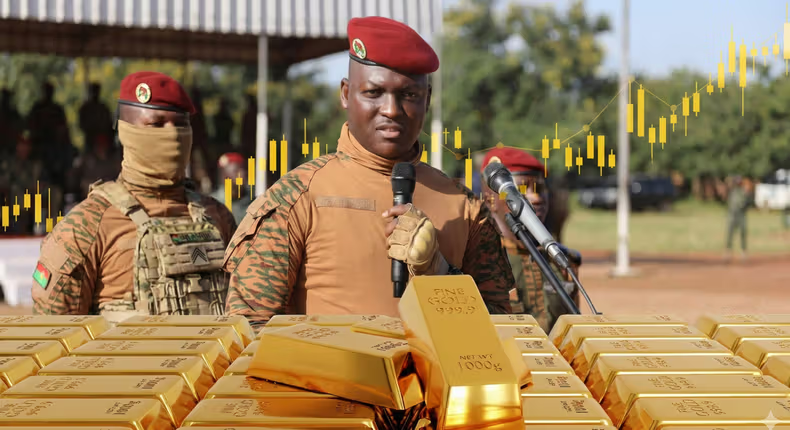
A Strategic Asset in Burkina Faso’s Gold Belt
The Kiaka gold mine, located in Burkina Faso’s Centre‑Est region, is widely regarded as a strategic national asset. Covering approximately 54 square kilometres, Kiaka entered commercial production in June 2025 after years of development and represents one of the most significant mining investments in the country in recent years.
Prior to the latest government move, the mine’s ownership structure consisted of 85 percent held by West African Resources Limited and 15 percent held by the state of Burkina Faso. That 15 percent interest itself reflects an increase from a previous 10 percent stake, granted at no cost to the government as part of updated mining arrangements.
Kiaka’s importance extends beyond ownership percentages. The mine is projected to produce between 240,000 and 280,000 ounces of gold annually, forming a cornerstone of West African Resources’ growth strategy and underpinning its ambition to become a leading mid‑tier gold producer on the African continent.

For Burkina Faso, gold mining is one of the largest contributors to export earnings and government revenues. In a context marked by security challenges, fiscal pressure, and shifting geopolitical alliances, the mining sector has become a focal point for policies intended to capture greater value from domestic natural resources.
Government Decree Signals Policy Shift
The government’s intention to raise its stake in Kiaka to 40 percent follows a decree adopted by Burkina Faso’s Council of Ministers, aligned with mining legislation introduced in 2024. The decree empowers the state to expand its participation in strategic mining assets, particularly those deemed critical to national economic interests.
Since August 2025, the government has signaled its ambition to increase its shareholding in the Kiaka project to as much as 50 percent, a threshold that would effectively place the mine under joint control. The current proposal for a 40 percent stake appears to be a significant step toward that goal, though negotiations and valuations remain unresolved.
West African Resources previously indicated that a 5 percent increase in government ownership was valued internally at $33.4 million, implying that the full increase from 15 percent to 40 percent could carry substantial financial implications for the company. How that value would be compensated—whether through direct payment, dilution, or revised fiscal terms—has not yet been disclosed.

The absence of immediate clarity on valuation, timelines, or legal mechanisms was a key factor behind the company’s decision to seek a trading halt, citing the need to maintain an “orderly market” and allow investors to assess forthcoming disclosures on an informed basis.
Market Reaction and Trading Halt
The trading suspension on the ASX underscored the significance of the development for shareholders. Mining equities are particularly sensitive to changes in sovereign risk, ownership rules, and contract stability, and investors have closely followed events in resource‑rich countries pursuing greater state participation.
West African Resources has positioned itself as a long‑term partner in Burkina Faso, with substantial capital invested not only in Kiaka but across its broader operational footprint. The prospect of a forced or negotiated ownership reconfiguration introduces questions about future cash flows, capital allocation, and corporate control.
While the company has not publicly opposed the government’s intention, its statement accompanying the trading halt emphasized the need for clarity and further engagement with regulators before providing precise guidance to the market. Investors are expected to scrutinize any update for insight into whether the proposed stake increase will be implemented under existing mining agreements or require renegotiation of key commercial terms.
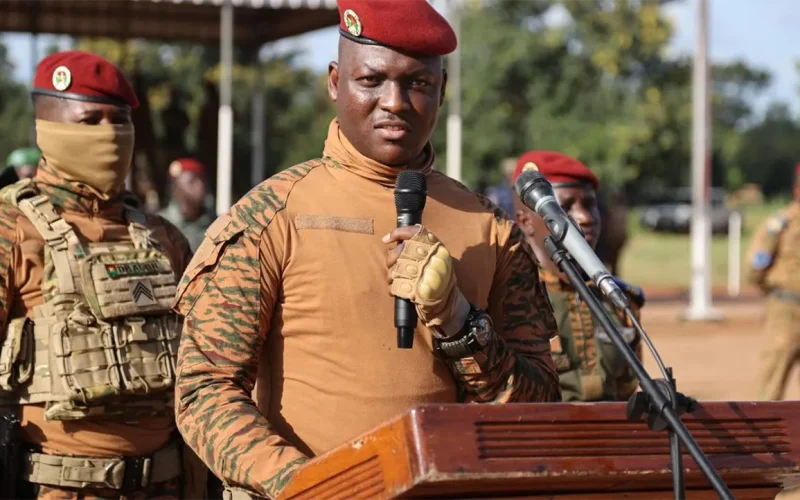
A Broader Trend of Resource Nationalism
Burkina Faso’s move is not occurring in isolation. Across parts of Africa, governments have increasingly pursued policies aimed at boosting state participation in mining projects, a phenomenon often described as resource nationalism. These policies can take various forms, including higher royalties, mandatory state equity stakes, windfall taxes, or increased local content requirements.
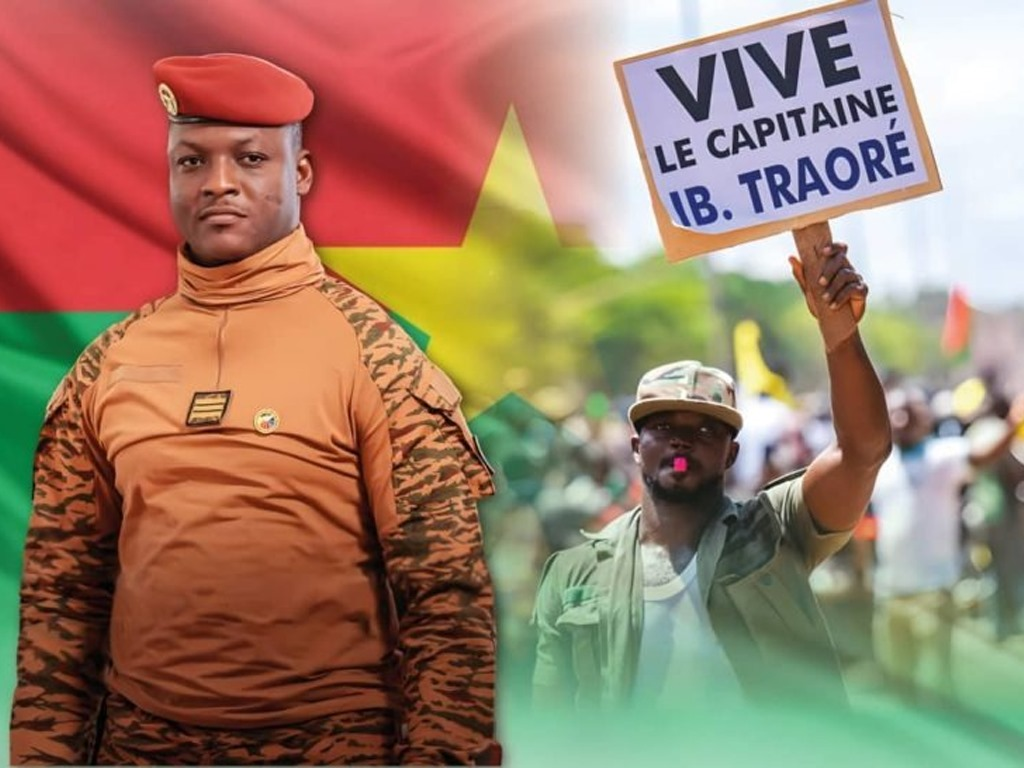
Under the leadership of Captain Ibrahim Traoré, Burkina Faso’s military government has emphasized economic sovereignty and the need for greater domestic benefit from foreign‑owned enterprises. Mining, as one of the most visible and lucrative sectors, has naturally become a testing ground for these ambitions.
The government has framed increased state ownership as a means of ensuring that gold revenues contribute more directly to public finances, infrastructure development, and social programs. Critics, however, argue that abrupt changes to ownership structures risk undermining investor confidence, particularly in a country where security risks already pose challenges to project execution.
For mining companies operating in the region, the evolving policy landscape has heightened the importance of political engagement, community relations, and flexibility in capital planning.

West African Resources’ Production Ambitions
Despite the uncertainty surrounding Kiaka’s ownership, West African Resources has maintained a bullish outlook on production growth. The company has projected up to 490,000 ounces of gold production in 2026, driven by contributions from Kiaka and other assets across West Africa.
This output target represents a sharp increase from previous years and places the company among a select group of rapidly expanding African gold producers. Management has highlighted operational ramp‑ups, cost discipline, and exploration success as key pillars of this growth trajectory.
Kiaka, in particular, plays a crucial role due to its scale, reserve base, and production profile. Any adjustment to ownership that affects the company’s economic interest in the mine could materially influence its ability to fund exploration, service debt, or pursue acquisitions elsewhere in the region.
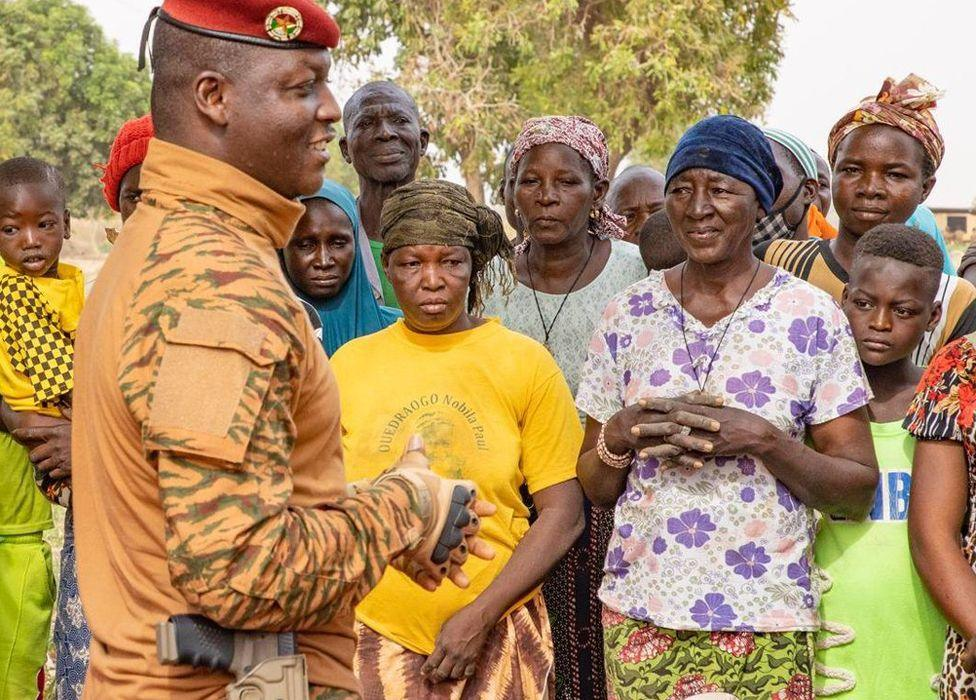
At the same time, higher global gold prices have provided a supportive backdrop, partially offsetting geopolitical and regulatory risks. Inflation concerns, central bank buying, and geopolitical tension have helped keep gold prices elevated, underpinning revenue expectations for producers like West African Resources.
Balancing Opportunity and Risk
The situation confronting West African Resources illustrates the delicate balance faced by international miners operating in emerging markets. On one hand, countries like Burkina Faso offer rich geology, relatively low operating costs, and significant growth potential. On the other, evolving regulatory frameworks and political dynamics can introduce sudden shifts in project economics.
For Burkina Faso, the proposed increase in state ownership reflects a desire to translate mineral wealth into tangible national benefits. Whether this approach ultimately strengthens or weakens the mining sector will depend on how changes are implemented and communicated.

Industry observers note that negotiated solutions—such as phased equity increases, compensation mechanisms, or revised fiscal terms—can help align government objectives with investor expectations. Conversely, unilateral actions risk triggering legal disputes, project delays, or reduced investment appetite.
What Comes Next
As the trading halt approaches its scheduled end, attention will focus on West African Resources’ next disclosure. Key questions for the market include:
* How the proposed 40 percent state stake will be structured and financed
* Whether the move complies with existing mining agreements
* The impact on the company’s production, earnings, and capital plans
* The broader implications for foreign investors in Burkina Faso’s mining sector
For now, both the government and the mining company appear committed to dialogue, even as broader policy signals suggest that state control over strategic resources will remain a defining feature of Burkina Faso’s economic strategy.
The outcome of the Kiaka negotiations may set an important precedent—not only for West African Resources, but for other miners operating in the country and across a continent where the rules governing access to natural wealth are increasingly being rewritten.
About the Creator
Press Release
I was born and raised in Chicago but lived all over the Midwest. I am health, safety, and Environmental personnel at the shipyard. PLEASE SUBSCRIBE to my vocal and check out my store
Enjoyed the story? Support the Creator.
Subscribe for free to receive all their stories in your feed.
Comments
There are no comments for this story
Be the first to respond and start the conversation.