


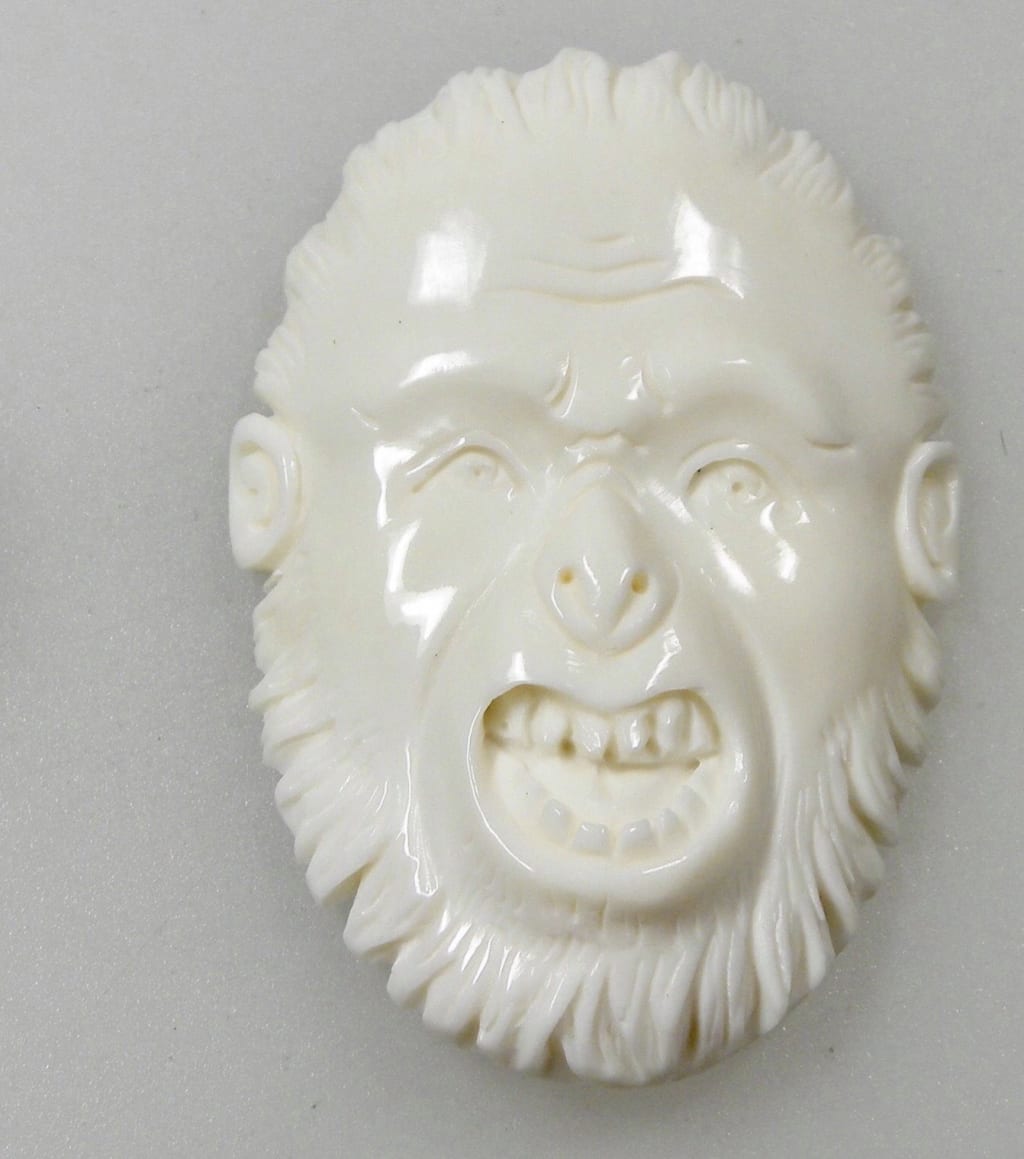
Bone carving in Bali, Indonesia, is a rich, traditional art form using cow/buffalo bone and horns to create intricate decorative items and jewelry, originally tied to Hindu mythology and spirituality, with artisans in villages like Tampak Siring transforming animal by-products into cultural artifacts, often featuring deities, mythical creatures like Garuda, and spiritual symbols for homes, temples, and international markets. The process involves sterilizing bones (often from slaughterhouses), carving with chisels and files, and polishing, turning organic material into detailed sculptures and functional art.
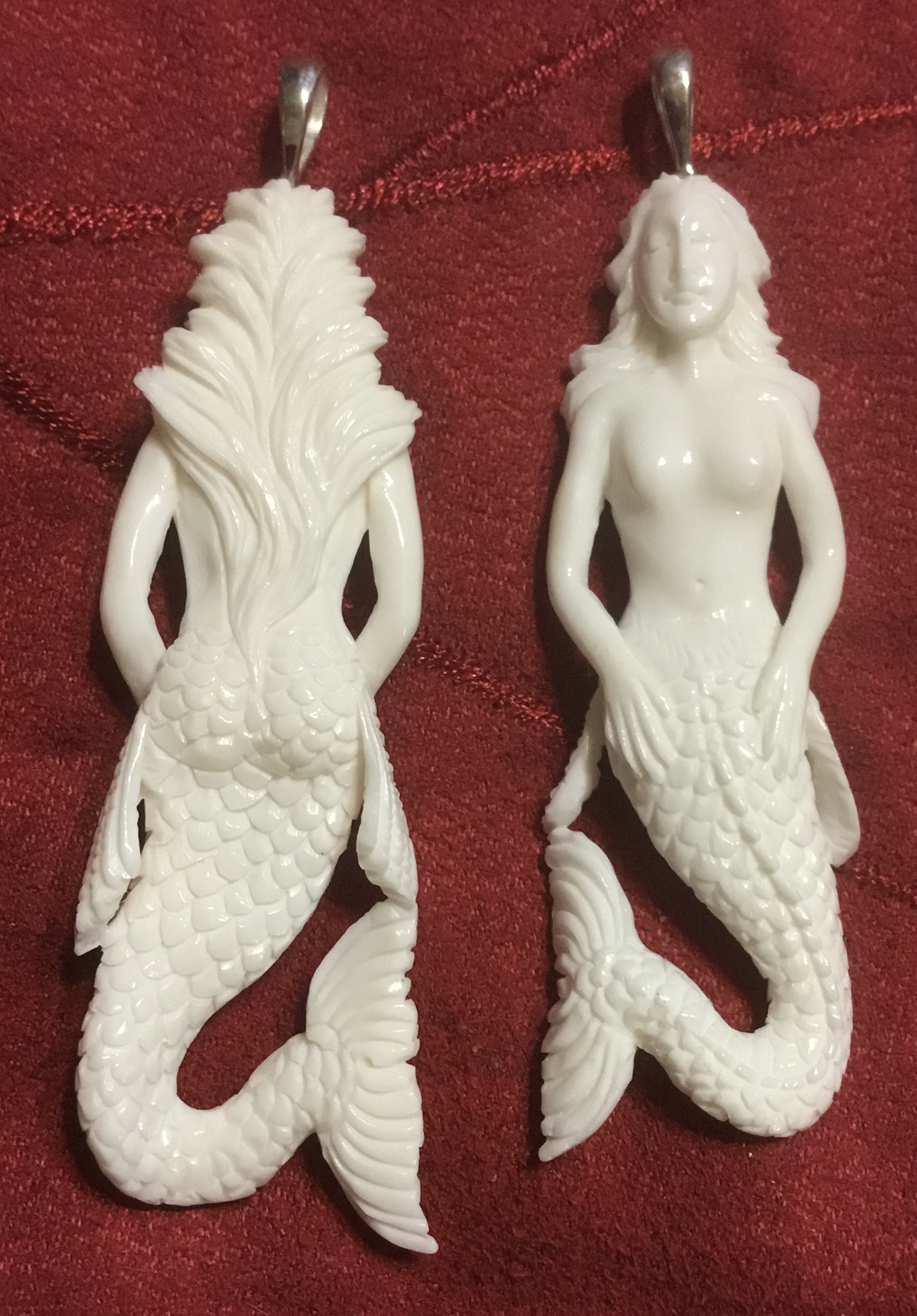
Materials used - Primarily cow and water buffalo bones, but also deer/goat horns, sourced from across Indonesia.
Preparation: Bones are boiled, bleached, scraped, and sun-dried to clean and sterilize them.
Carving: Artisans use chisels and files to carve detailed patterns, figures, and motifs.
Finishing: Horns are often reattached with resin, and pieces are polished.
Themes & Significance
Spiritual Roots: Art reflects Balinese Hinduism, depicting gods (like Ganesha), demons, Hindu epics (Ramayana, Mahabharata), and symbols of protection, fertility, and prosperity.
Cultural Heritage: Preserves ancestral stories and cultural identity, adorning temples, palaces, and homes.
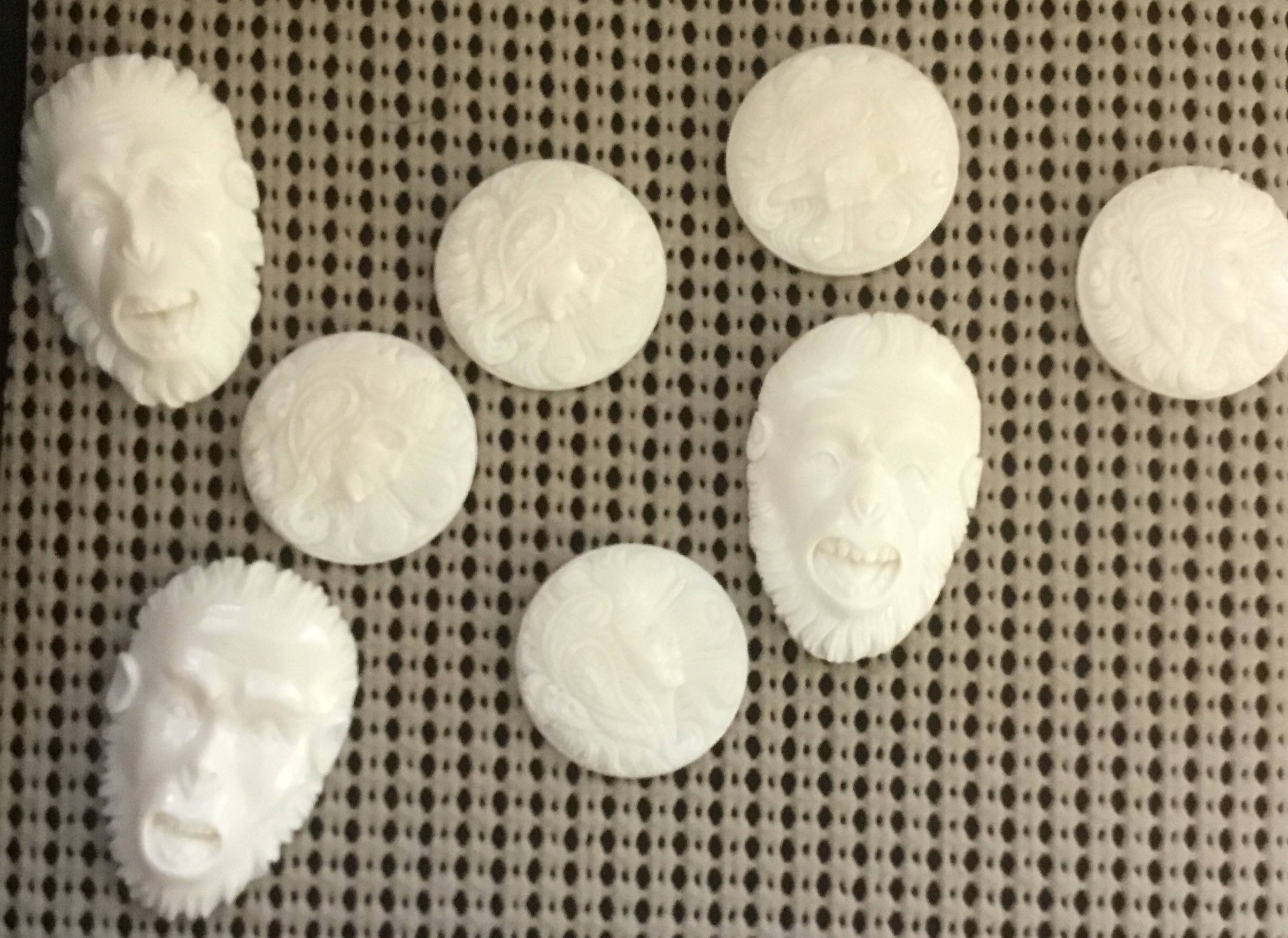
Modern Interpretations - which is where we at Wildthingsbeads comes in -Combines traditional designs with contemporary styles for jewelry, totems, and home decor, such as moon faces, Greenman, Sasquatch, mermaids.
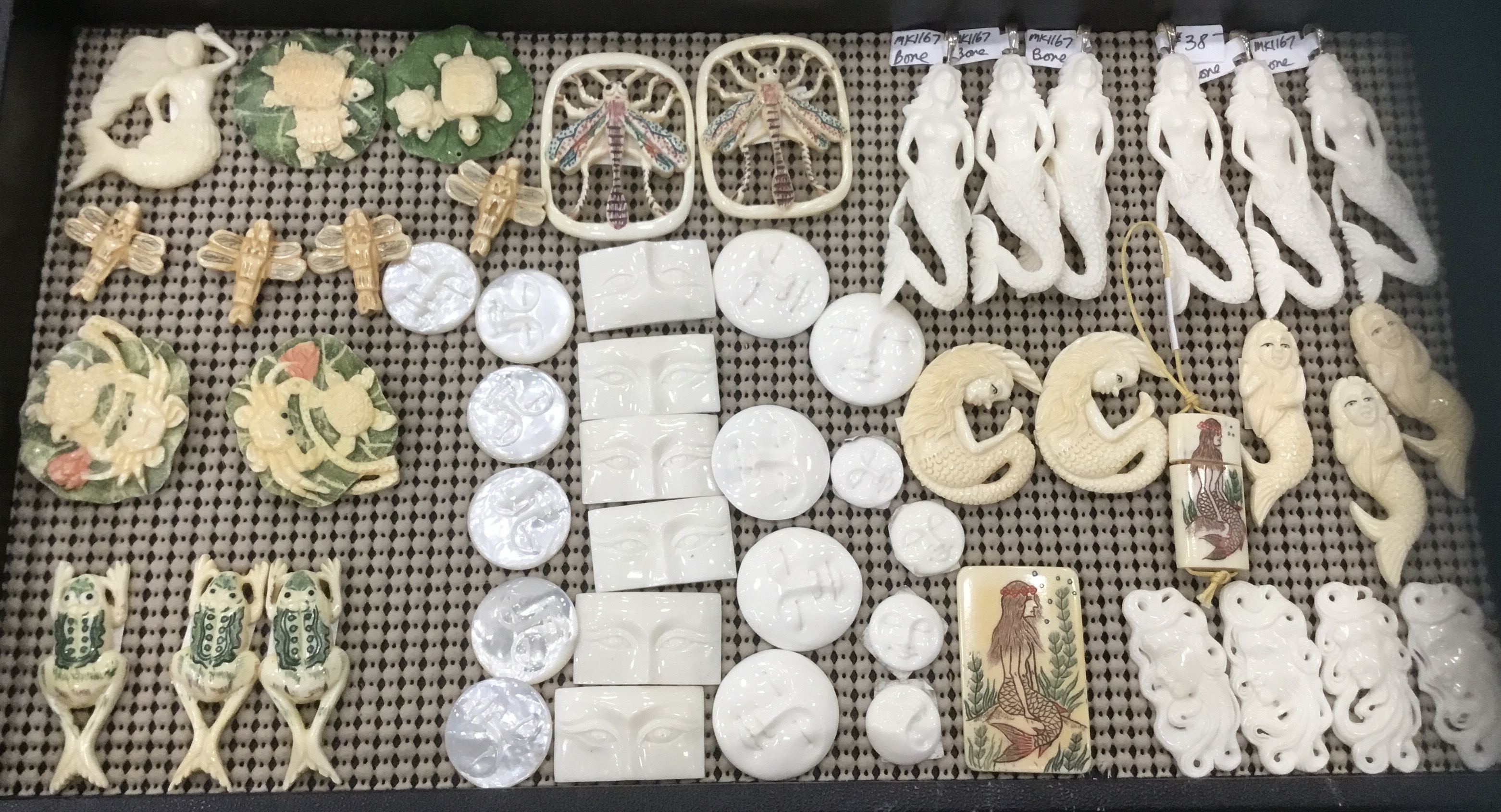
Location & Artisans.
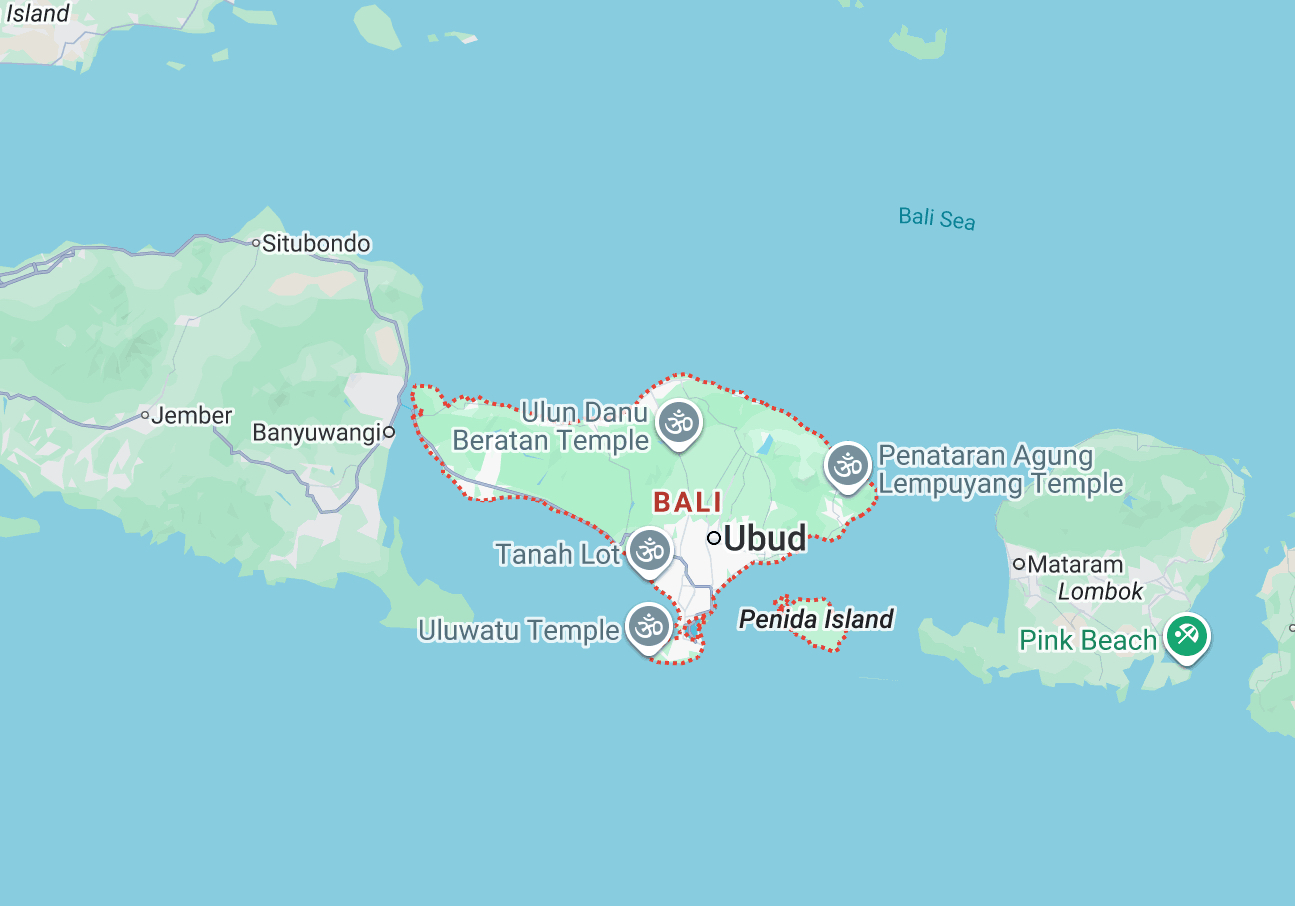
Villages: Specific villages, such as Tampak Siring in Gianyar, are known centers for bone carving.
Workshops: Artisans work in workshops, often welcoming visitors to see the craft first hand.
Our source has become our friend over the years. He is an international citizen, born and raised in New Zealand, lives in Bali where he works with the local artisans, and buys from them, sells in Tucson, Arizona, where we met him, Hong Kong trade shows, Bangkok, Thailand trade shows. We bring him designs and he custom carves them for us.
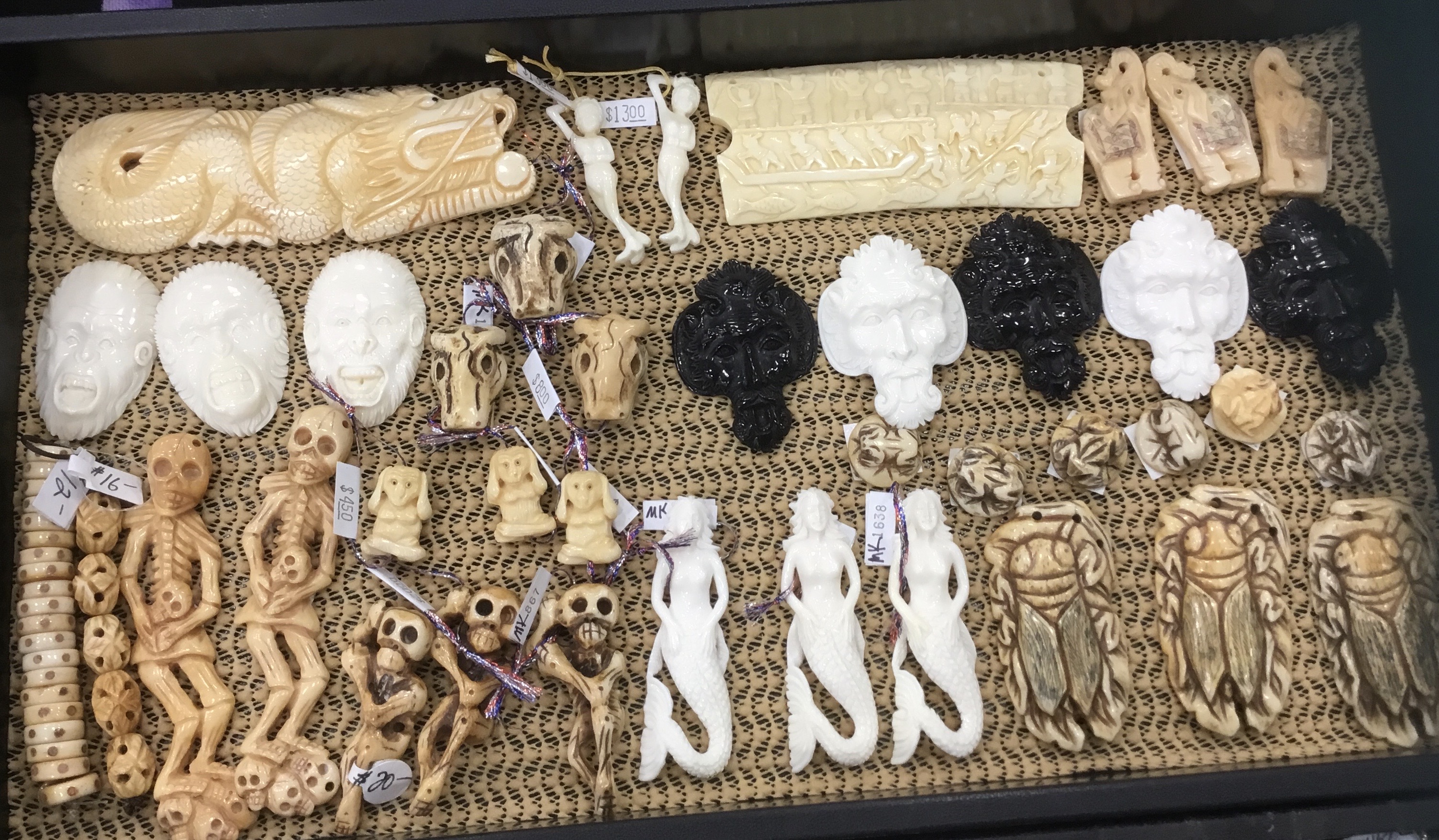
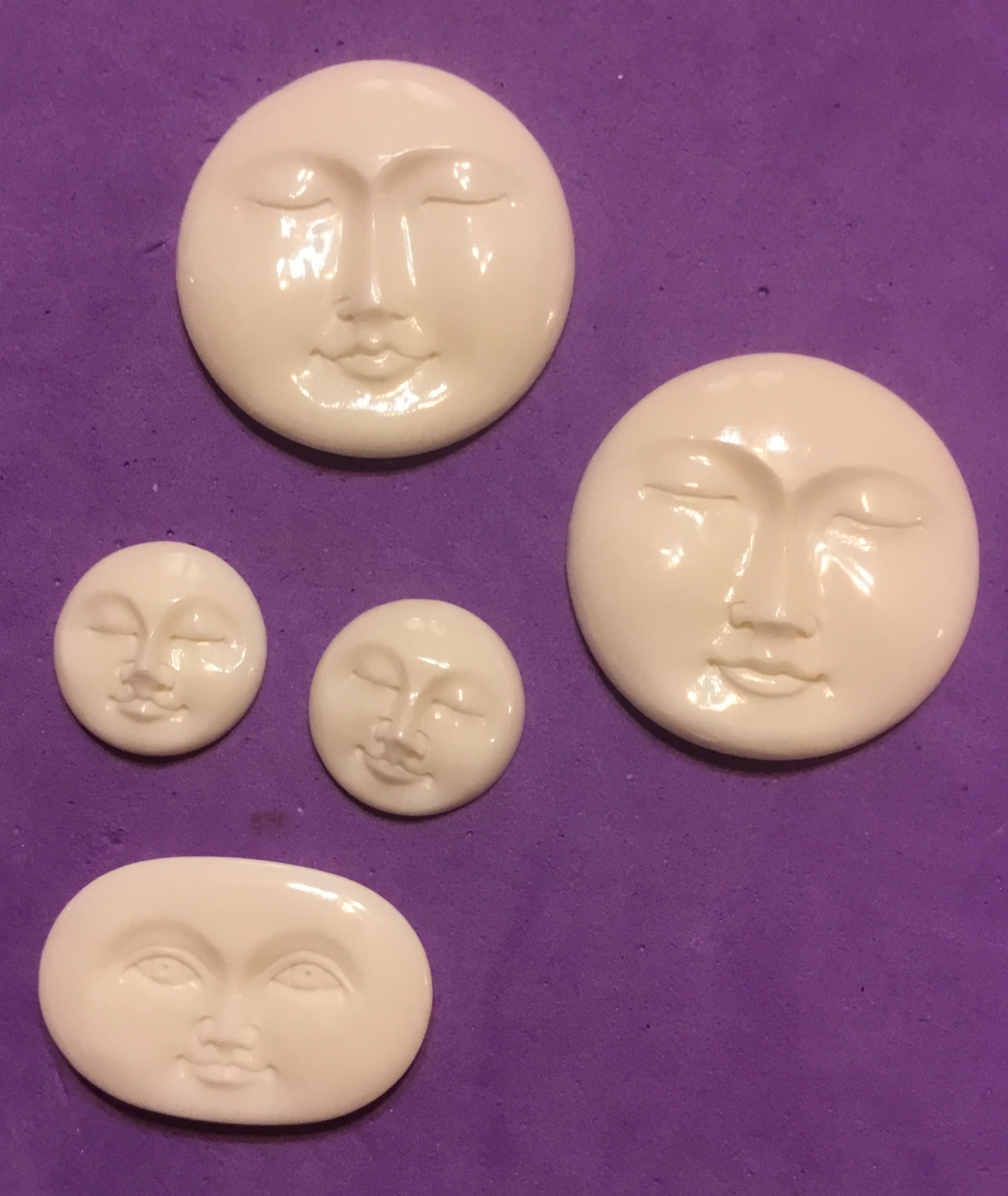
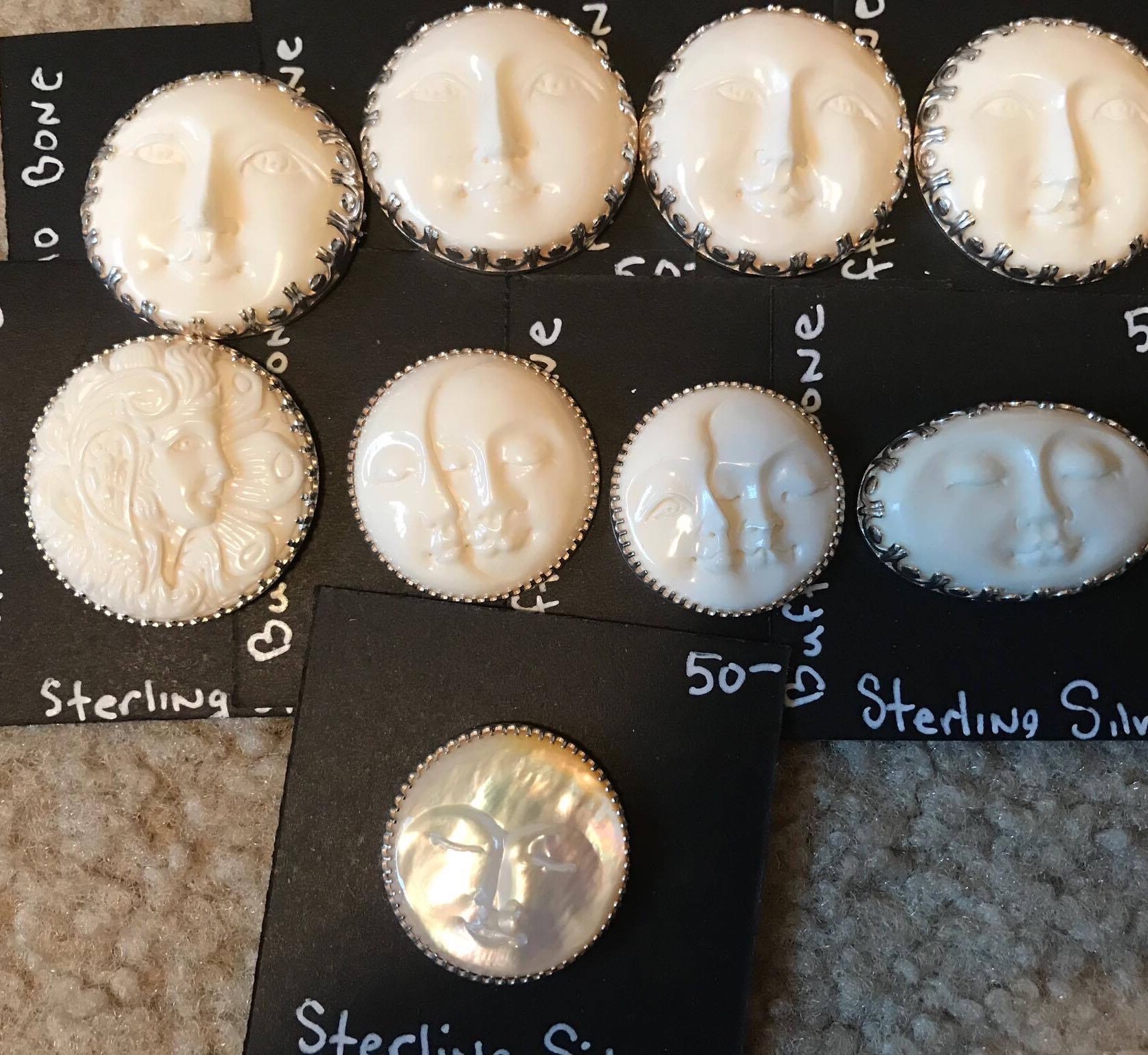
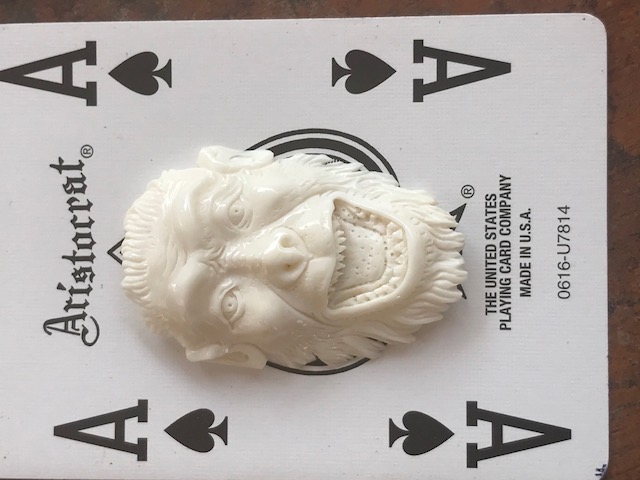
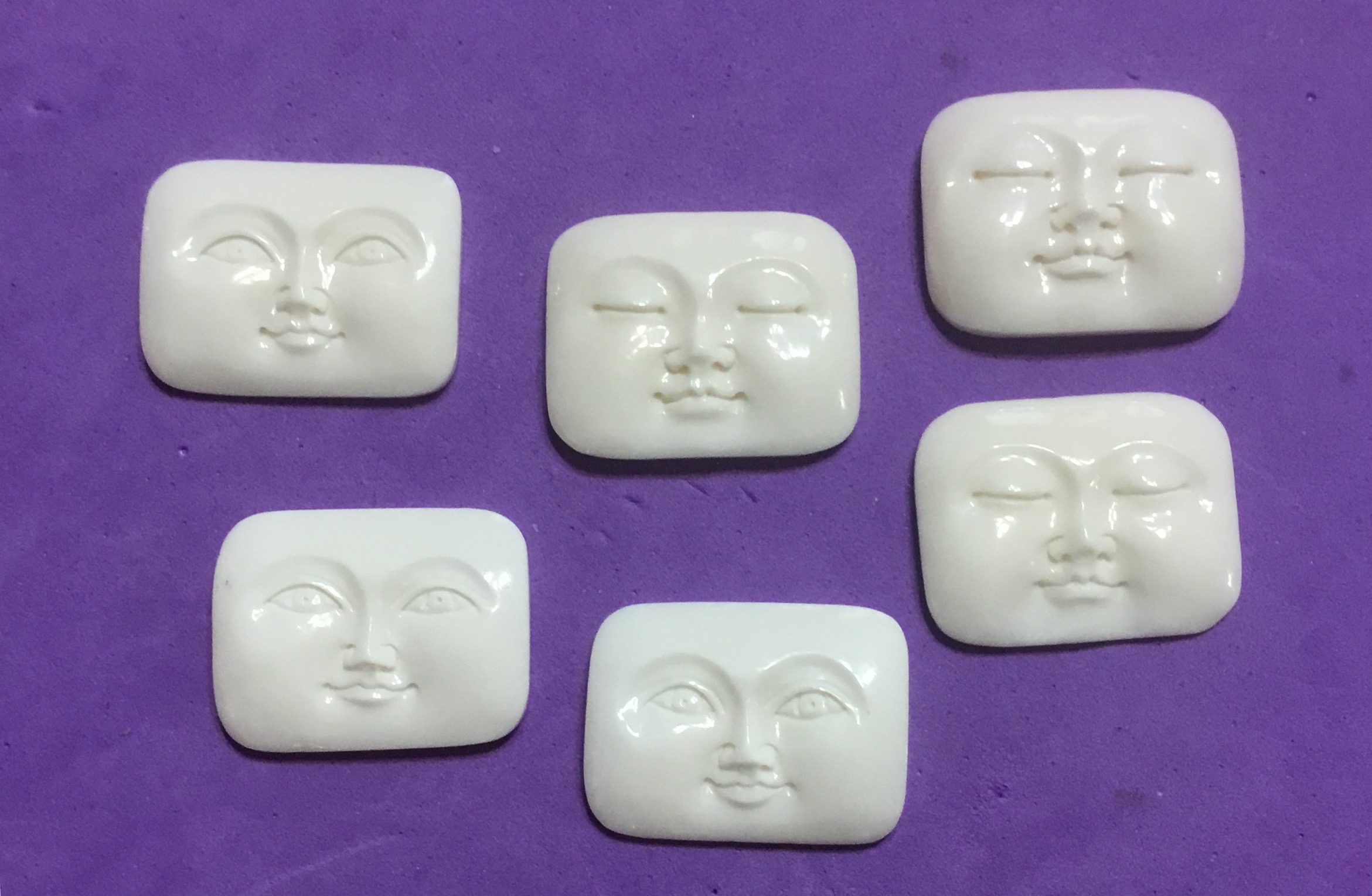
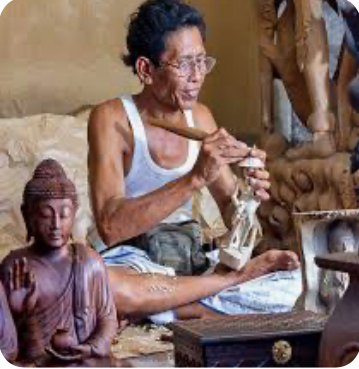
Artisan carvers in the workshops, no electric tools are used.
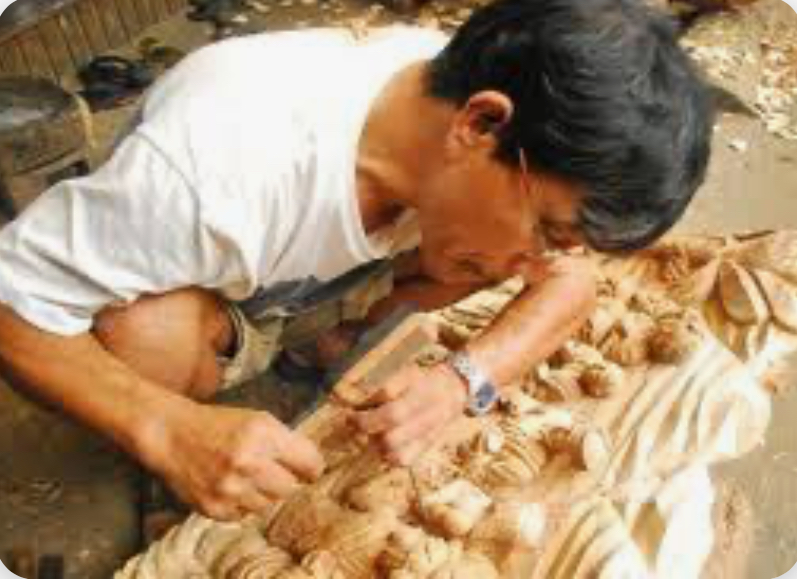
It’s a dying craft, the carvers are getting old, and young men don’t want to get into it, they would rather get into computers, software, or banking. Just like all handicrafts around the world. Everywhere we go, Czech Republic, Lithuania, Hong Kong. It’s disappearing.
We also carry a line of bone skull beads, carved in India, Pakistan and Afghanistan. For the most part they are antique, carved from water buffalo, yak bone or camel bone. You can identify the yak and camel bone by the strong urine smell, even though they are more than one hunFred years old.
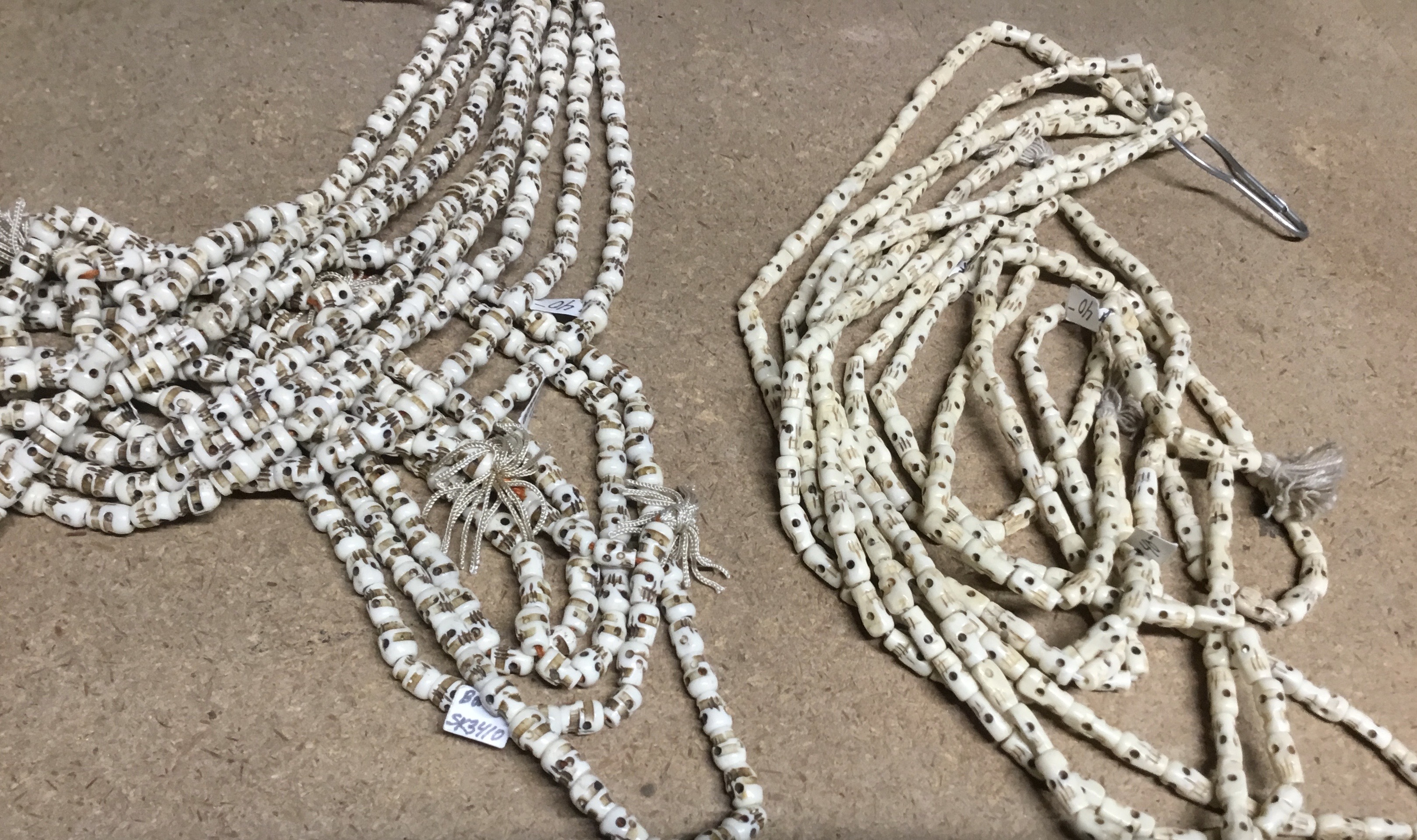
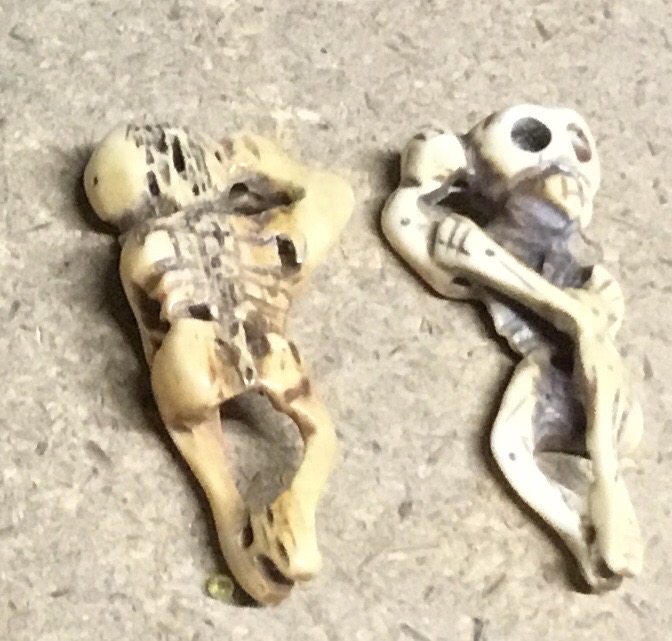
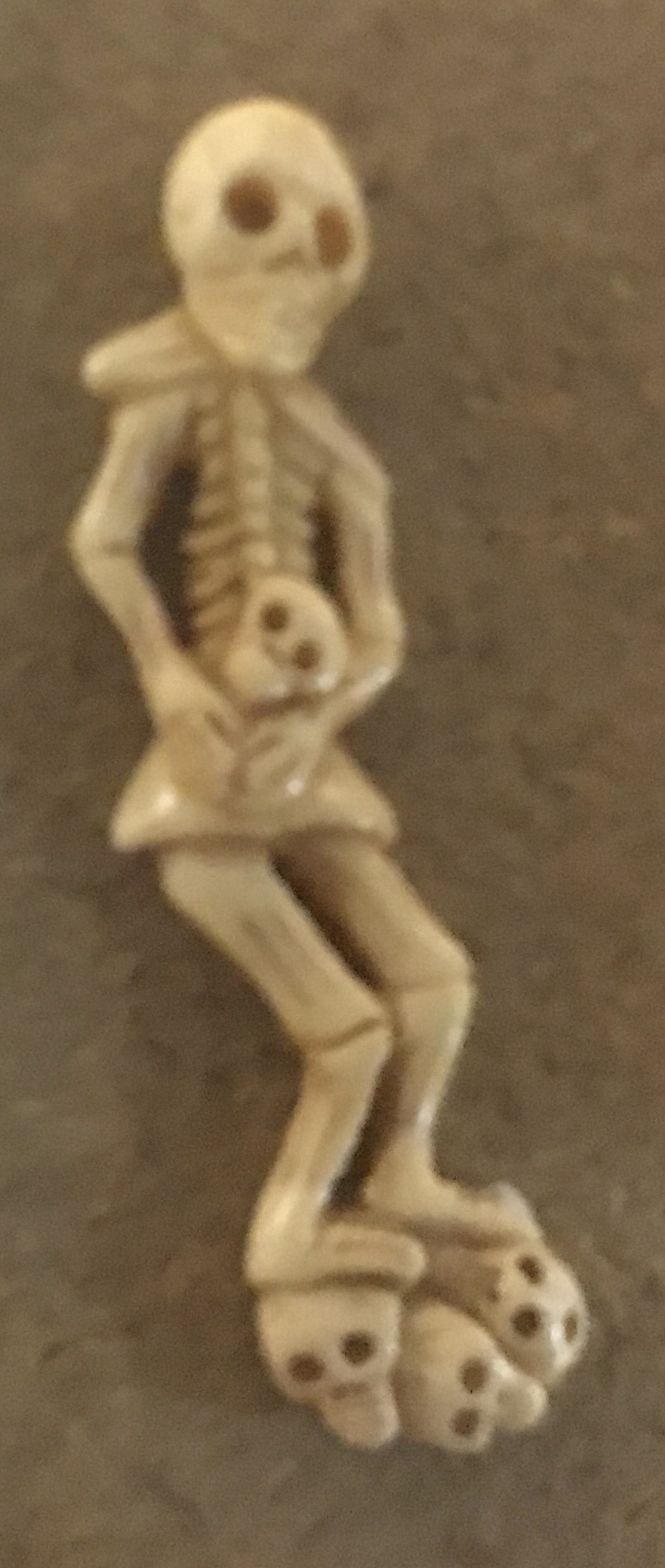
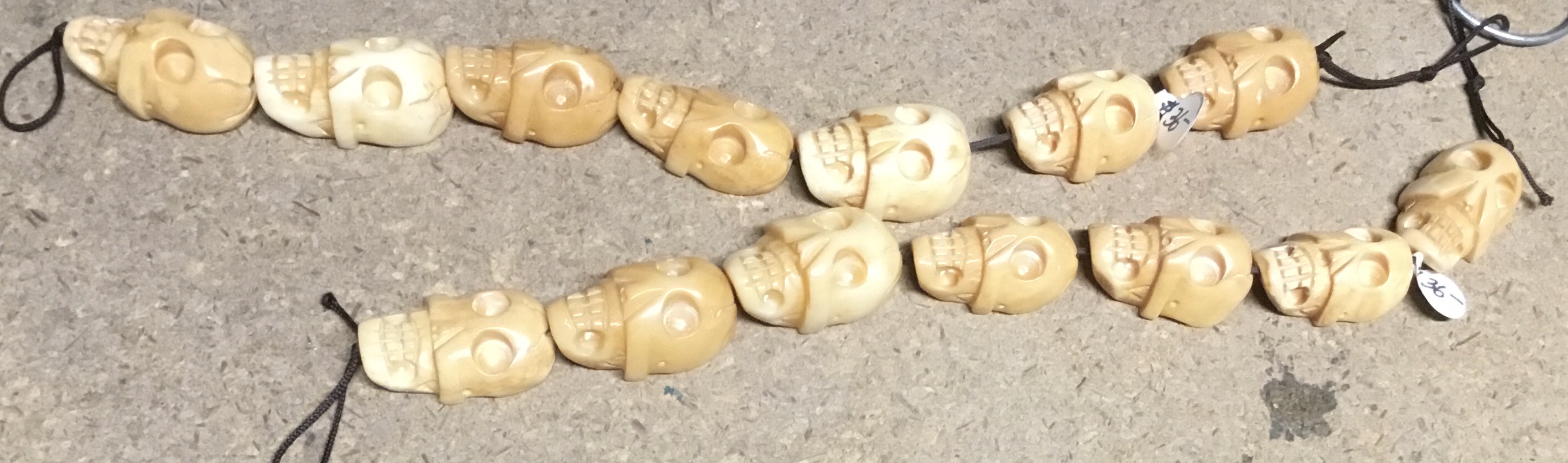
Thakurganj, a small locality in Lucknow,India, is home to numerous artisans practising bone carving. Situated in the heart of the city, Thakurganj has a predominantly Muslim population and has been a hub for bone carving for generations. The craft is primarily practised by Muslim communities, but in recent times, some Hindu communities have also learned the craft and created small products.
We specialize in vintage beads, and are always on the look out for old and unusual items to bring to market.
About the Creator
Guy lynn
I’m interested in history, space travel and the possibilities, Americana,( where I live now), Africa (Southern Africa, where I was born and raised), and I write about things that interest me ( bead history) and I hope will interest you.
Enjoyed the story? Support the Creator.
Subscribe for free to receive all their stories in your feed.
Comments
There are no comments for this story
Be the first to respond and start the conversation.