
The Story Behind Native Son
The Story Behind Richard Wright's novel

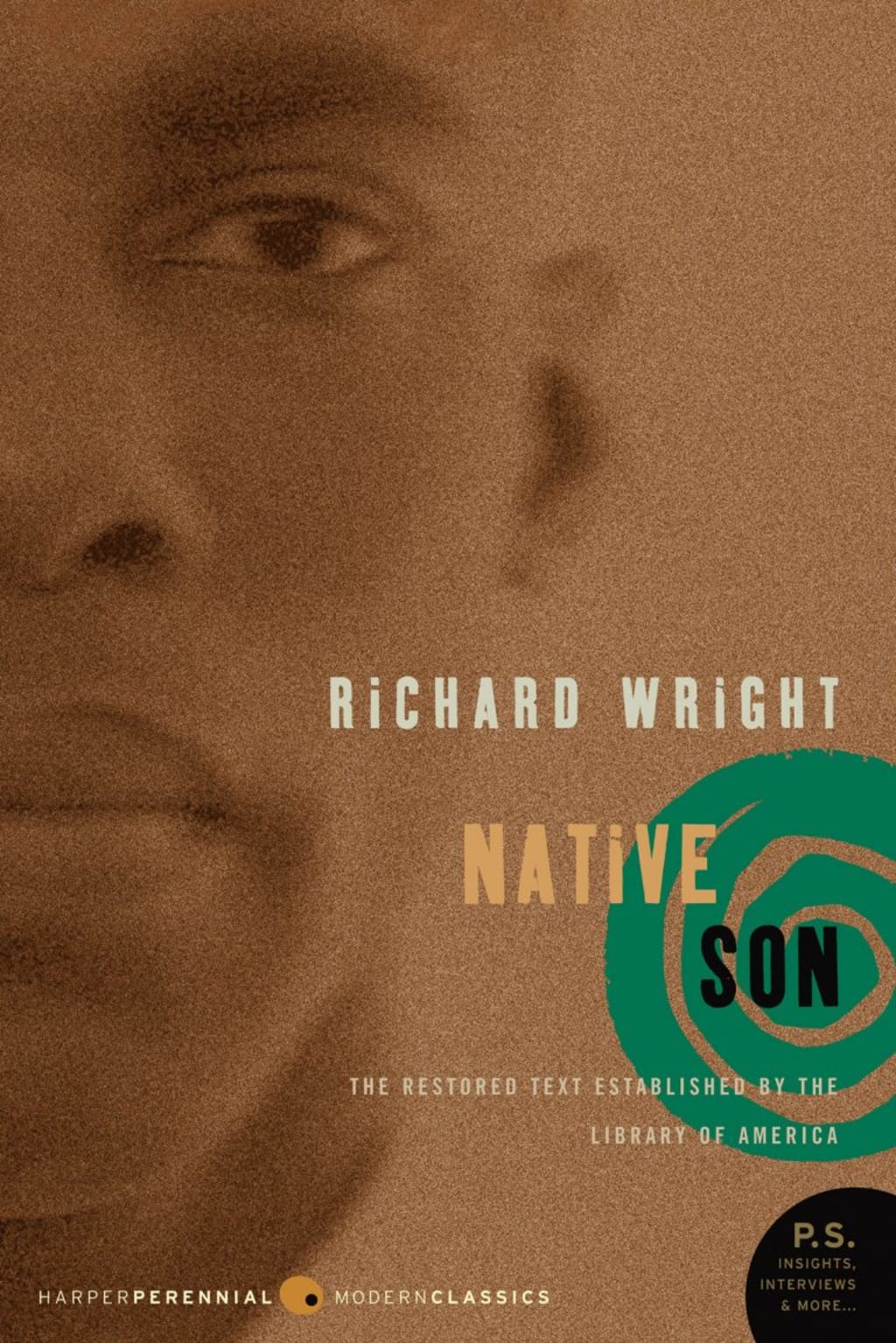
This is a story that depicts racism about a young black man living in poverty with his family. He gets a job as a driver for a rich white family until he accidentally murders a white woman. Native Son, written by Richard Wright and published in 1940, is one of the most influential novels in American literature. The novel explores the harsh realities of racism, poverty, and social inequality in the United States during the early twentieth century. Through the tragic story of Bigger Thomas, Wright examines how systemic oppression shapes the thoughts, actions, and fate of African Americans living in a deeply segregated society. The novel remains significant because of its powerful social criticism and its psychological portrayal of a young man trapped by fear and hopelessness.
The novel follows Bigger Thomas, a 20-year-old Black man living in poverty on Chicago’s South Side during the 1930s era. Bigger takes a job as a chauffeur for a wealthy white family, the Daltons. After a tragic accident involving the family’s daughter, Mary Dalton, Bigger panics and attempts to cover up what happened. The situation spirals into violence, media sensationalism, and a highly publicized murder trial.Bigger accepts a job as a chauffeur for the wealthy white Dalton family. Although the Daltons appear generous and liberal, they still benefit from a racist system that profits from segregated housing and unequal economic conditions. One night, Bigger drives Mary Dalton and her communist boyfriend, Jan Erlone, around the city. After Mary becomes intoxicated, Bigger helps her into her bedroom. When Mary’s blind mother unexpectedly enters the room, Bigger panics, fearing he will be accused of assaulting a white woman. In an act of desperation, he accidentally suffocates Mary while trying to keep her quiet.
The novel has been adapted three times:
on stage in 1941 & 2014.
in film in 1951, 1986 and 2019.
This event becomes the turning point of the novel. Instead of confessing, Bigger attempts to hide the crime by burning Mary’s body and creating a false kidnapping story. As the investigation intensifies, Bigger becomes increasingly fearful and violent. Later, he murders his girlfriend, Bessie, because he believes she might reveal his secret. Eventually, Bigger is captured and put on trial for murder. The courtroom scenes expose the racism of the justice system and the sensationalism of the media, which portray Bigger as a dangerous monster rather than a human being shaped by social conditions.
One of the most important themes in Native Son is racism and systemic oppression. Wright argues that racism affects every part of Bigger’s life, from where he can live to the kinds of jobs available to him. Bigger’s fear and anger are products of a society that constantly dehumanizes African Americans. Wright does not excuse Bigger’s crimes, but he encourages readers to understand the social forces that contributed to his behavior. The novel challenges readers to consider how injustice and discrimination can damage both individuals and communities.
Another major theme is fear. Fear controls Bigger’s actions throughout the novel. He fears white authority, poverty, and punishment, and this fear often leads him to make destructive choices. Wright uses Bigger’s psychological struggles to show the emotional impact of racial oppression. The novel also explores the idea of identity, as Bigger struggles to find meaning and control in a society that denies his humanity.
The literary style of Native Son combines realism and naturalism. Wright presents detailed descriptions of urban poverty and social conditions while emphasizing how environment shapes human behavior. His intense and emotional writing style creates suspense and forces readers to confront uncomfortable truths about American society.
In conclusion, Native Son is a groundbreaking novel that examines race, inequality, and the consequences of systemic oppression. Through the tragic story of Bigger Thomas, Richard Wright exposes the damaging effects of racism on both individuals and society. The novel remains relevant today because its themes of injustice, fear, and inequality continue to resonate in modern discussions about race and social justice.
Native Son remains influential because it examines how racism and social inequality shape individual lives. Its portrayal of fear, power, and systemic injustice continues to resonate in discussions about race and criminal justice in America.
About the Creator
Gladys W. Muturi
Hello, My name is Gladys W. Muturi. I am an Actress, Writer, Filmmaker, Producer, and Mother of 1.
TALES & CONFESSIONS OF A HIGH SCHOOL NOBODY COMING SOON
Enjoyed the story? Support the Creator.
Subscribe for free to receive all their stories in your feed. You could also become a paid subscriber, letting them know you appreciate their work.
Comments
There are no comments for this story
Be the first to respond and start the conversation.