Club
Rani Lakshmibai: The Fearless Warrior Queen of Jhansi. Content Warning.
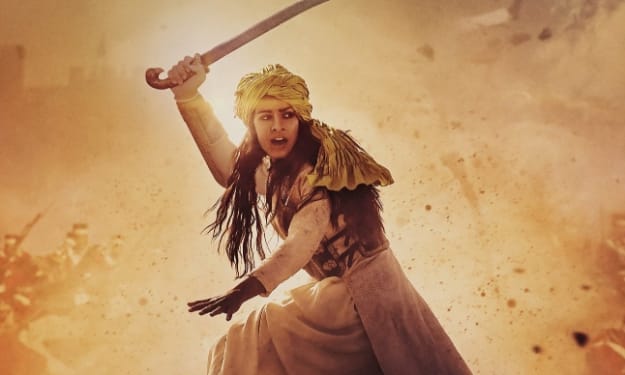
The story of Rani Lakshmibai of Jhansi is a saga that resonates through the annals of Indian history—a tale of valor, resilience, and defiance against colonial oppression. Born as Manikarnika Tambe on November 19, 1828, in the vibrant town of Banares, she was later hailed as the Maharani consort of the princely state of Jhansi in the Maratha Empire. Her journey from a spirited young girl to a symbol of resistance against British rule is both inspiring and captivating. Married to Maharaja Gangadhar Rao Newalkar of Jhansi in 1842, she became known as Lakshmibai, a name bestowed upon her in honor of the Hindu goddess Devi Lakshmi. Despite the patriarchal norms of her time, Rani Lakshmibai defied convention by actively participating in activities typically reserved for men. From horseback riding to practicing martial arts, she exhibited a spirit of independence that was uncommon for women in Indian society during the 19th century. Tragedy struck when her husband, Maharaja Gangadhar Rao, passed away in 1853, leaving behind a young widow determined to protect her kingdom. However, the British East India Company, under the Doctrine of Lapse, refused to recognize the rightful heir to the throne and annexed Jhansi to its territories. Undeterred by the colonial injustice, Rani Lakshmibai took up arms and joined the Indian Rebellion of 1857, also known as the First War of Independence. Her leadership during the rebellion cemented her legacy as a national hero and a beacon of hope for Indian nationalists. Despite facing numerous challenges, including the betrayal of trusted allies and the loss of her infant son, Rani Lakshmibai remained resolute in her determination to defend Jhansi against British forces. The siege of Jhansi in March 1858 marked a pivotal moment in her struggle against colonial oppression. Despite being outnumbered and outgunned, she led her forces with unparalleled courage, refusing to surrender to the British demands. The valiant defense of Jhansi showcased her unwavering commitment to freedom and inspired countless others to join the fight against tyranny. Following the fall of Jhansi, Rani Lakshmibai embarked on a daring escape with her son, Damodar Rao, on horseback. Despite facing insurmountable odds, she continued to resist British rule, seeking refuge in various regions of India alongside fellow rebels. Her unwavering resolve and indomitable spirit earned her admiration even from her adversaries, with British reports acknowledging her as "personable, clever, and beautiful." The final chapter of Rani Lakshmibai's life unfolded in Gwalior, where she fought alongside other rebel leaders in a last stand against British forces. Despite facing overwhelming odds, she refused to surrender, leading her troops with bravery and determination. In the heat of battle, she fought fiercely, dressed as a cavalry leader, until her tragic demise on June 17, 1858. Though her physical presence may have faded into history, the legacy of Rani Lakshmibai endures as a testament to the indomitable spirit of resistance against oppression. Her courage, sacrifice, and unwavering commitment to freedom continue to inspire generations of Indians, reminding us of the power of resilience in the face of adversity. In the hearts of the people, she remains not just a queen of Jhansi, but a symbol of courage and defiance—a true embodiment of the spirit of India's fight for independence. Rani Lakshmibai's legacy lives on, immortalized in the annals of history as a symbol of hope, courage, and unwavering determination. Her tale serves as a reminder that the strength of character and the will to fight for justice can transcend the boundaries of time and place, inspiring individuals to stand up against oppression in all its forms. Even today, Rani Lakshmibai's name evokes a sense of pride and admiration among Indians, serving as a guiding light for those who dare to challenge injustice and tyranny. As we reflect on her remarkable life and legacy, let us not only honor her memory but also draw inspiration from her example. Let us carry forward her spirit of resilience and determination, ensuring that her sacrifices are never forgotten and that her dream of a free and just India continues to inspire generations to come. In the hearts and minds of millions, Rani Lakshmibai will forever remain a symbol of courage, strength, and unwavering resolve—a true heroine of Indian history. Her legacy is not just a chapter in the past but a beacon of hope for the future—a reminder that even in the darkest of times, the flame of freedom can never be extinguished.
By Avhishek Agarwal3 years ago in BookClub
Exploring the Mystical Beauty of Rabindranath Tagore's Gitanjali. Content Warning.
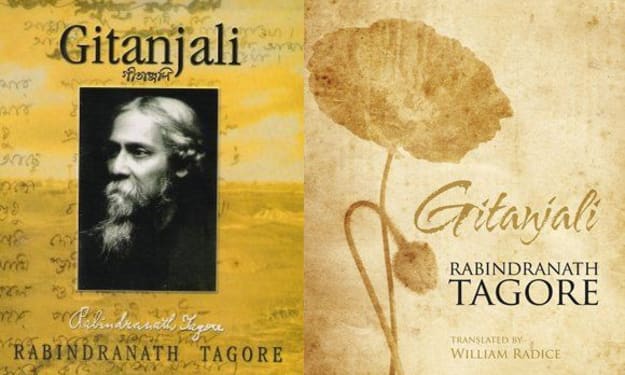
Rabindranath Tagore, the celebrated poet from Bengal, crafted a literary gem that transcends the boundaries of time and culture: Gitanjali. This revered collection of poems, awarded the Nobel Prize for Literature in 1913, delves into the realms of mysticism, nature's splendor, human compassion, mortality's acceptance, and love's profound essence. Through simple yet profound verses, Tagore invites readers on an enchanting journey of self-discovery and spiritual awakening, unveiling the mystic beauty that lies within the pages of Gitanjali.
By Avhishek Agarwal3 years ago in BookClub
Exploring Ancient Petra: A Journey Through Time
Exploring Ancient Petra: A Journey Through Time Intro Embarking on a journey through time, we delve into the engaging heart of one of the world's most historic sites. Nestled between rugged desert canyons and mountains, where East meets West, lies the ancient city of Petra. This piece offers an informative exploration of Petra, unravelling its enchanting stories and unveiling the secrets that lie beneath the city's stone facades.
By yeabsra ad3 years ago in BookClub
How to make indian roti means bread. Content Warning.
Making Indian roti, also known as chapati, is a simple process. Roti is a type of unleavened flatbread that is commonly served with various Indian dishes. Here's a basic recipe for making soft and delicious Indian roti:
By By Appu @vocal3 years ago in BookClub
Ayodha ram mandir story
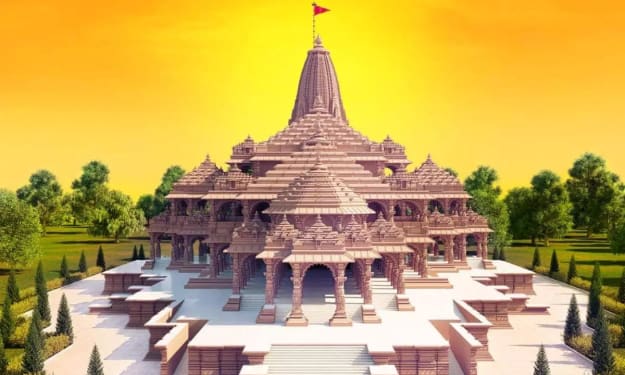
The Ayodhya Ram Mandir, also known as Ram Janmabhoomi Temple, has a complex and contentious history deeply rooted in religious, historical, and political contexts. The controversy revolves around the site in Ayodhya, Uttar Pradesh, India, believed by Hindus to be the birthplace of Lord Rama.
By By Appu @vocal3 years ago in BookClub
Pages of Enchantment: The Tale of Bookworm Bangladesh
Once upon a time, in the vibrant city of Dhaka, there lived a young and avid reader named Amina. She had a special connection with books that transcended the ordinary. Her love for reading went beyond the pages; it was a journey into different worlds, a portal to countless adventures.
By Razib Paul3 years ago in BookClub
A Blind Conquest
George is an excellent architect, tall, handsome, fit, and very organized in his work. He has recently joined the construction company as project manager, he has been hired to lead a mega project of a shopping mall. He is a quiet but friendly person with his teamwork.
By Giselle González3 years ago in BookClub
Unveiling the Magic of Book Clubs
In a world saturated with technology and fast-paced living, the humble book club stands as a testament to the enduring power of literature and human connection. Beyond being a gathering of individuals with a shared love for books, a book club is a sanctuary for intellectual exploration, diverse perspectives, and the joy of communal reading. This article delves into the enchanting realm of book clubs, exploring their significance, benefits, and the unique experiences they offer to avid readers.
By Chinedu Charles Okonkwo3 years ago in BookClub
"Little Women" by Louisa May Alcott
Generations of readers young and old, male and female, have fallen in love with the March sisters of Louisa May Alcott’s most popular and enduring novel, Little Women. Here are talented tomboy and author-to-be Jo, tragically frail Beth, beautiful Meg, and romantic, spoiled Amy, united in their devotion to each other and their struggles to survive in New England during the Civil War. It is no secret that Alcott based Little Women on her own early life. While her father, the freethinking reformer and abolitionist Bronson Alcott, hobnobbed with such eminent male authors as Emerson, Thoreau, and Hawthorne, Louisa supported herself and her sisters with "woman’s work,” including sewing, doing laundry, and acting as a domestic servant. But she soon discovered she could make more money writing. Little Women brought her lasting fame and fortune, and far from being the "girl’s book” her publisher requested, it explores such timeless themes as love and death, war and peace, the conflict between personal ambition and family responsibilities, and the clash of cultures between Europe and America.
By Kristen Barenthaler3 years ago in BookClub