
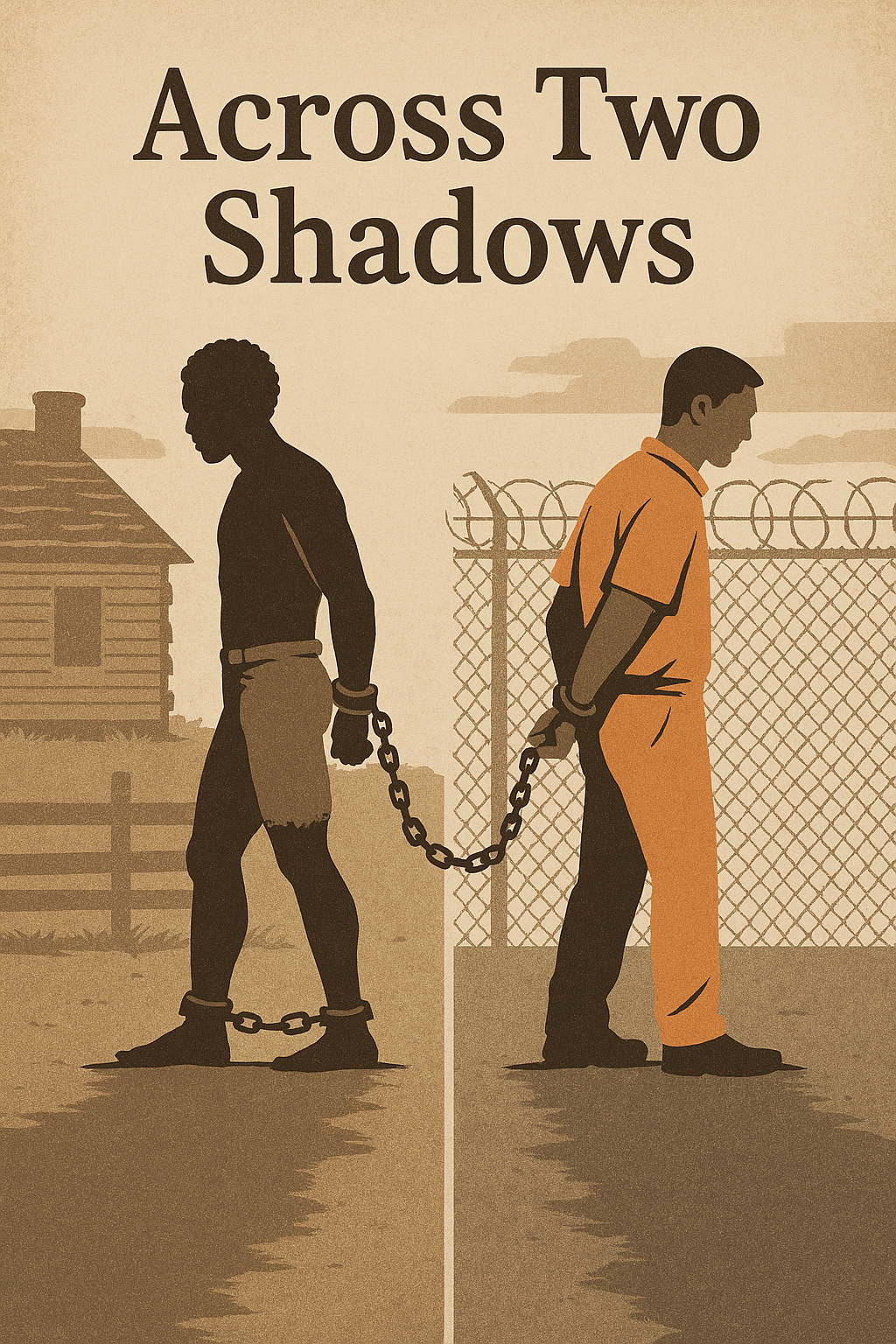
Slavery dehumanizes both the enslaved and the enslaver
No one is born to be owned by another


The rightwing Reform UK party has publicly declared its intention to suspend the issuance of visas to individuals from any country that requests reparations for the transatlantic trafficking and enslavement of Africans. This announcement emerges at a time when a global movement advocating for reparative justice is gathering significant momentum and intensity. The stance taken by the party reflects a broader societal resistance to confronting historical injustices, which many argue is crucial for healing and reconciliation processes. By adopting this position, Reform UK firmly establishes itself against any acknowledgment of past wrongs, indicating a preference to safeguard current financial interests over addressing historical grievances. The potential repercussions of this policy could extend to diplomatic relations and significantly impact the UK’s international standing in discussions surrounding justice and reparations.

Zia Yusuf, the spokesperson for Reform UK regarding home affairs, has recently asserted that Britain’s reputation is being “ridiculed on the world stage.” He stressed the point that the “bank is closed” for those who aim to “use history as a weapon to drain our Treasury.” This statement reflects a belief that the calls for reparations are financially motivated attempts to exploit Britain’s historical actions. Additionally, Yusuf's remarks reveal a defensive stance, suggesting that the party perceives reparations as a threat to the country's economic stability. Such rhetoric may resonate with voters who are anxious about national finances and the implications of reparative demands on the economy.
Caricom, the political bloc representing Caribbean nations, has consistently argued that this characterization of reparations is fundamentally misguided. They maintain that nations pursuing reparative justice are not seeking to extract wealth from former colonial powers but are instead looking to establish mutually beneficial partnerships. This perspective emphasizes a desire for collaboration and understanding, rather than conflict and blame. Caricom advocates that reparations should be perceived as a pathway to restore equity and foster positive relationships between former colonial powers and colonized nations. This approach highlights the complexities surrounding reparative justice, underscoring the importance of dialogue and cooperation over division.
Recently, a significant resolution spearheaded by Ghana was adopted at the UN General Assembly, wherein the slave trade was classified as “the gravest crime against humanity.” This resolution asserts that reparations represent a “concrete step towards remedying historical wrongs.” Notably, 123 nations supported this resolution, while the United States voted against it, and the United Kingdom opted to abstain. The outcome of this vote underscores the contentious nature of the reparations debate on the international stage. The passage of this resolution reflects a growing consensus among numerous countries that acknowledging historical injustices is vital for progressing towards a more equitable future.
In this context, the Guardian delves into the specific demands and objectives of reparations campaigners, aiming to clarify the rationale behind their advocacy. These campaigners argue that reparations are essential not only to acknowledge past harms but also to address ongoing inequalities that stem from colonialism and slavery. Their requests encompass a wide range of actions, including formal apologies and financial reparations, all aimed at fostering reconciliation and justice. By spotlighting the needs of these campaigners, the discourse surrounding reparations continues to evolve, inviting deeper contemplation of historical accountability and justice.

Why do colonialism and slavery still matter?
Over 100 countries have undergone colonization by European powers, a process that dates back to the 15th century. At its zenith, the British Empire was the largest empire in history, encompassing approximately a quarter of the world by the 1920s. This extensive colonial enterprise fundamentally shaped global relations, economic structures, and cultural dynamics, leaving enduring legacies that continue to impact former colonies today. While proponents of empire often highlight certain positive outcomes, such as infrastructure development, it is imperative to acknowledge the extensive harms inflicted upon colonized peoples. The ongoing debate surrounding the legacy of colonialism remains contentious, sparking discussions about accountability and the urgent need for reparative measures to address historical injustices.
The transatlantic trade in enslaved individuals constituted a central aspect of European colonialism, significantly influencing the economic systems and societal structures of the time. Millions of Africans were forcibly trafficked to the Americas, where they were exploited to cultivate cash crops, such as sugar and tobacco. During this brutal and inhumane process, those enslaved endured unimaginable violence, torture, sexual abuse, and a complete denial of their basic human rights. This horrific practice persisted for approximately 300 years, characterized by numerous instances of illegality and inhumane treatment. The lasting effects of this trade continue to resonate today, contributing to systemic inequalities and social injustices that are still evident in contemporary society.
Colonized nations across Africa, Asia, the Caribbean, and Oceania suffered profound harms, including genocide, loss of ancestral lands, and the destruction of their cultures. The repercussions of colonialism have led to the impoverishment and dispossession of entire populations, resulting in ongoing racial, economic, and ecological disparities. These inequities persist within and between nations, exacerbating the challenges faced by formerly colonized peoples. The legacy of colonialism continues to shape global dynamics, prompting calls for restorative justice and acknowledgment of historical grievances. Moreover, the neocolonial order that emerged following postwar independence movements reinforces the critical need for reparative actions to address these historical injustices.
What are reparations?
Reparations are understood as an acknowledgment of the harm inflicted upon individuals or communities, alongside a commitment to repairing those harms. Victims of crimes recognized under international law have an established right to reparation, which can take various forms of acknowledgment, including formal apologies, guarantees of non-repetition, financial compensation, rehabilitation, full disclosure of the facts surrounding the harms, and restitution of property. These measures are vital for addressing the enduring impacts of historical injustices and promoting healing within affected communities. The reparations movement advocates for comprehensive approaches that encompass both the material and symbolic needs of victims. This multifaceted understanding of reparations underscores the importance of accountability in fostering social justice and advancing societal healing.
Caricom has aligned itself with the African Union in their pursuit of reparations, emphasizing that their intentions are not to financially cripple Britain by demanding exorbitant sums. Instead, their focus lies in establishing a restorative justice program that aims to benefit both parties involved. This collaborative approach seeks to rectify historical wrongs while fostering equitable partnerships for the future. By framing reparations as a means of restoring justice, Caricom and the African Union highlight the potential for healing and reconciliation in the aftermath of colonialism. Their efforts underscore the significance of dialogue and mutual understanding in addressing the intricate legacies of colonialism and slavery.
Caricom’s 10-point plan for reparatory justice encompasses a comprehensive list of measures designed to address the historical injustices endured by colonized peoples. Key components of this plan include a full formal apology, the establishment of an Indigenous peoples development program, and repatriation options for individuals wishing to return to Africa. Additionally, the plan advocates for the creation of cultural institutions and the restitution of cultural heritage items that were seized during colonization. Other initiatives aim to address public health crises linked to historical trauma, establish educational programs, facilitate exchanges of historical and cultural knowledge, and provide psychological rehabilitation to confront intergenerational trauma. The plan also emphasizes the need for technology transfer and debt cancellation to support the economic development of affected nations, thereby promoting sustainable growth and equity.
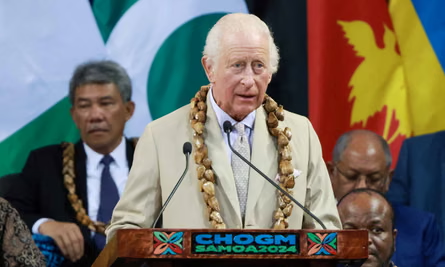
At the forthcoming Commonwealth heads of government meeting in Antigua and Barbuda, it is anticipated that King Charles will encounter increasing calls for a formal apology regarding Britain’s historical role in slavery. This situation reflects a growing recognition of the need for accountability at the highest levels of leadership. Furthermore, nations such as Jamaica, alongside legal representatives in the UK, are actively pursuing legal avenues to seek redress for the injustices of the past. The demand for an apology from the monarchy underscores the importance of acknowledging historical wrongs as a crucial step toward reconciliation. This ongoing discourse surrounding reparations and apologies reveals the complexities involved in addressing historical grievances within contemporary society.
During his visit to Samoa in 2024, King Charles acknowledged the “painful aspects” of Britain’s past related to colonialism and slavery. However, he notably avoided direct calls for reparations, which could suggest a hesitance to fully engage with the complexities of this significant issue. His acknowledgment of historical pain indicates a recognition of the necessity for dialogue, yet the absence of a direct commitment to reparations may leave many advocates feeling unfulfilled. This moment illustrates the persistent tension between recognition and action within the reparations debate. As public consciousness surrounding these issues continues to grow, the pressure on leaders to address them comprehensively will only intensify.

Has any nation ever paid or received reparations for slavery?
Historically, the UK compensated plantation owners the modern equivalent of £17 billion following the abolition of slavery in 1833. However, it is essential to highlight that enslaved individuals and their descendants did not receive any compensation for their suffering and exploitation. This glaring oversight underscores the inequities inherent in the reparations narrative and raises critical questions regarding historical accountability. The failure to adequately compensate those directly impacted by slavery has perpetuated ongoing disparities and fueled calls for justice. The historical context surrounding these compensations reflects the complexities involved in addressing past injustices within contemporary frameworks.
Following the Haitian revolution, which resulted in the end of French colonial rule at the beginning of the 19th century, France imposed a demand of 150 million francs in reparations from Haiti. This demand created an enormous financial burden on the newly independent nation, with payments continuing until 1947. The reparations demanded by France starkly illustrate the historical injustices faced by nations that sought to liberate themselves from colonial powers. Such financial demands have had long-lasting effects on the economic development and stability of former colonies. The case of Haiti serves as a poignant reminder of the complexities and challenges associated with post-colonial reparations, highlighting the need for careful consideration in discussions about justice.
What does the British public think about reparations?
A poll conducted in 2024 revealed that six out of ten individuals in the UK believe that Caribbean nations and descendants of enslaved individuals should receive a formal apology for historical injustices. This finding indicates a significant public acknowledgment of the necessity for recognition of past wrongs. However, a separate YouGov poll conducted in March of the same year found that 60% of the general public opposed the idea of reparations, while 71% of Black adults expressed support for such measures. This disparity in opinions underscores the complexities surrounding public sentiment regarding reparations and the critical need for ongoing dialogue and education on this topic. The differing perspectives among various demographics highlight the continuing divisiveness of the reparations debate within British society.
Have any non-government organisations committed to reparations?
In 2023, the Scott Trust, which oversees the operations of the Guardian, made a noteworthy commitment to a robust program of restorative justice. This initiative is specifically aimed at addressing the historical connections of its founders to transatlantic enslavement, particularly in Jamaica and the United States during the 19th century. The program encompasses efforts to forge partnerships with descendant communities, demonstrating a dedicated approach to understanding and rectifying past injustices. An investment exceeding £10 million underlines the seriousness of this commitment and signifies an important shift in how organizations acknowledge their historical responsibilities. By recognizing their ties to slavery, the Scott Trust sets a powerful precedent for other institutions that are grappling with similar issues from their pasts.
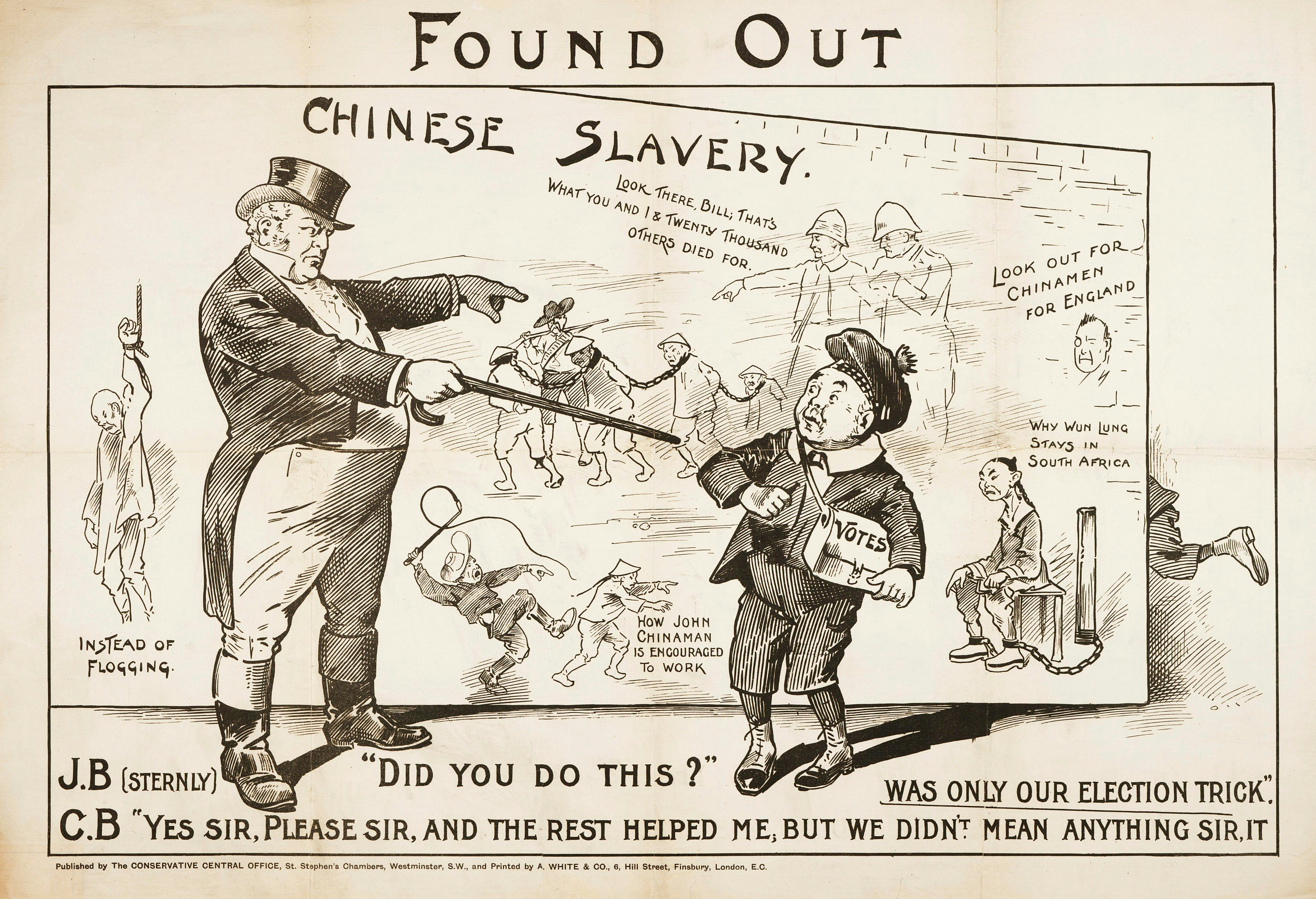
The Church of England is taking proactive steps by launching a £100 million project aimed at confronting its historical connections to slavery and colonialism. This comprehensive initiative seeks not only to engage with the complexities of its past but also to explore meaningful avenues for contributing to reparative justice. The recent appointment of a head of reparations by the Joseph Rowntree Charitable Trust further exemplifies this trend, as it acknowledges its founder's connection to slavery, indenture, and apartheid. Such actions reflect a broader movement among various institutions, recognizing the imperative need to confront and address historical injustices. The commitment to reparative measures among religious and charitable organizations indicates a significant shift towards accountability and the promotion of social justice.
In 2023, Lloyd's of London announced a substantial commitment of £52 million towards a series of initiatives designed to address its historical involvement in slavery. However, it is noteworthy that the organization did not extend this commitment to include direct reparations, which illustrates the complexities and challenges faced by institutions as they seek to reconcile their pasts with present practices. The University of Glasgow similarly committed to allocating £20 million in 2019 in a bid to confront its historical ties to slavery. In a parallel effort, the University of Cambridge established a £1.5 million Legacies of Enslavement Fund in 2020, recognizing the considerable benefits it derived from slavery. These institutional commitments highlight a growing awareness and willingness among educational institutions to engage thoughtfully with the legacies of slavery and their present-day implications.
The University of Glasgow's decision to allocate £20 million in 2019 represents a crucial step in addressing the historical implications of its involvement with slavery. This initiative not only underscores the institution's recognition of its past but also emphasizes the need to contribute positively to reparative efforts. In a similar vein, the University of Cambridge's establishment of a £1.5 million Legacies of Enslavement Fund serves as a proactive measure to acknowledge and confront historical injustices. These initiatives aim not only to provide financial support to impacted communities but also to enhance education and awareness regarding the legacies of slavery. As educational institutions actively engage with their histories, they play a pivotal role in shaping the future discourse surrounding reparations and accountability.
What does the UK government say?
The UK government has never issued a formal apology for its historical role in slavery or colonialism and maintains a firm stance against providing reparations. This position reflects a broader reluctance to engage with the complexities involved in reparative justice, often justifying inaction by citing historical context. Following a UN resolution, the Foreign Office did acknowledge that slavery had “inflicted untold harm and misery on millions” and had left “deep scars” on societies. However, the government asserted that there is “no duty to provide reparation” because slavery was not deemed illegal at that time. This perspective raises significant ethical questions regarding accountability and justice for historical wrongs, and the government’s refusal to recognize reparative obligations continues to fuel contention within public discourse.

What do experts say?
Patrick Robinson, a prominent Jamaican jurist and former judge of the International Court of Justice, has articulated a compelling argument that the UK will ultimately be unable to resist the escalating movement advocating for reparations. He emphasizes that reparations are not merely a moral consideration but are “required by history and law,” underscoring a legal and ethical imperative to address past injustices. Robinson’s insights highlight the critical necessity for nations to confront their historical responsibilities rather than evade them or dismiss the conversation. He points out that reparations have been paid for other historical wrongs, often with more urgency than the current reparations debate has witnessed. This commentary serves to emphasize the pressing need for reparative justice within the framework of historical accountability.
Cristina Duarte, a notable politician from Cape Verde and special adviser on Africa to the UN Secretary-General, has stressed that the structures enabling colonialism, enslavement, and racial domination have transformed into new forms within contemporary society. She argues that Africa remains ensnared in a global economic system characterized by the ongoing extraction of value from its resources. For instance, in 2024, Ghana exported an impressive $9.58 billion in gold, yet retained only 14% of its value due to the nature of multinational agreements that favor wealthier nations. Duarte contends that reparations should not be perceived as mere acts of charity; rather, they should be regarded as issues of fairness and justice. Her perspective highlights the enduring economic disparities that are deeply rooted in historical injustices, reinforcing the necessity for reparative measures in today's context.
The Green Party of England and Wales has asserted that there will be “no true peace and justice” until Britain and other European nations atone for the historical crimes from which they continue to benefit. This powerful statement reflects a growing acknowledgment of the imperative need for accountability when addressing historical wrongs. The party’s position emphasizes the significance of recognizing and confronting the ongoing impacts of colonialism and slavery in contemporary society. By advocating for reparative measures, the Green Party actively contributes to the broader dialogue surrounding justice and equity. Their stance resonates with many individuals who believe that genuine reconciliation necessitates acknowledgment of past injustices and a steadfast commitment to reparative actions.
About the Creator
Press Release
I was born and raised in Chicago but lived all over the Midwest. I am health, safety, and Environmental personnel at the shipyard. PLEASE SUBSCRIBE to my vocal and check out my store
Enjoyed the story? Support the Creator.
Subscribe for free to receive all their stories in your feed.
Comments
There are no comments for this story
Be the first to respond and start the conversation.