
Why Luxury Salons are Switching to These Double Drawn Hair Extensions Suppliers
Why Luxury Salons Choose Double Drawn Hair Extensions

Why Luxury Salons are Switching to These Double Drawn Hair Extensions Suppliers
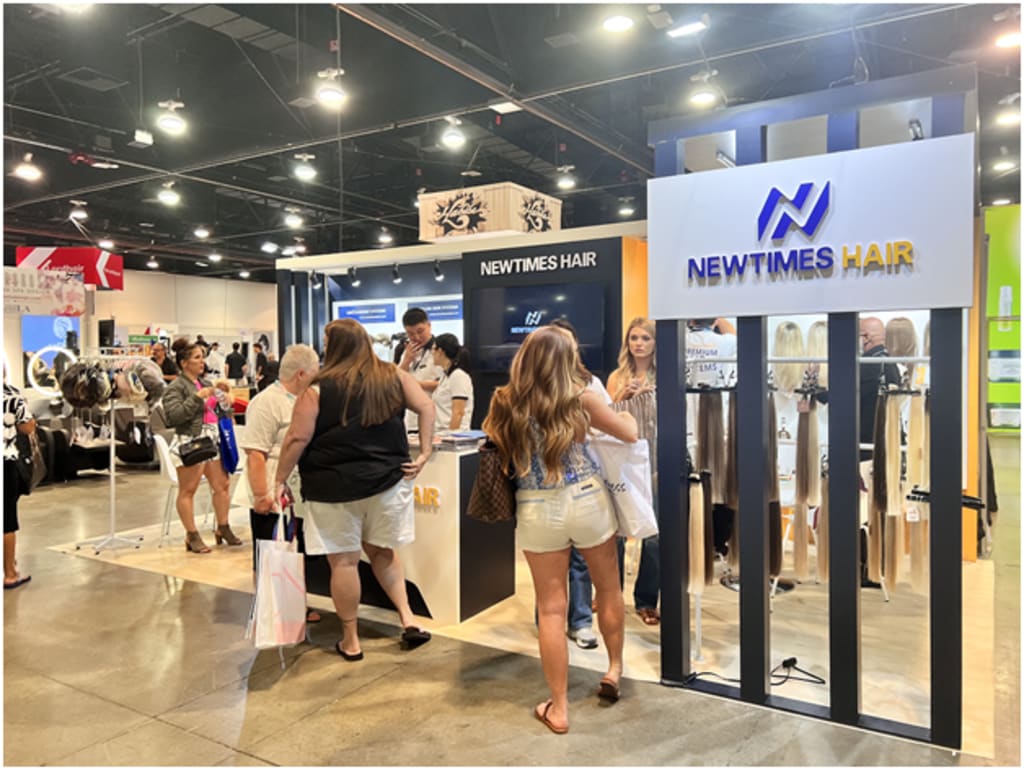
The demand for Double Drawn Hair from suppliers like New Times Hair is really reshaping how Luxury Salons operate. This shift across the industry toward high-density, uniform extensions is a key "Luxury Pivot" needed to protect high-end reputations. To see why this is happening, we first need to look at the technical gap between standard market offerings and professional-grade hair.
Key Takeaways
- Upgrade to double drawn hair with an 85–90% length ratio to ensure root-to-tip thickness and eliminate wispy ends.
- Reduce salon chair time by installing pre-blunted premium extensions that bypass the need for heavy corrective cutting.
- Audit wholesale shipments using the Pinch, Light, and Wash tests to expose hidden fillers and deceptive silicone coatings.
- Improve client ROI by offering premium bundles that withstand multiple move-up appointments without thinning or breaking.
- Utilize ultra-thin Genius Wefts or double drawn I-Tips to maximize volume while minimizing scalp tension and bulky seams.
The Technical Reality: Why "Standard" Hair No Longer Cuts It
Standard extensions don’t pass the luxury test because they thin out at the bottom. Mass-market Single Drawn Hair naturally tapers, leaving clients with a wispy, uneven finish. Luxury salons today can’t risk installing hair that starts looking cheap after a few weeks. Clients paying premium prices expect full strand length uniformity from the scalp all the way to the ends. When standard bundles don’t deliver, stylists end up cutting off inches just to make it look right. This gap is easier to see when you look at the actual ratios behind hair quality.
Defining the 80/20 Rule of Hair Density
The difference between standard and premium hair comes down to real numbers. Basic extensions usually sit around a 40–50% strand length ratio. So only about half the hairs actually reach the bottom. The rest are shorter strands mixed in, which creates that thin, stringy look.
High-end double drawn hair flips that completely. Suppliers like New Times Hair push the ratio up to 85–90%. Almost every strand runs the full length of the bundle. The result is strong root-to-tip thickness without needing bulky, extra wefts.
Stylists rely on that kind of fullness at the ends to create blunt, weighty cuts that keep their shape. You can’t fake that level of volume with a 50% ratio. Once you see the ratio, the labor-heavy nature of the product makes sense.
The Manual Sorting Process: 6 Hours of Precision
Getting to an 85–90% length ratio takes strict quality control. Machines can’t cleanly remove shorter strands without damaging the cuticles. So technicians turn to a careful manual, hand-sorting process instead.
They pull shorter hairs out by hand, one fiber at a time. This step alone takes about 4 to 6 hours of detailed work just to finish a single premium bundle. It’s slow. But it ensures only the longest, healthiest strands stay in the final product.
That time commitment is exactly why luxury hair comes with a higher price compared to mass-produced options. You’re paying for hours of skilled human work upfront. And in the end, that effort directly affects the salon’s bottom line.
The Economic Case for Double Drawn Hair in Luxury Salons
Salons often hesitate when they see the higher upfront cost of premium extensions. But looking only at the invoice misses the bigger picture of salon profitability. High-quality human hair drives a strong return on investment by changing how stylists work day to day. When you install premium bundles, you boost client retention and reputation right away because the results are obvious. You spend less time fixing poor blends and more time bringing in new clients. The numbers clearly favor investing in quality from the start. And beyond the balance sheet, how the hair performs—and how fast it installs—is what keeps clients coming back.
Reducing "Chair Time" Through Pre-Blunted Ends
Time is the most expensive asset in any salon. Standard hair usually needs a lot of point-cutting and heavy blending just to hide thin, stringy ends. Double drawn hair removes this bottleneck completely.
Because these professional-grade extensions come with thick, pre-blunted ends, stylists can skip the corrective cutting phase. You install, do a quick perimeter trim, and style. The even density and volume from root to tip make the hair look like a healthy, blunt haircut straight out of the package.
Cutting down "chair time" by even 30 minutes per appointment lets a stylist fit in an extra client each day. That’s a direct increase in daily revenue. You’re essentially buying back time in your schedule while delivering a cleaner, more precise result. But efficiency only matters if the hair holds up over time.
Installation Longevity and the "Cost per Month of Wear"
Price and cost aren’t the same thing in the hair industry. The sticker price for a double drawn bundle from New Times Hair is higher upfront. But the real financial impact comes down to cost per month of wear.
Standard extensions often thin out or break after just a few washes, which means clients have to replace them every few months. Double drawn hair offers much better installation longevity. Since the strands stay thick and healthy all the way to the ends, the hair can handle multiple move-up appointments without looking worn out.
Is double drawn hair worth the extra cost for clients? Absolutely. A $600 set that lasts a full year ends up costing far less over time than replacing a $300 set three times. It significantly reduces their ongoing spend. And high-end clients are now looking for specific "Quiet Luxury" aesthetic markers that only premium hair can deliver.
Why New Times Hair is the Preferred Boutique Supplier
Mass-produced extensions from "Big Box" brands often leave salons stuck with inconsistent textures and unhappy clients. Independent stylists need a partner they can truly rely on. That’s exactly where New Times Hair comes in. As one of the leading Hair Extension Suppliers, they focus on boutique-level consistency instead of cutting corners for large-scale retail. Salons moving away from generic brands find this focused approach completely shifts their day-to-day service quality. You get predictable, high-grade bundles every single time you open a package. But finding a reliable partner is only step one. Choosing the right supplier takes more than just checking a brand name; it calls for a physical audit.
Sourcing Ethics and the New Times Hair Quality Guarantee
Ethical sourcing is a big blind spot for many large companies. When you buy cheap bundles, you rarely know where the materials actually come from. New Times Hair closes this "Sustainability & Ethics" gap with strict oversight of their supply chain. They secure high-ratio bulk hair directly from transparent, voluntary donors.
This direct sourcing model makes sure the cuticles stay intact and properly aligned. Whether you need standard Remy Hair or premium European Hair, the ethical collection process ensures the raw material starts off strong before it even reaches the factory floor.
The result is a product that looks natural and lasts far longer than chemically stripped alternatives. Ethical sourcing protects both the donor and your salon's reputation. Still, even with a trusted supplier, stylists need to know how to verify every shipment.
The Stylist’s Stress Test: How to Vet a Wholesale Supplier
Verifying shipments takes hands-on checks. Getting professional-grade extensions means you can't trust packaging alone. The best double drawn hair extension suppliers for professionals, like New Times Hair, actually want stylists to physically check their stock. So how do you catch "fake" double drawn bundles before installing them? You use a simple three-step audit: the Pinch, Light, and Wash tests. This routine quickly reveals low-quality fillers hiding inside supposedly premium packs. Checking how light passes through and how the hair absorbs water helps you tell real volume from factory tricks. If a bundle fails here, it'll fail on your client. In the end, these tests show the truth that usually shows up after a few weeks of wear.
The Pinch Test vs. The Light Test
Hold the bundle by the root and press it firmly between your thumb and index finger. Slowly slide your hand down the shaft toward the tips. True double drawn hair keeps a consistent density all the way down. If the bundle suddenly feels thinner as you move down, it doesn't have real root-to-tip thickness.
Next, take that same bundle and hold it right up to a bright salon ring light. Focus on the bottom three inches. If light passes through the tips easily, the bundle is packed with shorter hairs near the top. You want it to look solid.
Real fullness at the ends blocks most of the light. Factory silicone coatings can hide this tapering for a while, which makes a visual check alone unreliable. Pairing the pinch test with backlighting shows exactly where the density drops. But that’s only part of it. The last test comes down to how the hair reacts to water and heat.
Why Single Drawn Extensions Fail the "Wash Test"
Water removes the artificial silicone shine that factories use to make cheap bundles look fuller. Once you wash a new bundle, you see what it's really like.
So why do single drawn extensions start looking thin after a few weeks? They naturally include up to 50% shorter strands. Once that coating washes off, those shorter hairs don't blend well, and the ends start to look stringy. Regular brushing speeds up shedding, and the volume drops fast.
Clients end up with uneven, wispy ends that need constant trimming. A proper wash test in the salon sink recreates this wear before the client even leaves your chair. You catch the tapering right away. In the end, knowing these issues helps you make better choices during application.
Matching Methods to the Double Drawn Advantage
Not every installation method handles thick ends the same. When you're working with double drawn hair, that even density from root to tip changes how the hair sits on the scalp. Sew-in wefts pack a lot of volume into a single row, which makes thick ends key for a seamless blend. Tape-in extensions spread that weight across a wider area. If the ends are thin, the tape panels start to show. You need that solid thickness to fully hide the attachment points. Different methods call for different hair weights to keep everything looking natural.
New Times Hair Genius Wefts: The Peak of Luxury Application
Bulky seams can ruin a luxury install fast. That's why stylists are stepping away from traditional machine wefts. When you want maximum volume without the bulk, New Times Hair Genius Wefts hit that sweet spot. They combine the ultra-thin, nearly invisible seam of hand-tied wefts with the strength of a machine-pressed track.
Since these wefts use double drawn hair, you don't need to stack five rows just to get full ends. Two or three rows give you a fully solid perimeter. The flat seam sits flush against the scalp, making it very hard to spot when brushing or styling.
This setup helps avoid the heavy, pulling feeling that can lead to traction alopecia over time. It keeps the scalp protected while still delivering maximum thickness. For clients with finer hair, the choice between single and double drawn matters even more.
I-Tip and Keratip Solutions for Precision Volume
Strand-by-strand methods give you full control over placement. But if each strand tapers off too much, the result looks thin and stringy.
Using double drawn hair in I-Tip / Keratip / Microtip applications fixes that issue. Each bond carries consistent density and volume all the way to the ends. You don't have to overload the head with extra bonds just to fill out a thin bottom layer. Fewer bonds mean less weight on the natural hair and easier brushing.
You also save a lot of time during the final cut. With thicker ends, all you need is a light trim to blend everything cleanly. That's the kind of precision people expect from a modern luxury salon experience.
Transitioning Your Salon to a Premium-Only Menu
Dropping low-quality extensions helps protect your business. You don't need to hit clients with sudden price hikes. Start by adding premium options alongside your current menu, then slowly phase out the cheaper hair over three to six months.
Frame this shift as an upgrade that boosts client retention and your overall reputation. Better hair leads to fewer complaints about tangling and shedding. To make the financial side easier for your salon, lock in a pro discount by opening verified stylist accounts with trusted suppliers like New Times Hair. This keeps upfront costs in check while maintaining healthy profit margins.
Once clients feel the difference firsthand, they rarely go back to the cheaper options. As expectations keep rising, the focus naturally moves toward where the industry is heading next.
Frequently Asked Questions About Double Drawn Hair
What is the exact meaning of double drawn hair in a wholesale context?
It means 85-90% of the hairs are the exact same length. Workers manually pull out the short ones. You get thick ends from root to tip instead of wispy rat tails.
Is double drawn hair better for fine-haired clients?
No. It's usually too heavy. The extreme density pulls on weak follicles and creates unnatural bulk. Single drawn or ultra-thin Genius wefts blend much better for thin natural bases.
Why are double drawn extensions significantly more expensive?
Labor and raw materials. Factories throw away tons of perfectly good shorter hair to get that 90% uniform length. Wasting raw hair drives the wholesale price straight up.
Do double drawn extensions shed less than single drawn?
Not inherently. Shedding depends entirely on the seam construction or keratin bond quality. A poorly glued double drawn weft will still shed like crazy regardless of hair length.
How long do double drawn hair extensions last?
9 to 12 months with proper care. The thick, pre-blunted ends survive multiple salon move-up appointments without fraying into nothing. Cheap silicone-coated ones die in 3 months.
About the Creator
Leo
Passionate men's hairstylist with a keen eye for detail and a knack for creating on-trend looks. Dedicated to delivering hair restoration education that enhances individual style.
Enjoyed the story? Support the Creator.
Subscribe for free to receive all their stories in your feed.
Comments
There are no comments for this story
Be the first to respond and start the conversation.