
Why Are Human Hair Extensions So Expensive? 7 Factors Salons Should Know
Why Are Human Hair Extensions So Expensive? 7 Factors

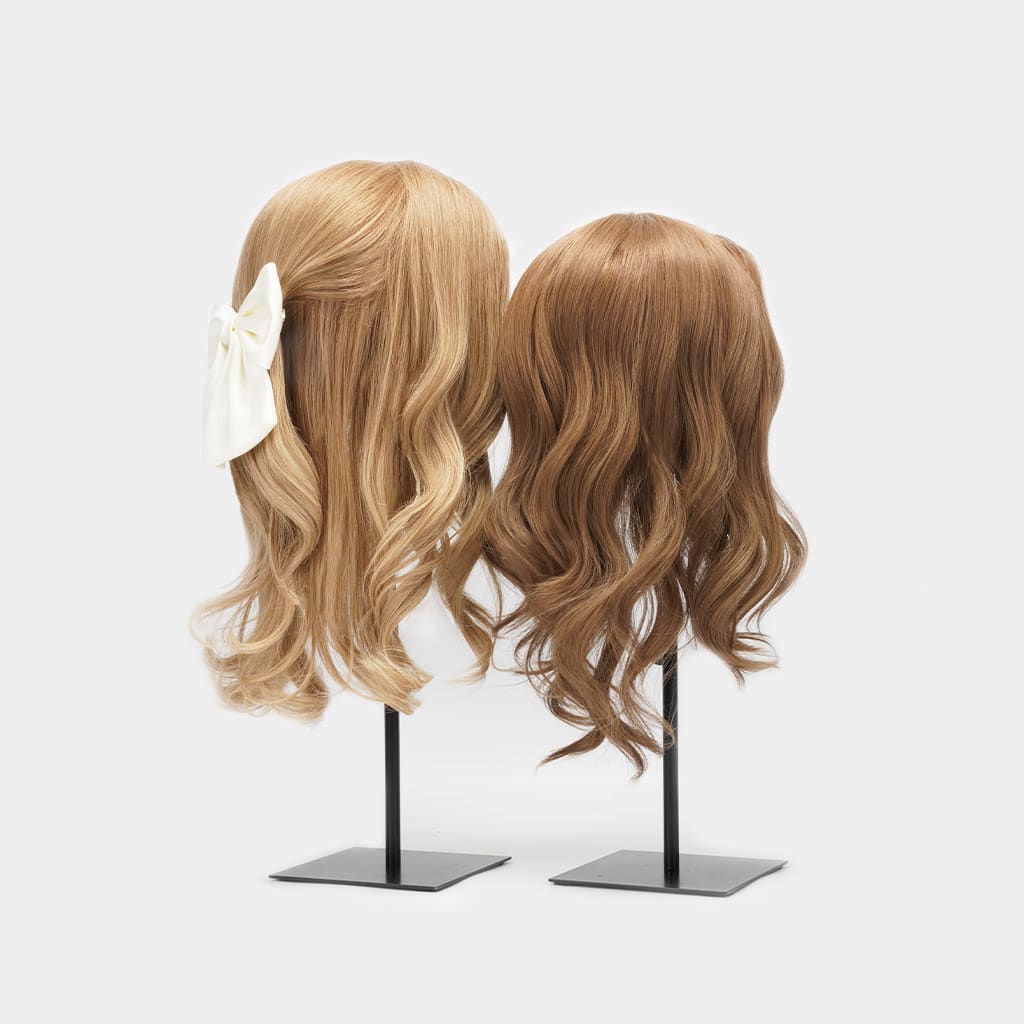
Human Hair Extensions made from real human hair sit at the top of the market for a reason. The price tag covers the sourcing, processing, and long-term wear—it isn't just a quick, one-off expense. That initial sticker shock usually points to genuine value. To figure out why, you just need to look at the global economics driving the raw hair supply.
Key Takeaways
Prioritize cost-per-wear: High-end extensions cost more upfront but save money long-term by lasting up to a full year.
Value ethical sourcing: The scarcity of single-donor Remy hair and fair-trade collection practices naturally drive up raw material prices.
Look for slow processing: Premium hair undergoes a 20-day depigmentation process to preserve cuticle integrity and prevent tangling.
Appreciate the engineering: Micro-engineered bonds like K-Tips require extensive R&D to ensure safe, invisible, and weightless blending.
Understand installation fees: You are paying for the stylist's specialized certifications, insurance, and the physical toll of 4-to-6-hour precision applications.
The Global Economics of Raw Hair Sourcing
Real human hair isn’t mass-produced, which is the main reason prices keep climbing. The supply relies on real Hair Donors, while global demand keeps going up for salons and brands like Newtimes Hair. Fewer donors step up each year, but buyers still want longer, healthier strands. This mismatch drives wholesale prices up fast. If you want to understand the biggest cost driver, look at single-donor hair first.
The Scarcity of Single-Donor Remy Hair
Single-donor Remy Hair costs the most right now because every strand comes from one person, with Hair Cuticles facing the same way. This keeps the hair smooth, cuts down on tangles, and makes it last longer.
But there's a catch with the supply. One donor can only give so much, usually just 100–300 grams. That makes it a limited resource. Factories can't just scale it up. As demand grows, competition for this hair heats up, pushing prices even higher.
This shortage brings up a bigger question—how that hair gets collected and whether donors are treated fairly.
Ethical Sourcing and Fair Trade Premiums
Ethical Sourcing adds serious cost, but it fixes trust issues in the supply chain. Brands that focus on Traceability pay donors fairly and document exactly where the hair comes from.
That transparency takes audits, verified collection channels, and better pay. Each step adds to the final bill. But it lowers risk and keeps the quality consistent.
Once this ethically sourced hair is in hand, the next step kicks in—how science and processing turn those raw strands into wearable extensions.
The Science of Preservation: Why Processing Takes Weeks
Raw hair doesn't just become wearable overnight. High-end processing relies on a slow, controlled routine to protect each strand instead of stripping it raw. The goal? Keep the hair Cuticle-intact and Chemical-free for as long as possible. Sure, faster options exist. But they trade long-term quality for pure speed. The real difference shows up in how it looks, feels, and ages. And that all starts with how the color gets removed.
The 20-Day Slow-Depigmentation vs. Acid Baths
Premium hair lightens up over roughly 20 days through a gradual oxidation process. This keeps the Hair Cuticles completely sealed and aligned. Taking it slow skips the sudden stress on the fiber, so strands stay smooth, strong, and flexible. You'll spot these Quality Indicators right away: less tangling, way better shine, and a consistent texture from root to tip.
Acid baths do the job in hours, not weeks. But here's the thing—they force the cuticle open and usually damage it beyond repair. The hair might look great out of the box. Give it a few washes, though, and it turns dry and brittle. That massive drop in durability drives up your real Cost-Per-Wear, even if the price tag looks like a steal upfront.
Why Newtimes Hair Prioritizes Cuticle Integrity
Newtimes Hair sticks to the slow method for one main reason. Cuticle integrity directly impacts how long the hair can actually be reused. By keeping the strands Double-drawn hair and perfectly aligned, they lock in an even thickness and a much more natural finish that holds up over time.
This approach also cuts way down on shedding and matting. That means fewer replacements and less money spent down the line. Instead of chasing short-term results, the focus stays squarely on consistent performance month after month. That exact same attention to detail carries right into the next step: securely attaching the hair using advanced methods.
Micro-Engineering and Attachment Technology
Attachment isn't just about sticking hair in place—it comes from years of lab testing and product design. Modern application methods depend on medical-grade glues and super-thin weft structures. They have to handle heat, oil, and everyday wear without breaking down. Creating these systems can easily take 2–5 years of testing just to meet skin safety standards and stop irritation.
And those invisible finishes everyone wants? They rely on exact bonding formulas and lightweight stitching that won't bulk up at the root. This kind of engineering obviously raises the price, but it boosts performance too. It also sets the stage for how extensions get built at the actual strand level, starting right with advanced weft and tip designs.
The Evolution of Genius Wefts and K-Tip Polymers
Genius Wefts and K-Tips are made to practically vanish into natural hair. Engineers shrink the thickness down to under 1 mm but keep the strength high enough to stop breakage when you wash or brush it. That perfect balance gives you a seamless blend. No extra weight. No weird bulk.
K-Tips rely on medical-grade keratin polymers that melt at very specific temperatures, usually around 180–200°C. This locks in a tight bond without hurting the natural hair shaft. Genius Wefts, on the flip side, use special reinforced stitching patterns. You can cut them right down to size without them unraveling.
These designs look totally basic, but they actually take precise manufacturing and strict quality control to pull off. Plus, all that hidden complexity shapes the next big factor: the stylist’s skill and how much it impacts the final price tag.
The Stylist’s "10,000 Hours": Education and Certification
Professional stylists don’t just pick things up on the fly. They invest years and thousands of dollars long before they ever touch your hair. Most log 1,500 to 2,000 hours in cosmetology school. Often, they rack up student debt ranging from $10,000 to $25,000. And all of that happens before advanced extension classes even start. This is real skilled labor. The price tag simply reflects what it takes to nail clean sections, perfect tension control, and safe bonding. That base explains why installation fees aren't just made up—they're rooted in years of paid training. Plus, getting that license doesn't mean the spending stops.
The High Cost of Specialization and Insurance
Focusing on a niche brings very real costs to salon operations. Brand-specific certificate programs—especially for distinct systems like K-Tips or Genius Wefts—usually run anywhere from $3,000 to $10,000. Stylists typically pay for this right out of their own pockets just to stay in the game. Big investment.
Then you have insurance to think about. Professional liability coverage for extension work runs about $300 to $800 a year, depending on the exact services they offer. This keeps both the client and the stylist safe when dealing with chemicals, high heat, and those massively long salon sessions.
Those overhead bills don’t just vanish. They get baked right into the installation fees. As they should be. Because once the training wraps up, the actual heavy lifting begins: executing every single install with total precision, stamina, and control.
The Physical Toll and Precision of Application
Putting in a full set of extensions isn't quick. It's a highly focused, hands-on job lasting 4 to 6 hours with barely a break. Stylists are on their feet for almost the whole thing. Arms up. Eyes glued to tiny bits of hair. All that repetitive motion really wears down the back, shoulders, and wrists. Sure, it's skilled labor. But it's also a physical grind that takes real stamina.
Accuracy is everything here. Take K-Tips. They need careful heat bonding, one single strand at a time, just to prevent damage and get that seamless blend. Sew-ins mean perfect parting, snug but safe braiding, and even stitching to keep the wefts completely flat. Just one tiny slip-up can ruin the overall comfort, cut down the lifespan, or make the whole thing look fake.
You just can't rush this service. It involves highly controlled, detailed steps where keeping things consistent matters from the very first piece to the last. And once you grasp the sheer effort involved, it brings up something even harder to put a number on. The raw artistic eye behind every single install.
Custom Artistry: The Invisible Finish
A perfect install isn’t simply about attaching extensions. It’s about making them vanish right into your natural hair. That "invisible" finish boils down to custom color matching. Stylists carefully blend their shades so you don't end up with harsh lines between your real hair and the new pieces. It’s highly detailed work that usually eats up extra time, especially when they have to mix separate tones to nail your highlights or lowlights.
Texture and density play a huge part here, too. Stylists tweak the cut and layering so the extensions actually move like your own hair instead of just sitting heavy on top of it. Too thick? It looks bulky. Too thin? You get gaps. Nailing that exact balance is what gives you a natural flow nobody can spot.
You aren't just buying hair. You’re paying for that flawless, seamless blend. And that specific level of skill is backed up and protected by the salon’s professional guarantee.
The Safety Net: Guarantees and Salon Overhead
Salon pricing is about more than just the hair you walk out with. It includes a built-in buffer for quick fixes, daily upkeep, and the pro-grade products that keep your results looking fresh. Stylists actually plan for follow-up tweaks, early wear-and-tear, and the specific products needed to keep extensions smooth and strong. This safety net backs up real maintenance. No guesswork involved. It's exactly why sitting in a salon chair feels more secure from day one. But the next piece of the puzzle really comes down to who supplies that reliability behind the scenes.
How Newtimes Hair Supports Salon Profitability
A reliable supply matters. Why? Because those salon guarantees only hold up if the hair performs consistently. Newtimes Hair, a wholesale hair extension supplier, focuses on stable quality. This way, stylists can stand behind every single install without second-guessing how well it will hold up.
This kind of consistency cuts down on redo appointments and wasted products, which directly protects a salon's profit margins. Fewer problems simply mean less unpaid correction time and a lot more predictable scheduling.
When salons trust their supplier, they can confidently offer the service guarantees that clients actually care about. That trust makes the cost-benefit choice clearer for both salons and their clients.
The Investment-Grade Framework: Cost-Per-Wear Analysis
Looking at the price tag alone won't show you what you're actually spending. The best way to measure hair quality is checking your cost-per-wear over 12 months. Top-tier hair, like the consistent-grade pieces from suppliers like Newtimes Hair, usually runs a bit higher upfront—mostly between $200 and $400. But if you take good care of it, that hair can handle being reused and last almost a full year.
Let's break that math down. If you wear it 3 times a week, you're looking at about 150 uses per year. This drops your actual cost-per-wear to somewhere around $1.30 to $2.60. That right there is the real value.
Cheaper picks might only cost $60 to $120 right out of the gate. It sounds like a great deal, but they usually fall apart after 2 to 3 months of normal use. Fast forward 12 months, and you've probably replaced the piece 4 times, bumping your total spend up to $240–$480. And that cost-per-wear? It ends up being worse because of the constant tangling, shedding, and horrible re-usability.
So the smart money usually doesn't chase the lowest sticker price—it goes after the longest lifespan. That handles the financial side, but we still need to look at a few practical questions next.
Frequently Asked Questions About Hair Extension Costs
Why is human hair more expensive than synthetic hair?
Because it is grown, not printed in a factory. Real single-donor hair is scarce. Premium human hair takes 20 days just to depigment properly so the cuticles survive. Synthetic is just cheap plastic.
How much do you tip for $1,000 hair extensions?
20% on the service fee, not the total bill. If the hair cost $600 and installation was $400, tip $80. Don't tip on the raw materials. Stylists expect this breakdown.
Do you tip the stylist separately for the hair and the installation?
No. Never tip on the cost of the hair itself. You only tip on the manual labor of the 4-to-6-hour installation. The hair is a retail product. Treat it like buying shampoo.
Is the price of human hair extensions worth the investment?
Yes. Look at cost-per-wear. High-end human hair lasts up to a full year if you treat it right. Synthetics look fake fast and need replacing constantly. You pay upfront to stop buying garbage.
About the Creator
Leo
Passionate men's hairstylist with a keen eye for detail and a knack for creating on-trend looks. Dedicated to delivering hair restoration education that enhances individual style.
Enjoyed the story? Support the Creator.
Subscribe for free to receive all their stories in your feed.
Comments
There are no comments for this story
Be the first to respond and start the conversation.