
Which Type of Hair Patch is Best?
Are there undetectable hair patches suitable for everyday wear? Customer Success Stories

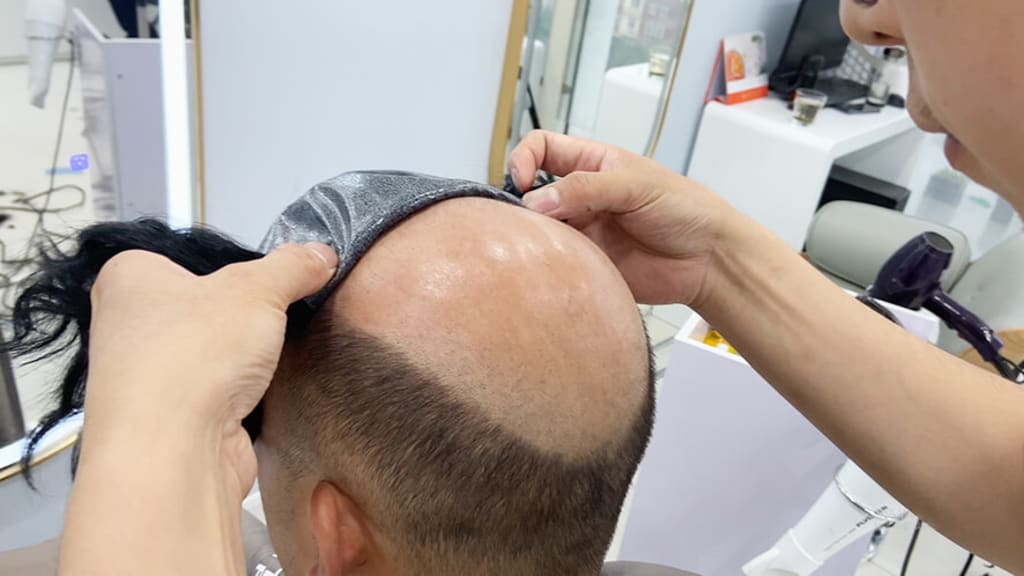
Are there undetectable hair patches suitable for everyday wear? Customer Success Stories
Invisible Hair Patches are a non-surgical fix for small spots of hair loss, built for everyday wear without drawing any attention. They blend right into your scalp to give you a natural hairline and a clear base that looks exactly like real skin. People use them every single day because they're simple and totally realistic. But what actually makes this invisibility possible? It really just comes down to the materials and the design.
Key Takeaways
- Choose ultra-thin skin bases with 100% Remy human hair for a realistic, tangle-free hairline that mimics natural growth.
- Opt for clip-ins for daily flexibility, or use medical-grade tape-ins for 10-hour wear and high-intensity workouts.
- Wash your exposed scalp 3-4 times weekly with an oil-free cleanser to protect the adhesive, avoiding daily patch soaking.
- Apply lightweight styling products and blow-dry on low heat away from the edges to prevent lifting and clumping.
- Verify undetectability using a 5-point check: scalp tone match, seamless edges, realistic density, natural movement, and harsh lighting tests.
The Anatomy of Invisibility: What Makes a Hair Patch Undetectable?
Being undetectable comes down to two things: how well the base copies your scalp and how real the hair looks. If either one falls short, the system gets noticed fast—especially around the hairline. That's why modern designs put the focus on Scalp Mimicry and 100% Human Hair working together. Nail those two, and your patch blends right in, even up close. It all starts with the base material and how it vanishes against your skin.
Scalp Mimicry and the Role of Ultra-Thin Skin Bases
A thin base gives the illusion that hair is growing straight out of your head. Systems built with Thin Skin—usually about 0.095mm—sit super flat and reflect light just like actual skin, rather than shiny plastic. That skin-like finish makes the edge totally disappear, especially right at the front hairline.
Poly Systems use V-looped hair. This means the strands are injected directly instead of tied in knots. Zero visible knots. No weird dark dots. Just a perfectly clean surface that looks natural right up close. HD lace works a lot like this by visually melting into the scalp, even though the physical feel is a bit different.
Bottom line: when the base disappears, people stop staring. But even the absolute best base won't save you if the hair itself looks fake. That's where hair quality takes over.
Why Bono Hair Uses 100% Remy Human Hair for Realism
Looking real relies heavily on how the hair behaves, not just how it looks sitting in a box. In this case, Bono Hair uses 100% Human Hair. More specifically, they use Remy Hair, which means every single strand flows in the exact same direction. That alignment stops annoying tangles and keeps the movement nice and smooth.
Texture Harmony is just as big of a deal. You can easily match Remy hair to your own existing hair—whether it's super straight, wavy, or a bit coarse. This way, the patch won't stick out like a sore thumb when you go to style it. Synthetic blends usually drop the ball here because they reflect light weirdly and hold shapes that don't look natural.
This mix of natural movement and dead-on texture keeps the system looking totally believable all day long. And once you've got the hair and base working perfectly, the next big thing is keeping everything secure while you go about your life.
The 24-Hour Confidence Test: Attachment Methods for Daily Wear
A realistic hairline means nothing if your patch slides around by noon. For daily wear, the true test is how well things hold up through work, moving around, and long hours. Clip-in and tape-in methods rule this space. They both balance durability and ease, just in very different ways. Finding the right fit really depends on how active you get and how much time you want to spend getting ready every morning. Let's look at the biggest comparison: clip-in versus tape-in.
Clip-in vs. Tape-in: Which is Better for Your Lifestyle?
Clip-in patches are fast and flexible. You just snap them onto small pressure points, take them off before bed, and skip the sticky adhesive buildup entirely. So, are clip-in hair patches safe for daily use? Yes. As long as you rotate those attachment spots and don't pull too hard, they won’t strain your natural hair. Simple.
Tape-in systems trade that quick convenience for a much stronger grip. Medical-grade tape keeps the base completely flat against your scalp, taking the hairline realism up a notch and stopping any lifting when you move. That extra durability is huge if you sweat a lot, deal with a long commute, or keep the patch on for 10-plus hours straight.
Clip-ins work beautifully for lighter routines. Tape-ins are built for serious staying power and long days. The difference gets pretty obvious when you look at how one guy handled a packed work schedule.
Success Story: The Active Professional’s 10-Hour Workday
One bono hair user works in client-facing consulting. His day goes from 8 a.m. straight into the evening, completely packed with meetings, presentations, and rushing between different offices. He went with a tape-in system for one exact reason: zero distractions.
The piece stayed perfectly hidden all day. No edges peeling up. No weird shifting while he was speaking in front of a crowd. Under those harsh fluorescent office lights, the ultra-thin base kept an entirely natural look. That matters most at the front hairline, since that's exactly where people tend to look first.
He had tried clip-ins in the past but found himself messing with the placement by mid-afternoon. Switching to tape removed that headache entirely. Things stayed locked down, no matter how rushed his commute got or how many back-to-back meetings he sat through. That's it.
Office conditions are usually pretty controlled, though. So what happens when your environment gets a lot more demanding?
Surviving the Elements: Success Stories from Fitness and Travel
Controlled office settings are one thing. But real life throws heat, sweat, wind, and constant movement into the mix. That's when a weather and sweat-resistant hair system actually proves its worth. For a lot of guys, the biggest hair worries pop up during workouts or trips, not while sitting at a desk. The question goes from "Will it look real?" to "Will it actually stay put?" These stories show how modern systems tackle both issues. And they highlight why upkeep is the next step.
The Fitness Enthusiast: Hot Yoga and High-Intensity Training
Yes, you really can wear a hair patch while working out. Usually, a tape-in system is your safest bet. One bono hair user hits the gym five days a week, mixing hot yoga (90°F rooms) with high-intensity interval sessions. Sweat is a constant. Movement is nonstop.
His tape-in setup stayed completely flat against his scalp the whole time. No lifting at the edges. No shifting around during burpees or deep stretches. The sweat-resistant adhesive just held firm, and the thin base kept the hairline looking natural—even under those bright studio lights.
But the real win came afterward. He could leave the gym, grab a quick shower, and head straight to a café without stressing about how he looked. That easy transition from an intense workout over to a social setting shows how durability builds confidence in everyday life. Simple.
From Beach to Ballroom: A Wedding Success Story
Special events really push hair systems to the absolute limit. One bono hair client wore an HD Lace patch to a coastal wedding. It started out on a humid beach and wrapped up inside a ballroom. Two totally different environments packed into one long day.
The pre-plucked hairline made a massive difference here. Out in the natural sunlight, the front looked soft and realistic, not sharp or fake. Even with ocean breezes and heavy moisture in the air, the lace stayed secure and blended right into his skin.
Hours later, under indoor lights and tons of movement on the dance floor, the patch still held its shape. No visible peeling. No weird texture changes.
That kind of all-day performance doesn't just happen by accident. It depends heavily on how well you maintain the system. We'll break those exact steps down next.
The Bono Hair Guide to Maintaining Your Undetectable Look
A Bono Hair system only stays invisible if your daily habits back it up. The good news is you won't need to put in a ton of effort. Most wearers stick to a low-maintenance routine once they pick up a few basics. Focus on clean skin, controlled styling, and gentle handling. Nail those, and your hairline and base will stay clear and natural. It all starts with how you wash and style around the patch.
How to Wash and Style Your Scalp Around the Patch
A squeaky-clean scalp gives you a much better hold. Wash your exposed skin three or four times a week using a mild, oil-free cleanser. You want to stop sweat and daily buildup from ruining the adhesive or clips. Just be careful when rinsing so the water pressure doesn’t peel up the front edge.
Try not to soak the base every single day. Instead, gently pat the patch area dry. You only really need to deep-clean it during a scheduled maintenance routine. That protects the bond and keeps the actual shape of your hair toppers intact.
Keep your styling light. Use just a small amount of volumizer, and skip heavy waxes near the hairline. Thick products tend to clump up. They make the base way more obvious under harsh artificial lights.
Blow-dry on low heat, pointing the airflow away from the edges. Once this routine feels like second nature, you’re ready to test how invisible the setup really is using a quick 5-point check.
The 5-Point Undetectability Checklist
Your patch looks natural when five details perfectly line up. Start with the scalp match. The base needs to closely match your skin tone so it doesn’t show through when you step into the sun.
Next up is edge blending. Run a finger along the front. You shouldn't feel any ridge or lifting edges. If you can feel a bump, someone else might see it. Simple as that.
Hair density really matters. Anything too thick just stands out. Aim for a thickness that naturally blends right into your sides and back.
Now check the movement. Real hair shifts a little when you toss your head. A seamless patch should do exactly the same thing without looking stiff.
Lastly, test it under harsh lighting. Bright bathroom lights or direct sunlight will reveal any hidden flaws fast. Pass all five checks, and you’re good to go. Up next, we'll answer the most common questions people still have.
Frequently Asked Questions About Everyday Hair Patches
Is a hair patch detectable to the touch?
Yes, if they dig their fingers in. Ultra-thin skin bases feel incredibly close to a real scalp. Unless someone is aggressively rubbing your head to find the edge, they won't feel a thing.
How can you tell if someone is wearing a hair patch?
Harsh lighting and the hairline. That is the dead giveaway. Cheap systems have thick edges or mismatched scalp tones. Premium Remy hair on an ultra-thin base passes the visual check completely.
Is it safe to wear a hair patch every day without damaging scalp health?
Absolutely. Just wash your exposed scalp 3-4 times a week with an oil-free cleanser. Medical-grade tape is safe for 10-hour wear and heavy gym sessions. Just do not soak the actual patch daily.
Which type of hair extension is the least visible in thin hair?
Ultra-thin skin bases. They literally melt into the scalp. Tape-ins lay flat, but an ultra-thin skin patch injected with 100% Remy hair gives you the exact density match you need for thinning spots.
About the Creator
Leo
Passionate men's hairstylist with a keen eye for detail and a knack for creating on-trend looks. Dedicated to delivering hair restoration education that enhances individual style.
Enjoyed the story? Support the Creator.
Subscribe for free to receive all their stories in your feed.
Comments
There are no comments for this story
Be the first to respond and start the conversation.