
Which suppliers offer curly or Afro-textured men's hair systems?
Curly & Afro Men's Hair System Suppliers for Salons 2026

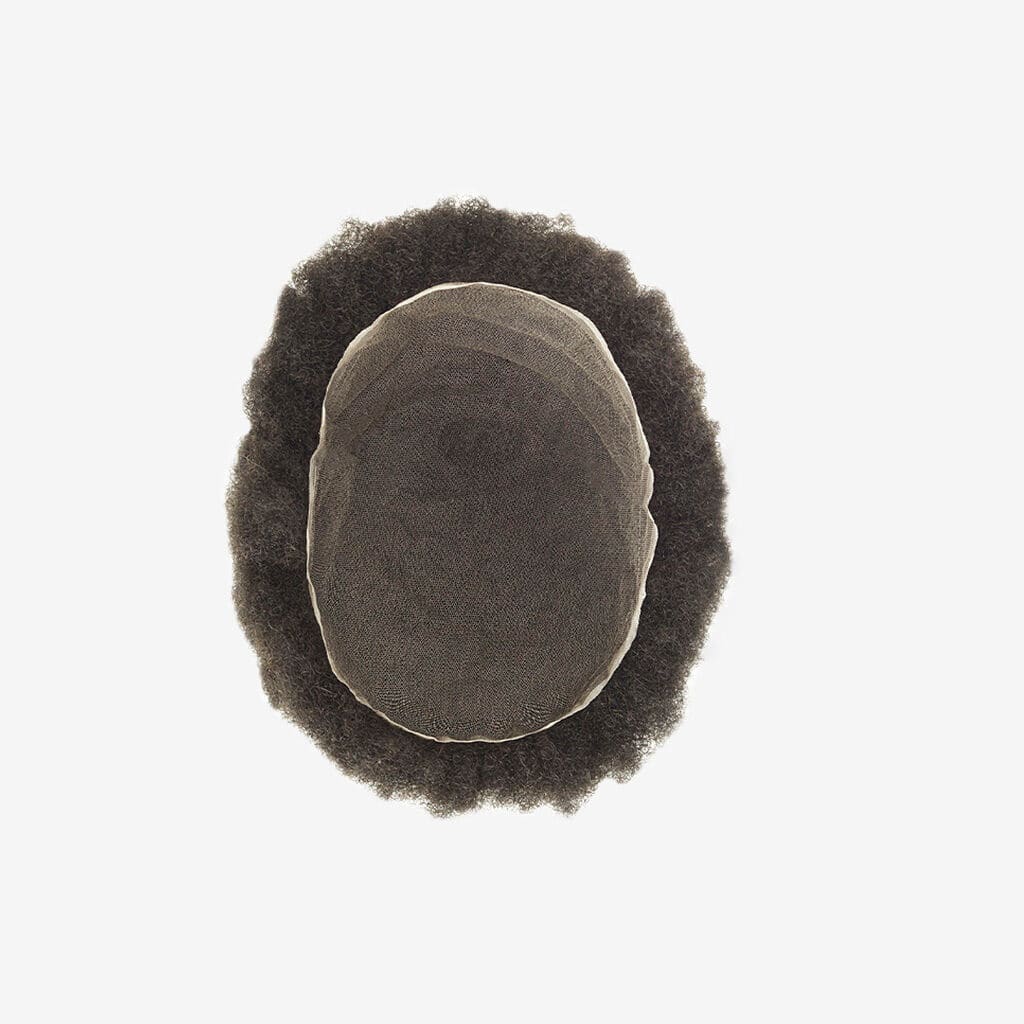
Which suppliers offer curly or Afro-textured men's hair systems?
Which supplier is best for African American men's hair systems? For salons and barbers in 2026, the right B2B Hair Suppliers mix natural Afro-textured curl options with solid production and custom orders.
Here's how to vet partners like Newtimes Hair, compare curl specs, and track down hair systems that keep your shop growing steadily.
Key Takeaways
Curl diameter should closely match each client's visible coil size.
Base material should suit the haircut, scalp conditions, daily routine.
Washed samples should reliably retain their curl before bulk orders.
Why Sourcing Afro-Textured Hair Systems Requires a Dedicated Supplier Approach
African American Men's Hair Systems need way more than just a familiar catalog. Salons need a B2B Hair Suppliers partner who can actually talk about texture preferences, custom orders, production capacity, and lead times before an order is even placed.
Having dedicated support cuts out the guesswork when you're trying to build a reliable product range. Newtimes Hair can help you kick off those supplier conversations using the right business questions.
What Makes African American Hair Systems Uniquely Different from European Units?
Afro-textured hair units rely on tight curl patterns. This naturally changes how volume, length, and parting show up on the base. They can look incredibly full without needing the same visible length you'd expect from a straight or wavy system.
When stocking your salon, matching that exact curl definition matters just as much as the base and density. The curl's diameter dictates the final shape. So, it directly impacts the styles your clients can actually pull off.
Decoding Curl Patterns: Understanding Curl Diameters for African American Hair Systems
How do you actually match a client's natural curl pattern to a hair system? You start with the curl diameter, rather than just looking at the label. A 4mm coil and a 6mm coil will give you completely different looks once you cut and blend them.
Getting the curl pattern right makes consultations and inventory much easier. Just look at the client's visible coil size first, and then figure out the final style they want.
4mm Tight Kinky Curl for Coiled 4C Hair Patterns
Go with a 4mm tight kinky curl if you're dealing with the compact, tightly packed coils you usually see in a 4C look. Since the diameter is so small, it gives a really dense texture. This helps you avoid looser shapes that might make the blend stand out in a bad way.
Take a good look at the hairline and temple area before placing an order, since those spots show the true coil size the best. Make sure to double-check with Newtimes Hair so the curl direction and final length actually fit the cut you're planning.
6mm Afro Coil for Standard Textured Styles
It's smart to keep 6mm Afro coil units in your main stock. The pattern sits right in the sweet spot between tight kinky textures and bigger curls. It works perfectly for standard textured cuts when a client wants defined coils but doesn't want that super compact 4mm finish.
Stick to 100% human hair for units you'll need to cut and shape over multiple appointments. Also, be sure to talk to Newtimes Hair to confirm things like curl consistency, custom options, how much they can produce, and their lead times.
Matching Scalp Needs: The Big Three Base Materials for Textured Hair Systems
Wondering about the best base materials for kinky curly hair systems? There's no single winner here. Full lace gives you airflow, poly handles close fade work, and hybrid bases do a bit of both. Simple.
Try stocking base materials based on the haircut, scalp conditions, and the client's planned daily routine. That gives your barbers a much better starting point than just picking a base by texture alone.
Full Lace Bases for Maximum Scalp Breathability
Full French or Swiss lace is usually a smart pick for active clients with oily scalps. The open lace design lets air flow right through the base, so it doesn't feel trapped or heavy during everyday wear.
For men's toupees or hairpieces, make sure to check the lace type, density, contour, and attachment layout. French lace is generally tougher. But if you want a finer, more invisible finish, Swiss lace is usually the way to go.
Poly Skin Bases for High-Taper Fades and Skin Blending
All-poly skin bases give barbers a nice, smooth surface to trim and blend right into a high-taper fade. The tight perimeter helps create a very natural hairline blend right where the hair system meets super short hair.
Always double-check the fade height before you order. A poly outline that actually matches the client's exposed scalp is way easier to hide than a base picked just for its curl pattern.
Hybrid Lace-Poly Bases for Reinforced Durability
Hybrid bases put lace right at the front for a softer hairline, plus poly around specific edges for a much stronger hold. This setup works great for African American men's hair systems that need a clean, visible front and regular salon touch-ups.
Just specify exactly where the lace and poly should sit, along with the cut shape and hair density. Then, share those details with Newtimes Hair when you're talking about a custom base setup for your salon.
Ventilation Techniques: V-Looped vs. Injected vs. Knotted Hair in Afro Units
When dealing with Afro-textured Hair Units, the ventilation totally changes how the roots sit, move, and blend right at the hairline. V-looped hair gives you a knotless-looking root. But injected hair makes it look like those strands are actually growing straight out of the base.
Knotted hair leaves a much more visible root structure, though thick curls usually hide it pretty well. If you're going for Natural Hairline Blending, just ask Newtimes Hair which ventilation method works best for the unit's density and how you plan to style it. Simple as that.
Why Bleached Knots Are Critical for Realism on Darker Scalps
Bleached Knots lighten the dark root points where hair is tied into a lace base. On medium-to-dark scalp tones, unbleached knots can show up as noticeable dots—especially if you're working with a parted style or an exposed hairline.
For Natural Hairline Blending, bleaching helps the lace look more like real scalp instead of a grid of tied hair. It's a technical detail that also helps you figure out when a stock unit will do the trick, or if a custom build fits your shop better.
Custom vs. Ready-to-Wear Hair Systems: Choosing the Right Strategy for Your Shop
Ready-to-wear units let your shop handle everyday requests without tying up too much time in production. But custom orders are a much better fit for clients who need a specific curl pattern, Afro-textured hair, a certain density, or a unique base design.
Make sure to ask B2B hair suppliers about their production capacity and wait times before planning out your inventory mix. Newtimes Hair's wholesale support team can help you strike the right balance between fast-moving stock and bespoke orders.
Solving the Grey Hair Challenge in Afro-Textured Toupees
Grey blending works best when the supplier matches the grey fiber's curl pattern before it gets ventilated into the unit. Afro-textured hair units need a consistent curl structure. Otherwise, the grey strands can stick out from the darker hair and look pretty obvious.
For 100% human hair units, just ask Newtimes Hair about custom grey ratios, curl matching, production capacity, and lead times for custom orders.
Assessing Hair Density to Achieve Natural Hairline Blending
For natural hairline blending, an 80% to 100% hair density is usually a great starting point for African American men's systems. It's the right amount to support textured hair without creating a heavy, helmet-like front.
Always keep the hairline lighter than the rest of the unit. Then, just adjust the density to match the client's age, their existing temple hair, and the curl pattern. Newtimes Hair can even customize this density placement so you get a much more realistic finish.
How to Test Curl Retention to Prevent Matting and Curl Drop After Washing
A quick sample wash test tells you if a curly unit actually bounces back to its original pattern instead of drying loose, tangled, or totally flat. If you want reliable stock, make sure to test each sample before putting in a big order.
Just wash a sample, let it air-dry, and gently pull the curls apart with your fingers. Check to see if the curl patterns snap back and stay completely tangle-free and shedding-free. Jot down your results by batch, hair type, and any custom requests. Then, just make sure your supplier can hit those same production standards every single time.
What Technical Specs to Require When Vetting Wholesale Hair Suppliers
B2B hair suppliers need to document every single commercial order. Sending pretty sample photos just isn't enough. Make sure to ask for the exact hair type, curl pattern, base material, density, cap size, color, and hair length. You'll also want to know their ventilation method and if they have any limits on customization.
Don't forget to check their production capacity, minimum order quantity, sample approval steps, and quoted lead times. Newtimes Hair can easily handle custom curly and Afro-textured hair systems, as long as your specs are clear.
Evaluating Minimum Order Quantities (MOQ) and Sample Order Flexibility
High MOQs can easily drain a new barbershop's cash flow long before hair replacement bookings actually pick up. It's best to kick things off with a small sample order. After that, nail down the reorder numbers and production times. You'll also want to double-check if specific units—like curly or Afro-textured systems—can be tweaked after you approve the initial run.
Any solid B2B hair supplier will lay these terms out in writing. Newtimes Hair steps up here, offering wholesale support for businesses that want to test the quality before locking in bigger orders.
Production Capacity and Sourcing Reliability for Commercial Hair Resellers
A supplier's production capacity decides if your salon can restock its proven sellers without messing up client appointments. B2B hair suppliers need to be upfront about lead times and repeat orders. Plus, they should confirm if they can actually handle custom curly or Afro-textured hair systems in large batches.
Newtimes Hair offers wholesale support for salons testing out custom options before they move into regular stock orders. Just make sure you get written production timelines before promising any delivery dates to your clients.
Shipping Speeds and US/UK Logistics: Protecting Salon Service Schedules
Shipping speed is a big deal when a booked client needs an Afro-curly hair system. Nobody wants an open-ended delivery estimate. Good B2B hair suppliers protect your salon's schedule by confirming exactly when they'll ship, which carriers they use, and if they've got stock sitting ready in their US or UK warehouses.
So, if you're asking "Where to find ready-to-wear Afro curly toupees with 3-day shipping?", just reach out to Newtimes Hair to double-check their current warehouse stock before you lock in that client's appointment. That's it.
Customization Capabilities: When to Order Bespoke Units for Clients
Customization capabilities really matter when a stock base can't quite match your client's scalp or hair-loss area. Custom factory orders work best for unusually narrow or wide crowns, pronounced head shapes, irregular scars, and loss patterns that stretch past a standard unit's outline.
If you're working with African American Men's Hair Systems, always double-check the template, curl pattern, density, and production lead time before booking an appointment. Newtimes Hair's Wholesale Support can easily help you get the order details down clearly. Simple as that.
Key Questions Barbers Should Ask Suppliers Before Placing Bulk Orders
Before putting in a bulk order, ask B2B hair suppliers if they can actually duplicate the exact same curl pattern, density, base specs, and color across your future batches.
Figuring out "Which supplier is best for African American men's hair systems?" really comes down to getting clear answers. Be sure to ask Newtimes Hair about their Afro-textured options, custom order limits, overall production capacity, turnaround times, and getting batch-approval samples.
The Supplier Vetting Checklist: DOs and DON'Ts for Salon Buyers
Solid B2B hair suppliers will give you straight answers about curly and Afro-textured hair systems, custom options, production capacity, and wait times. Make sure you check these exact details before placing even a small trial order.
Always ask for samples and get your batch specs in writing. Don't trust vague promises, and definitely don't buy just because the price is cheap. Find out exactly who's going to handle wholesale support, reorders, and custom requests. Newtimes Hair can help your salon set up a steady supply plan to drive better product revenue.
Expanding Barbershop Services: Adding Hair Replacement Revenue Lines
Want to figure out how to expand your barbershop services using hair replacement units? It's pretty straightforward. Just offer paid consultations, fittings, and installations for curly and Afro-textured hair systems right alongside your normal haircuts.
Make sure to charge for this specialized service on its own, and then work those repeat unit orders naturally into your relationship with the client. Newtimes Hair actually helps barbershops out here by offering custom choices, clear chats about lead times, and a rock-solid supply plan for when it's time to reorder.
Pricing Structure and ROI Calculations for Man Weave Services
Charge for each service as a complete package. Group together the hair unit's total cost, labor for the install, basic supplies, and your target profit margin. This way, hair replacement won't eat into the money you make from your regular Barbershop Services.
Make sure you track the true cost of every single appointment. That means factoring in reorder support and your team's actual time on the floor. Newtimes Hair's Wholesale Support helps you figure out custom unit orders and lead times. So, your package rates actually protect your cash flow while still rewarding repeat business.
Preparing Client Consultations for Textured Hair Replacement Solutions
A quiet, straightforward consultation stops remakes in their tracks and saves the time you invest in your Barbershop Services. Your main goal? Match the client's curl pattern, density, hairline, and daily maintenance habits long before you actually order a unit.
Always ask to check out the client's natural hair on the sides and back. After that, talk about Natural Hairline Blending and the exact final look they want. Newtimes Hair handles custom textured-unit requests perfectly. Just make sure you write down the right texture, color, measurements, and delivery deadline. Simple as that.
Client Maintenance Guidelines: Extending the Lifespan of Curly Systems
How a client takes care of their curly hair system makes or breaks how it looks between salon visits. Make sure you give everyone a simple, written care plan they can easily follow at home.
Tell them to gently detangle before washing and never yank through knots. They also need to use styling methods actually meant for curls. Plus, regular professional check-ins help you spot buildup or tangles early on. That's the secret to keeping the piece free of shedding and mats.
Adhesives and Solvents: Managing Scalps with High Sebum Production
For clients dealing with high sebum production, go with a liquid adhesive and a scalp protector made specifically for oily skin instead of just relying on standard tape. This combo protects the bond when sweat and oil start building up during busy days.
Always test each formula on a small patch of skin first, and stock a compatible solvent so you can get a clean removal. Plus, don't forget to ask your suppliers for the exact ingredient details and check if they work with your base materials before you actually place an order.
Preventing System Shedding: Essential Styling Advice for Barbers
Afro-textured hair systems shed the fastest when barbers pull against the knots. So for reliable Barbershop Services, stick to sharp shears. Cut small sections instead of dragging a razor right through those dense curls.
Always pick the hair out starting from the ends and work your way to the base. Make sure you hold the hair close to the roots to cut down on tension. When it comes to Maintenance & Styling, stay away from rough combing or backcombing. And definitely don't use thinning shears right at the base. Simple.
Stocking Strategy: Balancing Inventory Between Popular Curl Patterns and Custom Orders
Keeping every single curl pattern on the shelf just ties up cash and leaves you stuck with slow sellers. Instead, keep a focused range of proven curly and Afro-textured systems on hand. Then, rely on custom orders for those less common densities, colors, and base requests. It's that simple.
Newtimes Hair gives salons Wholesale Support through B2B Hair Suppliers planning: always confirm production capacity, minimums, and lead times before promising a delivery date. Having ready stock protects your speed. But those custom pathways? They protect your margin so you aren't overbuying.
Why Partnering with Newtimes Hair Gives Your Barbershop a Competitive Advantage
Newtimes Hair helps barbershops stock curly and Afro-textured hair systems without stuffing your shelves with inventory that just sits there. It's really all about control. You can keep the main options on hand, then just order custom bases, densities, colors, and curl patterns whenever a client actually needs them.
Make sure to use Newtimes Hair's Wholesale Support to check production capacity, order minimums, and lead times before you book any work. Having solid details protects your delivery promises. Plus, it keeps those custom orders from tying up your cash flow.
Frequently Asked Questions About Sourcing Afro-Textured Hair Systems
What is an Afro-textured hair system?
A human-hair replacement unit with tight curls or coils that match Afro hair. Curl diameter matters. Get it wrong, and the blend looks fake.
How long does an Afro hair system last?
No fixed lifespan. Dense curls shed faster when pulled at the knots. Sharp shears, small sections—never drag a razor through it.
How do you maintain a curly hair system?
Follow a written care plan. Detangle gently, avoid pulling dense curls, and keep cuts conservative. Rough handling wrecks curl shape and accelerates shedding.
About the Creator
Leo
Passionate men's hairstylist with a keen eye for detail and a knack for creating on-trend looks. Dedicated to delivering hair restoration education that enhances individual style.
Enjoyed the story? Support the Creator.
Subscribe for free to receive all their stories in your feed.
Comments
There are no comments for this story
Be the first to respond and start the conversation.