
Which Color of Lab-Grown Diamond Is Relatively Rare?
In this guide, we’ll explore how colored lab-grown diamonds are created, what determines their rarity, and which colors are considered the most uncommon today.
I. Introduction
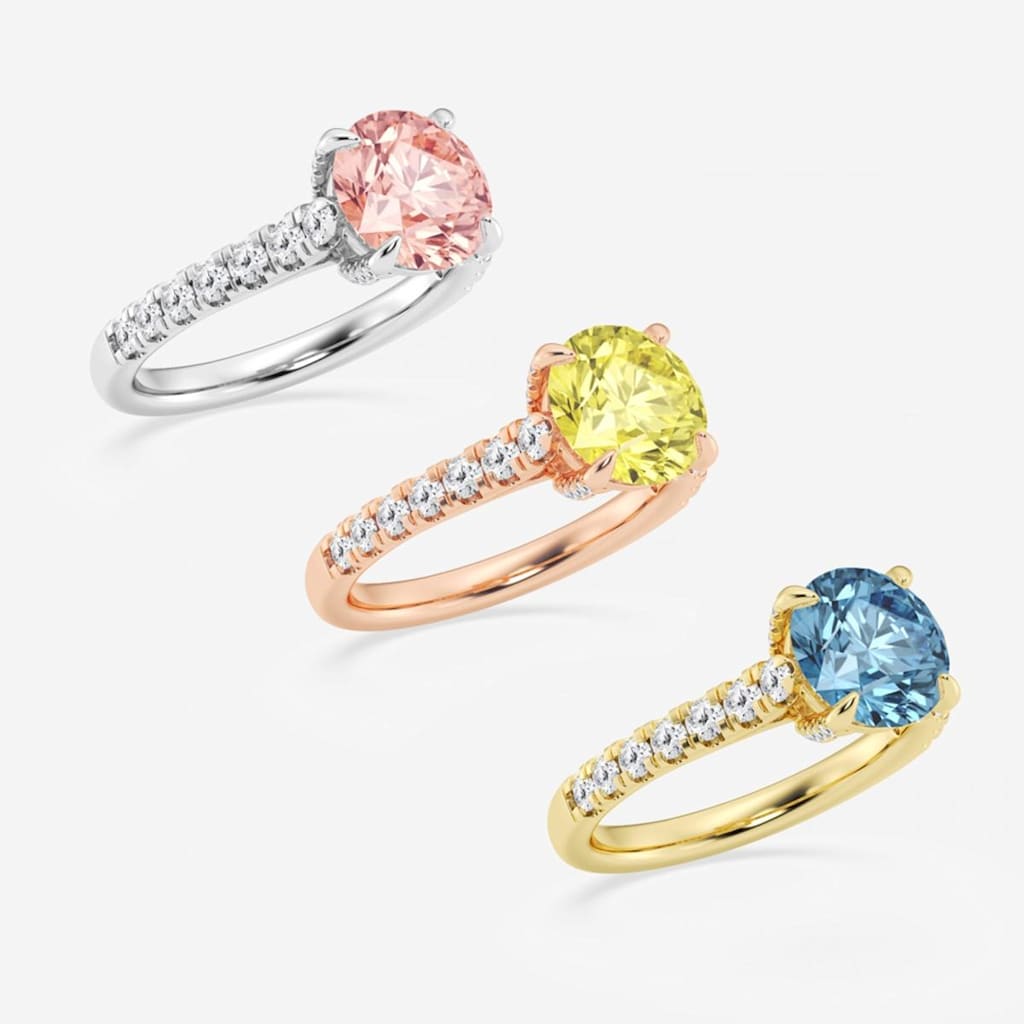
When people think of diamonds, they usually imagine a classic colorless stone with brilliant sparkle. However, the modern jewelry market has expanded far beyond traditional white diamonds. Today, the lab grown diamond industry offers a wide range of stunning colors, from soft pinks and vibrant yellows to deep blues and rare fancy shades.
As colored diamonds become more popular in engagement rings and fine jewelry, many buyers are asking an important question: Which lab-grown diamond colors are actually rare?
While all lab grown diamonds share the same physical and chemical properties as natural diamonds, their colors vary significantly in availability. Some shades are relatively common and easy to produce, while others require more complex conditions and are considered much rarer in the market.
In this guide, we’ll explore how colored lab-grown diamonds are created, what determines their rarity, and which colors are considered the most uncommon today.
II. How Do Lab-Grown Diamonds Get Their Color?
To understand rarity, it’s important to first understand how lab grown diamond colors are formed.
Unlike colorless diamonds, which are grown under controlled conditions to minimize impurities, colored diamonds require specific elements or structural changes during the growth process. These controlled adjustments allow scientists to replicate the natural conditions that create fancy diamond colors in the earth.
1. Colorless Lab-Grown Diamonds
Colorless diamonds are the most common type in the lab-grown market. They are produced by carefully controlling the growth environment to prevent color-causing elements from entering the crystal structure.
These diamonds are typically graded in the D–F range and are valued for their bright, classic appearance and strong brilliance. Because production techniques are highly optimized, colorless stones are widely available and not considered rare.
2. How Colored Lab-Grown Diamonds Are Created
Colored diamonds, on the other hand, require intentional modifications during the growing process.
Different elements and conditions create different colors:
Nitrogen → Yellow diamonds
Nitrogen atoms interact with the crystal structure to produce warm yellow tones.
Boron → Blue diamonds
Boron creates cool blue hues and is more difficult to control consistently.
Structural changes → Pink and red tones
Subtle distortions in the crystal lattice create rare pink and red shades.
These variations make colored lab grown diamond stones significantly more complex to produce, especially when aiming for vivid and consistent saturation.
As a result, not all colors appear in the same quantities, and some remain far more limited in availability than others.
III. What Makes a Diamond Color Rare?
Not all diamond colors are considered rare, even within the lab-grown category. Rarity depends on several key factors that influence both production difficulty and market availability.
1. Difficulty of Production
Some colors are much harder to consistently reproduce in a laboratory setting. For example, achieving a stable and vivid pink or deep blue requires precise control of growth conditions. Even small variations can result in lighter or less desirable tones.
Because of this, certain colors appear less frequently in production outputs, making them relatively rare in the lab grown diamond market.
2. Color Saturation and Intensity
Rarity is also influenced by how intense the color is. Light or faint tones are generally more common, while deeply saturated “fancy vivid” colors are much less frequently produced.
For example, a pale pink diamond is easier to find than a rich, intense vivid pink stone.
3. Market Demand and Selection
Consumer demand also plays a role in perceived rarity. Some colors, such as pink and blue, are highly sought after for engagement rings and luxury jewelry, which can make high-quality examples harder to find in retail markets.
Even if production exists, strong demand can increase the perceived rarity of certain lab grown diamond colors.
4. Stability of Color Results
Another factor is consistency. Some colors are more difficult to produce in stable, repeatable results. If a color is harder to replicate across multiple growth cycles, its overall supply remains limited.
This combination of scientific complexity and market preference is what ultimately defines which lab-grown diamond colors are considered rare.
IV. The Rarest Colors of Lab-Grown Diamonds
Among all color variations available in the lab grown diamond market, some shades are significantly more uncommon due to production complexity, demand, and color stability. While many colors are beautiful, only a few are generally considered relatively rare.
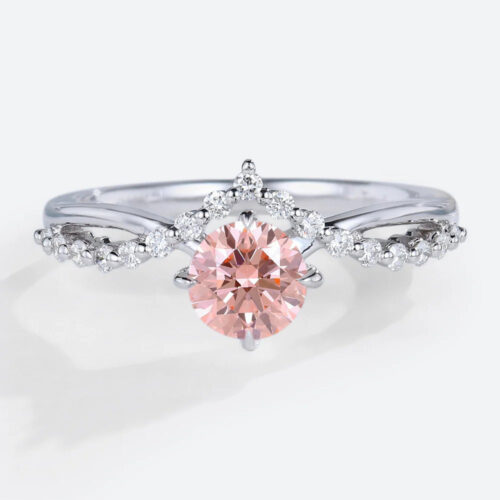
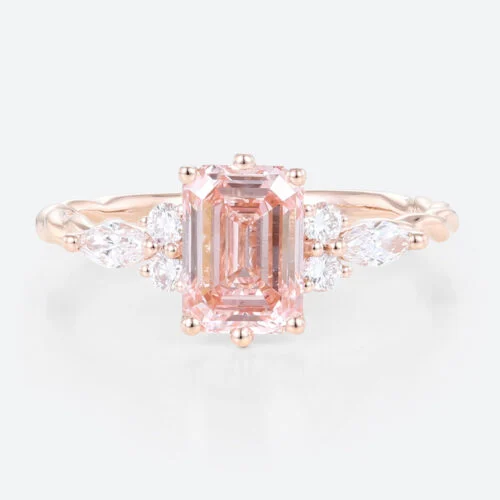
Pink diamonds are widely regarded as one of the most desirable and relatively rare colors in both natural and lab-grown categories. Their soft romantic hue comes from subtle structural distortions in the crystal lattice, which are difficult to control consistently during production.
Because of this complexity, high-quality vivid pink stones are less frequently produced compared to other colors.
Many buyers choose a pink diamond ring for its emotional symbolism, elegant appearance, and timeless romantic appeal. The combination of rarity and beauty makes pink one of the most sought-after options in the colored diamond market.
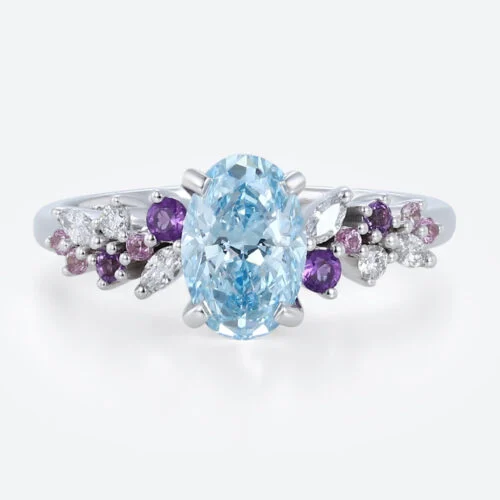
Blue diamonds are another relatively rare category. Their color is created through the presence of boron during the growth process, but achieving a deep, consistent blue tone requires precise control.
Compared to yellow or colorless diamonds, blue stones are produced in smaller quantities, especially in higher saturation levels. This makes them a popular choice for buyers looking for something distinctive and sophisticated.
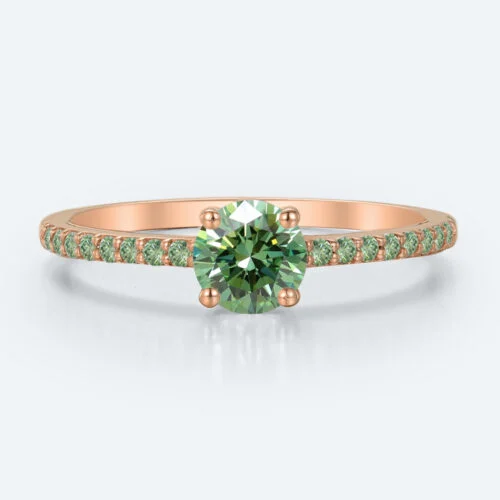
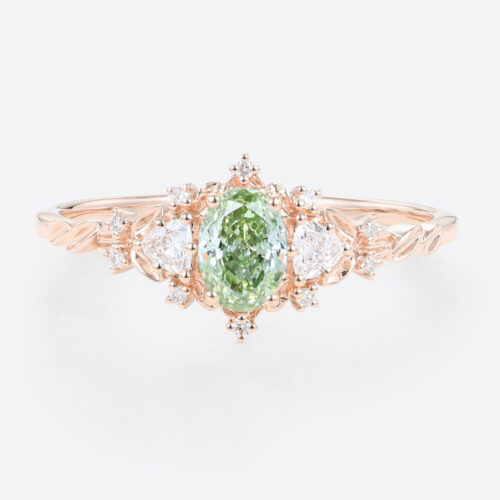
Green diamonds are less common in the lab-grown space because their coloration depends on specific post-growth treatments or unique environmental conditions during formation.
While not as popular as pink or blue diamonds, green stones are still considered relatively rare and are often chosen for their unique, nature-inspired appearance.
4. Orange and Other Fancy Colors
Orange, champagne, and mixed-color diamonds also exist in the lab-grown market, but they are typically produced in smaller volumes and with less consistency.
These colors are often selected by buyers seeking highly personalized or unconventional jewelry designs rather than traditional engagement styles.
V. Are Yellow and Colorless Diamonds Rare?
In contrast, yellow and colorless diamonds are generally not considered rare in the lab-grown market.
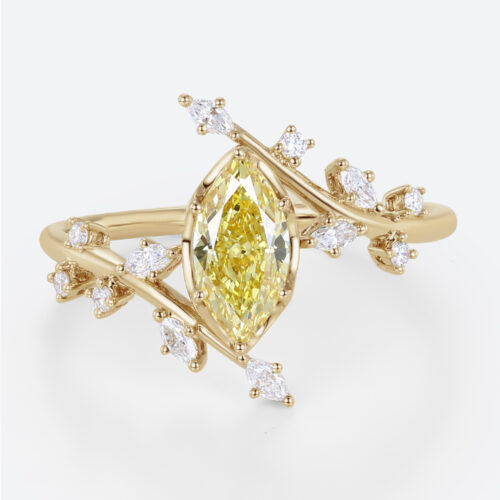
Colorless diamonds are the most commonly produced due to optimized growth techniques and high consumer demand. Similarly, yellow diamonds are relatively easy to create because nitrogen is naturally present and easier to control during production.
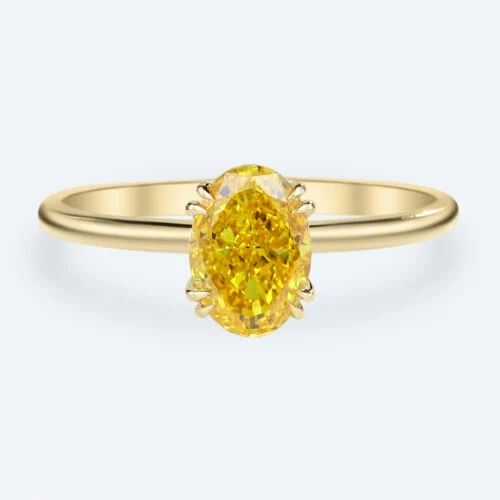
As a result, while both are beautiful and widely used in jewelry, they are more accessible and less rare compared to pink or deep blue varieties.
VI. Does a Rarer Color Mean Higher Value?
Rarity does not always directly translate into higher value in the lab grown diamond market.
Instead, value is influenced by a combination of factors, including:
- Color intensity and saturation
- Cut quality and craftsmanship
- Clarity and overall appearance
- Carat weight
- Market demand for specific colors
For example, a highly saturated pink or blue diamond may be more valuable than a less intense version of a rarer color. At the same time, a well-cut colorless diamond can still be highly desirable despite not being “rare.”
This means that buyers should not rely solely on rarity when making purchasing decisions.
VII. How to Choose a Colored Lab-Grown Diamond
When selecting a colored lab grown diamond, personal preference should always come first. Each color carries its own visual identity and emotional meaning.
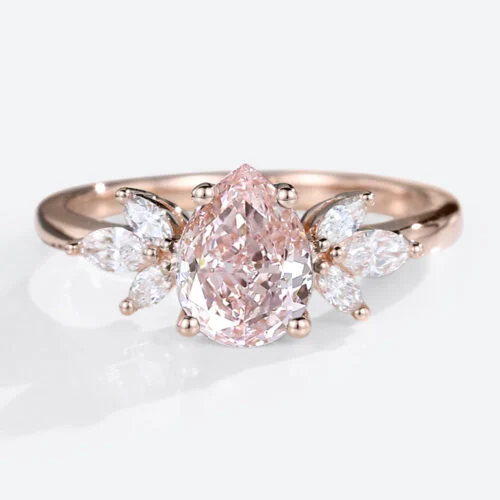
- Pink: Romantic, soft, and feminine
- Blue: Elegant, calm, and sophisticated
- Yellow: Warm, bright, and joyful
- Green: Natural, unique, and expressive
Metal choice also plays an important role in enhancing color appearance:
- Rose gold enhances pink tones
- White gold highlights blue diamonds
- Yellow gold complements warm yellow hues
Beyond rarity, the most important factor is choosing a color that reflects personal style and long-term emotional value.
VIII. Why Colored Lab-Grown Diamonds Are Becoming More Popular
The rising popularity of colored lab grown diamond jewelry is driven by several lifestyle and market trends.
Consumers today are increasingly drawn to:
- Unique and personalized jewelry designs
- Affordable alternatives to natural fancy diamonds
- Ethical and sustainable sourcing
- Bold, expressive engagement ring styles
As a result, colored diamonds are no longer seen as niche products—they are becoming a mainstream choice in modern fine jewelry.
IX. Final Thoughts
While many colors exist in the world of lab grown diamond jewelry, pink and blue diamonds are generally considered the most relatively rare due to their production complexity and strong market demand.
However, rarity is only one part of the story. The true value of a diamond lies in its beauty, emotional meaning, and how well it reflects the wearer’s personality.
Whether choosing a soft pink, deep blue, or classic colorless stone, the best diamond is ultimately the one that feels most personal and meaningful to you.
About the Creator
Enjoyed the story? Support the Creator.
Subscribe for free to receive all their stories in your feed.
Comments
There are no comments for this story
Be the first to respond and start the conversation.