
Where can I buy high-quality afro toupees online for a Natural Look?
Human Hair Afro Perm Wig Toupee Hairpiece for Men

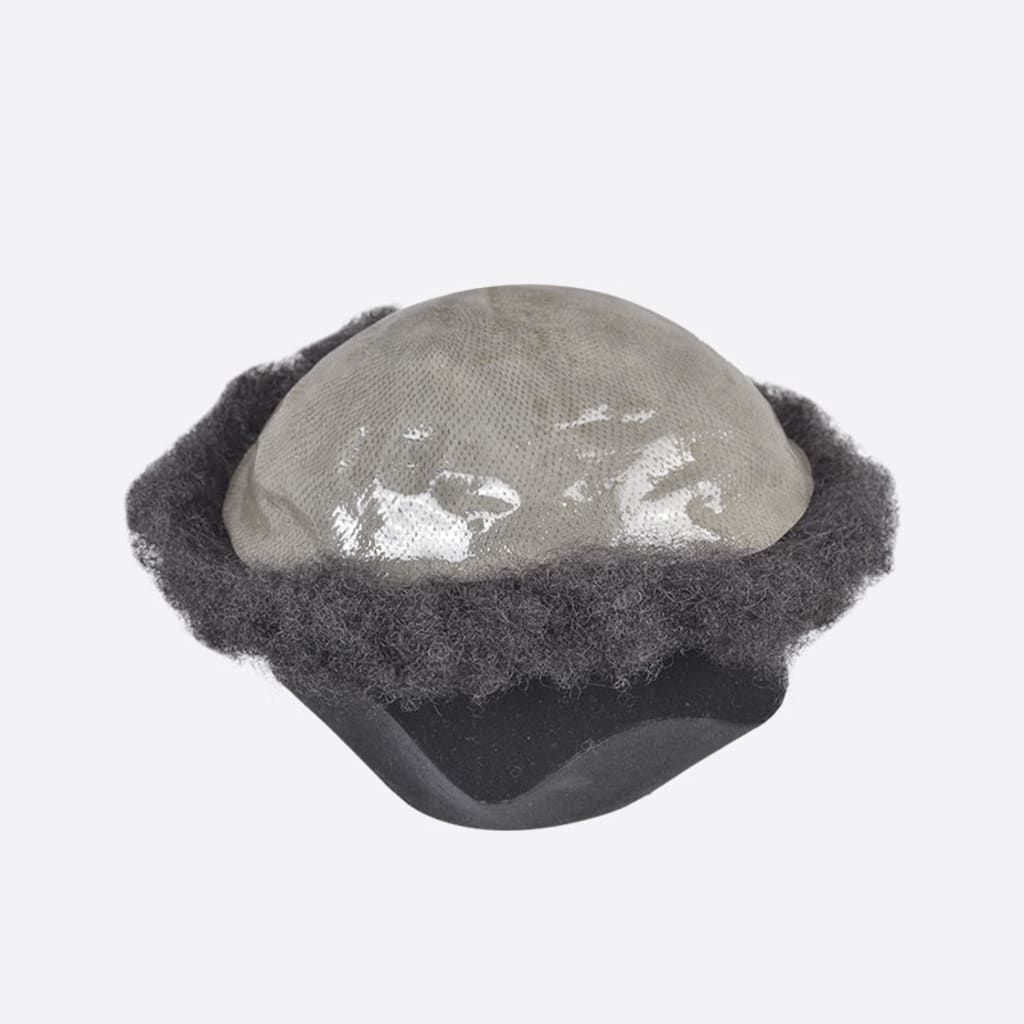
Where can I buy high-quality afro toupees online for a Natural Look?
A great Afro Toupee nails that tight 4C texture, keeps its shape, and blends right into your scalp. The actual goal here is just looking totally natural—no harsh lines, no obvious base, and zero color difference. Pulling off that exact level of realism boils down to a few key build choices, which we'll go over next.
Key Takeaways
- Match exact curl diameters (e.g., 6mm for 4C) and insist on 100% human hair for authentic texture and movement.
- Select poly skin bases for easy cleaning, or Swiss lace for superior breathability and an invisible hairline.
- Choose #1B (Off Black) over Jet Black for a softer, more accurate color match with natural hair.
- Rely on a specialist barber to cut a graduated hairline, ensuring a seamless, undetectable blend.
- Extend your unit's 2-4 month lifespan by moisturizing daily, using wide-tooth combs, and sleeping in a satin bonnet.
The Anatomy of a Natural-Looking Afro Hair System
A real Hair Replacement System for African American clients is built, not just worn. It blends precise curl matching, a natural hairline, and a base that acts exactly like a real scalp when you move or step into the light. That's the difference between a basic wig and something that completely vanishes into your overall look. And it all kicks off with one major detail—getting that curl pattern right.
Understanding the Curl Chart: 6mm vs. 10mm Waves
Curl size actually makes or breaks how real the system looks. A 6MM Wave gives you those tight coils that closely match a 4C Texture, while a 10mm curl comes off a bit looser and more defined. Even being off by just 2 to 4mm can make the hair look slightly strange right next to your natural Afro curl patterns. Simple as that.
Nailing your exact curl diameter keeps the blend flawless around your edges and crown. If the curl sits too loose, people will notice right away. Once you get that sorted out, it all comes down to the foundation actually holding those curls in place.
Why 100% Human Hair is Non-Negotiable for Realism
Using 100% Human Hair gives a Hair Unit its natural bounce and soft touch. It handles sweat, body heat, and brushing just like the hair growing out of your own head. This is an absolute must when you're trying to blend dense Afro textures.
Synthetic strands just sit stiffly in a fixed shape and bounce light in weird ways, so they're super obvious up close. Real human hair skips that whole mess. Plus, you can style it every single day without dealing with that fake plastic stiffness. Once you lock in the correct hair quality, you just need to figure out how to stick it securely to your scalp.
Choosing the Right Base Material for Your Lifestyle
Base materials dictate how your system feels, looks, and holds up day in and day out. Swiss lace gives you great airflow, while poly skin delivers that seamless scalp look. You'll rarely get maximum durability, breathability, and realism all at once. It's always a trade-off. Ask yourself how you actually live: active, low-maintenance, or mostly style-focused? That brings us right to why skin bases are having a major moment.
The Rise of PU Injection and Poly Skin Systems
PU injection basically makes it look like the hair is growing right out of your head. Every single strand gets injected into thin skin or bio skin without any knots. Because of this, the hairline looks completely natural even right up close.
These skin bases are incredibly easy to clean and attach. Sweat and oil wipe right off compared to lace, cutting down your daily maintenance. But they do trap quite a bit of heat, meaning less airflow. And that pushes us to look at lace options.
French vs. Swiss Lace: Which is More Undetectable?
Swiss lace is thinner and blends perfectly into darker skin, so the hairline is much harder to spot. Under good lighting, it practically disappears. That's exactly why it has a reputation for being totally undetectable.
French lace is a bit thicker and lasts longer, but it's slightly more visible. It holds up great to daily wear, especially if you tend to be rough on your system. At the end of the day, these little details really decide what feels premium once you actually start wearing it.
Why Bono Hair is a Leader in Afro Hair Systems
Bono Hair stands out because it actually fixes the two biggest headaches for buyers: realism and consistency. Their Custom hair systems are designed around exact curl patterns, thickness, and head shapes. Need something fast? Their Stock hair systems give you quick access without sacrificing a drop of quality. That kind of balance between precision and speed just isn't common. You end up with a piece that looks right and gets to you on time. The next step is looking at how this realism plays out against different skin tones, starting with the base design.
How Bono Hair Ensures Skin Tone Integration
Bono Hair zeros in on a detail a lot of other brands ignore: how the base actually blends into darker skin. A Natural look is about way more than just the hair texture. It's really about making sure that lace completely vanishes at the hairline.
Their Lace front uses fine, low-visibility material to cut down the contrast against deeper complexions. This means you won't see those obvious edges, even under harsh lighting. It just looks like hair growing right out of your own scalp, instead of a piece sitting on top. Simple.
They also tweak the tint and density so the fade from skin to hair feels smooth rather than harsh. This level of detail makes the whole ordering process much more accurate. And that leads right into the next step: measuring and picking out the perfect system.
The Step-by-Step Guide to Buying Your First Unit
Buying your first unit gets confusing fast. Custom vs. stock, picking the right coverage, avoiding sizing mistakes—it's a lot. The rule is pretty simple. Stock works fine if your balding area matches standard sizes, while custom fits unique shapes and densities much better. Start by locking in your exact coverage area, because every choice you make after this depends on it. And that starts with the most critical part: measurement.
How to Measure Your Balding Area Accurately
Getting an accurate size always comes first. Grab a soft tape and trace your whole thinning area, front to back and side to side. Jot down both numbers in inches. Most stock units stick to fixed sizes. So if you land between two sizes, go slightly larger and trim it down later. Hand-made custom units are a better bet if your shape is uneven or pushes far into the temples.
Check your outline twice in a mirror. Then mark it on some plastic wrap and tape to build a template. Doing this stops you from ordering a unit that's either too small to cover the spot or too large to blend right. Once you lock in the size, the next step is getting the color to totally disappear into your natural hair.
Selecting Your Shade: #1 Jet Black vs. #1B Off Black
A color mismatch is the absolute fastest way to make a unit stand out. Jet Black (#1) gives you a deep, pure black with zero warmth. It looks sharp. But it can also look flat or harsh under bright lights. Off Black (#1B) carries a slight brown undertone. That actually matches out most natural black hair much better.
Always hold a color sample against the sides and back of your head, never the top. Natural hair tends to lighten at the ends, so try to match the mid-lengths. If you're stuck guessing, #1B is usually the safer choice for a seamless blend. Now that your size and shade are set, you've just knocked out the two biggest risks of buying your first unit.
Finding a Specialist Barber for the Perfect Install
A Hair Unit only looks natural if a pro handles the install and cut. Even the perfect size and color will fall flat if it isn't blended right. The trick is matching those high and low-density spots so the unit flows naturally into your actual hair. A specialist barber shapes, trims, and styles everything so you don't end up with that dreaded “helmet” look. That's where the real transformation happens. And it all starts with how they cut the hairline.
The Importance of the "Graduated Hairline" Cut
A graduated hairline keeps the front looking soft and real instead of sharp and fake. Your barber carefully thins out the first few millimeters of the Hair Unit to build an undetectable edge that mimics normal hair growth. This slight taper lets light pass through unevenly—just like the real thing.
Freestyle parting matters a lot, too. A solid cut lets you switch up directions without showing the base or leaving weird, dense patches. Brands like bono hair build these units for flexibility, but the barber is the one who actually brings them to life.
Once you've got that natural look locked in, keeping it fresh at home is your next big challenge.
Maintenance: Keeping Your Afro Texture Soft and Shed-Free
A clean install is only half the job. Daily care keeps your Afro unit soft, glossy, and shedding-free over time. Since Afro textures dry out faster, skipping a routine shows up fast. Think dull curls, tangles, and breakage. The fix is simple but needs consistency. Just use gentle handling, steady moisture, and the right tools. We'll start with how you detangle and hydrate those curls.
Detangling and Moisturizing 4C Hair Systems
A 4C texture in an Afro hair system needs moisture before anything else. Lightly mist it with water, then add a leave-in conditioner to soften the curls before you even touch them. Always rely on a wide-tooth comb or your fingers. Work from the ends and move your way up to cut down on shedding. That's it.
Seal all that moisture in using a light oil. This keeps your curls defined and glossy all day long. At night, grab a satin bonnet to stop friction and dryness. It's a routine that easily keeps the strands soft. Still, its true durability depends on how well your base holds up under regular care.
Durability and Lifespan: What to Expect
A high-quality hair system usually lasts 2 to 4 months with daily wear, though careful users can stretch that a little longer. Real-time inventory really matters here. You want fresh units, not pieces sitting in a warehouse breaking down over time. bono hair keeps their stock moving, so you’re starting with a stronger base right from day one. Still, how long it lasts depends heavily on your lifestyle, which leads us straight to how sweat and activity affect your unit.
How Daily Activity and Sweat Impact Your Unit
Active routines shorten lifespan fast. Sweat eats through adhesives and weakens the base, especially when you're working out or out in the heat. A Poly Skin base handles moisture a lot better and is easier to clean. Monofilament gives you great breathability, but you'll need to be much more careful with your maintenance.
Washing it frequently—about every 7 to 10 days for active users—helps stop buildup. But it also adds extra wear over time. Using strong hold adhesives made for athletes can help balance this out. Nothing stops wear entirely, though. These trade-offs definitely matter when you’re making your final choice.
Where to Buy: Online vs. Local Wholesalers
Online shops usually win on price and speed. You get quick ordering, a bigger selection, and global delivery right from your couch. Local spots give you face-to-face help and same-day pickup, but their stock is often smaller and costs more. Most people just go online for the convenience. Then they lean on reviews to figure out the quality. The tricky part isn't figuring out where to buy—it's finding a seller you can actually trust. That brings us straight to spotting the good vendors.
Identifying Vetted Online Vendors with Fast Shipping
Good vendors show their inventory in real time and give you clear shipping dates. If stock updates seem slow or every single item magically says “always available,” watch out. That's a huge red flag. Trustworthy stores also make returns painless with dead-simple rules. No hidden fees. No waiting weeks for an approval.
Real customer reviews matter way more than whatever the product description claims. Try to find detailed feedback about shipping speed, how long the item actually lasts, and whether customer support was genuinely helpful. For instance, bono hair keeps its inventory moving and policies totally transparent. Once you start filtering sellers like this, picking the best option gets a whole lot easier.
Summary: Restoring Your Confidence with the Right Unit
A good unit does way more than just hide hair loss. It gives you a natural look that actually feels like you again. Picking high-quality pieces from trusted sellers like bono hair means you aren't just guessing in the dark. You're making a smart choice. Taking that guesswork out keeps your everyday style looking sharp and consistent. Now that you have the basics down, a few quick FAQs will clear up the rest of the details.
Frequently Asked Questions About Afro Toupees
Which hair system base material is the most undetectable?
Swiss lace. It completely vanishes against the scalp. Poly skin is easier to clean, but lace gives you that truly invisible hairline.
How do you make a hair unit blend with your natural hair?
Get a specialist barber. You need a graduated hairline cut in. Match the exact curl diameter, like 6mm for 4C hair. Ditch the jet black dye. Go with #1B Off Black for a real match.
How long do high quality toupees last?
2 to 4 months. That is the realistic lifespan. Stretch it by moisturizing daily and sleeping in a satin bonnet. Lace bases will shed faster than poly.
Is human hair or synthetic hair better for a realistic look?
100% human hair. No contest. Synthetics look shiny and fake under harsh sunlight. Real hair moves right and holds that tight 4C texture properly.
Can toupees look natural during exercise?
Yes. You just need the right setup. Use a waterproof acrylic adhesive. Swiss lace bases let the heat out so you don't sweat off the bond. Re-glue every couple of weeks.
About the Creator
Leo
Passionate men's hairstylist with a keen eye for detail and a knack for creating on-trend looks. Dedicated to delivering hair restoration education that enhances individual style.
Enjoyed the story? Support the Creator.
Subscribe for free to receive all their stories in your feed.
Comments
There are no comments for this story
Be the first to respond and start the conversation.