
What should an HRC ask about customer confidentiality before working with a hair system supplier?
What should an HRC ask about customer confidentiality before working with a supplier?

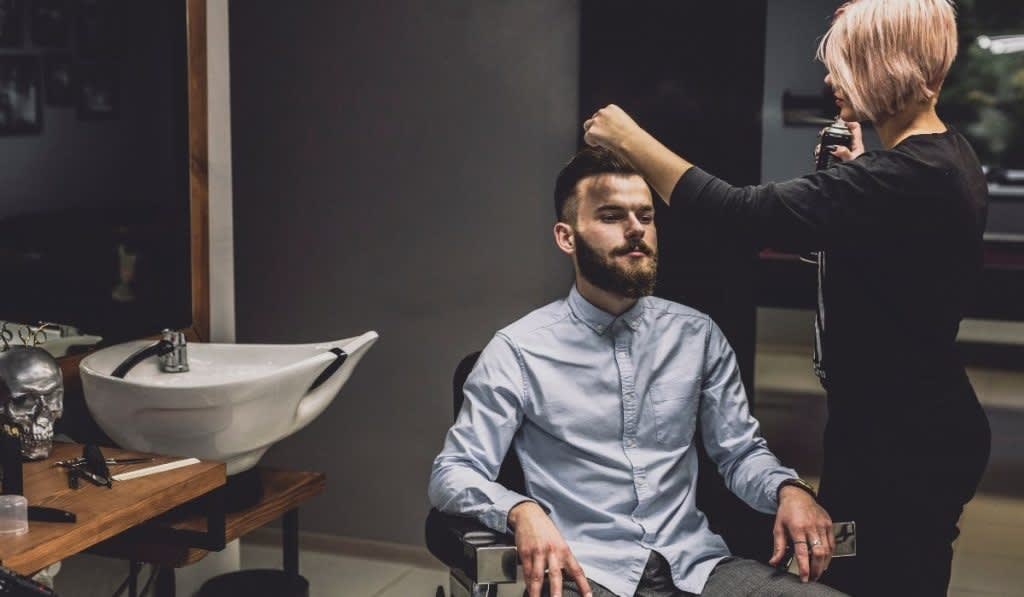
What should an HRC ask about customer confidentiality before working with a hair system supplier?
HRC customer confidentiality actually starts with a supplier's data privacy rules and daily routines, not just some vague promise to stay quiet.
A proper hair system supplier privacy review should look at who gets to see client details, how records are kept, and what happens to the data once an order wraps up. Newtimes Hair treats keeping things private as a normal part of a professional supplier relationship.
Key Takeaways
Written NDAs must cover every employee or subcontractor handling client order data.
Suppliers need only coded order details necessary for production.
Written retention rules must govern molds, scans, plus production photos.
Why Is Client Confidentiality Essential When Sourcing Hair Systems?
Client confidentiality is essential when sourcing hair systems because your supplier handles details your client trusted your clinic to protect. A privacy breach can make the client question both the supplier and your judgment in choosing that supplier.
Your HRC reputation protection depends on checking whether a supplier limits data access, follows clear handling procedures, and removes unneeded order information after fulfillment.
Weak privacy procedures can damage years of relationship-building. Clients rarely separate a supplier's mistake from your clinic; they see one service chain, like a salon client blaming the stylist when a color formula goes wrong.
Newtimes Hair treats Customer Confidentiality as part of professional order handling, not an optional courtesy. Reliable privacy practices help clients return with confidence and give your clinic a stronger base for referrals.
Before sharing client details, have legal counsel review the privacy protections that should govern the supplier relationship.
Questions to Ask About Non-Disclosure Agreements and Legal Commitments
Asking about Non-Disclosure Agreements and legal commitments is a big deal before your clinic sends custom hair system specs to a supplier. An NDA gets confidentiality duties in writing. This way, privacy doesn't just rely on a verbal promise.
Get a clear agreement, a specific business name, and written proof of who gets to see order details. Newtimes Hair treats customer confidentiality as a normal part of handling orders professionally. Just make sure your lawyer reviews the document before you sign anything.
Do Hair System Suppliers Typically Sign Non-Disclosure Agreements?
Many wholesale hair manufacturers will look at a Non-Disclosure Agreement before taking on custom specs. This is especially true when an order identifies a client through measurements, hairline preferences, repeat orders, or clinic records. But if a supplier refuses to talk about confidentiality at all? That's a red flag. You need to look closer.
Don't just assume a willingness to sign means every wholesale hair supplier NDA gives you the same protection. You need to check exactly which legal entity is signing. Find out if their employees and subcontractors have to follow it, and see if the supplier will actually return or delete your shared info when they're done with it.
Always get the signed copy back before handing over identifiable order details. Simple. Newtimes Hair treats customer confidentiality as a standard part of professional order handling. And always have your legal team check if the agreement actually fits your clinic and local laws.
What Clauses Should Be Included in a Wholesale Hair System NDA?
A wholesale hair system confidentiality agreement needs to spell out confidential info in plain English. We're talking about client names or codes, measurements, custom specs, order histories, and clinic pricing. It has to limit the use of that info to just making and shipping your orders. No supplier marketing, no resale, and no unrelated research.
Make sure to add a non-solicitation clause. This stops the manufacturer from reaching out or selling directly to clients your clinic brings in. The agreement should also keep clients anonymous if a name isn't actually needed. Just use an order code instead of a full identity if they can make the product without it.
Set clear rules for access, sharing, and keeping records. List out the allowed staff or service providers, and make them protect the data. Block them from sharing anything without your written approval. Also, state exactly when records must be returned or securely wiped. Your lawyer can tweak the agreement to fit your clinic's local laws and your specific relationship with the supplier.
Questions to Ask About Data Transmission and File Security
Client photos and head measurements can easily identify the person behind a custom order. So, your clinic definitely needs more than just a verbal privacy promise. A supplier's Data Protection Policy has to explain how files move around, who gets to see them, and how they're kept safe after delivery.
Make sure to ask if the supplier uses secure transmission methods and Secure Payment Gateways before you share a single order file. Newtimes Hair actually treats confidentiality as a core part of professional order handling.
Is It Safe to Send Client Photos and Measurements via Messaging Apps?
Standard messaging apps and email might be convenient, but that shouldn't be your clinic's only security check. Only use them if the supplier's Data Protection Policy explicitly approves the channel and breaks down how it protects client photos messaging apps traffic. Facial photos and head scans can expose a client's identity even if their name isn't attached.
Ask the supplier exactly which secure transmission method they prefer. Find out if access is limited strictly to order staff, or if you can send files through a protected portal instead. Treat a custom-order photo just like a medical client record, not some casual chat attachment.
Never send your payment card details in a text or email. No exceptions. Always use Secure Payment Gateways for transactions, and double-check that the payment page actually belongs to the supplier before typing in any financial info.
What Information Should You Avoid Sharing With a Hair System Supplier?
Only share the exact details needed to build the hair system. A supplier might need an internal order code, head measurements, and approved hair specs. But they usually don't need a client's full name, home address, personal phone number, email, social media profiles, or government ID details.
Use a clinic order code instead of the client's actual identity. Keep the master code-to-name record inside your own clinic's system, right where your staff controls who gets access. This keeps the client completely anonymous while still letting the supplier track revisions or repeat orders without a hitch.
Big red flags include a supplier asking for totally unrelated personal details or refusing to explain why they even need a specific file. Newtimes Hair's confidentiality approach should still line up with your clinic's own data procedures, and you can always have legal counsel review any concerns tied to local privacy rules.
Questions to Ask About Custom Template and Physical Mold Retention
Keeping physical molds needs the exact same clear rules as handling photos and measurements. Since a plaster mold easily copies a client's exact head shape, leaving its fate up in the air creates a huge privacy risk. Don't let that happen.
Always ask suppliers for their written rules on returning, keeping, or destroying your private designs. Newtimes Hair should be able to explain all this in plain English before your clinic signs off on a custom order.
What Happens to Custom Plaster Molds After System Fabrication?
Custom plaster molds shouldn't just sit around in a factory after finishing the hair system, at least not without your clinic saying so. Find out if the factory ships the mold back to you, holds onto it for a specific reorder window, or destroys it right after quality checks wrap up.
Get their destruction policy in writing. It needs to name the team in charge, state exactly when destruction happens, and clarify if the factory will actually confirm it's done upon request. If they send the mold back, double-check the shipping method and figure out exactly who at your clinic receives it.
You should also check if the mold gets labeled with a random internal code instead of your client's real name. This keeps your private designs safe. Plus, it lets your own staff decide if a future reorder makes keeping the physical template worthwhile.
How Are Digital Head Scans and Measurements Stored and Purged?
Digital head scans and measurement sheets need a strict time limit for how long they stick around. An open-ended archive is a bad idea. Ask Newtimes Hair how long CAD files, order forms, and scan images stay on their servers after production, after a reorder, and even after your clinic closes its account.
Solid guidelines should explain who actually authorizes deleting these files, if backups follow the same timeline, and what permanent deletion really means in the real world. Your clinic must be able to ask for a complete wipe when files no longer support an active order or an upcoming reorder plan.
A clear Data Protection Policy gives your team a firm timeline, a simple way to request deletion, and written proof once the supplier finishes wiping the data.
Questions to Ask About Image Rights and Marketing Usage
Can a supplier post a factory-floor photo of a custom hair system without your clinic's approval? It shouldn't happen. Client image rights need strict limits. That's true even when a photo just shows a hair system, mold, or production ticket.
Ask for a written data privacy policy that covers photography, storage, access, and deletion. A verbal promise just isn't enough. Not when a custom order can easily reveal your client's identity or your clinic's hard work.
Do You Ever Use Client Production Photos for Promotional Purposes?
Ask this question straight up: "Do you ever use client production photos for promotional purposes?" The answer needs to cover social media, online catalogs, trade-show materials, training decks, and internal sales samples. Client photo privacy can slip away long before an image hits the public eye. This is especially true if a production ticket, template, or handwritten name shows up in the frame.
Ask for a written rule stating that custom-order photos can't be used unless your clinic gives separate approval for that specific image and purpose. The rule should also spell out who can take photos, where they're stored, and who reviews them before they go live.
Newtimes Hair's commitment to confidentiality should be obvious in its daily procedures, not just in broad marketing talk. Ask if they remove or securely delete unapproved production images right after quality control. Clear promotional image rights protect your client. Plus, they keep your clinic in total control of its custom work.
How Do You Guarantee Client Anonymity in Custom Orders?
Client anonymity works best when the factory uses an order code instead of a real name right from the very first production step. Think of the code like a coat-check number. Staff can get the job done without seeing who owns the coat. Simple. Your clinic should keep the link between the order code and the client's actual identity strictly in your own records.
Ask how order code tracking shows up on work tickets, digital files, quality-control records, and reorder histories. A solid procedure limits access to staff who truly need it, and it keeps real names from popping up on factory-floor documents or photos.
You should also ask Newtimes Hair how they handle accidental name exposure, and if they can confirm the client's record is totally separated from the production code. If the answer feels unclear, get your legal counsel to review the supplier's privacy procedures.
Questions to Ask About Blind Shipping and Packaging Discretion
Blind shipping keeps both your clinic's name and the manufacturer's identity off the package your client gets. If you run a hair replacement clinic, this separation protects your client relationships. It also makes your Private Label or White Label fulfillment look totally credible.
Make sure to ask for a written packing procedure. This needs to cover the shipping label, return address, carton, invoice, and packing slip. Newtimes Hair's commitment to confidentiality should mean completely unbranded packaging. No factory logos. No names. And definitely no promotional inserts the client might see.
What Should You Verify Before Orders Ship?
"Can you ship under our clinic name, or with no brand at all?" Start right there. Then, ask to see a sample label and packing list. You'll also want confirmation that any return materials don't give away the manufacturer.
"Can a client contact the factory from anything inside the box?" The answer should always be no. Find out exactly who checks each order before it goes out. Also, check whether these same blind shipping rules apply to reorders.
Packaging controls only work if the factory staff follows them every single day. So, ask how Newtimes Hair limits employee access to client order details and how they reinforce those privacy rules.
Questions to Ask About Staff Training and Data Retention Policies
Staff training is where a written privacy promise either holds up or breaks down. For a clinic, one avoidable call or email from factory staff can expose the client relationship you worked to build.
Ask Newtimes Hair to explain who can view clinic and client order details, what confidentiality training those people receive, and how supervisors check compliance. Clear Supply Chain Transparency means getting direct answers, not a broad assurance.
Questions for the Factory Team
Ask whether account managers are barred from contacting your HRC clients and whether employee access is limited by job role. Confirm how the factory documents training, refreshes it, and handles a reported privacy breach.
Also ask how long factory data retention lasts for order records, shipping addresses, and contact details, plus who can delete or access them. Request the policy in writing, and have legal counsel review terms that affect your clinic. Keep these answers with your sourcing-call checklist.
DOs and DON'Ts for Vetting a Hair System Supplier's Privacy Standards
Privacy standards only matter if a supplier can actually explain how their team handles your clinic and client data. Your checklist needs to test everyday routines. Think access controls, staff training, record retention, and breach reporting.
Get their answers in writing, then compare them to the factory's actual workflow. Newtimes Hair should be able to answer these questions clearly. That helps you figure out if their privacy practices really protect your clinic.
DO: Ask for proof you can keep
Ask for a written policy and a specific contact for reporting concerns. Make sure that only the right staff members can see order details and that their training is strictly documented.
Keep those emails and call notes in your supplier file. And always have your legal counsel review any terms the clinic plans to rely on.
DON'T: Accept broad promises
Watch out for red flags like a privacy promise with no actual policy, fuzzy retention periods, or zero answers about who accesses client data. Just don't send over more information than an order actually needs.
Don't treat a nice logo or a verbal promise as real proof. Ask Newtimes Hair for documented procedures instead. Those records give your clinic a solid benchmark for future checks.
How Newtimes Hair Protects Confidentiality for Hair Replacement Professionals
So, how exactly does Newtimes Hair protect confidentiality for hair replacement professionals? B2B privacy shouldn't just be a bunch of broad promises—it needs to run on real written procedures. Your clinic has to know who gets to look at your order details. You also need to know how they handle contact info, and exactly how long your business records stay sitting in the supplier's system.
Go ahead and ask Newtimes Hair for their current data privacy policy. Get the name of the specific person handling privacy concerns while you're at it. Double-check that access to clinic and client order info is locked down to only the staff who actually need it to process your order. And definitely ask for clear steps on reporting a suspected data issue, too.
Discreet fulfillment is just as big of a deal. Find out how their shipping labels, package markings, and delivery updates keep your clinic's identity safe. Hold onto Newtimes Hair's written answers in your supplier file. After that, just have your legal team look over any terms your clinic plans to use. That's it.
Frequently Asked Questions About Hair Supplier Confidentiality
How do I verify a hair system supplier's privacy policy?
Ask for it in writing. Check access controls, approved file-sharing channels, staff NDAs, photo rules, breach reporting, and deletion of molds, scans, and production photos.
What are the red flags when sharing client data with hair vendors?
No written policy. Vague answers. Requests for names, addresses, or IDs they do not need. Unapproved messaging apps. Factory photos posted without permission. Walk away.
How do hair replacement centers protect client confidentiality?
Use internal order codes, not client names. Share only measurements and approved specs. Require NDAs covering staff and subcontractors, then enforce written retention and secure-deletion rules.
About the Creator
Leo
Passionate men's hairstylist with a keen eye for detail and a knack for creating on-trend looks. Dedicated to delivering hair restoration education that enhances individual style.
Enjoyed the story? Support the Creator.
Subscribe for free to receive all their stories in your feed.
Comments
There are no comments for this story
Be the first to respond and start the conversation.