
What Makes the Best Hair System Brand? A Deep Dive into Quality and Durability
Tips to Choosing the Right Hair System

What Makes the Best Hair System Brand? A Deep Dive into Quality and Durability
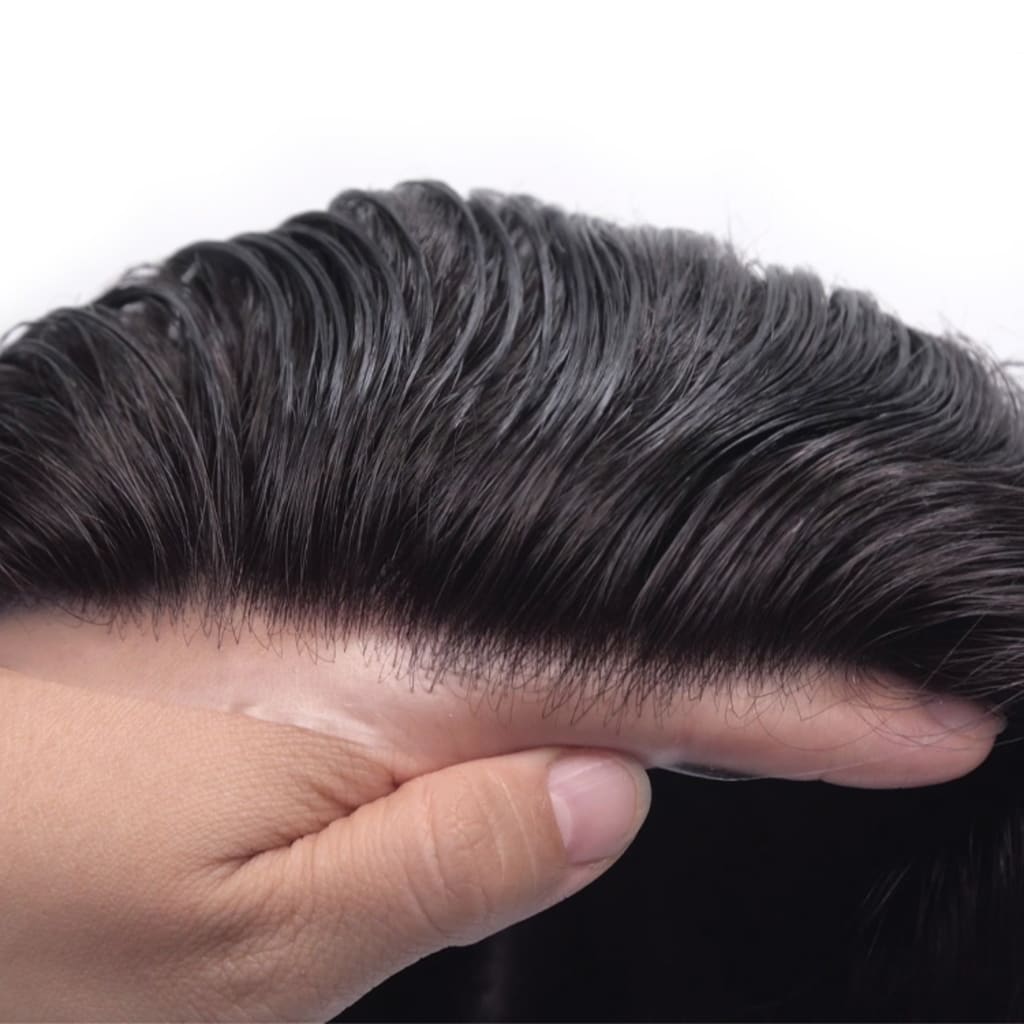
A Hair System is a non-surgical hair replacement made to bring back a natural look without surgery. A best-in-class brand stands out thanks to precise manufacturing, high-grade hair like Remy or Virgin, and a realistic density that blends right in. It's where durability meets results no one can detect. And that sets the stage for the technical markers that actually define premium quality.
Key Takeaways
- Match the base to your lifestyle: choose ultra-thin skin for maximum realism, breathable lace for active routines, or mono bases for long-term durability.
- Prioritize Remy or Virgin hair with intact cuticles to prevent the rapid tangling and dryness caused by heavy chemical processing.
- Inspect the hairline for properly bleached knots to eliminate visible dark dots without causing excessive shedding.
- Choose custom systems over stock units to perfectly tailor the fit, density, and base mix to your specific thinning pattern.
- Avoid hairpieces with perfectly even density or synthetic shine, which often indicate cheap manufacturing and temporary silicone coatings.
The Quality Scorecard: 5 Technical Markers of a Premium Brand
A top-tier system proves its worth through measurable details, not marketing slogans. You just need a simple scorecard. Look at Hair Density (it should match your age and sides), a Natural Hairline (jagged, never perfectly straight), Knotting Technique (fine and consistent), along with cuticle alignment and base build. Brands like Newtimes Hair zero in on these exact specs since they create realism you can't easily spot. Let's start with the most obvious sign—the knot work right at the front.
Assessing Knot Visibility and Bleaching Standards
Bleached Knots actually make the difference between a glaring grid pattern and a truly undetectable hairline. Lightening these tiny knots gets rid of those harsh dark dots where the hair ties into the base. Simple.
Good quality comes down to control. Go too far, and over-bleaching weakens the knots, leading to massive shedding. But under-bleaching? That leaves a visible shadow. You want an even tone across that front inch, paired with tighter, smaller knots right at the edge. Finding that sweet spot points straight to the next major check: how the hair actually behaves and holds up.
Tips to Choosing the Right Hair System
Remy Hair keeps the cuticles pointing perfectly in one direction, heavily cutting down on tangles and daily shedding. Virgin hair takes it a step further. It's completely unprocessed, meaning the strands stay incredibly strong and hold onto dye much better.
Human Hair vs. Synthetic isn't even a fair fight. Synthetics just can't handle heat styling or heavy long-term wear. With intact cuticles, your hair system feels softer and easily survives longer. But here's the thing. That top-grade hair only does its job if the base actually holds it right—which brings up the final piece of our scorecard.
The Durability vs. Realism Paradox
Make the base material thinner, and it looks a lot more natural—but durability and lifespan drop fast. That trade-off is at the core of every custom hair system, even the ones made by specialists like Newtimes Hair. Getting a totally invisible hairline usually means using ultra-fine bases, but those exact designs break down quicker from daily wear. So you're constantly weighing looks against longevity. Simple. You see this clearly when you check out how they build each base, starting with the ultra-thin skin models.
Why Ultra-Thin Skin Systems Trade Lifespan for Realism
Ultra-thin skin base systems use V-looping. This means the hair gets injected and simply folded back without any knots. That's why the hairline stays so incredibly clean. You won't see any dots, and there's no grid pattern.
But that exact setup also weakens the whole structure. Since the membrane is usually less than 0.06 mm thick, constant styling, removing adhesive, and everyday tension will eventually tear it. And once that base stretches out or splits, trying to fix it pretty much won't work.
That's the ultimate trade-off: amazing realism for a shorter lifespan. Lace options go down a completely different path.
Swiss Lace and French Lace: Balancing Breathability and Strength
Swiss lace just feels softer and looks a lot finer, which really helps the front edge look real. Plus, it breathes extremely well. That makes it a great pick if you sweat a lot or live an active lifestyle.
French lace relies on slightly thicker threads. You'll feel a bit more stiffness, but it genuinely holds up better over time. It can also manage frequent cleaning without getting easily damaged.
Both lace choices feature a knotted construction, giving them more overall strength than V-looping. If you need even more toughness, though, there's a heavy-duty base option you should look at next.
How Newtimes Hair Optimizes the Manufacturing Chain
Newtimes Hair uses a Factory Direct setup, meaning production happens under one single roof—from the early base design all the way to final ventilation. This cuts out any middlemen and keeps quality control tight at every single step. Techs can tweak the density, knotting, and base thickness in real time. That way, the finished system perfectly matches the look and durability you actually want. Plus, it cuts down on the handling mistakes that tend to happen during third-party transfers. But the real edge stands out when you look at Custom vs. Stock options.
Custom vs. Stock: The Newtimes Hair Approach to Tailored Solutions
The custom versus stock debate really comes down to fit and realism. Stock units stick to standard sizes, while tailor-made systems map perfectly to your exact head shape, hairline recession, and unique thinning pattern. That extra precision is what helps the front edge lay flat so it looks completely natural, even up close.
Newtimes Hair puts together these custom systems using real measurements and design specs, not guesswork. You're in charge of the density zones, the curl pattern, and the base mix. For example, you can easily combine lace with ultra-thin skin to get solid breathability right alongside a super clean hairline.
All that customization brings up a bigger question, though: where does the hair itself come from, and is the quality actually consistent?
Sourcing Ethics: Where Does the Hair Actually Come From?
Hair origin basically decides how a system looks, feels, and holds up over time. European hair is pretty fine, so it blends right in with lighter tones. Indian hair gives you a nice middle ground between thickness and flexibility. Asian hair is thicker and usually needs a bit more processing to match softer textures. And honestly, that processing step is exactly where quality control counts the most. Brands like Newtimes Hair track sourcing and treatment right in-house. That way, the cuticle stays perfectly aligned and the finish stays natural. The real test always shows up after a few washes, bringing us right to how processing changes your short-term wear.
The Impact of Chemical Processing on 3-Month Longevity
Heavy chemical processing kills longevity fast. Hair that's over-bleached or acid-treated might look incredibly smooth on day one. But after 5–10 washes, it can easily turn dry, tangle up, and lose all its shine. That's just because the cuticle layer gets stripped away or misaligned.
Better quality control stops a lot of this damage. Take Remy hair. Since the cuticles run in one direction, it handles daily maintenance better and keeps a natural flow way longer. Non-Remy hair usually depends on heavy silicone coatings to mask the hidden damage. And those coatings just wash right down the drain within a few weeks.
Keep an eye out for early warning signs like rough texture or sudden shedding. These red flags make it much easier to spot which brands actually stand behind what they sell.
Red Flags Checklist: What to Avoid in a Hair System Brand
A good hair system supplier makes quality easy to see. Bad ones hide their flaws behind heavy filters and vague promises. If a Toupee looks flawless in every picture but doesn't have any close-ups or real-life examples, that's a massive warning sign. Top brands show you the details. You'll see the hairline, the density, and how the piece actually holds up after being worn. Trust your gut on what feels off visually. Those tiny clues usually point to bad durability and a fake look down the road. Start by looking at the most obvious thing: how the hair really looks in the product shots.
Identifying Unnatural Density and Synthetic Shine
Unnatural density is the quickest way to spot a cheap Hairpiece. If the hairline looks super thick and perfectly even from the front edge all the way back to the crown, it just won't look Realistic in your day-to-day life. Real hair always has tiny, uneven gaps and softer blends, especially right at the front.
Synthetic shine gives it right away, too. If the light bounces off the surface like a piece of plastic, the hair was probably over-processed or dipped in a heavy silicone coating. And that fake shine usually washes right out after a few showers. What's left behind? Dry, tangled hair.
Crisp, high-res photos—and even video clips—are pretty much the standard now. This shift totally changes how the best brands use digital tools to prove their quality long before you actually buy anything.
Beyond the Box: Digital Tools and Community Trust
Sure, clear product photos matter. But strong brands go a step further. They use digital tools and real customer reviews to take the guesswork out of buying. Things like AI color matchers, density previews, and photo uploads let you see exactly how a hair system might look on your own scalp. Not just a model's. Brands like Newtimes Hair mix these modern tools with verified user feedback. This lets you see how a piece actually holds up over a few weeks instead of just looking at perfect, day-one results. It's a blend of tech and social proof that builds trust way faster than any polished ad ever could. The next move is finding out how expert support makes choosing even easier.
The Role of Virtual Consultations in Modern Hair Replacement
Virtual consultations take a lot of the risk out of ordering non-surgical hair replacement by bringing expert analysis to the table. A specialist will look over your photos, check your hairline's shape, and suggest the right base type, density, and hair quality—like Remy or Virgin—to fit your daily routine.
And that kind of guidance is a big deal when all the little details start adding up. If you're super active, you'll probably need a breathable lace base. But heavy daily styling means you're going to want stronger knots and better density control.
Once your specs genuinely match your habits, picking the right base becomes a practical choice. It's no longer a gamble.
The Durability Matrix: Choosing by Lifestyle
Your daily routine actually dictates your hair system's lifespan way more than the brand name ever will. Sure, a lace base feels light and breathes well, but it breaks down faster when dealing with sweat and friction. On the flip side, thicker bases last a lot longer. They just trade off a bit of that ultra-realistic look. The smart play is simply matching your base type to your real, everyday life.
If you have an active lifestyle—like hitting the gym four to six times a week or working outside—you absolutely need breathable materials that can take the heat and moisture. Office workers dealing with low physical stress can lean into structure and longer wear times. That’s the real split. Performance versus longevity. Mess this up, and even the most expensive premium hair won't survive. Nail it, and your system does exactly what you need it to do. For the toughest long-term wear, you'll be looking directly at the mono category, which we'll break down next.
Mono Bases: The Gold Standard for Long-Term Durability
A mono hair system is designed purely for longevity. Its tightly woven monofilament structure fights off tearing. This makes it a perfect fit for guys wanting a solid four to six months of life out of their unit, even with consistent daily wear. That's a much better run than you'd get from most lace or ultra-thin skin bases under the exact same conditions.
That extra durability also drives down your total costs over time. You don't have to buy replacements as often. Plus, it handles your daily styling routine much better. This is a huge deal when you're using high-quality Remy or Virgin hair, because top-tier strands really need a stable foundation. The only real trade-off? You lose just a tiny bit of scalp visibility compared to a lace setup.
That tricky balance between looking real and lasting a long time is exactly how you should evaluate any hair system. The absolute "best" choice is simply the one that slots right into your daily routine, not some one-size-fits-all claim.
Frequently Asked Questions About Hair System Quality
Which hair system base material provides the most durability?
Monofilament. It's the toughest base out there. You trade a bit of realism for lifespan, but it handles daily wear like a tank. Lace breathes better, skin looks real, but mono outlasts them all.
How can you tell if a hair replacement system is high quality?
Look at the hairline and knots. Properly bleached knots mean no dark dots on your scalp. The hair must be Remy or Virgin. If it has a synthetic shine or perfectly even density, it's cheap garbage coated in silicone.
What is the average lifespan of a high-quality hairpiece?
3 to 6 months. Ultra-thin skin units might only survive 4 weeks. Thicker mono bases push past half a year. It all comes down to your base material and how hard you sweat.
Are hair systems better than hair transplants?
Yes, for instant results. Transplants take a year to grow, cost thousands, and might fail. Systems give you guaranteed density right now. You just trade surgical risk for monthly maintenance.
About the Creator
Leo
Passionate men's hairstylist with a keen eye for detail and a knack for creating on-trend looks. Dedicated to delivering hair restoration education that enhances individual style.
Enjoyed the story? Support the Creator.
Subscribe for free to receive all their stories in your feed.
Comments
There are no comments for this story
Be the first to respond and start the conversation.