
What is the best option for hair system for gym and heavy sweating?
Best Hair Systems for Gym and Heavy Sweating in 2026
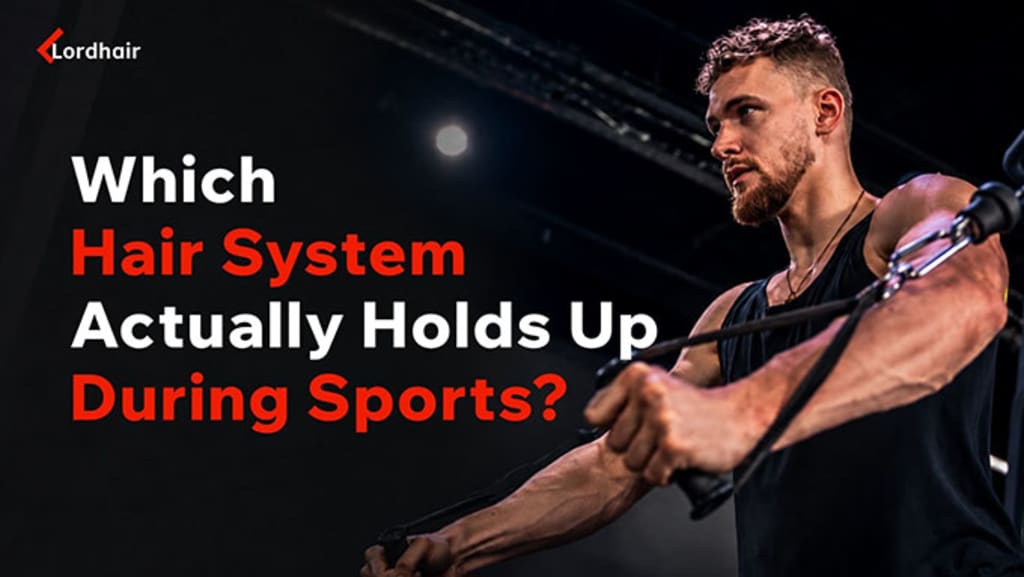
What is the best option for hair system for gym and heavy sweating?
A hair system for heavy sweating needs to stay secure without trapping heat against your scalp. If you're a beginner who trains hard, comfort and breathability matter just as much as a natural fit.
Making the right choice lets you focus on your workout, rather than worrying about shifting, irritation, or too much sweat. That's it.
Key Takeaways
Full lace systems provide the best airflow for heavy sweating.
Fresh adhesive bonds need a full 24 hours before intense exercise.
Loose perimeter edges require securing before you start training.
Confidence in the Gym: Can You Really Exercise with a Hair System?
Yes, you can totally keep working out wearing a Hair System, even during intense training. A secure, properly fitted unit will stay right in place while you run, jump, lift, and move around.
But comfort still matters. Heat and sweat change how your scalp feels when you're working out. Just keep an eye out for any lifting, tightness, or irritation.
Tackling the Fear of Hair System Slippage During HIIT
A nicely secured Hair Unit won't shift around during normal HIIT routines. That bond strength keeps the base locked against your scalp while you sprint, do burpees, jump, or switch directions fast.
Just check the hairline and edges before you start training. If you spot any lifting, take it easy on the intense movements until you get the unit secure again.
How Sweat Interacts with Base Materials and Adhesives
Sweat, heat, and a humid scalp can slowly weaken your adhesive bond over time, especially if sweat pools up near the edges. That doesn't mean your Hair System is going to suddenly fly off during one tough workout, though.
Heavy sweating might also make your scalp feel a bit warmer or slightly uncomfortable. If the bond starts feeling loose or the base bugs you, just fix it up before your next session.
Choosing the Best Hair System Base for Heavy Sweaters
For heavy sweaters, base materials affect your comfort just as much as attachment security. A base that actually lets sweat escape helps cut down on that warm, trapped feeling that makes tough workouts miserable.
Full lace usually gives you the most breathability. Hybrid designs, on the other hand, add reinforced spots. But if you go with a skin (poly) base, you'll need to pay close attention during hot, sweaty training sessions.
Full Lace Systems: The Ultimate Choice for Breathability
Full lace is usually your most breathable option since open spaces run right across the entire base. Heat and sweat easily pass through the lace instead of just sitting under a solid layer. Simple.
Swiss lace is finer. French lace is often the go-to for a tougher base. Both will feel way cooler than a mostly covered system when you're pushing hard at the gym.
Hybrid Bases: Combining Lace Ventilation with Poly Durability
Hybrid bases keep the lace right where airflow matters most and use firmer materials where you need some extra support. Lots of them use a poly perimeter. Others might include a monofilament panel, depending on the exact design.
This kind of setup gives active guys better ventilation than a full skin base, all without making every single edge as delicate as lace. Plus, those reinforced zones can make cleanup a lot easier.
Thin Skin Systems: Why Poly Bases Require Extra Caution in Heat
Thin skin (poly) creates a smooth, solid layer that easily traps heat and sweat right against your scalp. Long, tough workouts might leave your head feeling hot, itchy, or flat-out irritated.
If sweating makes your scalp act up, you need to be careful with a skin base. Persistent irritation? That's your sign to ditch that setup and talk to a doctor.
Base Material Comparison Matrix for Athletes
So, which hair system base actually works best for heavy sweaters? Full lace usually wins on breathability, while hybrid bases offer a solid middle-ground choice.
Base materialBreathabilityDurabilityCleaning easeFull laceHighModerateModerateHybridModerate to highHighModerateSkin (poly)LowHighHigh
Skin bases are definitely the easiest to wipe clean. But honestly, that convenience doesn't make up for the lack of airflow when you're really breaking a sweat.
Athlete-Tested Adhesive Strategies for Maximum Hold
A breathable base still needs a tight bond when you start sweating during a tough workout. For active hair system wearers, the strongest setup usually combines a scalp protector, a waterproof adhesive, and enough curing time before you hit the gym.
The goal here is steady edge hold without blocking the breathable center of your lace system. Simple.
The Essential Role of Scalp Protectors
Think of a scalp protector as a barrier between your natural oils, sweat, and the adhesive. Just put it on clean, dry skin before bonding. This gives your tape or glue a much better surface to grip.
It also cuts down on direct contact between the glue and your scalp. But if your skin gets red, itchy, or painful, take the hair system off right away and stop using that specific adhesive setup.
Waterproof Tapes vs. Liquid Glues: Which Holds Better?
Waterproof hair system tape is usually way easier for beginners to apply and swap out. It gives you a reliable hold around the edges. Still, heavy sweat might weaken things over time.
Liquid waterproof adhesive often gives a closer bond, especially right at the front hairline. It just takes a bit more care to apply. Plus, using too much glue makes cleanup a total pain.
The Perimeter Bonding Technique for Active Wearers
Perimeter bonding means putting the adhesive only around the outer edge, leaving the lace center completely open. This keeps the air flowing while you exercise, rather than trapping sweat under the whole unit.
A strong perimeter keeps things secure exactly where lifting usually starts: the hairline, temples, and the back edge. Just make sure to keep the adhesive out of the hair itself so your hairline stays looking natural.
The 24-Hour Curing Rule: Timing Your Workout After Bonding
Always wait up to 24 hours after a fresh bond before doing a tough workout. Sweat, body heat, and scalp movement can mess with the adhesives if they haven't fully set yet.
Try to plan your bonding around a rest day whenever you can. This timing really needs to be part of your normal routine, especially if you train a few days every week. That's it.
Pre-Workout Preparation: Securing Your System Before You Sweat
Check your hair system before every gym session, especially at the hairline, temples, and back edge. If an edge starts lifting, don't train until you've secured it. Simple.
A dry, tight bond supports comfort and breathability during hard exercise. Plus, it helps keep sweat from working its way under the base.
Using Moisture-Wicking Sweatbands
Wear a soft, moisture-wicking sports sweatband just behind the front hairline, not right over it. This catches forehead sweat without rubbing or pulling on your natural hairline.
Pick a band that sits comfortably without squeezing the hair system. Wash it after each workout so dried sweat doesn't transfer back onto the base.
Protecting Hair Systems During Outdoor Sports and UV Exposure
Cover your hair unit with a breathable cap or visor during outdoor activities in direct sun. UV exposure can dry out the system hair and make its color fade over time.
After outdoor sports, wash away dust, salt, and sunscreen residue from the hair system with a gentle rinse. Just avoid using heavy products near the bonded edges.
Adjusting Bonding Routines for High-Humidity Environments
Hot, humid conditions can make things harder for adhesives because sweat and natural oils build up faster. Start each bond only after your scalp is totally clean and dry.
Bring a clean towel to hot yoga or summer training and pat sweat away from the hairline. Always check the perimeter before you exercise. A loose edge will only get worse once the heat builds.
In-Gym Protocols: Protecting Your Hairpiece During Exercise
Heat, sweat, and constant movement put stress on a hair system. That happens even if the bond felt totally secure before your workout. The goal here is simple. You want to limit friction, keep sweat away from the edges, and avoid trapping extra heat under tight gear.
Comfort matters, too. A breathable setup and a quick check of your edges will let you train without constantly worrying about your hair moving.
Managing Sweat in Weight Training vs. High-Cardio Sessions
Short weightlifting sessions usually don't make you sweat as much as cardio. So, a clean towel and a moisture-wicking sweatband might be all you need. Just remember to pat your forehead instead of aggressively rubbing near the hairline.
Long cardio sessions create a lot more heat and moisture. Take short towel breaks. Keep helmets or caps loose enough so they don't add pressure, and check for lifting if sweat drips down to the perimeter.
Precautions for Contact Sports and High-Impact Movement
Contact sports can easily pull or shift a hair system through grabs, falls, and friction from headgear. Don't rely on just the bond strength alone when doing martial arts, wrestling, or similar high-intensity sports.
Wear properly fitted protective gear when the sport allows it. And always avoid pulling right at the hairline. If your Lordhair system already has some loose edges, skip the high-impact training until you get it secured.
Swimming Precautions: Shielding Hair Systems from Chlorine and Saltwater
Swimming exposes your hair system to chlorine or saltwater. That can dry out the hair and leave a nasty residue near the base. Wet the hair with fresh water first, and wear a snug swim cap when you can.
Try to keep dives, rough water play, and constantly taking your cap on and off to a minimum. Fresh water is always best for water sports. But honestly, any swim session means you need to do a careful perimeter check right after.
The Athlete's Post-Workout Cool-Down and Hygiene Protocol
Sweat left under a hair system can irritate your scalp and weaken the adhesive around the edges. Post-workout hygiene needs to focus on cooling your head, taking off moisture gently, and keeping the base clean without pulling on it.
A breathable Lordhair system helps out a lot during training. But what you do in those first few minutes after a workout is what really protects your comfort and the bond.
The Scalp Temperature Cool-Down Routine
Let your scalp get back to a normal temperature before you touch or wash the hair system. Heat and heavy sweating can make the adhesive soft. So, rubbing, scratching, or lifting the hairline right away might mess up the bond.
Sit in a cool spot and just pat the sweat off your forehead and neck with a clean towel. Simple.
How to Clean Sweat from Under a Hair System
Start by blotting sweat around the hairline, temples, and back of your neck with a soft, clean towel. Don't press hard or drag the towel across the edges, especially if they feel damp.
To keep things clean under a lace or poly system, use a gentle scalp-safe cleanser during your regular wash routine. Rinse thoroughly so sweat, soap, and body oils don't get trapped against your scalp.
Shower Rules: Rinsing Without Breaking the Adhesive Bond
Stick to lukewarm water, not hot water, after an intense workout. Hot water softens the adhesive and makes those already sweaty edges way more likely to lift.
Let water run down over the hair instead of blasting a strong shower stream right at the hairline. Massage the scalp lightly with your fingertips, and then pat the system dry instead of rubbing it.
Preventing Scalp Odor and Bacteria Buildup
A clean, dry scalp is your best defense against bad odors after hitting the gym a lot. Sweat and skin oils can easily build up under the base, especially if the system stays damp after training.
Stick to a regular wash cycle with a mild cleanser, rinse it out fully, and dry both the scalp and base carefully. If you notice stubborn itching, redness, or smells that don't go away after cleaning, take a break from wearing the system until you can check on your scalp and bond.
Gym Bag Essentials for Active Hair System Wearers
Your gym bag needs to handle sweat, heat, and quick cleanups without messing up your bond. Just keep a few gentle tools handy. That way, you'll stay comfortable after a tough workout.
These items help keep your Maintenance Cycle much cleaner between full washes and your next attachment appointment. They're meant for quick touch-ups, not fixing your adhesive.
Scalp Cooling Sprays and Anti-Itch Solutions
A scalp-safe cooling spray helps your head feel way less hot and tight after training. Just spray it around your exposed hairline and neck. Don't put it under any loose edges.
Pick an anti-itch spray made for sensitive Scalp Conditions. Also, using a Scalp Protector might stop sweat from just sitting right against your skin.
Leave-In Conditioners and UV Blockers
A light leave-in conditioner keeps your Hair Unit feeling soft after sweat dries on the fibers. Put a tiny bit on the hair lengths, but avoid the base and attachment area.
A UV blocker also stops the hair from drying out during outdoor workouts. Add both of these products to your normal Maintenance Cycle. Just remember, they don't replace an actual wash.
Microfiber Towels and Gentle Blotting Techniques
A clean microfiber towel wipes away sweat with way less pulling than a standard, rough gym towel. Gently press it along your hairline, temples, and the back of your neck.
Don't rub the Hair System or drag the towel across the base. Simple blotting protects your Hygiene and keeps the Natural Hairline looking neat while it's still damp.
Real-World Athlete Case Studies and Lessons
Regular athletes can totally work out in a Hair System. But every sport puts different kinds of pressure on comfort and attachment. Heavy sweat, heat, and repeated movement take the biggest toll right around the hairline.
These real-world examples show how active wearers can protect their bond strength while keeping things breathable enough for daily training.
Marathon Runner: Managing Continuous Sweat over Extended Hours
Long cardio sessions expose a Hair System to steady sweat for hours, not just a few minutes. Runners need to check their attachment before race day and go with a breathable setup that actually feels comfortable when damp.
When you're done training, just blot sweat from the hairline instead of aggressively rubbing it. Also, planning your washes and maintenance around those long runs can stop a tiny loose edge from turning into a big problem.
Bodybuilder: Handling Heavy Heat and Lifting Pressure
Gym workouts create intense heat and sweat, especially during heavy sets in a crowded room. Bodybuilders need to watch out for pressure from benches, headrests, and rough towels that might tug at the Hair System.
Keep your hairline dry whenever possible, and don't drag a towel across the base. If lifting sessions keep causing discomfort or lifted edges, adjust your attachment routine before hitting the gym for your next hard workout.
Martial Artist: Managing Friction and Contact During Training
Contact sports create a lot of friction at the natural hairline from headgear, grappling, or just rubbing against the mats. Martial artists need an attachment that stays secure without getting uncomfortable as the sweat builds up.
Try not to pull at the hair during drills, and blot the moisture between rounds if you can. Always check the hairline after training. Catching early signs of lifting is way easier to fix than dealing with a visibly loose edge.
Maintenance Schedules: How Daily Exercise Impacts System Lifespan
Daily workouts can shorten a Hair System's Maintenance Cycle. Why? Because sweat, heat, and constant movement put extra stress on the bond and base. Plus, heavy sweating might make your scalp feel a bit uncomfortable between appointments.
Active wearers usually need earlier checks and more frequent cleaning. You'll also need a realistic plan for replacing a Hair Unit over time.
Adjusting Removal and Re-Bonding Frequency for Athletes
If you hit the gym every day and sweat heavily, hair system tape might loosen up faster than it would for someone who isn't as active. Keep an eye out for lifting at the hairline, itchiness, trapped sweat, or a bond that just feels a little loose.
Use those signs to schedule your removal and re-bonding a bit earlier. Don't wait for a loose edge to spread. A shorter Maintenance Cycle goes a long way in keeping your scalp clean and the attachment comfortable while you train.
Balancing Hairpiece Lifespan with an Active Lifestyle
Being super active can reduce a Hair Unit's usable lifespan. Daily sweat, washing, and friction just place a lot more wear and tear on the hair and Base Materials. Breathable bases might feel much better during intense exercise, but they do require more careful handling.
Plan for ongoing maintenance and earlier replacement than a low-activity wearer would need. Regular checks protect your comfort and attachment. Also, setting aside a replacement budget prevents any unexpected expenses down the road. Simple.
Active Lifestyle Solutions with Lordhair Systems
A Lordhair Hair System meant for heavy workouts needs to focus on breathability and a secure, comfortable fit. We don't have specific product details right here, so just ask Lordhair which base options work best for frequent sweating and regular cleaning.
Pick a system that lets heat and sweat escape instead of trapping moisture right against your scalp. Most athletes care a lot about comfort during training. But it's still a good idea to check the base and attachment after a really intense session. Simple as that.
Frequently Asked Questions About Hair Systems and Exercise
How do I stop my hair from getting so sweaty at the gym?
You can't stop sweat completely. Wear a breathable full-lace system and use a sweatband to keep moisture off the edges.
How to manage sweaty hair after gym?
Cool down first. Pat moisture away gently; don't rub or tug at the hairline while the adhesive is still warm.
How to stop excessive sweating in hair?
You can't fully stop it. Reduce heat buildup with full lace, lighter headwear, and regular cleaning.
How to wear your hair if you sweat a lot?
Keep the style loose and breathable. Avoid tight caps or bands that trap heat and grind sweat into the base.
What is the best way to protect a hair system from sweat during exercise?
Use scalp protector, waterproof adhesive, and a clean sweatband. Give a fresh bond a full 24 hours before hard training.
Can you use scalp protectors to reduce sweating under a hairpiece?
No. They don't reduce sweat; they shield the adhesive from sweat and oils. Apply to clean, dry skin before bonding.
How do you clean a hair system after a heavy workout?
Let your scalp cool, then rinse and use a gentle scalp-safe cleanser during your regular wash routine. Dry thoroughly.
How long should I wait to wash my hair system after sweating?
Wait until your scalp returns to normal temperature. Washing immediately while the bond is hot and soft can lift edges.
About the Creator
Leo
Passionate men's hairstylist with a keen eye for detail and a knack for creating on-trend looks. Dedicated to delivering hair restoration education that enhances individual style.
Enjoyed the story? Support the Creator.
Subscribe for free to receive all their stories in your feed.
Comments
There are no comments for this story
Be the first to respond and start the conversation.