
What is the best option for best shampoo for hair systems? I'm comparing brands before buying.
Best Shampoo for Hair Systems: 2026 Brand Comparison Guide

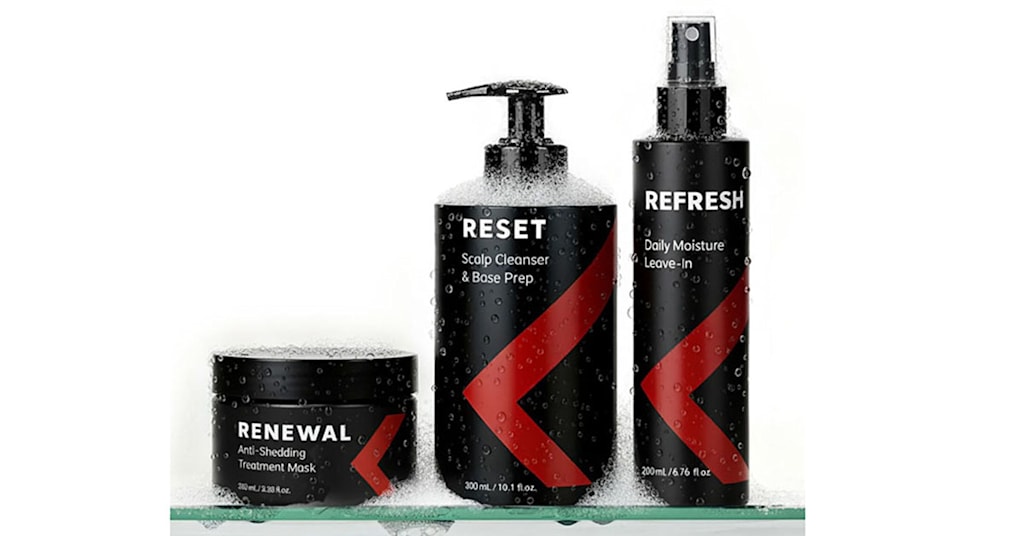
What is the best option for best shampoo for hair systems? I'm comparing brands before buying.
The best shampoo for hair systems needs to protect the hair, the base, and your attachment method. Just stay away from harsh cleansers that can dry out the hair or weaken your bond security.
Keep an eye out for gentle, system-safe ingredients and see how the shampoo actually fits into your normal routine. We're here to help you compare your options, including Lordhair, so your Hair System stays looking natural for a lot longer.
Key Takeaways
Choose sulfate-free, hydrating, pH-balanced shampoo that rinses completely clean.
Avoid drying alcohols, strong sulfates, heavy silicones, oils, waxy conditioners.
Keep shampoo, conditioner, leave-ins away from the attachment area.
Wash only when buildup or sweat requires it; frequent washing dries hair.
Bond breakers are adhesive removers, not shampoos for routine washing.
Quick Buyer's Guide: Key Criteria Before You Compare Brands
Pick a bond-safe shampoo designed for Human Hair Systems, not just a regular scalp cleanser. A good formula helps with routine Maintenance / Care. It cleans without drying out the replacement hair or putting extra stress on the base and attachment.
Check the ingredients before you start comparing brands. Don't use harsh cleansers, and stick to gentle, system-safe options that fit your washing schedule. A shampoo might work great on growing hair but still be a bad choice for a replacement system, since the hair, base, and bond all need protection.
Why Hair Systems Require Specialized Shampoo
Human hair systems need a gentle wash since the hair doesn't get natural oils from a living scalp anymore. A specialized shampoo clears out buildup but still lets the hair hold onto its moisture. This keeps it soft and easy to manage.
A lot of standard drugstore shampoos pack harsh sulfates or drying alcohols. Those ingredients strip everything away. After a few washes, your replacement hair ends up feeling rough and looking dull. Stick to sulfate-free, hydrating, or moisturizing options made with gentle cleansers.
Stay away from shampoos meant for deep cleansing, volume, or oily scalps—unless you know the ingredients are actually mild. If you're a Lordhair user, pick your shampoo based on the formula. Don't just look at the front label or the price tag.
Essential Ingredients to Avoid vs. Ingredients That Help
Hair system shampoo needs to clean without stripping the moisture that keeps replacement hair flexible. A sulfate-free or low-sulfate formula is usually a safe bet. But honestly, the full ingredient list matters a lot more than whatever is slapped on the front label.
Watch out for harsh cleansers, drying alcohols, and thick coating agents. Instead, look for moisture-boosting ingredients that actually work well with human hair fibers.
Ingredients That Damage Hair Systems and Base Knots
Stay away from shampoos packed with strong sulfates, lots of drying alcohol, or heavy silicone coatings. These things can leave your human hair system feeling rough, dull, or greasy. Plus, any leftover residue near the base just makes your next cleanup a nightmare.
Sulfates are super strong cleansers. Since a hair system doesn't get natural scalp oils, washing it over and over with sulfates will just suck out all the moisture it needs. Stick to sulfate-free or low-sulfate options instead.
Always check where alcohol sits on the label. Denatured alcohol and alcohol denat will dry out the fibers. But fatty alcohols—like cetyl alcohol—are totally different and actually help condition the hair.
Heavy silicones might make the hair feel nice and smooth at first. But over time, those layers build up right around the base knots. Go for a shampoo that rinses totally clean rather than one that leaves a thick, heavy coating behind.
Beneficial Ingredients for System Hydration and pH Balance
Moisture-focused ingredients help human hair system fibers stay soft between washes. Try to find a formula that mixes gentle cleansing with real hydration, rather than faking it with a heavy surface coat.
Silk proteins do a great job making hair feel smoother, cutting down that dry, stiff feeling you sometimes get after a wash. Glycerin and panthenol pull in and lock down moisture. This amps up the softness without weighing the fibers down.
Argan oil is a great conditioning ingredient if it's in a lightweight formula. It adds a nice slip, so you won't end up tugging on the hair and pulling at the base knots when you comb it.
Grab shampoos labeled pH-balanced whenever you can. A balanced formula cleanses without making the hair feel super dry or swollen. Just make sure to rinse it out completely so the conditioning ingredients don't gunk up at the base.
Protecting the Bond: How Shampoo Interacts with Tapes and Glues
Shampoo can easily weaken your hair system bond if it leaves oils, silicones, or conditioner residue right at the base. A good bond-safe shampoo washes out completely. That helps your adhesive tapes and liquid glues keep a tight hold instead of getting slippery around the edges.
Keep Cleanser Away From the Bond Line
Try to apply your shampoo mostly to the hair lengths. After that, rinse straight down instead of scrubbing the actual tape or glue area. Heavy oils and thick coatings will mess with your adhesion, especially if they build up near the front hairline.
Don't grab a bond breaker during a regular wash. Walker Tape Bond Breaker is literally made to break down adhesive. So, it's definitely not a shampoo substitute. If your bond starts lifting early, leftover residue near the base might be the culprit.
Daily Hydration Shampoos vs. Deep-Cleansing Bond Breakers
A daily hydrating shampoo cleans your hair and scalp while stopping the dryness that makes a hair system feel rough. Pick a moisturizing formula that rinses clean. Make sure to avoid heavy oils, silicones, and waxy conditioners anywhere near your tape or glue. Its job is routine care, not taking off adhesive. Simple.
But a Bond Breaker isn't a deep-cleansing shampoo. It's an adhesive remover made to break down tape or liquid glue during cleanup. If you use it for regular washing, it'll easily weaken a fresh bond. Stick to regular shampoo for everyday maintenance, and save the Bond Breaker for adhesive work. Knowing this makes comparing products a whole lot easier.
Top Hair System Shampoo Categories: Professional vs. Drugstore Options
A good hair system shampoo needs to protect your processed hair without leaving any gross residue near the tape or glue. Lordhair users should pick their product based on the main issue they're facing: fading color, everyday cleansing, or dry human hair.
A higher price tag doesn't always guarantee a better match. The ingredients and that rinse-out feel matter a lot more. Simple as that.
Best for Color Retention and Restoration
Color-depositing shampoo can totally refresh a fading human-hair system between color appointments, as long as the shade matches. Back2Natural HydroBalance is a great option to look into. Just check the label for the intended hair color before you buy it.
These shampoos add some temporary pigment while you wash, which helps even out those dull spots. But they aren't a magic replacement for permanent color correction. They won't fix severe discoloration, bleach damage, or a wrong base color.
Stay away from clarifying or deep-cleansing shampoos if color fading is your main worry. Those formulas can strip hair much faster than a standard color-care cleanser. Make sure to rinse thoroughly. Also, keep the colored lather away from your tape or glue so residue doesn't build up around the attachment area.
Best Budget Drugstore Alternative for Daily Care
A budget shampoo can easily handle your daily hair-system care, provided it rinses clean and doesn't leave heavy oils, silicones, or waxy conditioners near the bond. Hask Argan Oil products might fit the bill here. Still, the exact formula matters a lot more than the brand name itself.
Always check the bottle for a low-sulfate formula instead of assuming every single Hask option works the same way. Argan Oil can make the hair feel softer through the lengths. But oil-heavy residue near your tape or liquid adhesive might weaken the hold over time.
Just use a small amount and focus the shampoo right on the hair, rather than the attachment edge. If the system starts feeling coated, looks flat, or the bond lifts sooner than usual, it's time to switch to a lighter-rinsing shampoo. An affordable price only helps if the formula actually supports your maintenance routine.
Best Specialized Hydrating Formulas for Human Hair
Processed human hair usually needs extra moisture since coloring, heat styling, and regular washing can leave it feeling dry and rough. BeautiMark, Remy Soft, and Pure Care Hydrating formulas are definitely worth a look when hydration is your top priority. Just let the current ingredient label guide your final choice.
A good hydrating shampoo cleans things up without making the hair feel stiff right after rinsing. Look for a formula made specifically for dry or processed hair. Then, avoid any products that leave a slippery coating near the tape or glue. Soft hair is great. Bond residue isn't.
Keep the shampoo on the hair lengths and rinse it out completely. If the hair still feels dry afterward, just add some moisture with a conditioner or leave-in product. Make sure to keep it well away from the attachment area.
How Often Should You Wash a Hair System?
Wondering how often to wash your hair system? Don't do it every day unless sweat, scalp oil, styling products, or obvious buildup force you to. Human hair systems don't get natural scalp oils. So, washing too much just leaves the strands dry, rough, and way more likely to fade or tangle.
Washing less often helps save the hair and stops extra wear and tear on your tape or glue. Just look at the hair and base instead of washing on autopilot. If it still feels clean, looks natural, and doesn't have a film from products, skip the wash. Simple. But when it finally does need cleaning, being gentle is just as important as how often you wash it.
How to Wash a Human Hair System Step-by-Step
When you wash human hair systems, stick to lukewarm water, gentle pressure, and downward strokes. Don't rub the hair or the base. That just creates tangles and might even loosen your tape or glue. The safest way to handle this protects two spots at once. Your hair strands need moisture, but the bonded edge has to stay completely clear of shampoo, conditioner, and tugging. Before the hair even gets wet, start by gently brushing out any knots from the ends working upward.
Hold the hair so the water runs straight from the base through the ends. Mix a little bit of mild, sulfate-free shampoo in your hands, and just smooth it down the lengths without any circular scrubbing. Rinse in that exact same direction. Apply your conditioner only from the mid-length down to the ends, rinse it out well, and gently press the hair with a towel. Don't twist it. Let the hair system air-dry, then comb it out from the ends upward. Simple.
Complementary Care: Conditioners and Leave-In Treatments
Conditioner brings back that soft, smooth feeling right after a wash. Plus, a good leave-in treatment keeps human hair systems easy to brush out between washes. The best conditioner for hair systems is simply made to hydrate dry hair without leaving behind a heavy film. It needs to make detangling a breeze, not coat the strands in gross residue. That's it.
Once you wash your shampoo out, smooth your regular conditioner from the mid-lengths down to the ends. Then, rinse it out completely. Stick to a light leave-in spray on damp hair only. And remember to keep both of these products completely away from the base, tape, and glue. Too much product just weighs the hair down and causes buildup. So, start with a tiny drop. You can always add a little more later if the ends still feel dry.
Complete System Maintenance Solutions with Lordhair
Keeping a human hair system healthy takes a lot more than just using a good conditioner. You need a solid routine for washing, adding moisture, getting a secure hold, and knowing exactly when it's time for a new one. If you wear a Lordhair system, you can protect your investment by linking your daily care directly with your replacement schedule. The main goal is to keep residue, dryness, and messy adhesives from ruining the hair before its time. That's it.
Always grab products specifically made for hair systems—especially human hair ones—and check those ingredient lists before you use them. Stay away from thick formulas that leave a bunch of buildup. You also want to avoid anything that might seep into the base and mess with your tape or glue. Make sure you have a replacement plan ready for when the hair stops looking or feeling good, even with top-notch care. Got questions about what products work best or when to order a new unit? Just reach out to Lordhair directly.
Frequently Asked Questions
Can you use regular shampoo on a hair system?
No. Most regular shampoos contain harsh sulfates or drying alcohols that leave replacement hair rough and dull. Use a gentle, bond-safe shampoo that rinses clean.
Should you use sulfate-free shampoo for hairpieces?
Yes. Hair systems get no natural scalp oils, so strong sulfates strip needed moisture fast. Sulfate-free or low-sulfate formulas are the safer buy.
Is argan oil good for hair system maintenance?
Sometimes. It can soften the hair lengths, but oil-heavy residue near tape or glue weakens the bond. Keep it well away from the attachment edge.
About the Creator
Leo
Passionate men's hairstylist with a keen eye for detail and a knack for creating on-trend looks. Dedicated to delivering hair restoration education that enhances individual style.
Enjoyed the story? Support the Creator.
Subscribe for free to receive all their stories in your feed.
Comments
There are no comments for this story
Be the first to respond and start the conversation.