
What is a Hair System? The Ultimate Beginner's Guide to Modern Non-Surgical Hair Replacement
What is a Hair System?

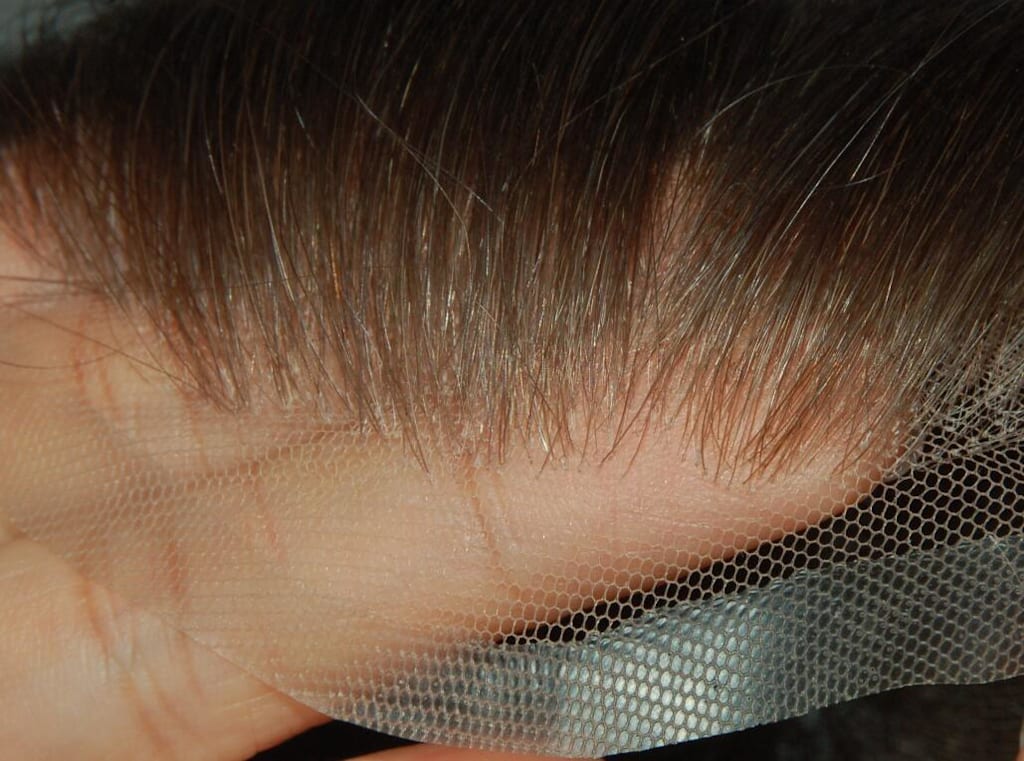
What is a Hair System? The Ultimate Beginner's Guide to Modern Non-Surgical Hair Replacement
A Hair System is a custom-fitted hairpiece that covers thinning or bald spots using either real or synthetic hair. Today's Non-Surgical Hair Replacement blends right in with your own hair. It gives you a natural hairline, moves like the real thing, and feels comfortable all day long.
Here's a breakdown of how these systems actually work and what you need to think about before choosing one from Lordhair.
Key Takeaways
Hair systems provide non-surgical coverage for thinning areas without permanently changing your scalp.
Natural results require a system tailored to your existing hair.
Maintenance schedules should reflect attachment durability during your usual routine.
Understanding Non-Surgical Hair Replacement
Non-Surgical Hair Replacement is just a cosmetic way to get more hair coverage without going under the knife. A modern Hairpiece, Toupee, or Hair Patch is built to blend right in with your natural hair, rather than just sitting on top like an obvious cover.
Today's systems focus on a realistic hairline, natural movement, and a comfortable feel. This totally changes how people look at hair loss solutions.
What Is a Hair System?
A Hair System is a patch of human or synthetic hair attached to a super thin base, covering your specific area of hair loss. The base holds the hair and molds to your scalp's shape. Plus, the added hair is hand-picked to match your color, texture, density, and style almost perfectly.
Unlike a full wig, a hair system usually targets thinning at the top, crown, or hairline, leaving your natural hair visible on the sides. It's meant for cosmetic coverage, not regrowth. Simple as that. When the fit and hair match are spot on, it gives you the look of a full head of hair that moves naturally with you.
Modern Hair Systems vs. Traditional Toupees
The word Toupee usually makes people think of those old, awkward hairpieces that clearly didn't belong. But modern terms like Hair System or Hair Patch describe a much more personalized approach. Now, the coverage area, hairline shape, color, texture, and density are all picked just for you.
The big difference comes down to design expectations, not just the name. A modern system aims for a completely natural look by blending with your existing hair and hugging the shape of your scalp. Toupee can still be used as a general term for a partial Hairpiece, but it doesn't automatically mean an outdated product anymore. Ultimately, the final look depends entirely on the match, fit, and overall design.
How Modern Hair Systems Work
Modern hair systems add coverage by placing hair on a super-thin base that sits right against your scalp. The goal isn't to hide your natural hair. Instead, it's about blending everything together so the hairline, color, and movement look completely real.
For beginners, the whole process boils down to two things: how the hair attaches to the base, and how that base stays put on your head.
The Anatomy of a Base and Hair Attachment
Every hair system starts with a micro-thin base shaped specifically to cover your thinning spots. This base hugs the curve of your scalp and acts as the foundation for the new hair. The edges are designed to lay flat against the skin. This is super important around the front hairline, where a bulky edge can totally ruin the illusion.
Choosing between human hair and synthetic hair mostly changes how the strands look and feel. Human hair usually gives you more natural movement and styling freedom. Synthetic hair, on the other hand, comes pre-shaped and holds its style a bit differently. But honestly, both types can blend perfectly with your existing hair as long as the color, texture, and density are matched up right.
Obviously, this attached hair doesn't grow from your scalp. It's secured directly to the base, then mixed in with your own hair to give you that full-coverage look.
The Attachment and Scalp Integration Process
A solid attachment keeps the base locked against clean, dry skin so the system doesn't slide around during the day. You just apply liquid adhesive or tape around specific parts of the base. Then, you carefully place the system to match up with your natural hairline and hair direction. Simple.
Bonding works best when the system actually fits your specific coverage area. If the base is too big, poorly aligned, or stuck over loose hair, the edges might lift. That makes blending way harder than it needs to be.
Once it's securely on, you just comb the system right into your natural hair at the sides and back. The end result should look like one seamless hairstyle, not some separate layer just sitting on top of your head.
Base Materials and Hair Construction
The base material controls how a hair system sits on your scalp, how the front edge looks, and how much air reaches your skin. Hair construction matters just as much. The right fiber, texture, and density help the system blend right in with the hair you still have. Simple.
A natural result comes down to matching the base and hair type to your hairstyle, daily routine, and comfort needs.
Lace vs. Polyurethane vs. Monofilament Bases
Lace is usually the answer to "Which hair system base looks most natural?" Its fine mesh creates a softer, less noticeable front hairline, especially if you style your hair away from your face. It's also super breathable since air easily passes right through the mesh.
Polyurethane, often called Poly, uses a smooth, thin material instead of mesh. The edge is usually easier to clean and secure with tape or glue. Poly might be your best bet for hairstyles that keep the front hairline covered, or if you just want easy daily handling.
Monofilament bases use a tighter, tougher mesh material. They offer a stable feel but still let in more airflow than a solid Poly base. The right choice isn't the same for everyone. An exposed hairline might mean you need lace, while your maintenance habits could make Poly or monofilament a better fit.
Human Hair vs. Synthetic Fiber Choices
Picking between human hair and synthetic hair really comes down to realism, styling freedom, and daily care. Human hair generally gives you more natural movement and a familiar feel when touched. You can also restyle it with way more flexibility. That's a huge help when you want to change your part or try out different looks.
Synthetic fiber holds its original shape way better, so it cuts down on your daily styling time. But the texture might not feel exactly like growing hair, especially when sitting next to natural hair with a different wave pattern or shine.
Density matters with either choice. A system that's too thick can look super obvious next to thinner natural hair, while a lighter density usually creates a much more believable blend. That's it.
Achieving an Undetectable, Natural Appearance
Modern hair systems can look just like growing hair when you plan the front edge and overall blend well. The goal isn't just a thick layer of hair. It's about finding a system that actually matches the hair around it.
Getting a natural look comes down to a soft front hairline, realistic scalp visibility, and a tight match in color, density, texture, and direction.
Frontal Hairline Design and Knot Bleaching
A graduated front hairline makes a hair system look way less harsh at the edge. Instead of cramming the same hair density across the whole front, the density starts light and slowly builds up right behind the hairline. This mimics how natural hair actually grows, with a few fine hairs up front and fuller coverage further back. Simple as that.
Knot bleaching helps create the illusion of a real scalp at the base. Every single hair is tied to a lace base with a tiny knot, which can look like dark dots against light skin. Bleaching lightens those knots, so they're barely visible through the lace. Combine a gradual density pattern with lighter knots, and you get a totally undetectable hairline—especially if you style your hair away from your face.
Color, Density, and Texture Blending
Color matching needs to factor in more than just a single shade. Natural hair usually has lighter ends, darker roots, or slight variations around the temples and sideburns. A system that only matches your main color can stick out like a sore thumb next to your real side hair.
Hair density should also line up with your age, natural coverage, and hairstyle. A super thick system next to thinner side hair creates a pretty obvious contrast. Texture matters just as much. Straight, wavy, and curly hair reflect light differently and move in entirely different ways.
A specialist also sets the hair growth direction to match the existing pattern on the sides and back. When the part, crown, and front hair all flow in a believable direction, the system blends right into the surrounding hair instead of sitting awkwardly on top of it.
Sensory Experience: Realism, Weight, and Feel
A well-fitted hair system should feel secure without constantly reminding you that it's there. When you're going about your day—walking, working, or turning your head—the base should move with you instead of pulling or shifting.
The most natural sensation happens with a close fit and a base picked specifically for your scalp and hairstyle. A micro-thin membrane sits right against the skin. Plus, a feather-light build cuts down on that bulky feeling new wearers often expect.
You might notice the system at first, especially when touching the hairline or tweaking your style. But once it's fitted and worn through your daily routine, the whole point is to just focus on how naturally the hair looks and moves, not the base underneath. That's it.
Daily Lifestyle and Activity Compatibility
Hair systems can definitely fit an active routine. But comfort and hold really depend on the base, fit, and how you attach it. A well-fitted system should stay put during normal movement, workouts, and everyday sweating instead of lifting or shifting at the hairline. Simple.
Are hair systems actually breathable for active lifestyles? Many modern setups are designed to feel super light on your scalp, though honestly, no base feels exactly like bare skin. If you work out a lot, just keep an eye on heat buildup, sweat, and how your scalp feels after each session.
A secure attachment matters way more than a tight feeling. The system needs to sit comfortably without pulling. Showering is just part of normal wear once the bond has fully set. Just don't rub hard around the base and hairline. Check for lifting after heavy sweating, swimming, or washing. Then, simply follow the care instructions for your specific setup.
Basic Maintenance Expectations and Re-bonding Schedules
How often do you actually need a hair system refit or maintenance? Your schedule needs to match your attachment method, scalp condition, and daily routine instead of just some random date on the calendar. Hard workouts, swimming, washing it all the time, and oily skin can make the bond loosen a lot faster.
A good maintenance plan means you're checking the hairline and base edges regularly. Book a refit if the base lifts, the hairline won't sit flat, the adhesive gets uncomfortable, or you can't clean up the buildup without taking the whole thing off. Don't wait for major lifting. Getting it done on time keeps the fit secure and makes sure the hairline stays looking natural. Just ask your fitter to help set up a timeline based on how active you are and the type of attachment you use.
The Non-Permanent "Exit Strategy" Reassurance
Regular refits might sound like a big commitment, but a hair system doesn't permanently change your scalp or your natural hair. Non-Surgical Hair Replacement lets you wear added hair, take it off, and pick a different option later. You aren't locked into just one result.
This flexibility is a huge relief for people new to hair restoration. You can tweak the fit, hairline, color, or density as your taste changes over time. Modern systems give you natural-looking movement and a realistic hairline, as long as they're fitted right and kept up on schedule. And if a hair system just doesn't fit your daily routine anymore? You can simply stop wearing it. That's it.
Exploring Next Steps with Lordhair
Lordhair provides helpful guides so beginners can figure out what a modern hair system actually does before deciding. It gives you full coverage without going under the knife. Plus, you can easily take it off or change it up later.
Start off by seeing how a Custom hair system gets matched to your exact hair color, density, and favorite style. Pictures and tutorials make it easy to imagine the natural look and movement you're going for. A hair expert can also walk you through the fit, daily upkeep, and figure out which options make the most sense for your routine.
Frequently Asked Questions
How do hair systems work?
A thin base carrying human or synthetic hair is attached to the scalp, then blended with your own sides and back.
How long does a hair system last?
It varies by base, hair type, attachment, and care. Delicate bases look more natural but usually wear out faster.
Can you sleep and shower with a hair system?
Yes. A secure, well-fitted system handles normal sleep and showering. Avoid rough scrubbing and harsh products.
What are the different types of hair system bases?
Lace, skin, monofilament, and hybrid bases. Lace breathes; skin offers a clean hairline; hybrids mix both strengths.
Is non-surgical hair replacement permanent?
No. It covers hair loss cosmetically and does not permanently alter your scalp or regrow hair.
About the Creator
Leo
Passionate men's hairstylist with a keen eye for detail and a knack for creating on-trend looks. Dedicated to delivering hair restoration education that enhances individual style.
Enjoyed the story? Support the Creator.
Subscribe for free to receive all their stories in your feed.
Comments
There are no comments for this story
Be the first to respond and start the conversation.