
What is a Hair Patch? A Comprehensive Guide for Beginners
What is a Hair Patch? A Beginner's Guide

What is a Hair Patch? A Comprehensive Guide for Beginners
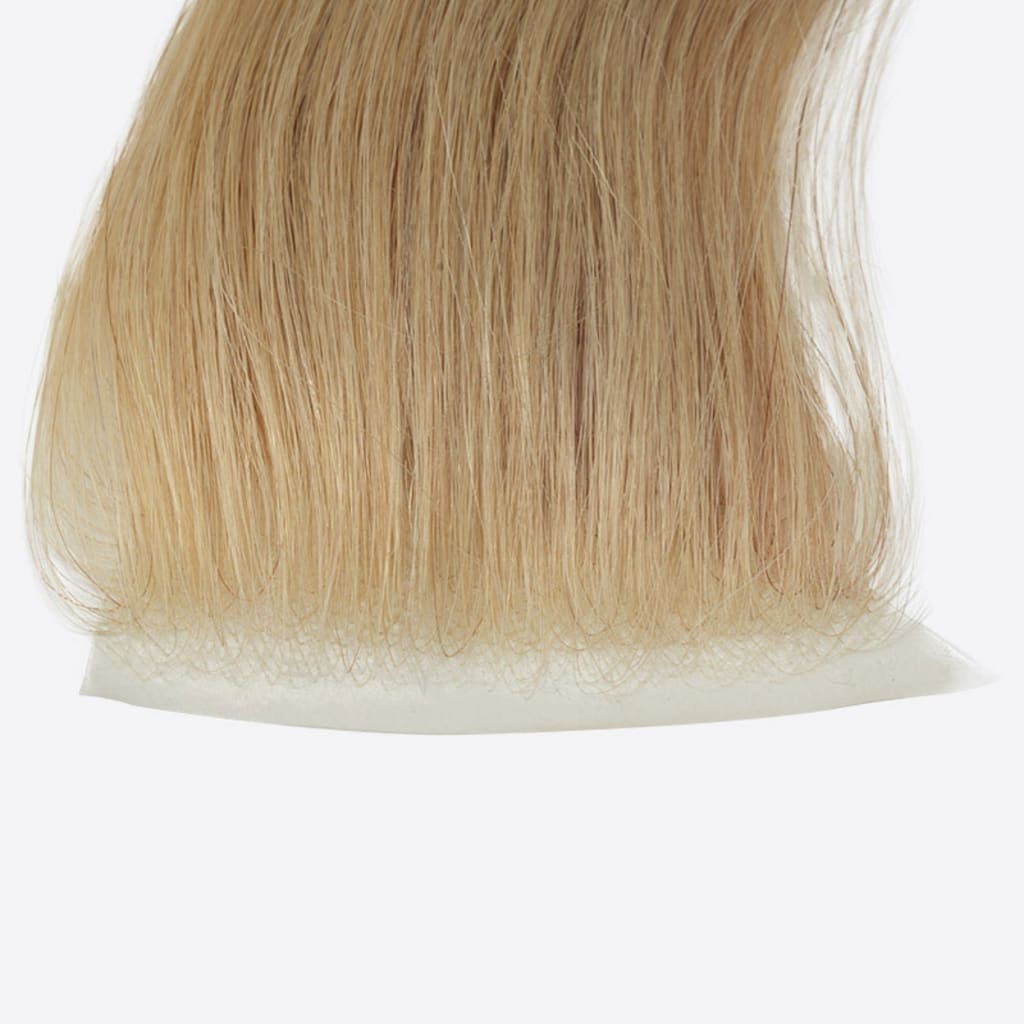
A hair patch is a non-surgical hair replacement made to cover up thinning or bald spots using a natural-looking layer of hair. It brings back a fuller look and usually boosts your confidence right away. Today's systems feel incredibly light and stay completely secure. But they're definitely not the same as those old-school toupees—here's how the newest options have actually changed.
Key Takeaways
- Select a lace base for maximum breathability if you are active, or a skin base for an ultra-realistic hairline.
- Use tape or medical-grade glue for a secure hold, but consider professional application initially to prevent scalp irritation.
- Extend your hair patch's lifespan by washing gently and limiting exposure to heavy sweat, chlorine, and saltwater.
- Budget for continuous maintenance; true ownership includes monthly reattachment costs and replacing the unit every 6–12 months.
- Choose a hair patch over a transplant if you want immediate, painless results without a massive upfront surgical expense.
Beyond the Toupee: Understanding Modern Hair Systems
Modern hair systems are a far cry from the bulky, obvious toupees you might remember. Today's hair unit is thin and breathable. It's designed to look totally natural, even up close. The biggest shift here is realism. The edges melt right into your scalp, and the hair moves exactly like your own. This helps you get your confidence back without turning heads for the wrong reasons. The real magic comes down to how each system is put together, starting with the structure.
The Anatomy of a Hair Patch: Base, Knotting, and Hair Type
Every hair system breaks down into three main parts: the base, the knotting method, and the actual hair. The base sits right on your scalp, and you'll usually choose between lace or ultra-thin skin. Each option totally changes the feel of the patch and how invisible it ends up looking on your head.
V-looping and injected hair methods take that realism a step further. V-looping basically threads hair through the base without making any knots. On the flip side, injected hair copies the way hair naturally grows out of the scalp. You'll also notice many systems use Remy hair. This keeps all the strands facing the same direction for a smoother, much more natural flow.
These construction choices directly decide which base material is going to work best.
Human Hair vs. Synthetic Fibers: Which is Right for You?
Human hair gives you the most natural look and movement. It handles heat just fine, so you can style it exactly like it's your own hair. It also stays in good shape a lot longer if you take care of it right.
Synthetic fibers hold their shape pretty well and are cheaper right out of the gate. But they don't do great with heat, and they might look a little less realistic if someone gets really close.
Your choice here doesn't just change the look. It also decides which base types can actually support the hair the right way.
Types of Hair Patches: Choosing Your Ideal Base
Your base material controls how your hair patch feels, looks, and holds up every day. Some bases focus on airflow, while others prioritize realism or pure strength. If your scalp gets sweaty or sensitive, a breathable option is a big deal. But if your main goal is an invisible hairline, realism takes the top spot. Knowing this saves you from early frustration and boosts your confidence right out of the gate. Let's compare the two most popular choices: lace and skin.
Lace vs. Skin Base: The Invisible Hairline Battle
Lace systems rely on a fine mesh that lets air flow right through. This breathable setup is perfect if you live somewhere hot or hit the gym a lot. It feels surprisingly light, and your scalp actually stays cool during long days.
Skin bases use polyurethane to create a smooth surface that mimics your actual scalp. The result is a highly realistic hairline, especially up close. Airflow is pretty limited, though, so it might feel a bit warm after wearing it for a few hours.
Lace is all about comfort. Skin is all about realism. Lots of guys balance the two by swapping styles based on their day. And if you're looking for a middle ground, mono bases step up with extra durability.
Monofilament and Silk Bases for Maximum Durability
Mono systems use a monofilament material that's tougher than lace but still gives you decent airflow. They're a smart pick for everyday wearers who want a good mix of comfort and longevity, without constantly having to buy replacements.
Silk bases layer fabric to completely hide the hair knots, creating a super natural-looking scalp. They do feel a bit thicker on your head. The payoff, though, is serious durability and a clean look that lasts.
These options are great for anyone wanting stability and less daily maintenance. Once you pick a base, the next step is figuring out exactly how each type attaches to your scalp.
How a Hair Patch is Attached: A Step-by-Step for Beginners
How you attach your hair patch decides how secure it feels and how natural it looks in everyday life. The process isn't medical or complicated. Honestly, it's closer to careful grooming than an actual "procedure." Most beginners get a bit nervous at first. But once you see the steps, it just becomes a normal routine. The big choice really comes down to your preferred method, starting with clips, tape, or glue.
Clips, Tape, or Glue? Finding Your Comfort Zone
Clips are the easiest place to start. You just snap them right onto your existing hair, and you're good to go. No chemicals and zero mess. But keep in mind, they do feel a little less secure if you're playing sports or having a super long day.
Tape and glue give you a much stronger hold. Double-sided tape is fast and easy to clean up. On the other hand, medical-grade adhesive or hair glue creates a tight bond that lasts for days. These options definitely feel more natural. Just remember they need careful removal so you don't irritate your scalp.
Figuring out what you're comfortable with leads right into the next big decision: should you put it on yourself or trust a pro?
Professional Application vs. DIY: Risks and Rewards
Going to a professional gives you exact precision and keeps your scalp healthy. A trained stylist will place the patch perfectly even. They'll also trim it to match your natural hairline and prevent annoying issues like trapped moisture, which can actually cause skin infections.
Doing it yourself definitely saves money at first. But beginners usually mess up the adhesive placement or skip the proper cleaning steps. That easily leads to an itchy scalp or a weak hold in just a few days.
After you pick your approach, the next practical question pops up. What tools actually make the whole attachment process easier and safer?
Living with a Hair Patch: The "Sweat and Shower" Reality Check
Daily life with a hair patch is pretty easy to handle, but you can't just forget about it entirely. Most modern systems handle humidity well. Normal sweating on your way to work or during a light workout won't cause any problems. But heavy sweat from a tough gym session breaks down the glue over time. So, if you're very active, you'll just have to clean and reattach it a bit more often.
Showering is simple, but how you do it actually matters. You'll want to skip the aggressive scrubbing. Stick to gentle products to protect both the base and the glue. Swimming is where you hit a few walls. Chlorine and saltwater eat through the bond fast. Popping on a swim cap or just keeping your pool time short helps stop the damage.
This whole routine becomes second nature after a couple of weeks, especially with systems like Bono Hair that are built for daily wear. Once you finally get the physical maintenance down, a much bigger shift happens. It changes exactly how you see yourself in the mirror.
The Psychological Transition: Handling Your New Identity
Seeing yourself with a full head of hair again can be pretty shocking at first. That big “reveal” usually hits harder than you'd expect, mostly because baldness isn't just a physical thing. It literally shapes how you view yourself. A lot of first-time users notice their social anxiety dropping almost right away. You finally stop stressing over bad lighting, weird camera angles, or if someone is staring at your scalp. That heavy mental load fades fast. Your confidence just naturally starts rebuilding during normal, everyday moments.
But this shift isn't instant for everybody. Your brain actually needs a little time to catch up with what you see in the mirror. Some people still “feel” bald for a few weeks, even when the hair looks perfectly natural. That's totally normal. Those smaller wins—like holding eye contact longer or finally speaking up in a crowd—are sure signs that your new identity is settling in.
Give it some time, and the hair system stops feeling like a quick fix. It just starts feeling like you. And going through that emotional journey naturally brings up a bigger question. How does this non-surgical route actually stack up against permanent surgery?
Hair Patch vs. Hair Transplant: An Honest Comparison
Picking between non-surgical hair replacement and a transplant really boils down to three things: how fast you want your hair back, how much discomfort you can tolerate, and your long-term budget. Both routes fix hair loss. But they go about it completely differently. One gives you immediate results on the exact same day. The other takes months of waiting and involves actual surgery.
| Factor | Hair Patch (Non-surgical hair replacement) | Hair Transplant |
| --- | --- | --- |
| Price | Starts around $300–$800 per system | $4,000–$15,000 one-time price |
| Pain | No pain, no surgery | Local anesthesia, post-op discomfort |
| Results | Immediate results (same day) | 6–12 months for full growth |
Getting a hair patch also gives you an instant mental boost—you look in the mirror and see the change right away. It's a much bigger deal than most people realize. And if you're looking for a top-tier unit that blends perfectly and feels completely real, brands like Bono Hair are made to do exactly that.
Why Bono Hair Systems are the Preferred Choice for Beginners
Starting out with the right system makes a massive difference, especially when you're completely new to hair replacement. Bono Hair really stands out here because their systems are built to strict quality standards and look completely undetectable. You get natural hairlines, soft bases, and realistic density that won't turn heads for the wrong reasons. For new wearers, getting that instant "this is actually me" feeling means everything. It shoots your confidence through the roof right on day one.
Plus, Bono Hair offers custom-made options. You can easily match your exact color, density, and base type, whether you prefer lace or skin. This cuts out all the guesswork and helps you dodge those classic newbie mistakes. You end up with a system that actually fits your lifestyle, not the other way around. And once you're wearing it daily, your next step is figuring out the long-term financial side of things.
The Real Cost of Ownership: Year 1 Breakdown
Getting a hair patch isn't a one-and-done expense. The true cost actually plays out over 12 months, because upkeep matters just as much as your starting price. If you look at Bangalore rates, a solid Bono Hair system kicks off around ₹15,000–₹35,000, depending on whether you pick a lace or skin base. But once you add in the care routine, your full yearly bill usually lands between ₹35,000–₹70,000.
Monthly maintenance eats up a big chunk of that total. You can expect to drop ₹1,500–₹3,000 every month just for cleaning, reattachment, and styling. The bonds generally start lifting every 2–4 weeks, especially when the weather gets humid. Because of this, regular salon trips or decent DIY kits become an absolute must.
If you slack on the upkeep, the unit won't even survive the standard 6–12 months. It's that simple. So, making sure you get your money's worth really just boils down to your day-to-day care habits.
Maintenance and Scalp Health: Protecting Your Skin
Your hair patch only works long-term if the skin underneath stays healthy. Daily comfort really comes down to three things: clean skin, a breathable base, and being careful with your products. Ignore your scalp, and things like itching, buildup, or even allergic reactions can pop up within just a few weeks. This is especially true in humid weather.
Just keep your routine simple. Clean your scalp every 2–4 weeks when you reattach the piece, and stick to mild, residue-free products. A breathable base like lace lets the air flow. That cuts down on sweat and irritation a lot more than thicker skin bases.
Always watch out for early warning signs like redness, burning, or a tight feeling. Don't be afraid to switch your adhesive if you have to. Small tweaks now stop big headaches later.
Keep your scalp in good shape, and your system stays comfortable, natural, and reliable. Let's quickly go over the main takeaways before jumping into the FAQs.
How to Choose Your First Bono Hair Patch
Picking out your first Bono Hair patch really comes down to three main details. These completely shape how natural you feel wearing it: hair color, density, and size. Get these right, and the system blends in perfectly. Most people won't even notice anything changed—except your confidence.
Your hair color needs to match your existing sides and back. Don't base it on a memory of your younger self. Even being off by just one shade stands out in the sunlight. Simple as that.
Density controls how full the hair actually looks on your head. Beginners usually do best starting with light to medium density. If you go with hair that's too thick, the hairline easily ends up looking fake.
Size is just as big of a deal. Make sure to measure your thinning area carefully. You want the base to cover the bald spots without overlapping your healthy hair. Once you nail these basics down, the whole hair patch journey starts feeling simple and rewarding.
Frequently Asked Questions About Hair Patches
What is the disadvantage of a hair patch?
Maintenance. It is an endless cycle of upkeep. You pay for monthly reattachment and a brand new unit every 6 to 12 months. Heavy sweat and chlorine just kill them faster.
Are there any side effects of wearing a hair patch?
Scalp irritation. That is the main issue. Leave medical-grade glue on too long without cleaning and your skin will rebel. Have a pro apply it initially to dodge nasty rashes.
Is a hair patch better than a hair transplant?
It depends on your patience. Patches deliver a full head of hair instantly with zero surgery. Transplants cost thousands upfront and take a year to grow out. Immediate fix versus permanent waiting game.
How do celebrities hide their bald spots?
High-end hair systems. They use ultra-thin skin bases that melt right into the scalp for an invisible hairline. Forget spray-on hair. They just pay top dollar for custom lace and skin units.
How long does a hair patch last?
6 to 12 months. That is the reality. Lace bases breathe better but degrade faster. Skin bases look hyper-realistic but eventually break down. Expect to buy replacements at least twice a year.
About the Creator
Leo
Passionate men's hairstylist with a keen eye for detail and a knack for creating on-trend looks. Dedicated to delivering hair restoration education that enhances individual style.
Enjoyed the story? Support the Creator.
Subscribe for free to receive all their stories in your feed.
Comments
There are no comments for this story
Be the first to respond and start the conversation.