
What are the risks of switching suppliers?
What are the risks of switching hair system suppliers?

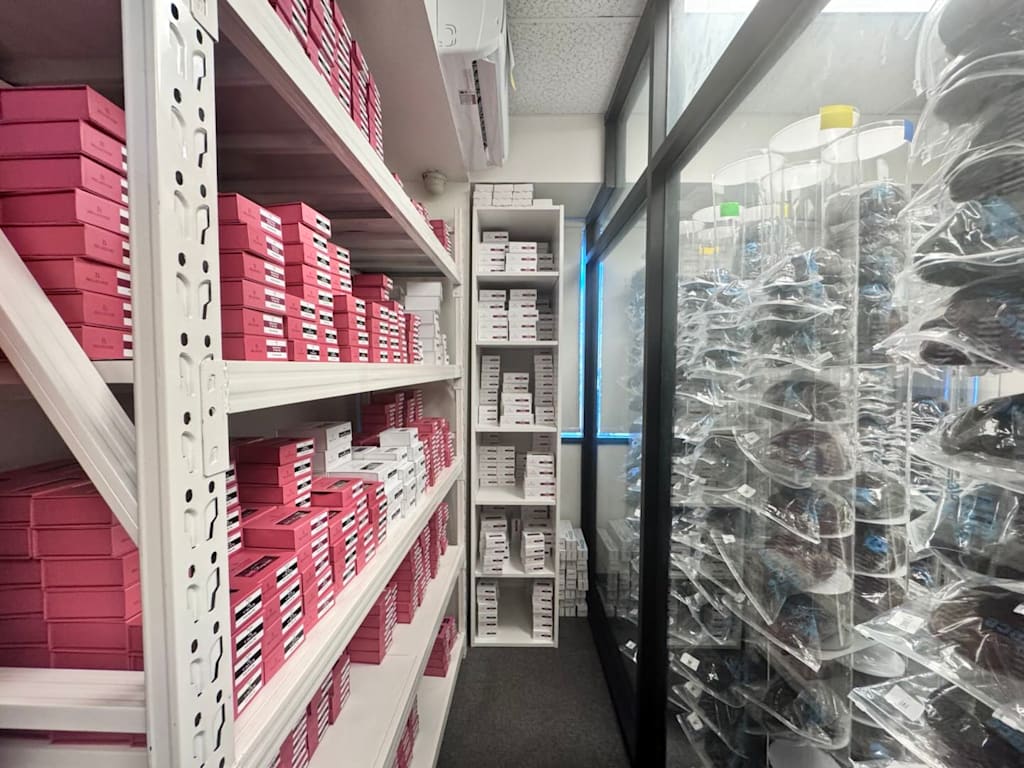
What are the risks of switching hair system suppliers?
What's the risk of switching hair system suppliers? A new factory can easily throw off hair quality, density, color matching, delivery times, and the exact consistency your salon clients expect.
Here's a practical way to compare manufacturers, test samples, and protect your repeat business. You'll also see how Newtimes Hair handles a much safer supplier transition.
Key Takeaways
Physical samples expose product mismatches before repeat-client orders are affected.
Written spec sheets make supplier expectations clear before every production run.
A phased trial protects your booking calendar until supplier performance proves repeatable.
What Are the Real Product Risks of Switching Hair System Suppliers?
What are the real product risks of switching hair system suppliers? The biggest risk isn't getting a badly made toupee or hairpiece every time. Instead, it's that the color, density, and base shape might look totally different from what your salon is used to ordering.
A custom hair system might match the written order perfectly, but still look or fit weird in person. These physical differences create extra, unnecessary work for your team. Plus, it leaves your clients feeling uncertain.
Unexpected Color Code and Shade Variations
A color code isn't some universal shade standard shared by every factory. One supplier's #1B might look cooler, warmer, darker, or lighter than another's. Why? Because each factory uses different hair sources, dye batches, and color-control methods.
Hair texture also changes how a shade reads. Straight hair reflects light differently than a body wave or curly hair. So, the exact same code can look completely different once that hairpiece sits under salon lighting or goes outdoors. A warm brown might suddenly flash red or gold tones right next to a client's growing hair.
How do you guarantee color consistency when changing hairpiece manufacturers? Treat the old unit as your actual visual reference, not just the written color code. Always compare a physical sample under both natural and salon light before you place a big order. For repeat clients, make sure to keep photos and a retained color sample right with their order record.
Inconsistent Hair Density and Knotting Techniques
Hair Density numbers mean totally different things depending on the factory. A unit labeled medium density by a new supplier might actually carry way more hair than your last hair system. That makes it look heavy at the front or feel hot during wear.
Ventilation changes the final result, too. V-loop hair creates a knotless-looking finish on thin poly, while knotted hair is tied right into lace or other base materials. If the new factory uses a different ventilation pattern, things like hair direction, lift, and parting behavior will change. Yes, even if your density request stays exactly the same.
Bleached knots need that same close attention. How they look depends entirely on how the factory processes those knots and where they place them, especially right at the hairline. Just ask for a sample that matches your intended base type, density, and knotting method. A density label by itself doesn't tell your stylist a thing about what the finished toupee will actually look like.
Base Contour and Cap Size Interpretations
The exact same base dimensions can sit completely differently when factories interpret contour in their own unique ways. An 8-by-10 hair system might match the requested length and width on paper. But its crown curve, front shape, or ear-to-ear tension will completely change how it lays on the scalp.
Cap Size is incredibly easy to misunderstand when a supplier uses their own custom templates. One factory might cut a standard contour with a much flatter crown, while another builds more curve right into the same pattern. Base Type matters a lot here, too. Lace, poly, and hybrid bases simply don't stretch or hold their shape the same way.
So, how should you measure cap size correctly for a new supplier? Use your existing successful unit as the main benchmark for both dimensions and shape. Always compare the front contour, crown curvature, and perimeter before you commit to repeat orders. Even tiny construction differences can add extra fitting time, spike your remake requests, and completely disrupt your salon's normal workflow.
How Do Technical Discrepancies Impact Your Salon Business?
How do technical discrepancies actually hit your salon business? They turn a simple supplier switch into paid corrective work, missed booking slots, and tough conversations with regulars. The real damage usually shows up after delivery. That's when a unit that looked fine on paper suddenly needs hands-on tweaking.
For any hair loss business, consistency protects your team's schedule and your clients' trust. Re-fitting, late replacements, and confusing factory emails can drive up your true operating costs long after you've paid the initial sticker price.
The Hidden Costs of Client Re-Fitting and Custom Restyling
Re-fitting eats up time your stylist could've spent with another paying client. When a new Custom Hair System shows up with a different contour, density, or hair direction, your team might have to trim, reshape, or rethink the attachment plan before putting it on.
Those extra labor hours are easy to miss since they don't show up on a supplier invoice. But they can absolutely drain the profit margin on a returning client's visit. This is especially true when that person expects the exact same fit and finish as their last unit.
A bad fit can also trigger complaints about scalp irritation or itching. Your salon then has to spend time inspecting the base, checking the attachment, and figuring out if the unit needs more work. Keep detailed notes on successful client units. That way, your team can spot a mismatch before the styling chair turns into a correction station.
Supply Chain Delays and Unreliable Lead Times
Long or unpredictable lead times can wreck your entire booking calendar. A client might schedule a replacement visit based on the delivery date you got, only for the new hair system to show up days late.
The issue gets worse when a delayed custom order leaves you without a good backup. A stock hair system might help sometimes, but it probably won't match the client's usual color, base preference, or cut-in needs. Your stylist then has to reschedule, scramble to fill the slot, or deal with an upset client.
Ask any new supplier for clear production and shipping estimates before handing over repeat orders. Track if those first few shipments arrive when promised, not just if they eventually show up. Reliable timing lets your salon book with confidence. No more holding open slots for units that might never arrive.
Communication Barriers with Foreign Factory Directs
Order mistakes usually start with a vague message, not bad intentions. Terms like "medium density," "natural front," or "standard contour" can mean totally different things to different factories. This happens a lot when order details pass through several hands.
One missed detail can kick off an expensive remake cycle. Your salon might get the wrong base shape, hair color, or ventilation method. Then you're stuck spending more time explaining the problem, setting up a fix, and trying to save the client relationship.
So, how do you know if a hair system supplier is actually reliable? Check if they repeat your full specs back in writing, ask questions when something is unclear, and stick to the same order format for repeat clients. When vetting Newtimes Hair or any other factory, use that written confirmation as a basic test. It shows whether the supplier can truly support consistent salon work.
What Is the Step-by-Step Framework for Vetting a New Hair System Supplier?
Vetting a new hair system supplier works best as a controlled trial, not a full switch. Start with units you can actually inspect. Write down the exact details your salon needs, and compare the results while your current supplier still handles your repeat clients.
The goal isn't to trust one good delivery. It's to confirm repeatable quality before your client retention is tied to the change.
Step 1: Implement the "Stock Test" Protocol Before Custom Orders
Test Stock Hair System units before placing complex repeat orders. A stock unit gives your team something real to inspect. Plus, you won't tie a regular client's next appointment to an unfamiliar supplier's take on a detailed custom request.
Order samples that reflect the bases your salon sells the most, like a Lace Hair System and a Skin Hair System. Check the hair quality, color match, density, base edge, hair direction, and overall finish against your usual standard. Handle each unit exactly how your stylist would during a normal cut-in and attachment.
Keep a simple scorecard for every sample. Note if the supplier sent the right item, if the written details matched the unit, and if your team would feel comfortable fitting it for a returning client. Sure, one nice-looking sample is encouraging. But consistent results across a few stock orders will tell you a lot more.
Step 2: Build Your Own In-House Technical Spec Sheet
Your salon needs its own technical spec sheet, even if a supplier has factory codes. Those codes can vary from place to place. Your written record, though, keeps the same meaning every single time you reorder a successful hair system.
Create one sheet for each approved design. Record the base type, measurements, contour, density, color, curl or wave pattern, hair direction, and the exact details your team expects at the Frontal Hairline. If you order a Mono Hair System, describe the specific mono area and any lace or skin sections in plain language.
Add clear photos of approved units and mark the details that matter most to your stylists. Use the same terms on every order, and then ask the supplier to repeat the full specs back before production or shipping. Whether you're assessing Newtimes Hair or another factory, that confirmation shows if the supplier actually understands your salon's needs instead of just guessing from a short code.
Step 3: Conduct a Comparison Audit and Phased Transition
Run new and existing supplier units side by side before moving your repeat business. Keep your current supplier active while the new one handles a limited trial group. That way, one inconsistent delivery doesn't disrupt every scheduled replacement.
Compare like for like. A Human Hair vs. Synthetic Hair comparison is only useful when the hair type, base style, and intended use are similar. Review the hair feel, appearance after styling, base finish, order accuracy, and Durability during normal salon handling. Make sure to record any extra cutting, reshaping, or corrective work each unit creates.
Only move more orders after the new supplier delivers the same standard repeatedly. Track delivery timing and client-ready results across the whole trial, not just the first sample. A phased change protects your booking calendar while giving your team enough evidence to decide if the supplier can actually support long-term consistency.
How Newtimes Hair Simplifies Your Supplier Transition
Newtimes Hair makes changing suppliers a lot easier if you treat those first few orders like a test run, rather than a massive business shift. Just start with Stock Hair System samples. This lets your team inspect the actual units before you place repeat orders or move client appointments around. Simple.
Keep your written spec sheet the exact same for every sample: base type, size, density, color, curl pattern, and hair direction. Think of it like checking a printed proof before you approve a big production run. If the sample matches your sheet, you've got a solid baseline to review on the next order.
Only move on to a Custom Hair System once those stock samples actually meet your salon's handling and finishing standards. And always ask Newtimes Hair to confirm the full specs back to you before they start production. This quick step catches mix-ups early. Plus, it gives your team a reliable record for future reorders.
Frequently Asked Questions About Switching Hair System Suppliers
How often do you change a hair system?
When wear, shedding, or base damage affects the fit. Don't force a worn unit through another appointment; it risks a bad result.
How do you tell if a hair system supplier is reliable?
They confirm every spec in writing and deliver repeatable results across several stock tests. One good sample proves nothing.
What is the difference between stock and custom hair systems when ordering online?
Stock systems are ready-made and useful for testing. Custom systems follow your specs, but color, density, contour, and delivery mistakes cost more.
About the Creator
Leo
Passionate men's hairstylist with a keen eye for detail and a knack for creating on-trend looks. Dedicated to delivering hair restoration education that enhances individual style.
Enjoyed the story? Support the Creator.
Subscribe for free to receive all their stories in your feed.
Comments
There are no comments for this story
Be the first to respond and start the conversation.