
What are the red flags when sourcing hair systems from China?
Red Flags When Sourcing Hair Systems From China in 2026

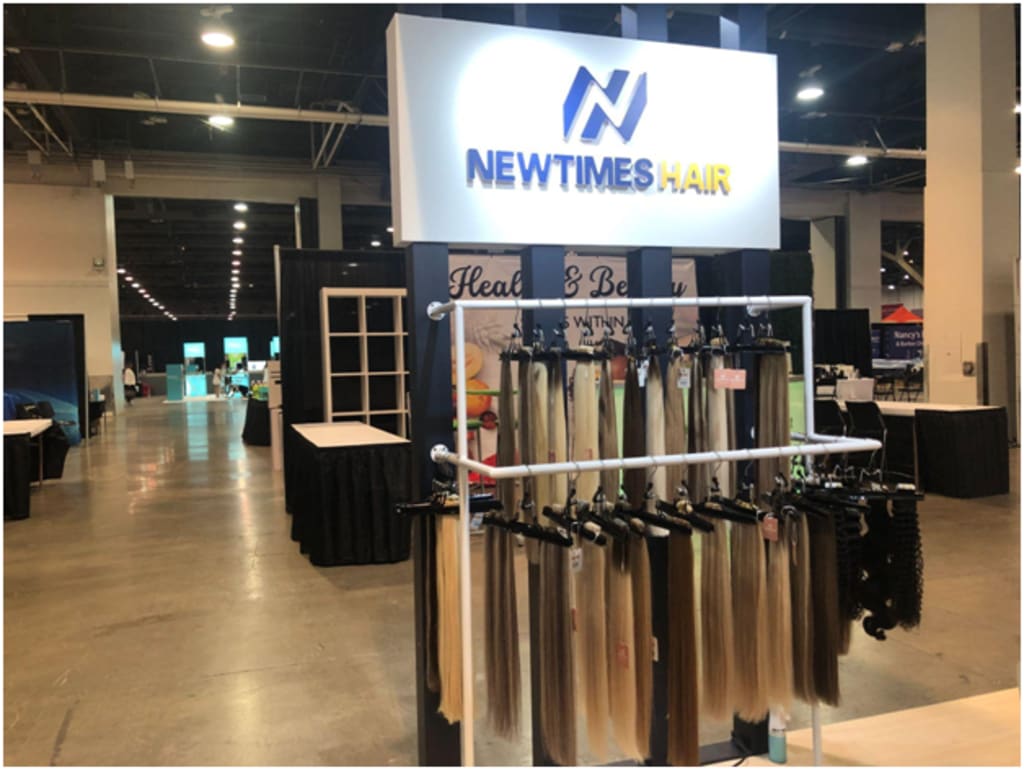
What are the red flags when sourcing hair systems from China?
Wholesale Hair Suppliers can seem trustworthy long before they actually prove it. If you're a first-time buyer, make sure to check for hidden fees, review the payment terms, and lock down who owns your custom designs before sending a deposit to any Hair System Factory.
Here's how to verify a supplier's claims, spot the difference between real factories and middlemen, and choose proven quality control methods—including the standards Newtimes Hair uses.
Key Takeaways
Verify the legal entity before paying deposits or sharing custom designs.
Require written invoices that match the supplier's registered payment account.
Wash-test samples to reveal hidden processing damage before approving production.
Why Sourcing Hair Systems From China Requires a Diagnostic Approach
A fancy catalog doesn't prove a supplier can protect your margin, your client's results, or your custom work. A Factory Audit helps you separate real production controls from big sales promises before a deposit ties up your cash.
Look at how the vendor explains hidden costs, payment terms, and who owns your custom designs. You also need to clarify Custom vs. Stock Systems: stock units might work for rush orders, but custom jobs need clear specs and design protection. Suppliers like Newtimes Hair should be able to explain their quality-control process in plain English. Once a vendor passes this first test, find out where their hair systems are actually made.
Understanding China's Hair Sourcing Regions: Qingdao, Xuchang, and Guangzhou
Looking at China's sourcing regions can help you narrow down supplier options. But here's the thing: a city name doesn't guarantee hair quality. Generally, Qingdao ties into premium Remy human hair. Xuchang handles most hairpiece production. And Guangzhou? That's your hub for export trading.
So why do people call Qingdao the "Remy Hair King" for luxury brands? It built this reputation on higher-grade sourcing and strict finishing standards. Still, that doesn't mean every single factory there actually hits the mark. Always ask for samples that match your exact density, color, and base needs.
Pick the region that makes the most sense for your product line, then confirm the actual vendor behind it. Doing a legal-identity check helps you see exactly who gets your money and who controls your designs. That's it.
Red Flag Zone 1: Legal Identity and Disguised Trading Companies
Does it matter if a hair system supplier actually owns their factory? Yes. Factory-direct control usually makes quality checks, change requests, and keeping your designs a secret much easier to manage. Ask for the supplier's legal identity, business registration name, registered address, and business scope. Then, just make sure your contract and the bank account match that exact same entity.
A trading company isn't automatically a bad choice. But the real red flag is a seller claiming they manufacture the goods while refusing to name the factory or explain who actually controls production. Always confirm who sets the payment terms, bills for tooling or revisions, and owns your artwork. Newtimes Hair's established quality-control process gives buyers a clearer production contact and real accountability.
Red Flag Zone 2: Digital Presence and Misleading Online Portfolios
A polished gallery doesn't prove a supplier actually made the hair systems you're looking at. A solid digital footprint links the exact same business name to a working website, clear contact info, real policies, and reviews showing genuine customer experiences.
What's the real risk of sourcing from 1688 factories versus established exporters? A 1688 listing might show factory photos, but a profile gets hard to trust when it keeps changing or when the same portfolio images pop up across totally unrelated sellers. Keep an eye out for copied photos, missing company addresses, sellers who only use personal chat accounts, and vague answers about who really owns your custom designs. Established exporters like Newtimes Hair give you a much clearer quality-control process and a reliable point of contact. Their communication should always back up that claim.
Red Flag Zone 3: Behavioral Cues and "Yes-Man" Communication
Unrealistic promises usually show up right before an order goes wrong. A supplier who just agrees without asking about materials, artwork, order size, or lead times is guessing. They aren't actually planning production. Clear questions are a great sign because they show the factory is looking at what it can actually make.
So, what are the normal communication gaps with Chinese hair manufacturers? Watch out for vague replies, shifting promises, or dead silence about payment timing, extra fees, and design ownership. Get every single detail in writing before you pay. Newtimes Hair should lay out its quality-control steps and point out any real limits. A supplier that admits what they can't do early on protects your client's order way better than a yes-man who just agrees to everything. Simple.
Red Flag Zone 4: Hidden Hair Quality Traps and Material Subversion
Low-quality men's hair pieces usually show their true colors fast. You'll notice early shedding, tangles, dry ends, or a weird coating that just covers up damage instead of actually fixing it.
If you're a new buyer, Quality Control (QC) checks are a big deal since that first touch can completely fool you. Make sure to ask for clear material details and a solid inspection process before you place any client orders.
The Silicone Coating Trap: Hair That Feels Too Perfect
Hair that feels super slick right out of the box definitely needs a closer look. A heavy layer of silicone can make dry, processed strands glide together like they've been polished. But really, it's just masking rough or damaged cuticles hiding underneath.
This is huge when you're looking at Remy vs. Virgin vs. Non-Remy hair. Virgin hair is totally unprocessed. Remy hair keeps the cuticles lined up, while non-Remy hair might have strands going in all different directions. Silicone doesn't prove a men's toupee actually uses any of these specific hair grades. So, always ask for the supplier's written processing details. Simple.
When dealing with Human Hair Extensions, find out how the hair acts after washing and drying—not just how it looks when it arrives. Solid QC at Newtimes Hair should actually document these material checks instead of just asking you to trust a soft finish.
Red Flag Zone 5: Financial Scams and Unsafe Payment Terms
Financial scams and shady payment terms can turn a promising hair-system order into a total loss before production even starts. A clear quote and a verified payment route protect your cash flow.
Reliable wholesale hair suppliers explain exactly what the price covers. They'll also give you a usable return policy and clear after-sales rules. Watch out for charges or payment instructions that suddenly change right after you send your money.
Post-Deposit Hidden Costs and Unannounced Surcharges
Unexpected fees popping up after you pay the deposit are a major red flag. A supplier might quote a unit price, take your deposit, and then tack on extra charges for a mold, base choice, density, or custom ventilation that weren't anywhere in the original quote.
Always ask for a written pro forma invoice before paying a dime. It needs to break down the unit price, mold or tooling fees, customization charges, shipping, and any revision costs. If you're doing a pilot order or sample batch, double-check if setup charges are a one-time thing or if they'll hit you every single time you order.
If new fees suddenly show up, hit pause on production and ask for a revised total in writing. A solid supplier will actually explain a real specification change before charging you for it. Newtimes Hair should be able to keep your approved order details and quote perfectly aligned through their quality control process.
Pressure Toward Personal Bank Accounts and Wire Transfer Changes
Your payment details need to match the supplier's legal identity. If a company invoice lists one business name but asks you to wire money to some individual's personal account, the payment trail gets messy. Plus, after-sales support becomes a lot harder to enforce.
Don't treat an email asking for new wire details as a normal routine. Fraudsters love to impersonate suppliers, and unreliable sellers might try to move payments off the official company books. Always verify any account change by calling a known phone contact, not by replying to the sketchy message that announced the change. That's a must.
Only send money when the company name, account holder, invoice, and purchase order all line up perfectly. Keep a written confirmation for every single payment. If a supplier pushes back on basic verification, they just aren't a safe partner for your first client order.
Red Flag Zone 6: Intellectual Property and Proprietary Design Theft
The line between custom and stock systems really needs protection. A stock base is just open catalog work. But a custom mold or base pattern? That carries your client's hard-won fit and design choices.
Make sure to put ownership, confidentiality, and no-reuse terms right into the purchase order before sharing any templates, measurements, or design files. It's smart to mark each file with your business name and version date. Also, limit access to approved contacts and demand written approval for every single sample change. Ask how the supplier stores molds and exactly who gets to release them. Newtimes Hair's solid quality control can back up those documented specs and approval records. Once you've cleared up these risk areas, just screen your vendors using a remote review process.
How to Verify a Hair Factory in China Remotely: A Step-by-Step Vetting Protocol
How do you actually verify and audit a hair system factory from afar? You start with documents you can cross-check, then test the exact sample you plan to buy. Sure, a remote factory audit won't fully replace a real visit. But it definitely cuts down on nasty surprises before you hand over deposits, approve production, or share your files.
It also creates a solid paper trail for payment terms, extra fees, and who controls your designs. Simple as that.
Checking the Chinese Business License Scope (Manufacturing vs. Trading)
Ask for the supplier's Chinese business license. Don't settle for a cropped picture or some English-only certificate. You need to match their registered company name and unified social credit code against the official company registry. The actual legal entity taking your deposit needs to match the name on both the license and the invoice.
Read that business scope carefully. You're looking for something that clearly says manufacturing or production, rather than just sales, trade, or consulting. A trading company isn't always a bad thing, but they need to be upfront about the actual factory making the hair systems.
To check their export qualifications, ask about their export declaration setup. Make sure you know exactly who shows up as the exporter. And keep the license, quote, payment instructions, and IP terms tied to that exact same legal name. No exceptions.
The Sample "Wash Test" Protocol for Detecting Hidden Damage
Stick to one wash routine for every single sample and log the results for your QC. Take pictures of the dry hair, comb through it, and jot down how it feels and if it sheds. Give it one shampoo with a mild cleanser, rinse it, blot it with a towel, and let it air-dry. Don't use any conditioner, oil, or styling spray.
Now compare that dry sample to your pre-wash pictures. If it suddenly loses its slip, gets tangled, sheds weirdly, or has fibers acting up, that's a red flag. It usually points to a temporary silicone coating, mixed-in synthetic fibers, or just bad processing. A wash test can't 100% prove what the hair is made of. So if the results look off, ask for another sample and a written material declaration.
During a live factory video tour, get their staff to repeat this test right on camera. Ask them to show you batch labels, QC records, and how they pack things. Newtimes Hair's solid quality control setup should make gathering all this evidence a breeze.
The DOs and DON'Ts of Overseas Hair System Sourcing
Every approved sample needs to be the written baseline for your first real production run. Make sure to pack the hair type, base build, density, color, measurements, packaging, inspection standards, and approved photos into a single signed spec sheet.
This locks in your quality and change control rules before you start scaling up. So, don't let any material, design, or process tweaks move forward without written approval. Simple as that.
Put Commercial Terms on the Same Sheet
Write down the unit price, minimum order, sample fees, shipping methods, duty rules, payment milestones, remake policies, and any extra charges before handing over your money. A cheap unit price can vanish pretty fast once packaging, freight, or revision fees show up.
Protect your client's work. Clearly state that you own the templates, custom colors, logo files, and specs, and ban anyone from reusing them without your permission. Newtimes Hair's proven quality control backs up this kind of documentation, but your agreement still needs clear approval points.
How Newtimes Hair Guarantees Factory-Direct Quality Control for Hair Pros
So, how exactly does Newtimes Hair guarantee factory-direct quality control for hair pros? It all comes down to a documented production path. Approved specs, sample references, inspection points, and pricing terms stay totally visible from your order confirmation right through to the final shipment. This traceability gives new salon owners a clear way to check every single hair system order.
Since Newtimes Hair operates as a Hair System Factory, you get to talk about what you need directly with the source instead of going through a retail middleman. Just ask for written QC checkpoints, a cost breakdown, and payment milestones. Plus, make sure to get written protection for your templates, colors, and logo files.
Sourcing factory-direct just makes the whole process cleaner. That means you get more time to actually build your brand and help your clients. That's it.
Protecting Your Hair Business Reputation Before Your First Bulk Order Ships
Keeping a good name for your hair business starts way before that first carton even leaves the factory. Getting a pilot order or sample batch means you can check if the hair systems actually meet your standards. Do this before making a big overseas purchase.
Always ask your wholesale hair suppliers for payment terms in writing, a complete cost breakdown, and clear rules about who owns your logo, templates, and color references. Newtimes Hair's proven quality-control setup keeps all these details properly documented. This way, your clients get a consistent product every time, and your new brand can place reorders without second-guessing anything.
Frequently Asked Questions About Sourcing Hair Systems from China
How do I verify a hair factory in China remotely?
Verify its legal entity, registration, address, and business scope. The contract and bank account must match. Then video-audit production and wash-test the exact sample: shampoo once, air-dry, inspect shedding.
How do I avoid getting scammed by hair vendors online?
Don't pay a personal account. Demand a written invoice, confirmed factory identity, and clear terms on fees, revisions, and design ownership. Copied photos, vague answers, and surprise charges? Walk.
What should be included in a hair system quality control checklist?
Check approved specs, hair feel, shedding, construction, color, density, and measurements. Include a documented wash test: mild shampoo, no conditioner or oil, towel blot, air-dry, then photograph results.
About the Creator
Leo
Passionate men's hairstylist with a keen eye for detail and a knack for creating on-trend looks. Dedicated to delivering hair restoration education that enhances individual style.
Enjoyed the story? Support the Creator.
Subscribe for free to receive all their stories in your feed.
Comments
There are no comments for this story
Be the first to respond and start the conversation.