
We Rebonded the Same Lace System 11 Times — Here’s What Finally Caused It to Tear: A Durability Case Study
We Rebonded the Same Lace System 11 Times — Here’s What Finally Caused It to Tear

We Rebonded the Same Lace System 11 Times — Here’s What Finally Caused It to Tear: A Durability Case Study
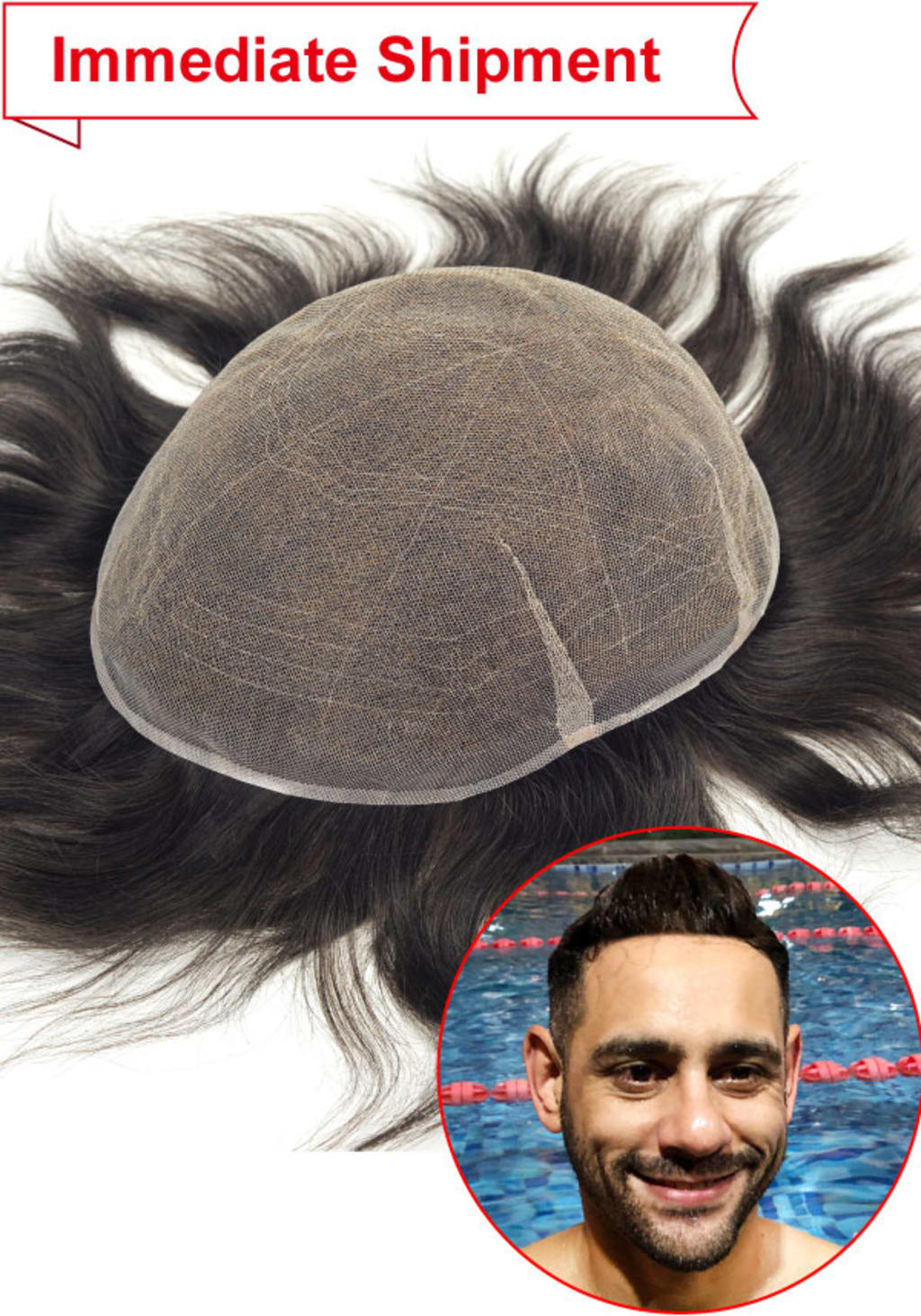
How much durability can a lace system really deliver? We put a Lordhair unit through an intense, multi-cycle rebonding test to see for ourselves. Pushing it through 11 straight adhesive applications reveals the true limits of the base before material fatigue breaks it down. Here’s the method we used to track that structural wear over time.
Key Takeaways
- Use wig tape instead of liquid adhesives to prevent glue from embedding into delicate lace pores.
- Never scrape with fingernails. Soak the base in citrus solvent for 10 minutes, then gently roll residue off with your thumb.
- Deep clean the base before the eighth maintenance cycle to prevent irreversible brittleness and permanent adhesive buildup.
- Monitor the front hairline and tape tabs closely, as these high-friction zones thin and tear first.
- Replace your lace system before 11 rebonding cycles to avoid inevitable structural failure from chemical and mechanical fatigue.
The "Lace Autopsy" Methodology: How We Controlled the Variables
Strict testing standards help isolate the base material. We used standardized application tools and medical adhesives to keep everything fully controlled. This sets up our exact timeline.
Defining the Maintenance Cycle Parameters
Each maintenance cycle lasted exactly 14 days. We tracked solvent use closely to avoid any accidental tearing.
Applying C-22 solvent dissolves the glue chemically, without any forced scrubbing. That gentle breakdown gets our specific control unit ready.
Lordhair Quality Benchmarks: The Baseline for Our Test
We chose a premium Lordhair unit. Its clean lace front gives us an ideal baseline for tracking material fatigue.
Following this same careful process can help extend your own system's lifespan. Now, let’s track the actual chronological wear.
It looks like no draft text was included. Please send the text you want polished.
The "Smoking Gun": The Moment of Final Failure
The terminal tear at the 11th rebond wasn't random. It hit right where hardened adhesive residue met already weakened lace. Peeling the tape set off stress fractures, until that exact weak spot finally snapped. So why did it break down at this moment?
Was it the Solvent? The Impact of Repeated Chemical Exposure
Heavy solvent use changes the lace’s chemical interface. Soaking the base in harsh alcohols slowly breaks down the polymer strands.
That damages the core fibers, leaving the material brittle. But chemical fatigue alone doesn’t finish the job—it just sets things up for mechanical damage.
Mechanical Stress: The Role of Fingernails and Cleaning Brushes
Scraping off glue wears down abrasion resistance. Rough handling during cleaning gradually thins the mesh base.
Using your fingernails almost guarantees early tears on your Lordhair unit. If you want it to last longer, gently roll the adhesive off instead.
Maximizing ROI: How to Extend the Lifespan of Your Lordhair System
Getting past the 11th rebond takes more than careful handling. It calls for a disciplined approach to Maintenance Optimization to protect those delicate lace fibers from chemical breakdown. Every extra week you squeeze out of your Lordhair unit directly boosts your overall ROI Calculation.
Stretch a system’s lifespan from three months to five, and your yearly spend drops in a big way. But reaching that longer timeline means changing how you handle the base material when it’s most vulnerable. The stress fractures seen in a terminal tear don’t appear overnight.
They build up at a microscopic level with each maintenance cycle. Stopping that damage starts before you even attach the system. The specific bonding agent you choose determines how much strain the lace takes later.
Tape vs. Glue: Which Adhesive Preserves Lace Integrity Longer?
Wig Tape usually causes less structural damage to lace than liquid options. Acrylic-based Liquid Adhesive seeps right into the mesh pores. When it cures, it locks around the delicate threads, which makes safe removal very difficult.
Heavy liquid bonds call for aggressive solvents that speed up material fatigue. Wig Tape, by contrast, stays on the surface of the lace. It delivers strong Bond Strength without embedding itself deep into the base fibers.
If you want the base to last beyond 10 rebonds, stick with tape around the perimeter. But tape still leaves some sticky residue behind. And how you remove that leftover tackiness from the delicate mesh really matters during cleaning.
The "No-Rub" Cleaning Technique to Prevent Premature Tears
Friction is the biggest enemy of a lace base. Safe Adhesive Removal takes patience, not scrubbing. Instead of rubbing the base, spray a citrus solvent directly onto the residue and let it sit for about ten minutes.
Once the solvent breaks down the tackiness, gently push the residue in one direction using the pad of your thumb. Never use your fingernails. Scraping harms the delicate Lace Knots, which quickly leads to hair loss.
This rolling method is one of the most effective ways to handle Shedding Prevention. Protecting the base from mechanical damage is only step one. Your unit still needs to handle daily exposure to sweat, oil, and UV.
Environmental and Biological Catalysts of Decay
Heat and humidity wear down your Lordhair system over time. High temperatures make your scalp produce more sweat and sebum, which weakens the mesh fibers. You need to recognize the early warning signs of a system starting to fail.
The Sebum Factor: How Skin Oils Compromise the Bond
Skin oils can directly lead to serious adhesive breakdown. As the glue degrades, it seeps into the lace material.
That trapped residue can irritate your scalp. Knowing how this reaction works makes it easier to tell when it's time to replace the system.
Identifying the "Red Zone": Where Your System Will Likely Tear First
The front hairline goes through daily stretching. Tape tabs take the most friction during removal.
These high-stress areas cause the base to thin out fast. Keeping an eye on this wear helps you assess the final condition.
Data Summary: The 11-Cycle Durability Matrix
Our lab tests clearly show when a Lordhair system reaches its absolute limit. Careful metric tracking over multiple rebonds reveals that base abrasion resistance drops fast after the seventh application. Here’s how the delicate lace breaks down across the 11-cycle stress test.
| Cycle Stage | Shedding Level | Base Stiffness | Residue Difficulty |
| --- | --- | --- | --- |
| 1 to 3 | Minimal | Flexible | Easy wipe |
| 4 to 7 | Moderate | Mild stiffness | Needs soaking |
| 8 to 11 | Severe | Highly brittle | Permanent buildup |
You can extend your system’s lifespan by cleaning the base thoroughly before cycle eight. Go past that point and you’ll trigger irreversible material fatigue that tears the lace. So, what’s the final takeaway from this extreme test?
Conclusion: The Definitive Lifespan of a Lace System
The 11-rebond limit is a hard stop. Real-world use shows adhesive chemicals permanently wear down the delicate lace fibers around cycle eight. While a Lordhair system starts off with strong durability, buildup from polymers and repeated solvent exposure gradually take away the base’s natural flexibility.
You can extend your Hair System lifespan by fully clearing out adhesive solvents during those first seven rebonds. Use a mild citrus soak to help avoid early material fatigue. Go past 11 cycles, and the structure starts to give way. Replace the unit before brittleness leads to a major tear.
Frequently Asked Questions About Lace Durability
How many times can you rebond a lace hair system?
Less than 11. We pushed a Lordhair unit to 11 cycles and it tore. Deep clean before the eighth cycle to stop permanent brittleness. Replace it before hitting that wall.
How do you prevent adhesive buildup on a lace base?
Stick to wig tape. Liquid adhesives embed straight into delicate lace pores. To clear residue, soak in citrus solvent for 10 minutes and roll it off with your thumb. Never scrape with fingernails.
Why is my hair system tape not sticking to my scalp?
Poor skin prep. Oil and sweat block the bond. Wipe your scalp with alcohol before application. Also check your timeline. Tape structurally breaks down and loses tack after 14 days of wear.
What are the signs that a hair system base is becoming too thin?
Check the front hairline and tape tabs. Those high-friction zones thin out first. If the lace feels brittle or shows chemical fatigue, structural failure is imminent.
About the Creator
Leo
Passionate men's hairstylist with a keen eye for detail and a knack for creating on-trend looks. Dedicated to delivering hair restoration education that enhances individual style.
Enjoyed the story? Support the Creator.
Subscribe for free to receive all their stories in your feed.
Comments
There are no comments for this story
Be the first to respond and start the conversation.