
Understanding How important are bleached knots for a naturallooking hairline in Wholesale Hair Systems
Bleached Knots for Natural Hairlines in Wholesale Hair 2026
Understanding How important are bleached knots for a naturallooking hairline in Wholesale Hair Systems
Bleaching the knots hides those harsh dark dots at the front of the base, which helps a hair system pull off a natural-looking hairline. If you're buying wholesale, it's all about balance. Going heavier on knot processing definitely boosts the realism, but you have to pick the right base to protect its durability. Here are the main buying factors you need to know so your salon can deliver great results with Newtimes Hair.
Key Takeaways
Bleached knots reduce dark dots for a more natural lace hairline.
Match knot treatments to the base ventilation method before ordering.
Fully bleached knots require closer shedding monitoring than lightly processed options.
Perimeter bleaching improves visible hairlines without processing the entire lace base.
Gentle handling helps prevent shedding around bleached knots.
The Science of Bleached Knots: How Knot Lightening Works Across Base Materials
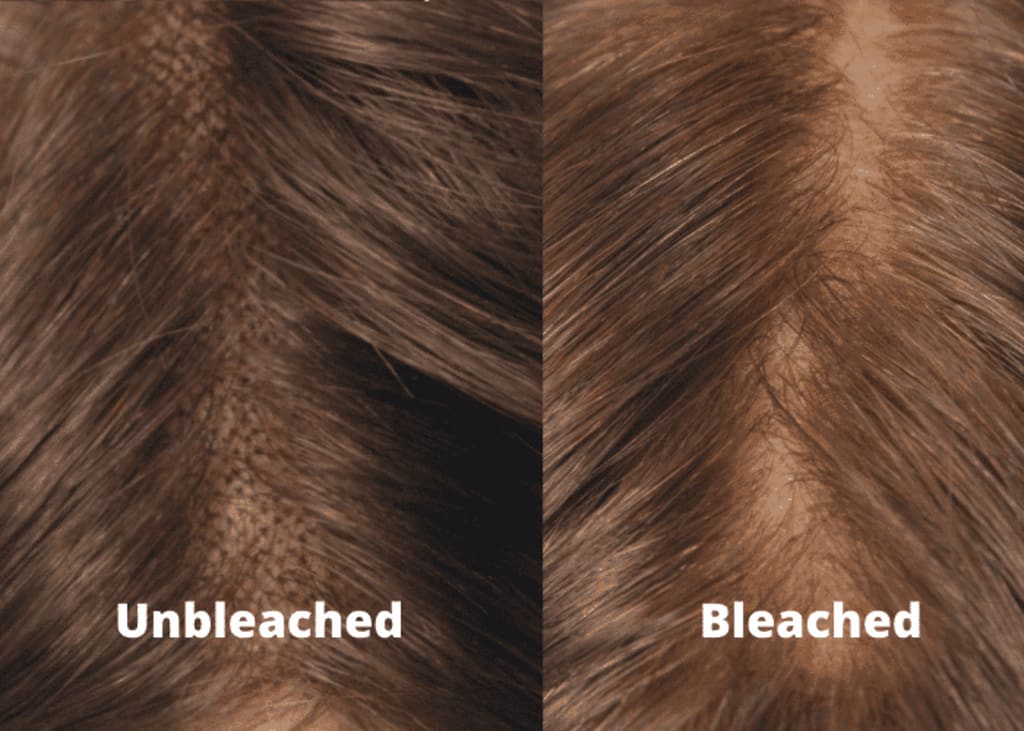
Knot lightening cuts down the dark pigment right where each hair ties to the base. This creates a softer hairline and a much more realistic scalp effect, especially when you're under direct light.
For wholesale buyers, it's not just about ordering bleached knots. The base construction actually dictates how much processing the hair and foundation can take before the finished hair system gets weak. Simple as that.
How Knot Lightening Eliminates the Grid Effect on Mesh Bases
Dark hair knots often create a noticeable grid across a lace front. Why? Because every tied hair ends in a tiny, dark knot. Lightening chemically strips that pigment. So, the knots blend right into the wearer's skin tone instead of looking like dark dots under the mesh.
The hair itself gets processed at the knot area—it doesn't just turn transparent. As the pigment lightens, your eye stops focusing on the lace pattern and looks at the hairline instead. That's exactly what helps French Lace and Swiss Lace pull off an undetectable scalp look when you fit the system correctly.
Results always vary based on hair color and knot size. Darker hair usually needs a bit more lightening to soften up that grid effect. But fine knots on delicate mesh might already be hard to see. Overprocessing can actually weaken the tied hair near the base. So, B2B buyers need to balance visual realism with how long they expect the hair system to last.
Newtimes Hair can help salons pick the right knot-lightening level for that natural-looking hairline clients want. And we do it without pretending every lace construction reacts the exact same way.
Base Compatibility: Why Poly Skin and Mesh Bases React Differently to Bleaching
Mesh bases expose the tied knot right under the hair. That's why bleaching really improves their scalp-like look. French Lace and Swiss Lace actually rely on visible knots for their construction. Lightening the dark pigment directly fixes what the client might otherwise see straight through the material.
Thin skin poly plays by different rules. Many of these poly systems use injected or V-looped hair instead of traditional exposed knots. Because of this, there might be little to no knot to bleach at all. Plus, the polyurethane layer creates a solid barrier that completely hides the attachment point.
You might find a poly with bleached knots if the design includes knotted hair in specific spots. But don't treat this as the standard fix for all poly bases. Processing choices always have to match the actual ventilation method, not just what's on the label. No exceptions.
When placing B2B orders, always check if the base uses knotted, injected, or looped hair before you ask for knot treatments. That one detail helps Newtimes Hair perfectly match the base design with the exact level of hairline realism your salon wants to deliver.
Realism vs. Longevity: Evaluating the Durability Trade-Off
Bleached knots definitely improve hairline realism, but the chemical processing can reduce durability right where each hair ties to the lace base. Balancing durability and realism isn't a fixed rule. It's really a purchasing and replacement-planning choice. Factors like bleach intensity, hair shade, base construction, and supplier quality control all play a part in the final result.
Salon teams need clear records showing what clients actually get and when each hair system needs replacing.
The Durability Scale: Quantifying Lifespan Loss Across Processing Types
Unbleached knots give you the best durability baseline since the tied hair hasn't touched any lightening chemicals. They might leave darker dots visible through the lace, especially at the front hairline. But they let salons judge normal shedding without worrying about bleach weakening the knots.
Lightly bleached knots sit right in the middle of the scale. They soften the grid effect while keeping chemical exposure low, making them a practical option when a client wants a more natural look without asking for the lightest possible knots. Fully bleached knots create the biggest visual upgrade. Still, they also need the closest monitoring for shedding near the lace.
You won't find a reliable universal number for hair system lifespan loss without product-specific testing. Wholesale buyers should measure this trade-off using service records: installation date, knot treatment level, hair shade, base type, early signs of shedding, and replacement date. Compare those records by category instead of promising every fully bleached system will last a set number of weeks.
Newtimes Hair helps B2B buyers match knot-lightening requests to the desired hairline result, helping salons set realistic replacement expectations based on the exact processing level chosen.
Hair Color Dynamics: Bleaching Risks on Jet Black vs. Light Shades
Jet black hair usually needs more lightening than medium or light brown hair before the knots finally fade against the lace. More pigment has to be lifted from the tied hair, which raises the chances of weakening the knot area if the processing gets too aggressive. That weakness later shows up as shedding. Simple.
Light brown shades often need less correction since their knots start out closer to the skin-like tone clients expect at the hairline. This doesn't mean light shades are entirely risk-free, though. The tied hair can still lose strength if the processing goes beyond what the hair and base can actually handle.
Hair density can make this issue harder to spot at first. A thick system might hide early shedding, while a lighter-density hairline reveals knot loss much sooner. Salon professionals should separate visual density from actual durability by inspecting the lace and knot area before installation. After that, they just need to track shedding reports by color and bleach level.
Quality control should always include checking if the knot lightening looks even, if the lace remains fully intact, and if the front hairline meets the client's realism goals without pushing for unnecessary processing.
Comparing Hairline Realism Techniques and the Hybrid Bleaching Strategy
Bleaching knots cuts down on those tiny dark dots that poke through the lace, especially when a client shows off their front hairline. V-looping and injected hair can also hide visible knots. But instead of lightening the tied hair, they rely on totally different base and attachment designs.
Hybrid bleaching focuses just on that front edge. It leaves the crown knots alone, which keeps the system stronger overall. Simple as that.
The Hybrid Bleaching Strategy: Perimeter Processing for Extended System Life
This strategy lightens the knots right along the visible front hairline while keeping the crown completely untouched. It puts the best visual perks exactly where clients part, brush back, or look closely in the mirror—all without hitting the entire lace piece with the same harsh treatment.
Up at the front edge, lighter knots make the lace look way more like real skin instead of a harsh line of dots. Sure, v-looping and injected hair handle knot visibility through the way they're built, making them great for buyers who want a different style of hairline. But hybrid bleaching is perfect for teams wanting that classic tied-hair look while keeping the processing strictly to the spots clients actually notice.
Since the crown knots stay in their original state, salon teams get a much clearer baseline for durability away from the edges. When you're checking with suppliers, just make sure the lightened band looks even, the lace isn't damaged, and the blend into the unbleached hair is practically invisible. Newtimes Hair can help B2B buyers nail down this exact edge-focused finish. That way, salons can give their clients the natural hairlines they expect without over-processing the entire hair system.
Maximizing Wholesale Margins and Client Retention with Bleached Knot Systems
Bleached knot systems can easily justify a higher-value service, especially when the client worries most about a visible hairline. Lightening the knots gets rid of that dark-dot effect under the lace. So, the front edge ends up looking much more like real skin rather than a grid of tied hair.
For salons and distributors, this premium price point needs to rely on a visible result. You're offering a natural-looking hairline that helps clients feel completely confident wearing swept-back or parted styles.
Sell Hairline Realism, Not a Vague Luxury Label
Pitch the finish as a realism upgrade instead of just calling it a luxury label. Show clients exactly where it counts. Point out the front hairline, the exposed part, and any spot they regularly style away from the face.
Base your consultations entirely around the client's everyday styling habits. A client who covers their hairline with a fringe might not care as much about the upgrade as someone who wears a brushed-back look. That's fine. It keeps your recommendation tied to the actual results they'll see in the mirror.
Set Clear Wholesale Quality Standards
You should present wholesale hair systems using clear quality checks rather than broad promises. Ask your hair system suppliers how evenly the visible knots are lightened. Find out if the lace stays intact and how well the bleached perimeter blends right into the untreated areas.
Newtimes Hair can help B2B buyers nail down these inspection points well before placing an order. Simple. That gives salon teams a steady, consistent standard to discuss with clients. Plus, it backs up a premium price tag for work people actually notice.
Set Aftercare Expectations Early
The sale doesn't stop after the installation. Make sure you explain that this lightened finish needs clear care directions, not just a quick reminder to be careful.
Hand your clients a written routine for cleaning, styling, storage, and coming back for return visits. Doing this protects how the hairline looks and seriously cuts down on completely avoidable complaints.
Essential Aftercare Protocol: 5 Rules to Prevent Shedding on Bleached Systems
Bleached knots give you that soft, skin-like hairline. But lightening makes the hair right next to each knot a lot less forgiving of rough handling. That natural finish still needs solid protection during everyday wear and salon visits.
A strict aftercare routine protects both the lace and the tied hairs. This helps salons stop shedding hair systems in their tracks, way before that natural perimeter starts thinning out.
Detangle before cleaning. Grab the hair close to the lace and work your way up from the ends using a wide-tooth comb or a good brush. Yanking through snags puts all that pulling force straight onto the bleached edge.
Clean with light pressure. Just let the water and cleanser flow through the hair instead of scrubbing at the base. Rubbing the lace—especially around the front hairline and part—can easily knock loose hairs attached to those lightened knots.
Keep heat and chemical services away from the base. Put your styling products on the actual hair lengths, never right on the knots or lace. High heat, heavy-duty gels, and chemical treatments dry out the hair. That makes breakage way more obvious.
Remove adhesive residue patiently. Always support the lace when peeling off tape or old glue buildup. Don't ever scrape, yank, or rush through the cleanup around that front edge.
Store the system clean and dry. Keep it on a proper head form or a flat surface. You want a spot where the hair won't mat up, bend weirdly, or snag on nearby tools. Simple.
Newtimes Hair B2B buyers should pair this routine with suppliers who actually check lace integrity and knot consistency. Solid quality control is what gives your careful aftercare the best possible chance of boosting a system's lifespan.
Sourcing Quality-Controlled Bleached Knot Systems with Newtimes Hair
Quality control is just as important as solid aftercare when a salon buys wholesale hair systems with bleached knots. Lightening the knots hides those pesky dark dots right at the hairline. It helps the lace blend in to create a much more natural, scalp-like look.
Newtimes Hair helps B2B buyers turn that exact visual goal into a clear custom-order brief. Getting it in writing gives everyone a single reference point for the bleaching pattern and the final finish you expect across the whole order.
Make sure to specify each bleaching zone. This includes the front hairline, part line, crown, or any other defined spot. Don't forget to list the base type, hair color, density, and the exact areas that need to stay unbleached. That way, nothing gets left to guesswork.
For custom order hair systems, always ask to confirm details before production starts and run batch checks against your approved brief. Take a close look at samples or photos for knot visibility, lace condition, and even coverage before green-lighting a big bulk run. Plus, keeping track of those approved zones makes your repeat orders way more consistent over time. That's it.
Frequently Asked Questions About Bleached Knots in Hair Systems
How long do hair systems with bleached knots last?
No fixed lifespan. Fully bleached knots can shed earlier than unbleached ones; track wear by base type, hair shade, and processing level.
Are bleached knots necessary for an undetectable lace front?
Usually, yes for dark hair on lace. They erase the visible dark-dot grid. Poly systems often have no exposed knots to bleach.
What is the difference between single knots and bleached knots?
Single knots describe how hair is tied to the base. Bleached knots describe pigment removal. A single knot can be bleached—or left dark.
About the Creator
Leo
Passionate men's hairstylist with a keen eye for detail and a knack for creating on-trend looks. Dedicated to delivering hair restoration education that enhances individual style.
Enjoyed the story? Support the Creator.
Subscribe for free to receive all their stories in your feed.
Comments
There are no comments for this story
Be the first to respond and start the conversation.