
The Ultimate Guide to Men's Hair Systems
Everything You Need to Know About Hair Systems: FAQs Answered for Men

Everything You Need to Know About Hair Systems: FAQs Answered for Men
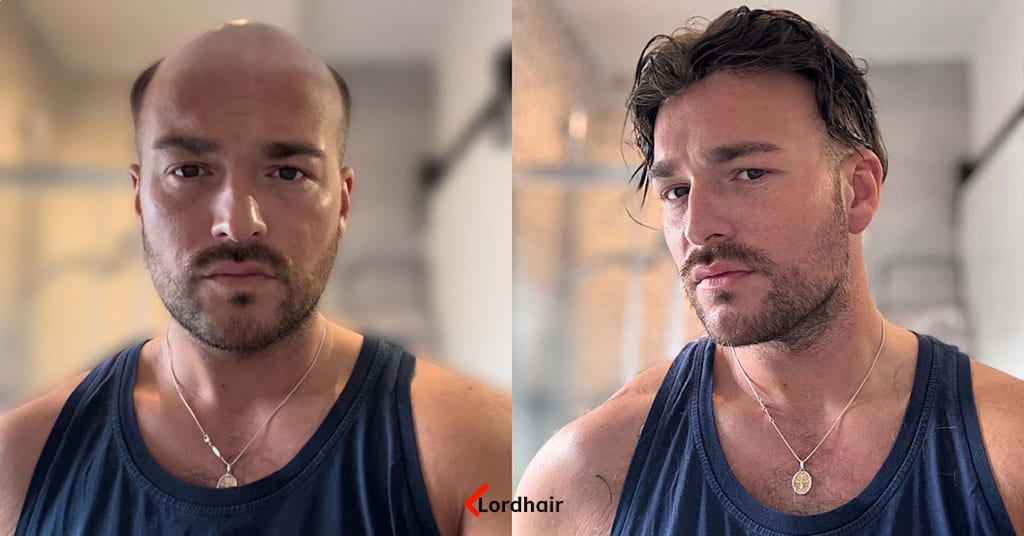
Hair Systems are modern, custom-made pieces for Non-Surgical Hair Replacement that blend right into your natural hair and scalp. Unlike old-school toupees, they feature advanced base materials and a realistic hair density, so you're getting a natural, secure fit. They'll restore your look without surgery or a long recovery. So, what really separates today's tech from those "toupees" of the past?
Key Takeaways
- Select a base that fits your lifestyle: lace for breathable realism, skin/poly for easy attachment, or monofilament for maximum durability.
- Use double-sided tape for a beginner-friendly 1-2 week hold, or liquid adhesive for a stronger 2-4 week bond.
- Avoid perfectly dense hair; choosing a slightly lower density or adding minor imperfections creates a much more realistic look.
- Expect minor scalp tightness and itching during the first 48 hours, which is a normal, temporary adjustment.
- Clean and reattach your system every 3-4 weeks using sulfate-free products; DIY maintenance cuts monthly costs by 40-60%.
Beyond the Toupee: Understanding Modern Hair Systems
The word Toupee still carries some baggage, but today's Hair Unit is a totally different product. Modern Hairpieces use fine design, lighter density, and a precise fit to blend right in with your real hair and scalp. They're built to stay secure and look natural up close—not just from far away. That design shift completely changes how people see them, along with how you actually feel wearing one. But first, let's clear up the biggest misconception.
Is a Hair System the Same as a Traditional Toupee?
No. The old Toupee was thick, stiff, and super easy to spot. Modern Hair Units use advanced materials and hand-tied strands that completely mimic natural growth patterns.
That jump in quality comes down to modern tech. Current systems focus heavily on realism, comfort, and airflow. The result just looks like your own hair instead of an obvious cover. And those upgrades tie directly into the materials underneath.
Why "Non-Surgical Hair Replacement" is the New Industry Standard
Non-Surgical Hair Replacement fixes Male Pattern Baldness without surgery, scars, or long recovery times. You get results right away, plus full control over your exact style. Simple.
It also skips the ongoing medical risks. You can easily adjust, replace, or upgrade your Hairpiece whenever you need to. For beginners, just one choice actually matters most: the base everything is built right on top of.
Choosing Your Foundation: The Lordhair Guide to Base Types
Your hair system base controls exactly how natural it looks, how it feels, and how long it lasts. Lordhair offers three core options—lace, skin (poly), and monofilament. Each one handles a different priority. Guess wrong, and daily wear gets highly annoying. Get it right, and it feels completely effortless. We'll start with lace, since it sets the bar for realism.
Lace Bases: The Ultimate in Breathability and Realism
A lace base gives you the most natural, undetectable hairline possible. Full lace covers the whole base, while French lace comes in slightly thicker for extra strength.
Air flows right through the material, so it stays comfortable even during a heavy workout. The main trade-off is durability. Lace can tear earlier if you treat it roughly. That pushes plenty of guys to look into the smoother feel of skin systems.
Skin and Poly Bases: The "Second Skin" Effect
A skin base (thin skin or poly) lies totally flat against your scalp to create a clean “second skin” look. The injected hair actually looks like it's growing straight out of your head.
It's way easier to clean and attach compared to lace. But airflow is restricted, so heat gets trapped much faster. If you need something really tough at a lower long-term price tag, monofilament is your next stop.
Monofilament (Mono) Bases: Durability for the Budget-Conscious
Monofilament is all about pure strength and longevity. It fights off tearing and handles daily wear much better than lace or thin skin.
It isn't quite as natural at the hairline alone. Because of that, lots of designs mix a mono base with a lace front. For guys watching their budget, that longer lifespan cuts down the total cost. Simple. Once you nail down your base choice, the next big question is how to keep it firmly attached all day.
Attachment and Application: How the Magic Happens
Attaching a hair system really comes down to just two options: liquid adhesive or tape. Both do a great job locking the base to your scalp. They just go about it differently. Glue lays down a thin, flexible layer. Tape is basically a pre-cut, double-sided strip. Your choice dictates how long the unit stays put and how much effort it takes to peel it off.
Liquid Adhesives vs. Double-Sided Tapes
Liquid glue delivers a strong hold that usually lasts anywhere from two to four weeks. It dries completely clear, making it a great pick for a realistic hairline. But getting it off requires some solvent and a little patience.
Tape grabs hold instantly and peels off much faster. You'll usually get a solid one to two weeks of wear out of it. It's way less messy and definitely the better route for beginners. If you're always at the gym, you'll want to grab heavy-duty tapes built to handle sweat.
The "Active Lifestyle" Deep Dive: Swimming and Sweating
Yes, you can absolutely work out or hit the pool wearing a hair system. You just need to use a waterproof glue or a high-hold tape built for heat and moisture.
Heavy sweating will naturally break down the bond over time. So, expect your hold to drop by a few days. Just give your hair a quick rinse after a tough workout and don't go scrubbing the base too hard.
Swimming throws chlorine or salt into the mix. Both are notorious for drying out the hair and the adhesive. A fast rinse afterward and a quick weekly check on your bond will keep everything secure.
The First 48 Hours: What Wearing a System Actually Feels Like
Those first two days with a new system feel a bit weird—both physically and mentally. You're not just looking at the new hair. You notice every little sensation and catch yourself constantly glancing in the mirror. Most guys also deal with that silent worry: “Can everyone tell?” Here's the thing. A properly installed system already looks completely natural. Whatever you're feeling right now is just temporary, and it settles fast. It all starts with the physical adjustment.
Managing the "Tightness" and Initial Itch
Feeling a slight tightness right after attachment is totally normal. Your scalp is just reacting to the adhesive, especially if you're using a skin or poly base. Don't sweat it. That feeling almost always fades within 24 to 48 hours.
You might also notice some light itching. Don't scratch it—just press gently instead. This adjustment window is simply your scalp getting used to things, rather than a sign of a bad install. Once you finally get comfortable, your focus naturally shifts to how real that hairline actually looks.
The Art of Imperfection: Why 100% Perfect is 100% Fake
Having perfectly dense hair is a dead giveaway. Real hair just isn't uniform. Dropping the density a bit or mixing in 5 to 10% grey gives you a much more natural look and a better blend. Simple.
A slightly uneven hairline or a softer front edge makes the whole thing look like it's actually growing right out of your head. That kind of realism isn't just an accident—it's done on purpose. Plus, keeping that look sharp over time ties right into your regular upkeep and ongoing costs.
Maintenance Roadmap: DIY vs. Professional Salon Care
How you maintain your hair system totally decides if it still looks natural after that first week. Most people stick to a 30-day cycle. But how you actually handle it—whether in your own bathroom or at a salon—really impacts your time, wallet, and final look. Doing it yourself saves cash, though it takes some practice. Going to a salon costs more, but it completely removes the guesswork. Let's look at the basic monthly timeline first, since every decision starts right here.
The 30-Day Maintenance Cycle
A standard care routine repeats every 3 to 4 weeks. You take the unit off, clean up the old adhesive, wash the base, and stick it back on. You'll want to use things like a solid adhesive remover, a sulfate-free shampoo, and a good conditioner during every single cycle.
What you do in the middle of the cycle matters just as much. Doing a light cleanup every 7 to 10 days keeps the gunk away and helps your bond hold up way longer. And using conditioner every two to three washes stops the hair from drying out. This is a huge deal if you're wearing a lace or mono base.
The steps themselves are pretty straightforward. But getting them done cleanly and the exact same way every time takes real practice. And that leads directly to the big DIY vs. salon choice.
Home Maintenance: Pros, Cons, and Necessary Tools
Taking care of things at home cuts your monthly costs by 40–60%. You just need the right gear first. The must-haves include your adhesive, medical-grade solvents, scalp protector, tapes, and a decent mirror setup so you can actually see what you're doing.
You'll probably mess up a few times early on. Spreading the glue poorly or rushing through the cleaning part can cut your hair unit's lifespan short or cause the edges to lift. That's just the trade-off you make to save money.
Going to a salon lowers your risk of making mistakes, but it definitely adds to your ongoing monthly bills. If you need some quick answers to tricky situations—like a peeling front hairline or dealing with heavy sweat—the FAQ section clears those up fast.
Frequently Asked Questions About Men's Hair Systems
What is the four-finger rule for positioning a hairline?
Place four fingers horizontally right above your eyebrows. The top finger marks exactly where your front hairline should start. Go any lower and it looks completely fake. It is a standard barber trick for natural facial proportions.
How do I measure my head for a custom hair unit?
Use a soft tape measure. Go from the front hairline to the back bald spot, then ear-to-ear across the top. Add an extra half-inch to be safe. You can always trim a base down. You cannot add material back.
What should I do if the edge of my system starts lifting at work?
Keep a travel-sized acrylic adhesive or pre-cut tape tabs in your desk. Clean the lifted spot with an alcohol wipe, apply the fix, and press hard for 30 seconds. Done. Never panic and rip it off.
Will wearing a hair system damage my remaining natural hair?
No. The system attaches to the bald area. Shave the attachment zone properly and use a gentle citrus solvent for removal. Your existing hair stays completely untouched. Poor removal technique is what actually rips out hair.
Can I sleep in my hair system, or should I remove it nightly?
Sleep in it. Modern units are built for 2-4 week continuous wear using liquid adhesive or tape. Peeling it off nightly destroys the base faster. Buy a silk pillowcase to cut down on friction and morning tangles.
About the Creator
Leo
Passionate men's hairstylist with a keen eye for detail and a knack for creating on-trend looks. Dedicated to delivering hair restoration education that enhances individual style.
Enjoyed the story? Support the Creator.
Subscribe for free to receive all their stories in your feed.
Comments
There are no comments for this story
Be the first to respond and start the conversation.