
The Ultimate Guide to Hair Systems and Shampoo: Maintenance 101
Hair System Shampoo Guide: Maintenance 101 & Care Tips

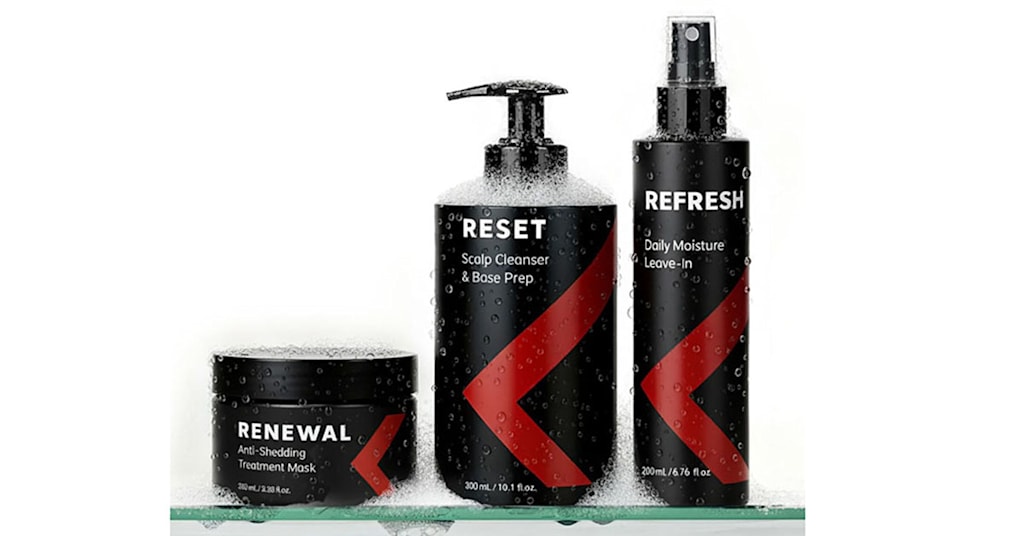
The Ultimate Guide to Hair Systems and Shampoo: Maintenance 101
Hair system maintenance starts with one main habit: washing it properly. It's not just about getting it clean. How you wash it and what you use directly impact its lifespan, especially when dealing with synthetic versus human hair. Sticking to sulfate-free, pH-balanced products helps prevent damage and keeps dryness away. Nailing this basic hygiene sets you up to understand the actual science behind making your piece last.
Key Takeaways
- Use sulfate-free, pH-balanced (4.5–5.5) shampoos to protect delicate knots and prevent adhesive breakdown.
- Always pat the hair system instead of rubbing it to avoid friction, tangling, and base damage.
- Finish with a cold water rinse to seal the cuticle, reduce frizz, and lock in shine.
- Wash every 5–10 days based on activity level, but wait 24–48 hours after installation for the adhesive to cure.
- Apply deep conditioners only from the mid-shaft to the ends, avoiding the roots to keep the bond secure.
The Science of Clean: Why Shampoo Choice Dictates Hair System Lifespan
Hair systems don't fix themselves the way natural strands do. Because Human Hair in a system lacks a living root, every single wash either protects it or cuts its Lifespan short. Harsh formulas strip away moisture, weaken the knots, and break down your adhesives. These are massive Durability Factors. So, regular shampoo usually does far more harm than good. To understand what really wrecks your piece, let's look at the ingredients you need to dodge.
The Ingredient Blacklist: Sulfates, Alcohol, and Parabens
Sulfates clean hard. But they also dry out the fibers and loosen up those tiny knots, which leads to faster Shedding. Alcohol makes moisture evaporate faster. That can easily weaken your Hair System Glue and cause the edges to lift.
Parabens and heavy cleansers often leave a nasty buildup behind, making Residue removal super tough over time. All that gunk stresses out both synthetic fibers and Human Hair. Skipping these bad ingredients gives you a solid baseline. But what you pick to use instead actually matters just as much.
The pH Factor: Why 4.5–5.5 is the Magic Range for Hairpieces
Getting a pH-balanced shampoo (4.5–5.5) keeps the hair cuticle flat. This cuts down on frizz and tangling in Non-surgical hair replacement systems. That's absolutely vital for Human Hair pieces, mostly because they don't get any natural oils from a scalp.
A higher pH blows the cuticle wide open. The result? Dryness and a rough texture after just a few simple washes. Staying within that magic range keeps the surface smooth and easy to manage. Simple. Now that you know exactly what to grab off the shelf, the next step is nailing down how to actually use it.
How to Properly Wash and Maintain a Hair System: The "Pat, Don't Rub" Protocol
Friction ruins hairpieces fast. Period. When you wash it, rubbing the hair just twists the fibers together. That causes messy mats and speeds up buildup. Instead, pat the hair. This keeps those strands aligned and keeps the knots safe. Just use a soft press with your palms instead of your fingertips. It seems like a minor detail, but it makes a massive difference in keeping your unit looking smooth and natural for longer. The exact steps change slightly depending on your base material, starting with how you deal with lace compared to skin units.
Washing Lace vs. Skin Bases: Material-Specific Techniques
Lace requires a super light touch. Just soak the unit, then press the shampoo right through it. Don't ever scrub. Make sure you rinse from the roots down to the tips so it doesn't tangle.
Skin or poly bases can take a little more pressure. Still, absolutely no rubbing. Just wipe the base clean to get rid of any leftover adhesive, and then gently pat the hair itself.
Every base type handles force a bit differently. No matter what you're wearing, the water temperature plays a huge role next.
The "Cool Rinse" Secret for Locking in Shine
Cold water actually seals the cuticle on human hair systems. That's what keeps the strands smooth and gives your custom-made hairpieces that totally undetectable finish.
Warm water gets things clean. But hitting it with a final cold rinse locks in all that shine and cuts down on frizz. Plus, it helps stop new buildup from forming.
Your washing technique is a big deal. But how often you wash it? That matters just as much.
Wash Frequency Calculator: Balancing Lifestyle and Adhesive Integrity
Wash timing isn't a guessing game. Most people wash every 5 to 10 days, but your Scalp Preparation, skin type, and daily habits change that number. Got oily skin or hit the gym hard? You're looking at 4 to 6 days. Dry skin and a relaxed routine? You can easily stretch it to 7 to 10 days. Always respect the Hair System Tape Curing time, though. Wait at least 24 to 48 hours after attaching the unit before you wash. Get this right, and your hair stays clean while the hold stays tight. Simple. And when you really need to put off a full wash, dry methods do the trick.
The "Dry Wash" Alternative: Using LordhairLeave-in Conditioners
A quick dry refresh buys you a few extra days without ruining your bond. Lordhair leave-in conditioners loosen up everyday dirt. They also help control oils and clear out light residue. Just spray a little bit and pat it in. Don't ever rub.
This trick is perfect for human hair systems since they need balanced moisture. It helps synthetic units too, but use a lot less spray so you don't coat the fibers. Do it right, and your hair feels fresh without touching a single drop of water.
But basic upkeep isn't the whole story. How your hair handles sweat and oil really comes down to your daily habits.
Managing Sweat and Sebum for Active Users
Working out hard means you'll need to wash the hair more often. Sweat and natural skin oils eat through adhesives fast. This is a big deal for Full cap systems because they cover a lot more space. Try to rinse every 3 to 5 days. Use a sulfate-free, pH-balanced shampoo to protect both the hair and the base. No exceptions.
Using a scalp protector creates a solid barrier. It keeps the bond strong against heat and sweat, which is a major Durability Factor if you're an athlete. If you swim, rinse your hair right after getting out of the chlorine. Do this even if you skip the shampoo entirely.
Picking the perfect routine gets a lot easier when you see how different care methods stack up side by side.
Choosing the Best Shampoo for Lordhair Human Hair Systems
Finding the right shampoo for a human hair system means keeping the hair soft without ruining the base or bond. For Lordhair units, stick to sulfate-free, pH-balanced formulas designed for your specific hair type—dry, oily, or normal. Human hair needs moisture without the buildup. Synthetic fibers, on the other hand, need lighter care. A good rule of thumb? If it feels harsh on your skin, it's way too harsh for your system. From here, things get more specific—namely, choosing between professional products and standard drugstore options.
Professional Grade vs. Drugstore Shampoos: A Comparative Analysis
Pro-grade shampoos actually protect your investment in non-surgical hair restoration. They rely on gentle cleansers that cut down on shedding and help stretch out the lifespan of the system. Drugstore options usually pack heavy sulfates. Those strip away essential moisture and slowly weaken the knots over time.
The price tag might look better upfront, but you'll pay for it later. Faster fading, worse tangling, and having to replace the unit earlier all add up fast. A cheap $10 bottle that shaves months off your system's lifespan just isn't worth it.
Professional formulas also play nicer with hair systems, especially if you're dealing with color-treated human hair. And once you've got the right shampoo locked down, the tools you use to wash matter just as much.
Essential Tools for the Perfect Maintenance Session
Having the right tools makes washing much safer and gives you more control. Grab a soft hair band to pin sections back and stop accidental pulling. A toothpick is surprisingly great for gently clearing adhesive residue around the base without tearing anything. Then, just apply a skin protector before reinstalling to keep the bond strong.
Every tool here does a specific job. The hair band cuts down on tension, the toothpick breaks up buildup, and the skin protector shields your scalp. Simple.
But even with the absolute best setup, little mistakes still happen. Knowing how to fix them is the next step.
Troubleshooting Common Shampooing Mishaps
Even with the right products, things can go sideways—fast. Adhesive buildup, a lingering "tacky" feeling, or stiff, crunchy strands usually mean residue just didn't rinse out properly. The fix isn't guesswork. It's all about targeted removal and careful washing so you don't stress out the base. Start by safely tackling the glue residue, then move on to getting that soft hair back.
How to Clean Glue Residue from a Lace Hair System Without Damaging the Mesh
Adhesive buildup needs a slow, careful breakdown. Put a little Hair System Glue remover on the spot and let it sit for 2–3 minutes. Don't scrub. Gently lift the leftover glue using a soft tool, and rinse it off with lukewarm water.
Do it again if you have to, but don't force it. Lace rips from pressure, not patience. Plus, a clean base stops that sticky feeling during your next install, which otherwise leads straight into weird hair textures.
Reviving "Crunchy" Hair: The Deep Conditioning Rescue Protocol
Crunchy hair just means lost moisture, especially in Human Hair systems. Start off with a sulfate-free shampoo, then work a rich Conditioning treatment from the middle down to the ends. Let it sit for 10–15 minutes before rinsing.
Do this every 3 washes to extend the Lifespan. Skip the roots entirely to protect the bond. Simple. Stopping the problem before it starts is always better than trying to fix it later, especially around the hairline.
Longevity and the Hairline: The Final Word on Maintenance
Solid washing habits are exactly what keep an undetectable hairline looking natural and lasting longer. Stick to sulfate-free, pH-balanced products. You'll want to wash two to three times a week so you don't dry out the human hair or synthetic fibers. Be extra gentle when you rinse. This is really important if you have a skin base, so the hairline doesn't peel up or shift out of place. Skip the heavy scrubbing near the front edge, since that ruins the hold faster than anything else. When you do it right, your unit stays clean, secure, and realistic every single day. Now, let's answer a few quick questions in the FAQ.
Frequently Asked Questions About Hair System Maintenance
What is the difference between a hair system and a wig?
Semi-permanent vs temporary. You bond a hair system directly to your scalp and sleep in it. Wigs come off every night. Systems blend seamlessly into your existing hair for a custom fit.
How long do modern hair systems typically last?
3 to 6 months on average. Ultra-thin skin bases look incredible but burn out in 4 weeks. Thicker lace or mono bases push past half a year with proper sulfate-free washing.
Is it better to use tape or glue for hair system attachment?
Depends on your hairline. Tape is faster and way easier to clean. Liquid glue gives an invisible, flush front hairline. Smart users mix them. Tape the perimeter, glue the front edge.
Can you shower and swim while wearing a hair system?
Yes. Just wait 48 hours after installation for the adhesive to cure. After that, go for it. Saltwater and chlorine will fry the hair though. Rinse it immediately with fresh water.
How often should a hair system be removed and cleaned?
Every 5 to 10 days. Push it longer and the adhesive turns into a toxic sludge. Clean the base and wash the hair with a pH 4.5-5.5 shampoo to protect the delicate knots.
About the Creator
Leo
Passionate men's hairstylist with a keen eye for detail and a knack for creating on-trend looks. Dedicated to delivering hair restoration education that enhances individual style.
Enjoyed the story? Support the Creator.
Subscribe for free to receive all their stories in your feed.
Comments
There are no comments for this story
Be the first to respond and start the conversation.