
The Ultimate Guide to Choosing Alopecia Wigs for Men: What You Need to Know
Wigs for Alopecia: A Beginner-Friendly Guide to Choosing Natural-Looking Human Hair Wigs

The Ultimate Guide to Choosing Alopecia Wigs for Men: What You Need to Know
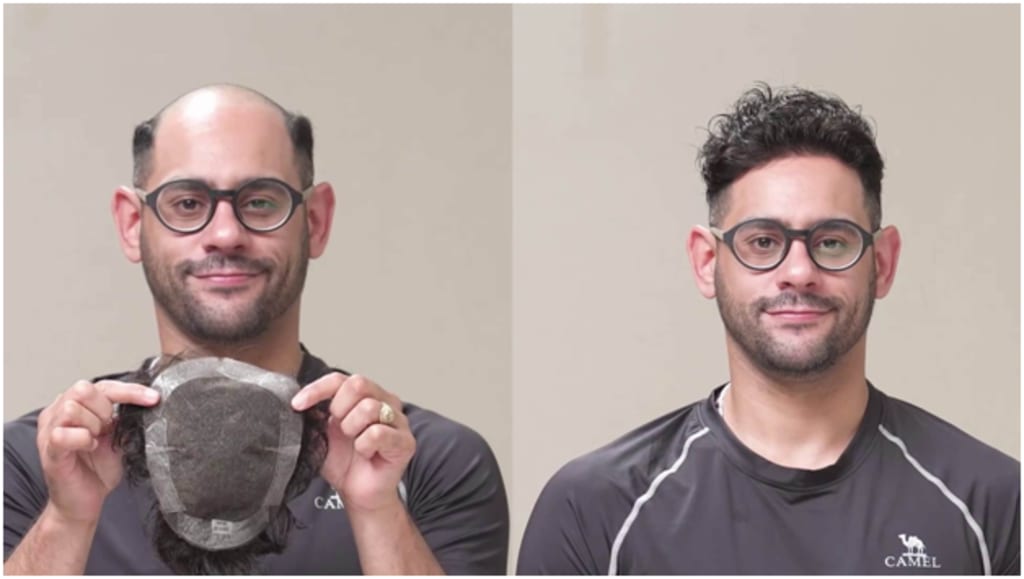
Alopecia Wigs are hair systems made for men dealing with partial or total hair loss. Since they're a type of Non-surgical hair replacement, they bring back a natural hairline and keep things comfortable for everyday wear. Plus, you get to skip the invasive procedures. But to pick the best option, it really helps to understand the specific medical reasons behind your hair loss first.
Key Takeaways
- Match systems to your hair loss: use full wigs for total alopecia and toppers for patchy thinning.
- Choose lace bases for maximum breathability, or skin/poly bases for stronger adhesive bonds and easier cleanup.
- Place the hairline four fingers above your eyebrows and choose 90%–110% density to avoid an artificial look.
- Opt for human hair for daily wear; it looks realistic, allows heat styling, and lasts 6–12 months.
- Secure systems with waterproof glue and tape for workouts, planning for a 1–2 week cleaning and re-bonding cycle.
Understanding Alopecia and Its Impact on Men
Alopecia in men shows up in a few clear medical forms. Each one changes the kind of solution that actually works. Alopecia Areata causes small patch loss, while Alopecia Totalis wipes out all scalp hair. Then there's Alopecia Universalis, which affects the whole body. These differences matter. A light, breathable system just won’t do the job for full loss. The more hair you lose, the more coverage and structure you need. That directly leads to how the industry builds and names these products.
Beyond the "Wig": Why Men Prefer the Term "Hair Systems"
The word “wig” feels pretty outdated and obvious. That's why most pros now call them hair systems for men. It isn't just clever branding. It reflects way better design—like natural hairlines, skin-like bases, and everyday comfort.
People even call medical-grade options cranial prostheses, mostly for full alopecia cases. That label points to function instead of holding onto a stigma. Once you get a handle on the terminology, figuring out how they actually put these systems together makes a lot more sense.
How Alopecia Totalis vs. Thinning Dictates Your Choice
Full wigs are the go-to for Alopecia Totalis since there's no natural hair left to blend with. They give you complete coverage, a solid fit, and even thickness across your whole scalp. That's it.
But hair toppers (wiglets) work best if you're just dealing with thinning or patch loss. They blend right into your existing hair so everything stays lighter and more breathable. The amount of hair you've lost completely dictates the physical build. And that single choice shapes everything from your daily comfort to how real the hair looks.
The Technical Core: Comparing Base Materials for Lordhair Systems
Cap construction at lordhair decides how the system looks, feels, and sticks to your scalp. Base size handles the coverage, but the material dictates the realism, comfort, and upkeep. Most choices fall into either lace or skin/poly, and they're each built for totally different daily routines. Start with lace if your main priority is airflow and a natural front.
The Realism of Lace: Breathability and Natural Hairlines
Lace front systems use an ultra-fine mesh to copy the look of a real scalp at the hairline. The payoff is a completely natural look up close, even under harsh lights. Breathable caps also cut down on heat during heavy workouts or long shifts.
Air flows right through the mesh, so sweat dries faster and itching goes way down. But lace takes a bit more care to handle and clean. You really see that trade-off when comparing it to skin/poly bases.
Skin and Poly Bases: The Ultimate in Secure Bonding
Skin/Poly bases use a thin, solid layer to create a perfectly smooth surface for tape or adhesive. Bonding is a lot easier and much more secure, especially if you're wearing it for days at a time. That's a huge plus.
Cleanup is faster too since sticky residue just sits on top instead of getting trapped inside mesh fibers. The downside? The hairline is slightly less airy than lace. That forces an obvious question—what actually holds up best for heavy daily use?
Achieving an Undetectable Look: The "Four Finger Rule" and Placement
A real-looking hairline starts with placement, not just the hair system itself. The four-finger rule is incredibly simple: place the front edge about four fingers above your eyebrows. This lines up with most adult male hairlines and instantly avoids that low, obvious “wig look.” If you push it too far down, it just looks fake under bright light. Fix this part first, then you can fine-tune the density.
What is the Most Natural Looking Hair Density for a Men's Wig?
Hair density needs to match your age and your natural side hair, rather than the latest trends. For most guys, a 90%–110% density blends best. Going any higher—like deciding between 180 density vs 200—usually looks way too full. It creates that artificial helmet effect directly at the front.
Keeping things somewhat thin near the hairline with a little more volume further back properly copies real growth patterns. That uneven spacing is exactly what makes the piece believable up close. Once you have your density dialed in, your next step is just as critical. You need to pick the right hair type.
Human Hair vs. Synthetic: Which is Better for Daily Wear?
Human hair, especially European Remy hair, offers the most realistic texture and movement. You can style it with heat, and it lasts 6–12 months if you take care of it. This makes it perfect for everyday wear. The main catch is having to spend a bit more money on regular upkeep.
Synthetic fibers keep their style longer and cost less upfront. But they often look a little too perfect under direct sunlight, and you can only expect them to last 2–4 months. They also heavily restrict heat styling. For guys applying systems every single day, human hair almost always wins. Still, a sensitive scalp could easily change that final decision.
Specialized Solutions for Sensitive Scalps and Alopecia
Having a sensitive scalp really changes what you can safely wear every day. Medical-grade bases handle this exact problem. They use hypoallergenic materials, softer edges, and breathable structures to cut down on irritation when you wear them for a long time. These bases are also perfect for men with total hair loss, since they sit tightly without needing any existing hair to hold onto. You get a stable, natural look without the constant itching or redness. And that brings up a pretty common worry about long-term use and hair loss.
Can Wearing a Hair System Everyday Worsen Alopecia?
Daily wear doesn't cause alopecia. Keeping your scalp healthy comes down to good hygiene, proper adhesive use, and taking the piece off regularly—it's not about the system itself. When put on the right way, even full-coverage systems won't block growth or hurt your follicles.
Most problems actually just come from poor maintenance. Leaving tape or glue on for too long or skipping your cleaning routine can irritate your skin. That ruins your comfort, but it still won't mess with the bio hair growing underneath.
So the real focus should be on care, not fear. Simple as that. Once you're clear on that, the next step is picking out a system that can handle sweat, movement, and your usual daily grind.
The Active Man’s Guide: Sports, Sweat, and Swimming
Living an active life demands real Durability. Your system needs to survive sweat, friction, and water without lifting or driving you crazy with itching. With the right setup, your hairline looks completely natural while you train, swim, and recover. You'll want to focus on strong holds, breathable bases, and Waterproof adhesives that won't quit on you mid-session. So, here is how to lock everything in place when you're moving hard.
Securing Your System During High-Impact Physical Activity
Go with a Semi-permanent Adhesive/Tape combo if you work out a lot. Liquid glue gives you a rock-solid front hairline. Meanwhile, tape adds necessary shock resistance along the sides and back. Stick to waterproof formulas built specifically for heavy sweating. And always rinse with cool water after training to stretch out the lifespan of your bond. Simple.
Blending with Beards and Sideburns for a Masculine Finish
Customization is everything here. Match the density and curl directly to your beard, and rely on pre-styled edges so you don't end up with harsh lines. From there, taper the sideburn area to fade smoothly right into your facial hair. Nailing that clean blend sets you up for the next step—keeping the whole thing maintained without a constant headache.
Maintenance and the "Service Cycle" Reality Check
People often call hair systems low maintenance, but that's only half the story. You need to expect a clear service cycle. Most guys do a refit every 1–2 weeks, though it really just depends on your sweat levels, skin oil, and the kind of adhesive you use. Wearing it every day feels comfortable and natural. But regular upkeep? That part is basically non-negotiable if you want to keep a clean hairline. Once you get a feel for this rhythm, managing the system becomes pretty easy instead of stressful. It all starts with learning how to tackle cleaning and re-bonding right at home.
How to Clean and Re-bond Your System at Home
First, lift the front hairline nice and slow using an alcohol-based remover. Work it under the base to break the bond without tearing the lace or skin poly. Once the system is off, you'll need to clean the leftover adhesive from both your scalp and the unit itself. Hit it with some solvent, then gently wipe everything down until it's completely smooth.
After that, wash the base using lukewarm water and a mild shampoo. Let it air dry completely. When it's time for the refit, apply fresh adhesive in thin layers. Wait until it gets a bit tacky, then press the system down from front to back. Do this right, and the hold feels totally secure. The whole process actually turns into a quick routine, and that really helps you mentally adjust to wearing it day in and day out.
Navigating the Transition: Handling the "Reveal"
Going from bald to a full head of hair boosts your self-esteem fast. But your mindset needs a minute to catch up. Real confidence grows when the change feels perfectly natural to you first, rather than just the people around you. Try wearing it in familiar settings to start, then slowly venture out. People honestly notice way less than you'd expect. A realistic hairline, a snug fit, and easy daily wear are what actually matter here. Those are the things that wipe out your doubt. Simple. And that's exactly why picking the right provider is a big deal.
Why Lordhair is the Professional Choice for Men’s Alopecia Solutions
Lordhair really knows their stuff when it comes to systems that actually look natural. They gear their designs toward undetectable hairlines, breathable bases, and a secure hold for everyday life. That way, you aren't constantly second-guessing how you look. Having that kind of stability builds up real confidence. It isn't just a surface-level fix.
Plus, they walk you through the custom details—like hair density, finding the perfect color match, and picking your base type. So the end result actually fits your lifestyle. When a hair system works with your daily routine, the big "reveal" just feels totally normal. That naturally brings us to the final step: answering a few key questions before you make your choice.
Frequently Asked Questions About Men's Alopecia Wigs
How do you measure where a wig should sit on your forehead?
Four fingers above your eyebrows. Place your hand horizontally right above your brow bone. Where your top finger sits is your natural hairline. Don't overthink it.
How can you tell if a wig is placed too low?
Less than three fingers of space. If it sits right on top of your forehead wrinkles when you raise your eyebrows, it's too low. You'll look like a caveman.
Are wigs good for alopecia?
Absolutely. They are the only non-surgical, instant fix. Full wigs cover total loss. Toppers handle patchy spots. Zero downtime.
Can you cut and color a hair topper to match your own hair?
Yes, but ONLY if it is human hair. Synthetic fibers will melt or reject the dye. Take it to a professional barber. They need to thin the density and blend it into your bio hair.
How long do semi-permanent hair systems for men last?
6 to 12 months for human hair. You still have to peel it off, clean the glue, and re-bond every 1 to 2 weeks. Thinner bases look better but die faster.
About the Creator
Leo
Passionate men's hairstylist with a keen eye for detail and a knack for creating on-trend looks. Dedicated to delivering hair restoration education that enhances individual style.
Enjoyed the story? Support the Creator.
Subscribe for free to receive all their stories in your feed.
Comments
There are no comments for this story
Be the first to respond and start the conversation.