
The Ultimate Beginner’s Guide to Wigs and Hairpieces
Beginner's Guide to Wigs: Fit, Style, and Care

The Ultimate Beginner’s Guide to Wigs and Hairpieces
Wigs and hairpieces are powerful tools for instant versatility and confidence. Whether you want a fresh look or need dependable protective styling, Newtimes Hair has options that can completely change your daily routine. Now that the basics are clear, here’s why choosing a wig can be such a game-changer for your hair health and personal style.
Key Takeaways
- **Measure your head circumference** from your front hairline to the nape of your neck to guarantee a secure, slip-free fit.
- **Customize new units immediately** by trimming the lace to your natural hairline and using dry shampoo to dull synthetic shine.
- **Skip messy adhesives** by securing your wig with built-in adjustable straps, combs, or a velvet wig grip.
- **Wash every six to eight wears** in cool water, using a wide-tooth comb and sulfate-free cleanser to prevent damage.
- **Extend your wig's lifespan** by removing it before bed to avoid friction and storing it on a dedicated stand.
Anatomy of a Wig: Understanding Cap Construction
Every great hairstyle starts with what’s underneath. Cap design controls how the unit fits, moves, and breathes against your scalp. A standard interior has velvet ear tabs that sit right at your temples to keep the structure in place. In the back, you’ll find a nape adjustment strap that gives you a secure, custom fit without needing glue. Getting these structural details right is key for everyday comfort. And once you understand the base, you can better choose the specific "top" style that shapes how natural the hairline looks.
What is the Difference Between a Lace Front Wig and a Regular Wig?
A regular wig has a solid, machine-wefted edge that sits visibly on your forehead. You usually need to hide it with bangs or heavier styling. Lace front wigs completely change that. They use a sheer, delicate mesh panel at the front where individual hairs are hand-tied.
The result is a very realistic hairline that looks like hair is growing straight from your scalp. You can sweep the hair back, part it off-center, or wear a sleek ponytail without exposing a thick edge.
When the lace is blended properly, the transition from forehead to hair looks seamless, giving style-focused wearers more freedom. While a lace front focuses on that invisible front edge, it’s also worth comparing it to full-coverage options that center on the entire crown.
Monofilament and Hand-Tied Caps: The Secret to Comfort
Standard machine-made bases can feel rough against bare skin. If you’re dealing with medical hair loss or have a sensitive scalp, a softer interior matters.
Monofilament tops fix this by using a breathable micro-mesh fabric at the crown. Each strand is sewn in individually, so the hair moves like natural growth. Pair that with a fully hand-tied cap, and the whole wig stretches and molds to your head with ease.
These premium methods remove bulky seams and offer standout comfort. A high-quality interior from Newtimes Hair feels almost weightless. But even the softest hand-tied construction won’t feel right if the measurements are off, so finding your exact size is essential.
Finding Your Perfect Fit: The Measurement Guide
A stunning wig doesn’t mean much if you’re spending all day worrying it might slip off. To find your ideal cap size, grab a flexible measuring tape. Wrap it along your hairline, starting at the front, pulling it behind your ears, dropping it to the nape of your neck, and bringing it back up. This exact circumference determines your perfect fit. Taking just two minutes to measure your head properly gets rid of that annoying slipping feeling. And once the size is right, the style needs to match your natural features.
How to Choose a Wig Style Based on Your Face Shape
Finding a flattering cut really comes down to a simple three-step process. First, figure out your basic face shape. Round faces tend to look best with long, layered cuts that add length, while square faces suit soft, wavy bobs that soften strong jawlines. Oval faces can pull off almost anything.
Next, take a close look at color charts to match your skin’s undertones. Warm undertones work well with golden blondes and rich auburns. If your undertones are cool, ashy browns and platinum blondes will give you that natural, seamless look.
Finally, check in with a professional from Newtimes Hair to make sure the cut frames your features the right way. Wearing a wig shouldn’t feel like putting on a costume. It’s about enhancing your everyday style. And while getting the cut and color right matters a lot, the hair’s volume is just as important. Hair density plays a big role in the final result, affecting how heavy or light the unit feels.
The "Hairpiece" Distinction: Toppers and Clip-ins
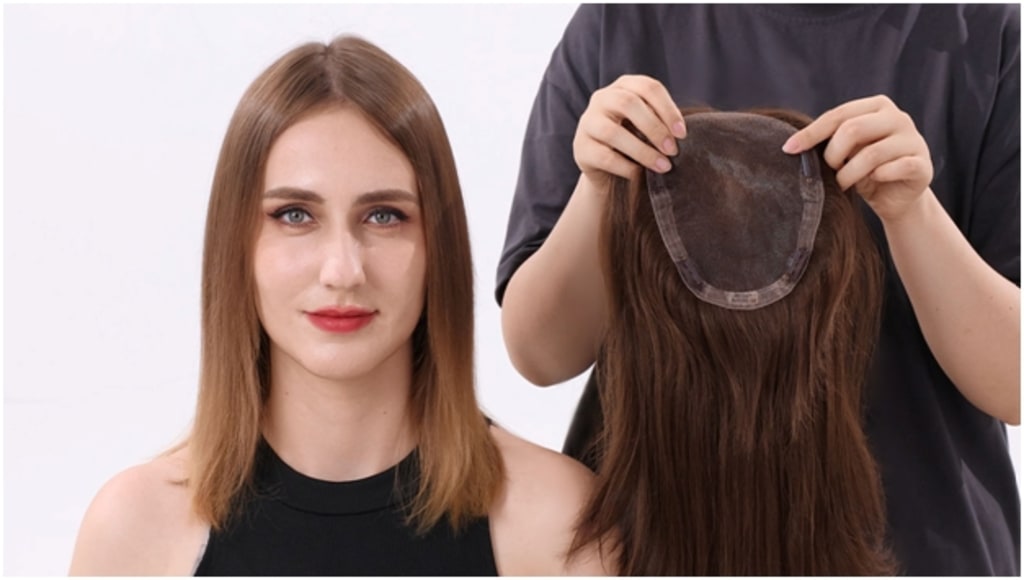
Not everyone needs a full cap to get the look they want. If you're dealing with thinning in certain spots, smaller hairpieces can be a much lighter, more comfortable option.
Toppers and clip-ins blend right in with your natural hair, adding volume exactly where you need it. Experts from Newtimes Hair strongly suggest choosing human hair over synthetic for these pieces, since real hair heat-styles easily along with your own.
This more seamless option saves you from the extra heat and weight that come with a traditional full unit. In the end, whether you go with a full wig or a topper, those first 24 hours of ownership really matter.
The First 24 Hours: Your "No-Gatekeeping" Roadmap
Your package just showed up, and you finally have your new hair. Now what? The very first thing to do is customize the hairline. Carefully trim the lace so it matches your natural forehead shape. If you bought a non-human piece, you’ll also want to dull the shine on synthetic fibers using dry shampoo to get rid of that factory gloss. These quick tweaks make the hairpiece look way more natural right out of the box. But looking good is only part of it. Keeping it secure is the next challenge most beginners face.
Securing the Unit: Glueless Options and Wig Grips
A lot of first-time wearers get nervous about using liquid adhesive or glue. Worrying about damaging your natural hair or messing up the process is totally fair. But experts at Newtimes Hair point out you don’t actually need messy products to keep your hairpiece in place.
Modern designs make "wear-and-go" units very doable. Glueless wigs use adjustable straps and built-in combs to stay put on your head. You just slip one on and go.
And if you want extra security, a velvet wig grip adds strong friction between your scalp and the cap. That keeps everything from shifting during the day. Keeping both the grip and your hairpiece in good shape means having the right tools on hand.
The Essential Beginner Starter Kit Checklist
You can’t treat a wig the same way you treat the hair growing from your scalp. Using the right tools helps prevent shedding and tangling. Pick up these five basics before you even take your unit out of the box.
Start with a wide-tooth wig comb to gently detangle from the ends upward. Then get a solid wig stand so the cap holds its shape overnight. You’ll also need dry shampoo, a sulfate-free cleanser, and a soft satin storage bag for travel.
Throwing your unit into a drawer will ruin the lace and break the fibers. Taking care of it with the right tools will help it last a lot longer.
Maintenance 101: How to Wash and Store Your Hair
Washing your hairpiece too often can dry it out. A solid rule is to wash and store your unit every six to eight wears. Start by gently combing out any tangles. Then wash the hair in cool water and follow with a Purifi spray to remove odors and refresh the fibers.
After it dries on a proper stand, use a light shaping crème to define the texture without weighing it down. Storing it on a mannequin head helps keep the cap in shape. These quick steps keep the hair looking fresh, but how do they actually fit into a busy daily routine?
Expert Tips for Styling Your Newtimes Hair Piece
Trying to fit a long styling session into your morning rush just doesn’t work. The better move is to handle the heavy lifting the night before. If you’re wearing a heat-friendly synthetic unit, you can use a curling iron on a low setting—usually around 250°F to 270°F—before bed. The style will hold for days.
When you wake up, just focus on blending the front hairline with your skin or natural hair. A quick pass with a hot comb at the root makes everything look seamless.
Experts at Newtimes Hair suggest keeping daily touch-ups under five minutes. That quick routine keeps your hairpiece looking natural while helping you get out the door faster.
Lifestyle Integration: Living in Your Wig
Active routines call for real flexibility. You can absolutely hit the gym in your Newtimes Hair unit. Just tie it back or switch to a breathable, older piece for intense cardio so you don’t get too much sweat buildup. Your daily wear should match your life, not make it harder.
Bedtime’s a different story. Sleeping in your hairpiece creates friction that slowly damages the fibers. Take it off at night. Real Baddies Who Wear Wigs know protecting the unit on a proper stand isn’t optional.
Getting these simple habits down is what takes you from feeling unsure to handling it like a pro.
Frequently Asked Questions for Beginners
Are wigs better than hair extensions for protecting natural hair?
Yes. Extensions pull on your roots constantly. Wigs give your scalp an actual break. Take it off at night and your natural hair faces zero tension.
How long do wigs typically last?
6 to 12 months for daily wear. Synthetics burn out faster. Quality human hair pushes past a year if you wash it gently every six to eight wears and keep it on a proper stand.
Can you wear a wig every day without damaging your hair?
Absolutely. Just skip the messy glues. Secure it with a velvet wig grip or adjustable straps instead. Remove it before bed to stop friction and your natural hair stays safe.
Wigs vs. Sew-ins: Which is better for hair growth?
Wigs win. Sew-ins suffocate your scalp under tight braids and heavy thread for weeks. Wigs pop off at night. You can actually wash and treat your real hair whenever you want.
About the Creator
Leo
Passionate men's hairstylist with a keen eye for detail and a knack for creating on-trend looks. Dedicated to delivering hair restoration education that enhances individual style.
Enjoyed the story? Support the Creator.
Subscribe for free to receive all their stories in your feed.
Comments
There are no comments for this story
Be the first to respond and start the conversation.