
The Ultimate Beginner’s Guide to Selecting Toupees for Hair Loss
Beginner's Guide to Selecting Modern Toupees & Hair Systems

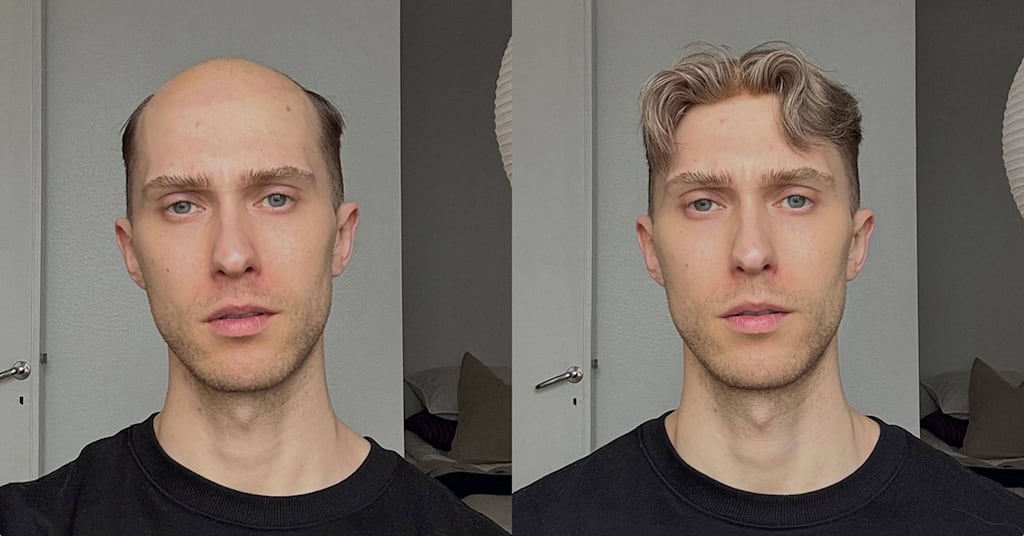
The Ultimate Beginner’s Guide to Selecting Toupees for Hair Loss
Losing your hair often feels like a slow, quiet struggle. But a modern Hair System gives you a real solution. Today’s systems—sometimes still called a Toupee—are super light, look totally natural, and hold up perfectly in everyday life. We'll break down all the honest details right here, starting with how these newer options completely ditch those thick, old-fashioned "rugs" people usually picture.
Key Takeaways
- Match your base material to your lifestyle: choose lace for breathability, thin skin for a seamless hairline, or mono for long-lasting durability.
- Opt for 80–90% hair density with bleached knots and a graduated hairline to ensure an undetectable, natural appearance.
- Select your attachment method based on wear time: use tape for easy daily removal, glue for a secure 1-3 week hold, or clips for occasional use.
- Measure your specific thinning area accurately to determine if you need a partial toupee or a full-coverage wig.
- Plan for an annual maintenance budget of $800–$2,000 to cover replacement units, adhesives, and salon visits.
Understanding the Shift: From "Toupee" to Modern Hair Systems
"Hairpiece" doesn't mean those thick, obvious covers anymore. Today's non-surgical hair replacement uses ultra-thin bases and real hair to match your natural growth, especially if you're dealing with male pattern baldness. The result looks clean and completely undetectable in everyday life. That old stigma came from outdated materials, not the idea itself. So now, the real question is simple—what kind of hair loss are you actually dealing with?
Identifying Your Hair Loss Pattern: Alopecia vs. Male Pattern Baldness
Male pattern baldness (androgenic alopecia) usually kicks off right at the temples or crown and slowly spreads over time. It follows a pretty predictable shape.
But alopecia areata is different. It creates sudden, round bald spots anywhere on your scalp. Figuring out your pattern points directly to the right fix. After that, it's about picking the right type.
Toupee vs. Wig vs. Hair Topper: Which One Do You Need?
A toupee (hairpiece) covers up partial loss, most commonly at the crown. A hair topper does the exact same thing, but it blends right in with your existing hair for lighter coverage. Simple.
A wig covers the whole scalp, making it the absolute best pick for widespread loss. At the end of the day, the split between a wig and a toupee just comes down to coverage size. Once you realize that, it's much easier to grasp how each system is built.
The "Choose Your Fighter" Base Material Guide
Base materials completely shape how your system feels, looks, and holds up day to day. Lace, Skin (Poly), and Welded Mono each fit a very different lifestyle. Maybe you sweat a lot, desperately want a flawless hairline, or just need something that actually lasts. The right pick depends heavily on how you live, not just appearances. First up, lace—built for movement and airflow.
The Athlete: Why Lace Bases are Best for Active Lifestyles
Lace bases are by far the most breathable option out there. Their mesh structure lets air flow right through, helping you manage sweat during tough workouts or hot, sticky weather. This keeps your scalp cooler and really cuts down on gross buildup.
Plus, they handle heat remarkably well. That makes styling tools and direct sun exposure way less of a headache. If you're constantly on the move, lace keeps things comfortable. And that comfort logically shifts us to the next big priority: visual perfection.
The Perfectionist: Achieving a Seamless Scalp with Thin Skin
Skin (Poly) bases are all about nailing that natural look. The super thin layer sits totally flat against your scalp, blending in perfectly to mimic real skin. People call it a “second skin” for a very good reason.
V-looping boosts that realism by knotting the hair without leaving behind any visible dark dots. The entire setup looks incredibly clean, especially right at the hairline. But this crazy level of detail does sacrifice a bit of everyday durability. Which points us straight toward a tougher alternative.
The Budget-Conscious: Durability and Longevity of Mono Bases
Welded Mono bases are built exceptionally tough. Their core structure is thicker and incredibly durable, extending the lifespan way past what you'll get from lace or poly. Down to brass tacks: that means fewer replacements over the years.
They aren't perfectly invisible up close, but they hold their shape impressively under daily wear and tear. If true longevity is your main goal, mono is a rock-solid pick. And if you're chasing balance, putting different materials together is where things get really interesting.
How to Choose the Right Lordhair System for Your Lifestyle
Picking the best Lordhair system really comes down to how you live each day. Hit the gym a lot? Go for breathable lace options since they handle sweat beautifully. Want the most natural hairline possible? Thin skin systems give you that amazing “second scalp” effect. Maybe you just need something that holds up longer between replacements. Mono bases are your best bet here, lowering your long-term costs thanks to their tough durability. Simple. Just match comfort, realism, and lifespan to your actual routine. Once you've got that figured out, the next step is seeing how truly invisible your setup will look up close.
The "Undetectability" Checklist: 5 Secrets to a Natural Look
Getting a hair system to go completely unnoticed is all about the little details. Nail these choices, and your hair stays a secret, even right up close. You basically just need to focus on the density, the front edge, and that final cut. Let's start with density.
Why Less is More: Selecting the Correct Hair Density
For most beginners, going with an 80–90% hair density just looks way more believable. It lines up nicely with typical Natural hair color patterns. Plus, you get to skip that bulky, "too full" vibe that sometimes comes with 100% European Remy hair.
A lower density also blends right in if your sides are thinning out, and it simply ages better over time. After that, you'll want to dial in the absolutely most noticeable spot—the front hairline.
The Magic of Bleached Knots and Graduated Hairlines
Bleaching the knots lightens up those tiny little tie points, making every Hand-knotted strand look like it's growing straight from the Scalp. This is what gives you a nice, soft Natural hairline.
With a graduated hairline, the front hairs are spaced out a bit unevenly, exactly how real hair actually grows. It keeps that front edge looking totally discreet. From there, the final cut is what brings the whole look together.
Finding Your Perfect Match: Color and Texture Selection
Getting down the color and hair texture is what makes a system blend instead of stick out. Your goal is pretty straightforward: make it vanish into your own growing hair. Always check the color in actual daylight. Don't just look at the roots, but check the middle and the ends too. Texture is equally a big deal. Whether you've got straight, wavy, or curly hair, it needs to match your current pattern so everything flows together. After you lock those two details down, you're ready to figure out the right base size. That process kicks off with a quick scalp measurement.
How to Measure Your Scalp for a Custom Lordhair Topper
Getting the right measurements means your custom Lordhair order will fit cleanly and stay totally secure. First off, find the exact spot that's thinning. Grab a soft measuring tape and run it from front to back, then go side to side. You just want to cover the specific area where the topper will actually sit. Simple.
Make sure the tape lays completely flat right on your scalp. Don't pull it too tight, but don't leave any gaps either. Jot both of those numbers down in inches. If the area doesn't look like a perfect rectangle, just trace the shape out on a piece of paper so it's clear. Doing this cuts out the guesswork so you don't end up with something loose or bulky on top. Plus, once you nail down the sizing, that nagging fear of "will it actually look real?" drops away pretty fast.
Will It Fall Off? The Science of Modern Adhesives
Modern hair systems stay attached way better than most beginners think. Today’s glue, tape, and medical-grade solutions are built to hold up through heavy sweat, wind, and regular daily movement. If you put it on right, you get a rock-solid bond that lasts days or even weeks, depending on your normal routine. So, the real question isn’t whether it's going to fall off. It's just about figuring out which attachment method makes the most sense for your lifestyle.
Tape vs. Glue vs. Clips: Choosing Your Attachment Method
Tape is usually the best bet for beginners looking for a quick, clean setup. It's easy on a sensitive scalp. Plus, it works great for daily wear because you can take it off and put it right back on in just a few minutes. The hold is definitely strong, but a little less permanent than glue.
Glue delivers the absolute strongest and longest hold—often sticking around for 1 to 3 weeks. It's a great match if you're really active, but it does take a bit more practice to apply and take off safely.
Clips just hook straight into your natural hair. That means you don't need any sticky adhesives at all. They're perfect if you only want to wear your system every once in a while, though they won't feel quite as tight during a tough workout. Every single option brings its own mix of comfort, grip, and maintenance. And naturally, that choice ties right into the ongoing cost of keeping your hair looking good.
The "Day 2" Reality: Maintenance and Recurring Costs
The real commitment gets going right after the install. Upkeep, how long the piece actually lasts, and your total cost of ownership will shape your everyday routine way more than the upfront price. Most systems need regular cleaning, reattachment, and safe storage just to stay natural-looking. Skip that part, and the lifespan drops fast. It's simple. You can expect steady upkeep based on how active you are and the attachment method you pick. So, what does that actually cost over an entire year?
Estimating Your Annual Budget for Hair Replacement
Your annual spend usually lands somewhere between $800 and $2,000. That range covers your replacement units, adhesives, solvents, and any optional salon visits. Going with human hair vs synthetic toupees makes a massive difference here. Human hair costs more upfront but often looks much more natural. Synthetic units are cheaper, but you'll likely have to replace them a lot more often.
Adhesives and solvents add about $15 to $40 per month. Salon maintenance usually runs between $50 to $150 a visit, depending on what you get done. And those replacement units? Many people end up buying 2 to 4 per year. Getting a handle on that basic budget sets you up for what the first 48 hours will actually feel like.
The First 48 Hours: What to Expect When You Start Wearing
Those first 48 hours might feel a bit unfamiliar. But honestly, most people adjust way faster than they expect. You'll notice the fit right away. A little tightness or just being aware of it up there is totally normal while your scalp gets used to things. Styling options become obvious pretty fast, since you can comb, part, and shape it just like your own hair. It might hold onto moisture a little differently, too. So, light conditioning really helps keep the texture perfectly balanced. With a well-fitted unit from lordhair, that natural look settles in fast. Once the visual match finally clicks, you stop thinking about the system entirely. Instead, your focus shifts straight to how you carry yourself. That's where real confidence starts.
Conclusion: Taking the Leap Toward Renewed Confidence
These days, hair loss solutions are highly practical, look completely natural, and are way easier to live with than most people expect. Get a well-fitted system, and it blends right in. Soon enough, it feels exactly like your own hair instead of some extra piece you have to worry about. That shift does a lot more than just change your outward appearance. It completely reshapes how you show up every single day. With options out there like lordhair, taking that first step is easy. Just start small, stick with it, and let that new confidence carry you forward.
Frequently Asked Questions About Hair Systems
What is the four-finger rule for hair systems?
It is a placement trick. Put four fingers flat above your eyebrows. The top finger marks exactly where your front hairline should start. Anything lower looks fake.
Where should a natural hairline begin on a man's head?
Right at that four-finger mark. Usually 3 to 4 inches above the brow bone. Mature guys need slight temple recession. A straight thick line across the forehead screams toupee.
How long do human hair toupees last compared to synthetic?
Three to six months. Ultra-thin skin bases burn out even faster. Synthetics might survive up to a year but look like plastic. Human hair trades lifespan for realism.
Can you style and dye a human hair toupee?
Yes. Treat it like real hair. Heat styling is totally fine. Going darker with dye works well, but never bleach it. Bleach destroys the base knots and causes massive shedding.
Is it possible to swim or shower with a hair system on?
Absolutely. Once the acrylic glue or tape cures for 24 hours, you are locked in. Swim in the ocean or take hot showers. Just rinse out the chlorine afterward.
About the Creator
Leo
Passionate men's hairstylist with a keen eye for detail and a knack for creating on-trend looks. Dedicated to delivering hair restoration education that enhances individual style.
Enjoyed the story? Support the Creator.
Subscribe for free to receive all their stories in your feed.
Comments
There are no comments for this story
Be the first to respond and start the conversation.